
Soft sourdough pretzels are a beloved classic that blend the tangy complexity of naturally fermented dough with the comfort of a warm, pillowy snack.
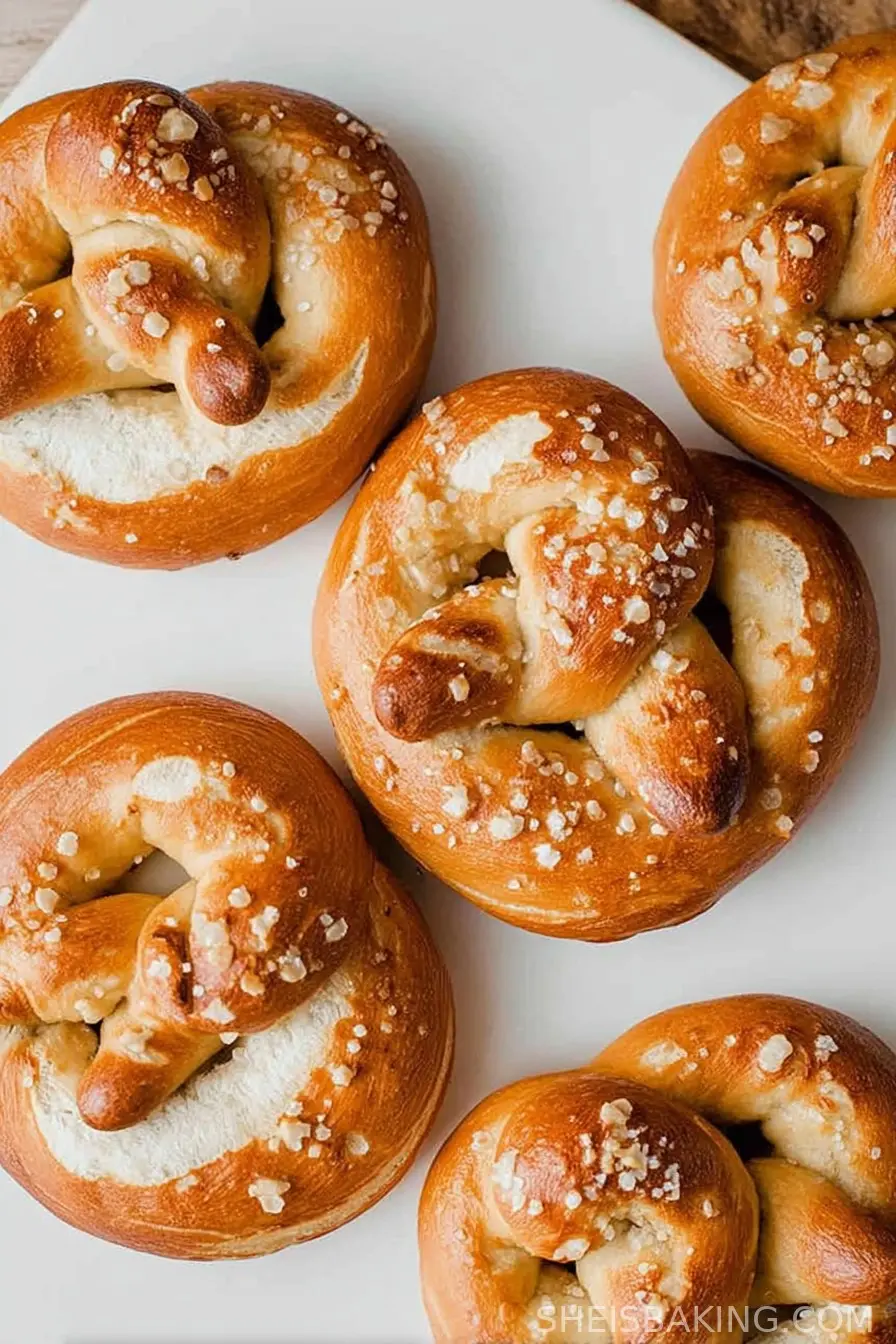
This recipe guides you step by step through the process of creating these golden, salty treats at home, highlighting the magic of sourdough fermentation and precise pretzel-making methods. Sourdough has been cherished by bakers for centuries, known for its ability to develop deep flavors through a natural fermentation process.
Its history can be traced back to ancient civilizations who relied on wild yeast and beneficial bacteria to leaven their breads without commercial yeast. Pretzels themselves originated in Europe, with monks in medieval times shaping dough into their signature twisted form, symbolizing arms in prayer.
When paired with sourdough tradition, pretzels become even more special, achieving a flavor that is tangy, complex, and utterly satisfying. This recipe for soft sourdough pretzels is perfect for home bakers seeking to master an artisanal treat.
Using a matured sourdough starter, honey for sweetness, and a classic baking soda water bath, you'll produce pretzels that are chewy on the outside and tender on the inside. These pretzels are perfect for sharing, as an appetizer, snack, or accompaniment to your favorite beverages.
Whether you are a seasoned sourdough enthusiast or a curious beginner, discover how to craft these delectable soft sourdough pretzels with confidence and ease.
Ingredients
- Ingredients to make ½ cup (100 g) of Active Sourdough Starter:
- 1 tablespoon (15 g) sourdough starter
- ⅓ cup + 1 tablespoon (50 g) all-purpose flour
- 3 ½ tablespoons (50 g) water
- Sourdough Pretzel Dough:
- ½ cup (100 g) active sourdough starter
- 1 cup plus 1 tablespoon (255 g) water
- 2 tablespoons (40 g) honey (or sugar)
- 2 teaspoons (10 g) fine sea salt
- 4 cups + 2 tablespoons (500 g) bread flour
- Water Bath:
- 6 cups water
- 2 tablespoons baking soda
- 1 tablespoon dark brown sugar
- Egg Wash:
- 1 large egg (lightly beaten in a small bowl)
- 1 tablespoon coarse salt
Instructions
- Twelve hours in advance, prepare your active sourdough starter by combining 1 tablespoon (15 g) sourdough starter, ⅓ cup plus 1 tablespoon (50 g) all-purpose flour, and 3 ½ tablespoons (50 g) water in a clean glass jar. Stir well to create a smooth mixture, loosely cover the jar, and let it rest at room temperature. The starter is ready for use when it has approximately doubled in volume and bubbles are visible on the surface and along the sides. This step ensures you have an active, bubbly starter to leaven your pretzel dough.
- To prepare the pretzel dough, place ½ cup (100 g) active sourdough starter, 1 cup plus 1 tablespoon (255 g) water, 2 tablespoons (40 g) honey or sugar, and 2 teaspoons (10 g) fine sea salt into the bowl of your stand mixer. Stir gently with a spatula to dissolve the ingredients. Add 4 cups plus 2 tablespoons (500 g) bread flour, and begin mixing the ingredients together by hand until a rough dough forms. The dough will feel stiff-this is normal.
- Attach the dough hook to your mixer and knead the dough on the lowest speed for 6 to 7 minutes. If kneading by hand, work the dough on a clean surface for about 10 minutes until smooth and elastic. Once kneaded, cover the bowl with a clean towel or plastic wrap and allow the dough to ferment at room temperature for 8 to 12 hours. During this time, the dough should rise and develop deep flavor thanks to the sourdough.
- After fermentation, prepare a large baking sheet by lining it with parchment paper. Transfer the dough onto a lightly floured work surface and divide it evenly into 16 pieces. This ensures uniformly sized pretzels for even baking.
- Roll each portion into a long rope about 16 to 18 inches in length. Shape each rope into a "U," then twist the ends over each other twice and fold the twisted ends back down to the bottom of the "U" to form the traditional pretzel shape. Press the ends gently into place. As each pretzel is shaped, lay it on the prepared baking sheet.
- Once all pretzels are shaped, cover them with a clean kitchen towel and let them rise for an additional 30 to 60 minutes at room temperature. The pretzels should appear puffy and slightly risen, which will yield a soft interior after baking.
- Preheat your oven to 425°F (218°C), ensuring the center rack is ready for use. For the water bath, fill a large stockpot with 6 cups of water, and bring to a gentle boil. Add 2 tablespoons of baking soda and 1 tablespoon of dark brown sugar, stirring to dissolve. This highly alkaline bath creates that distinctive chewy crust and deep brown color.
- Using a slotted spoon or mesh strainer, gently lower 3 to 4 pretzels at a time into the simmering water bath. Let each pretzel bathe on one side for 30 seconds, then carefully flip and cook for another 30 seconds. Avoid crowding the pot. The baking soda bath sets the crust and adds flavor.
- Remove the boiled pretzels with a slotted spoon and return them to the lined baking sheet. Brush each pretzel generously with a light egg wash made by beating one large egg. Sprinkle with coarse salt to taste, ensuring the classic pretzel finish.
- Place the pretzels into the preheated oven and bake for 12 to 14 minutes, or until they achieve a rich golden-brown hue. Let them cool on a wire rack for a few minutes, then serve warm for the best soft sourdough pretzel experience.
Nutritional Information
Soft sourdough pretzels offer a balance of carbohydrates, protein, and moderate fat, making them a satisfying snack or addition to any meal. Each pretzel derives the majority of its calories from bread flour and honey (or sugar), providing quick energy.
The use of sourdough starter incorporates beneficial lactic acid bacteria that may enhance digestibility and support gut health.
One pretzel (based on 16 servings) is estimated to contain approximately 120-150 calories, 24-28 grams of carbohydrates, 4-5 grams of protein, and 1-2 grams of fat, depending on the exact size and amount of egg washed used.
The addition of sea salt and coarse salt brings a modest sodium boost, so those on sodium-restricted diets may wish to adjust the topping.
The naturally leavened dough may also be easier for some individuals to digest compared to commercially yeasted breads, as the longer fermentation process helps break down gluten and other complex compounds.
The water bath with baking soda and brown sugar adds minimal calories but offers the signature pretzel taste and texture. In moderation, soft sourdough pretzels can be a delicious, satisfying treat that fits well in an overall balanced diet.
Wine and Beverage Pairings
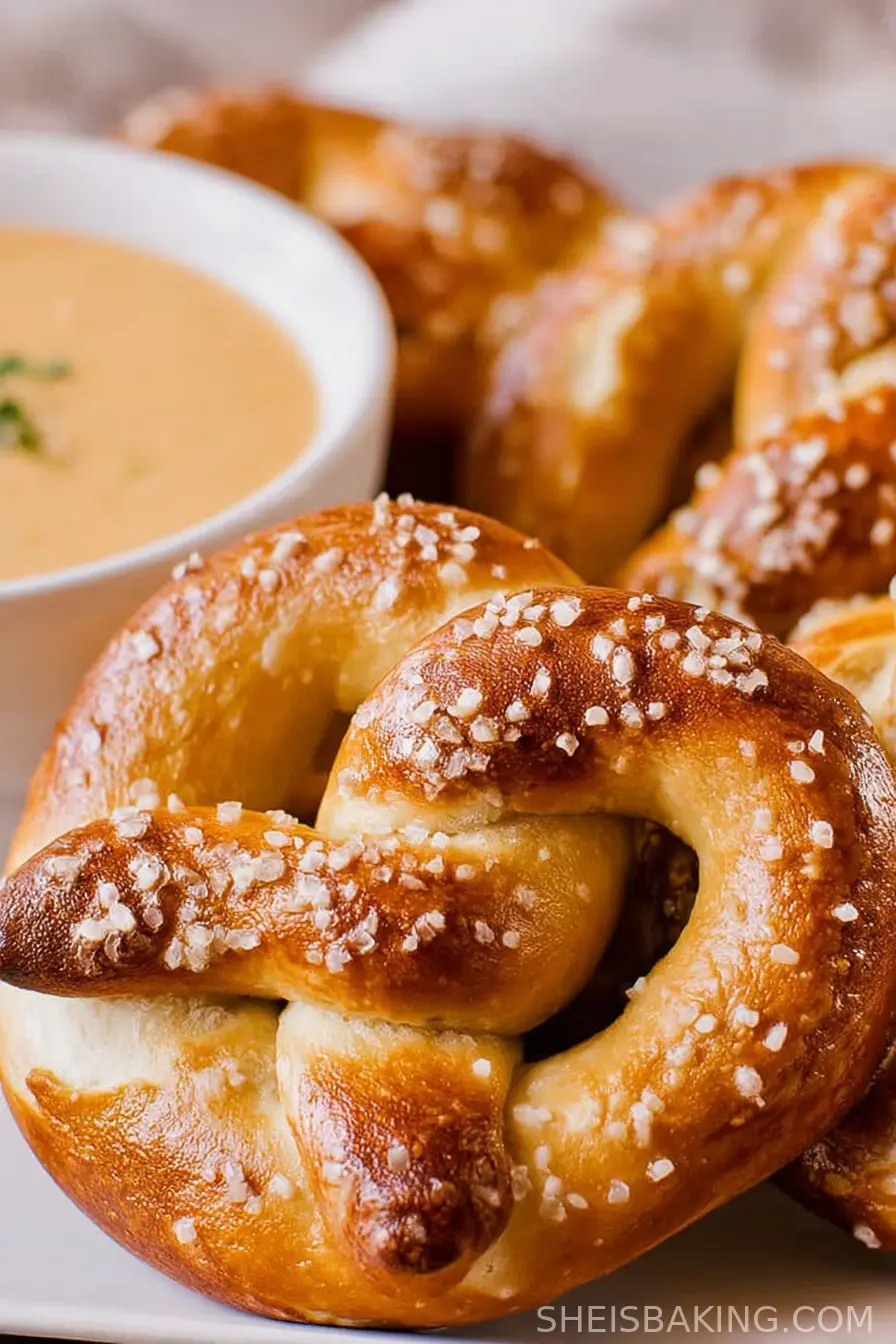
Soft sourdough pretzels pair beautifully with a range of beverages. For a classic combination, enjoy them alongside a cold German-style wheat beer, such as hefeweizen or dunkelweizen, which complements the tangy notes with subtle sweetness and spice.
If you prefer non-alcoholic options, try a fresh apple cider or a tangy lemonade for a refreshing contrast. For those who enjoy wine, a glass of Riesling with its balanced acidity and slight fruitiness can be an excellent match, enhancing the pretzel's flavors without overpowering them.
Herbal teas, like peppermint or chamomile, make a soothing accompaniment for a light snack or late-night treat.
Cooking Tips and Variations
When making soft sourdough pretzels, always ensure your starter is vibrant and active. If your starter fails to double in volume within 6-12 hours after feeding, give it additional time to ferment.
The texture of your dough is key-a stiff dough yields chewier pretzels, while a slightly softer dough results in a lighter crumb. If kneading by hand, be patient and use the heel of your hand to develop the gluten until the dough is smooth.
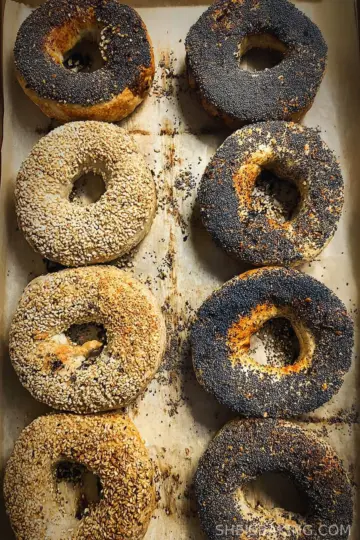
For a slightly crispier crust, add a few more seconds to the baking soda bath, but avoid exceeding one minute per pretzel to prevent bitterness. Vary the flavors by trying different toppings such as sesame seeds, poppy seeds, or a sprinkle of grated cheese before baking.
Sweet versions can be created by dusting the baked pretzels with cinnamon sugar. If you prefer a stronger sour flavor, extend the fermentation by a few extra hours, keeping an eye on dough rise so it doesn't overproof.
Store leftovers in a paper bag at room temperature to maintain their crust, or freeze for up to one month. To reheat, simply place in a warm oven for a few minutes to revive their perfect texture.

Serving Suggestions
Serve soft sourdough pretzels warm and fresh from the oven to best enjoy their chewy exterior and tender interior. Arrange them on a rustic wooden board with a selection of dips such as whole-grain mustard, creamy cheese sauce, or tangy honey mustard for an inviting appetizer at parties or gatherings.
These pretzels are also excellent alongside a hearty soup, like beer cheese soup or classic tomato, creating a comforting and filling meal. For a school lunchbox or afternoon snack, split a pretzel, spread with nut butter or cream cheese, and enjoy a satisfying twist.
To elevate the culinary experience, consider serving sweet versions topped with cinnamon sugar and paired with vanilla bean whipped cream. Soft sourdough pretzels adapt to both savory and sweet occasions, making them a versatile addition to any table.
Present them with a sprinkle of fresh herbs or gourmet salt for a bakery-quality finish. If entertaining, arrange a pretzel platter with various dips and garnishes, inviting everyone to customize their snack.
Health Benefits
Soft sourdough pretzels offer several thoughtful health benefits when made from scratch. The long fermentation process with sourdough starter helps break down gluten and phytic acid, potentially improving digestibility compared to regular yeasted breads.
Naturally leavened breads like these may help support gut health due to the presence of beneficial lactic acid bacteria developed during fermentation. The minimal use of added sugar (or honey) keeps the pretzels from being overly sweet, allowing you to control your overall sugar intake.
With each pretzel providing steady carbohydrates for quick energy, they're a wholesome snack for active families or pre-workout fuel. The reduced reliance on commercial yeast might also suit those with yeast sensitivities.
Making these pretzels at home means you can adjust the salt to taste or dietary needs, and avoid preservatives found in store-bought versions. Ultimately, when enjoyed as part of a balanced diet, soft sourdough pretzels can be a nourishing, feel-good treat.
Frequently Asked Questions
Yes, you can substitute up to half of the bread flour with whole wheat flour for a nutty flavor and extra fiber. Be aware that whole wheat absorbs more moisture, so add water as needed for a supple dough.
Store cooled pretzels in a paper bag at room temperature for 1-2 days for the best texture. For longer storage, freeze them tightly wrapped. Reheat in a warm oven to restore their softness.
Dense pretzels often result from under-proofed dough or inactive starter. Make sure your sourdough starter is bubbly and your dough has had sufficient time to rise and become puffy before shaping and baking.
Yes, the baking soda bath is essential. It creates the signature dark crust, chewy texture, and distinct pretzel flavor that separate pretzels from regular bread rolls.
Absolutely. After kneading, refrigerate the dough for up to 24 hours to slow fermentation. Bring to room temperature before shaping and proceeding with the recipe.
Making soft sourdough pretzels at home is a rewarding kitchen adventure, combining the heritage of sourdough fermentation with the beloved flavor and texture of classic pretzels. With just a handful of wholesome ingredients and a bit of patience, you can produce bakery-quality pretzels that delight with every bite. Whether served at a family gathering, as a party appetizer, or enjoyed as a casual snack, these pretzels are sure to impress. Their tangy flavor, supple crumb, and beautiful golden crust make them irresistible for all occasions. Try this recipe, explore variations to suit your palate, and savor the comfort of warm, homemade soft sourdough pretzels any time.
Ingredients
- Ingredients to make ½ cup (100 g) of Active Sourdough Starter:
- 1 tablespoon (15 g) sourdough starter
- ⅓ cup + 1 tablespoon (50 g) all-purpose flour
- 3 ½ tablespoons (50 g) water
- Sourdough Pretzel Dough:
- ½ cup (100 g) active sourdough starter
- 1 cup plus 1 tablespoon (255 g) water
- 2 tablespoons (40 g) honey (or sugar)
- 2 teaspoons (10 g) fine sea salt
- 4 cups + 2 tablespoons (500 g) bread flour
- Water Bath:
- 6 cups water
- 2 tablespoons baking soda
- 1 tablespoon dark brown sugar
- Egg Wash:
- 1 large egg (lightly beaten in a small bowl)
- 1 tablespoon coarse salt
Instructions
-
1Twelve hours in advance, prepare your active sourdough starter by combining 1 tablespoon (15 g) sourdough starter, ⅓ cup plus 1 tablespoon (50 g) all-purpose flour, and 3 ½ tablespoons (50 g) water in a clean glass jar. Stir well to create a smooth mixture, loosely cover the jar, and let it rest at room temperature. The starter is ready for use when it has approximately doubled in volume and bubbles are visible on the surface and along the sides. This step ensures you have an active, bubbly starter to leaven your pretzel dough.
-
2To prepare the pretzel dough, place ½ cup (100 g) active sourdough starter, 1 cup plus 1 tablespoon (255 g) water, 2 tablespoons (40 g) honey or sugar, and 2 teaspoons (10 g) fine sea salt into the bowl of your stand mixer. Stir gently with a spatula to dissolve the ingredients. Add 4 cups plus 2 tablespoons (500 g) bread flour, and begin mixing the ingredients together by hand until a rough dough forms. The dough will feel stiff-this is normal.
-
3Attach the dough hook to your mixer and knead the dough on the lowest speed for 6 to 7 minutes. If kneading by hand, work the dough on a clean surface for about 10 minutes until smooth and elastic. Once kneaded, cover the bowl with a clean towel or plastic wrap and allow the dough to ferment at room temperature for 8 to 12 hours. During this time, the dough should rise and develop deep flavor thanks to the sourdough.
-
4After fermentation, prepare a large baking sheet by lining it with parchment paper. Transfer the dough onto a lightly floured work surface and divide it evenly into 16 pieces. This ensures uniformly sized pretzels for even baking.
-
5Roll each portion into a long rope about 16 to 18 inches in length. Shape each rope into a "U," then twist the ends over each other twice and fold the twisted ends back down to the bottom of the "U" to form the traditional pretzel shape. Press the ends gently into place. As each pretzel is shaped, lay it on the prepared baking sheet.
-
6Once all pretzels are shaped, cover them with a clean kitchen towel and let them rise for an additional 30 to 60 minutes at room temperature. The pretzels should appear puffy and slightly risen, which will yield a soft interior after baking.
-
7Preheat your oven to 425°F (218°C), ensuring the center rack is ready for use. For the water bath, fill a large stockpot with 6 cups of water, and bring to a gentle boil. Add 2 tablespoons of baking soda and 1 tablespoon of dark brown sugar, stirring to dissolve. This highly alkaline bath creates that distinctive chewy crust and deep brown color.
-
8Using a slotted spoon or mesh strainer, gently lower 3 to 4 pretzels at a time into the simmering water bath. Let each pretzel bathe on one side for 30 seconds, then carefully flip and cook for another 30 seconds. Avoid crowding the pot. The baking soda bath sets the crust and adds flavor.
-
9Remove the boiled pretzels with a slotted spoon and return them to the lined baking sheet. Brush each pretzel generously with a light egg wash made by beating one large egg. Sprinkle with coarse salt to taste, ensuring the classic pretzel finish.
-
10Place the pretzels into the preheated oven and bake for 12 to 14 minutes, or until they achieve a rich golden-brown hue. Let them cool on a wire rack for a few minutes, then serve warm for the best soft sourdough pretzel experience.
Approximate Information for One Serving
Nutrition Disclaimers
Number of total servings shown is approximate. Actual number of servings will depend on your preferred portion sizes.
Nutritional values shown are general guidelines and reflect information for 1 serving using the ingredients listed, not including any optional ingredients. Actual macros may vary slightly depending on specific brands and types of ingredients used.
To determine the weight of one serving, prepare the recipe as instructed. Weigh the finished recipe, then divide the weight of the finished recipe (not including the weight of the container the food is in) by the desired number of servings. Result will be the weight of one serving.
Did you make this recipe?
Please consider Pinning it!
Leave a Reply