
The Vanilla Swiss Roll Cake stands as a timeless dessert cherished for its feather-light sponge and luxurious whipped cream filling. Originating in Central Europe and made popular under various names worldwide, this rolled sponge cake is especially famous for its soft texture and elegant appearance.
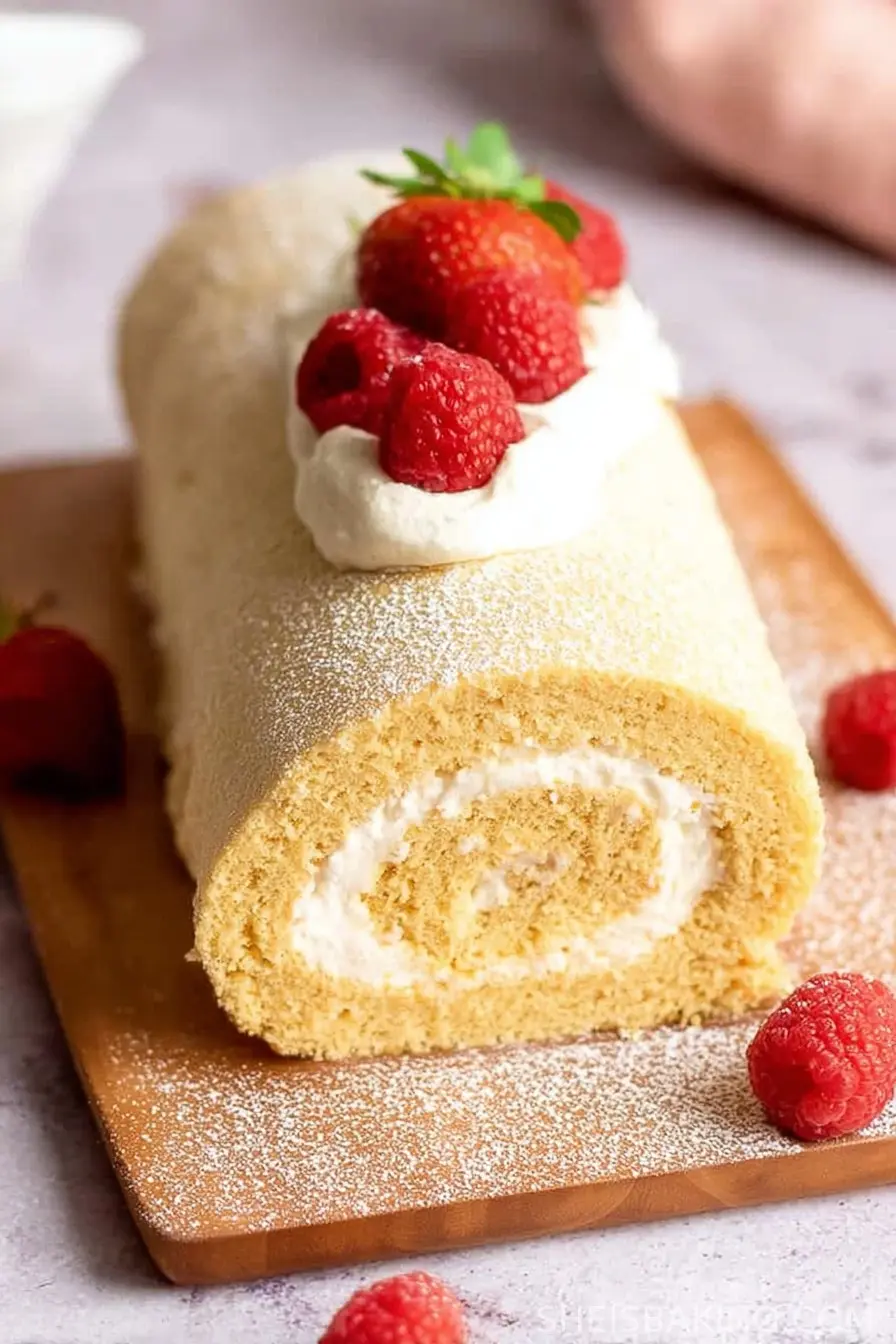
Over the decades, the Swiss Roll has graced the tables of family gatherings, afternoon teas, and grand celebrations alike. While variations abound-from chocolate to fruit-filled versions-the classic Vanilla Swiss Roll Cake remains a beloved favorite for its delicate aroma and balanced sweetness.
Its appeal lies not just in taste, but also in the simple, satisfying process of transforming a few pantry staples into an eye-catching centerpiece. Whether you're a novice baker or an experienced patissier, perfecting a Vanilla Swiss Roll Cake offers both a rewarding challenge and a delicious treat.
This recipe ensures a perfectly rolled, pillowy-soft sponge, infused with fragrant vanilla and filled with sumptuous whipped cream.
Suitable for birthdays, coffee breaks, or any occasion that calls for a touch of homemade elegance, our Vanilla Swiss Roll Cake promises to be a show-stopping dessert that impresses both young and old.
Read on to uncover the best techniques, pro tips, and expert insights for crafting this irresistible classic in your own kitchen.
Ingredients
- ½ cup (60 grams) confectioners' sugar (for dusting)
- 4 large eggs
- 10 tablespoons (125 grams) white sugar
- 1 teaspoon vanilla (or vanilla bean paste)
- ¼ teaspoon salt
- 1 cup (130 grams) all purpose flour
- 1 cup (235 grams) heavy cream
- ¼ cup (30 grams) confectioners' sugar
- 1 teaspoon vanilla (or vanilla bean paste)
Instructions
- Begin by preheating your oven to 350°F (175°C). Prepare a 10x15 inch jelly roll pan by lining it with parchment paper, making sure to leave about a 1-inch overhang on the longer sides to help lift the cake out later. Lightly grease both beneath the parchment and the top of the lining with nonstick baking spray. Set aside a clean, lint-free cotton dish towel and a sieve filled with confectioners' sugar, so everything is ready for rolling as soon as the cake is baked. This setup is essential because the cake needs to be rolled while it's still hot to avoid cracking.
- In the bowl of a stand mixer fitted with a whisk attachment, combine the eggs, granulated white sugar, and vanilla. Whip the mixture on high speed for approximately 5 minutes, or until it becomes pale, markedly increased in volume, and forms ribbons when the whisk is lifted. Sprinkle in the salt and mix briefly to blend evenly.
- Rest a fine-mesh sieve over the whipped egg mixture and sift in the all-purpose flour in three increments. After each addition, gently fold the flour into the batter using a spatula, working slowly and carefully to preserve the airy structure. Take additional care with the final folds, using broad, sweeping motions to avoid deflating the batter while ensuring all the flour is incorporated into a smooth mixture.
- Pour the completed batter into your prepped pan, using an offset spatula to spread it evenly into the corners for a level bake. Place the pan in the preheated oven and bake the sponge for 13 to 15 minutes, or until the surface feels springy to the touch and a toothpick inserted at the center comes out clean.
- As soon as the cake is baked, generously dust the entire surface of the hot cake with confectioners' sugar. Carefully drape the prepared dish towel over the cake, then invert the cake-pan and all-onto a large cutting board. Gently peel off the parchment paper and sprinkle more confectioners' sugar onto the exposed cake surface. Working quickly but gently, roll the cake up tightly with the towel inside, starting from the short end. Set the rolled cake aside seam side down and allow it to cool completely, rolling it for exactly 40 minutes; this will help the sponge retain its shape and flexibility when filled later.
- While the rolled cake is cooling, prepare the whipped cream filling. In a clean stand mixer bowl, pour in the heavy cream, remaining confectioners' sugar, and vanilla. Whip the ingredients on medium-high speed until stiff peaks form-meaning the cream stands up firmly when the whisk is lifted. This rich, sturdy whipped cream will be perfect for spreading.
- When the cake has cooled, carefully unroll it, taking care not to tear or crack the sponge. Using an offset spatula, gently spread the whipped cream filling evenly across the entire surface of the sponge, leaving a small border uncovered around the edges to prevent the filling from squeezing out while rolling.
- Re-roll the cake gently but firmly, this time without the towel. Place the filled cake seam side down and wrap it loosely in plastic wrap. Transfer the rolled cake to the refrigerator for at least 1 hour, or overnight if time allows, to help the filling set and the flavors meld.
- Once the Vanilla Swiss Roll Cake has chilled and set, slice it crosswise into even portions using a serrated knife. Serve the slices as they are, or elevate each serving with fresh berries, a dusting of extra confectioners' sugar, or a drizzle of fruit coulis, as desired.
Nutritional Information
A typical serving of Vanilla Swiss Roll Cake (assuming the cake is divided into 10 servings) provides a balance of carbohydrates, protein, and fat. Each slice contains approximately 230-270 calories, driven primarily by the sugar and whipped cream in the filling.
The eggs provide a valuable source of high-quality protein, essential for muscle repair and growth, while the heavy cream contributes healthy fats and fat-soluble vitamins A and D. All-purpose flour serves as the main carbohydrate source, offering energy, though it is refined.
While the cake is not low in sugar or fat, it can be enjoyed sensibly as part of a well-balanced diet. The vanilla not only adds flavor but also contains antioxidants, and dusting with confectioners' sugar is mostly for appearance and a touch of sweetness.
Those monitoring their calorie intake or sugar consumption can enjoy a smaller portion or pair the cake with fresh fruit to add fiber and micronutrients. Overall, this dessert is meant to be a worthy, occasional indulgence-a treat to savor at special moments.

Wine and Beverage Pairings
The Vanilla Swiss Roll Cake pairs exquisitely with a range of beverages. Classic choices include unsweetened black tea or fragrant Earl Grey, whose subtle tannins and citrus undertones balance the cake's sweet creaminess. Coffee, whether served as espresso or cappuccino, provides a robust contrast to the delicate flavors.
For celebratory occasions, try a glass of demi-sec Champagne or a lightly chilled Moscato d'Asti, both of which complement the cake's airy texture and vanilla notes.
Non-alcoholic options such as a vanilla-infused steamed milk or iced green tea can also enhance the taste experience, making this dessert suitable for all ages and occasions.
Cooking Tips and Variations
To achieve a perfectly rolled Vanilla Swiss Roll Cake, there are a few expert tips to follow.
First, always beat the eggs and sugar mixture until the batter is extremely pale and voluminous; this step introduces vital air, which results in a spongy, light cake that is easy to roll without cracking. Using room temperature eggs will significantly improve volume.
When folding the flour into the whipped eggs, use a gentle, sweeping motion to avoid deflating the foam. Make sure to line your pan properly with parchment paper, and do not skip dusting the hot cake with confectioners' sugar before rolling, as this prevents sticking.
If you prefer, add citrus zest or a hint of almond extract to the batter for subtle flavor twists. For those looking to create attractive swirls, consider spreading a thin layer of jam beneath the whipped cream filling, or mixing in diced fresh strawberries or raspberries for a fruity touch.
Be creative with serving-top slices with melted chocolate, or serve with flavored whipped cream for variety. Remember, patience is key; allowing the rolled cake to rest in the refrigerator sets the shape and makes for easier slicing.
Serving Suggestions
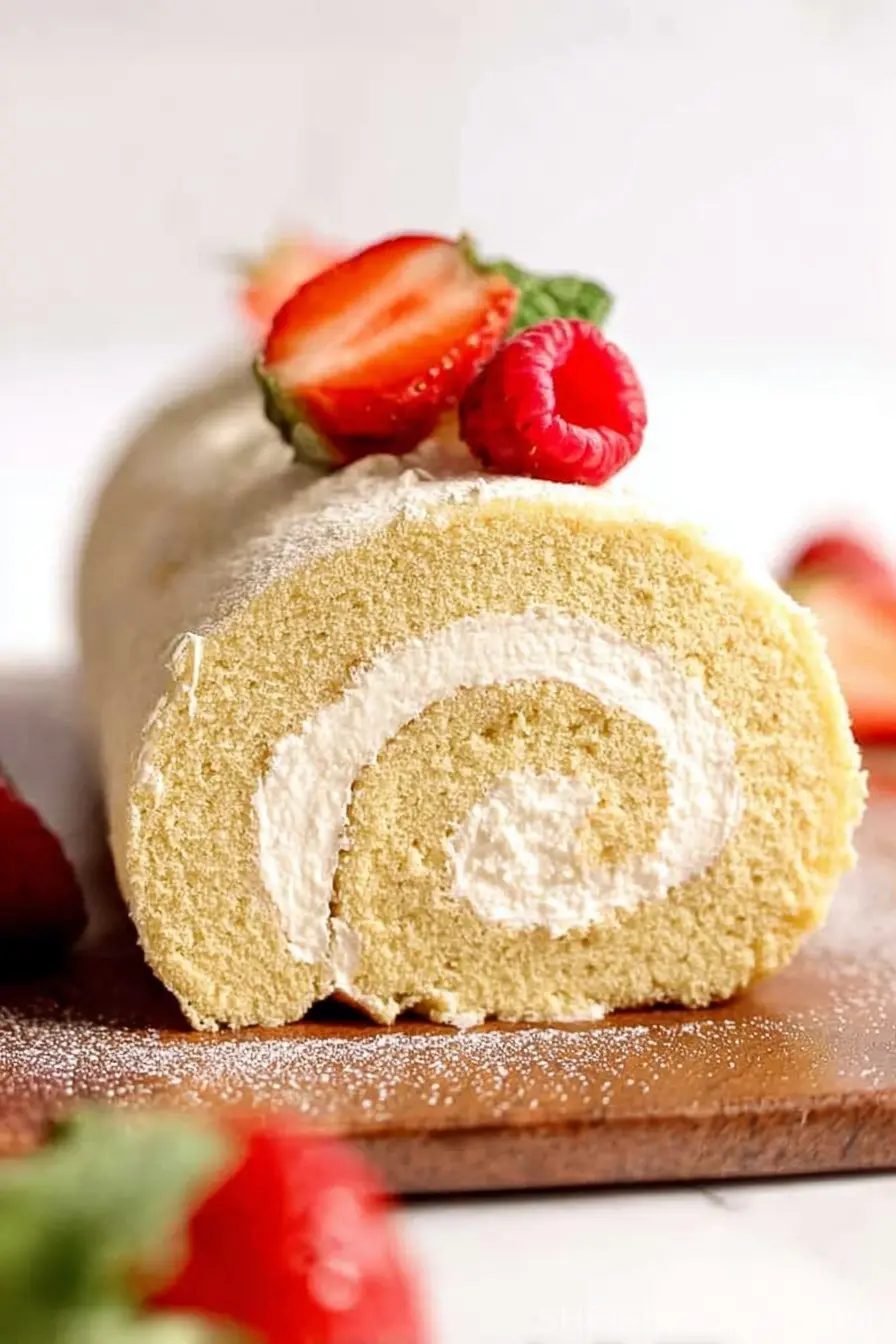
Serving the Vanilla Swiss Roll Cake is all about showcasing its elegant swirls and fluffy texture. Once the cake has been thoroughly chilled, use a sharp, serrated knife to slice even rounds, wiping the blade clean between each cut for a neat presentation.
Arrange the slices artfully on a serving platter, dusting them lightly with extra confectioners' sugar for a delicate, bakery-style effect.
For a festive touch, adorn each piece with a few fresh berries like raspberries or strawberries, which add a pop of color and a slightly tart contrast to the sweet cream.
Additional ideas for serving include topping with a dollop of whipped cream or a drizzle of berry coulis for added richness. If serving at a tea party or afternoon gathering, pair the cake with miniature cookies or tea sandwiches to create a complete dessert spread.
For formal occasions, garnish the serving platter with edible flowers or mint sprigs to heighten visual appeal. The Vanilla Swiss Roll Cake also makes an excellent make-ahead dessert, retaining its moist texture and flavor even when prepared the night before.
Its portability and ease of slicing make it ideal for picnics, potlucks, or packed lunches, ensuring every slice is as beautiful as it is delicious.
Health Benefits
While the Vanilla Swiss Roll Cake is undeniably an indulgence, it does offer a handful of nutritive benefits. Eggs in the sponge layer supply complete protein and a range of essential nutrients, including choline, vitamins B12, and D.
The dairy-rich whipped cream provides calcium and vitamin A, which are important for bone and vision health. This cake is inherently free from hydrogenated oils and artificial preservatives, making it a cleaner choice compared to store-bought versions.
Additionally, moderate consumption of treats like the Vanilla Swiss Roll Cake plays a positive role in maintaining emotional well-being and fostering celebration. For those concerned with dietary restrictions, the recipe can be enjoyed in moderation as part of a balanced approach to sweets.
Complement slices with fresh fruit for added fiber and micronutrients. As always, those with allergies or special dietary needs (such as lactose intolerance or gluten sensitivity) should seek suitable substitutions if necessary, though this classic recipe offers an authentic and enjoyable experience for most.
Frequently Asked Questions
Cracking usually occurs when the cake is not rolled immediately after baking, as it cools and becomes less flexible. Rolling the sponge while still hot and moist, with the help of a sugared towel, prevents breaking. Also, avoid overbaking, as this may dry out the cake and increase the risk of cracks.
Yes, the Vanilla Swiss Roll Cake can be made a day in advance. In fact, chilling it overnight helps set the filling and allows the flavors to meld beautifully. Store the rolled cake, wrapped in plastic wrap, in the refrigerator until ready to slice and serve.
For a lighter version, you can use whipped coconut cream or a stabilized whipped topping instead of heavy cream. However, this might alter the texture and flavor slightly, so keep expectations realistic if choosing alternatives.
Yes, you can freeze the completed Vanilla Swiss Roll Cake. Tightly wrap the rolled and filled cake in plastic wrap and foil to protect from freezer burn. Thaw overnight in the fridge before slicing and serving for best results.
To achieve a smooth, crack-free finish, roll the cake quickly after baking while it's still warm and pliable, and use a clean towel both as support and to absorb excess moisture. Don't rush the cooling time; letting the rolled cake rest for the specified 40 minutes ensures it holds its shape.
The Vanilla Swiss Roll Cake is more than just a nostalgic dessert-it's a testament to the beauty of simple baking techniques honed with care and patience. From its tender, airy sponge to the rich vanilla cream filling, every element of this cake marries elegance with comfort. Whether served at an upscale gathering or enjoyed as a casual treat with afternoon tea, this classic recipe is sure to invite admiration and requests for seconds. With thoughtful preparation and mindful rolling, your finished cake will not only taste exquisite but also present beautifully, making each occasion a memorable one. Give yourself the joy of baking from the heart and relish the light, creamy bliss of the perfect Vanilla Swiss Roll Cake.
Ingredients
- ½ cup (60 grams) confectioners' sugar (for dusting)
- 4 large eggs
- 10 tablespoons (125 grams) white sugar
- 1 teaspoon vanilla (or vanilla bean paste)
- ¼ teaspoon salt
- 1 cup (130 grams) all purpose flour
- 1 cup (235 grams) heavy cream
- ¼ cup (30 grams) confectioners' sugar
- 1 teaspoon vanilla (or vanilla bean paste)
Instructions
-
1Begin by preheating your oven to 350°F (175°C). Prepare a 10x15 inch jelly roll pan by lining it with parchment paper, making sure to leave about a 1-inch overhang on the longer sides to help lift the cake out later. Lightly grease both beneath the parchment and the top of the lining with nonstick baking spray. Set aside a clean, lint-free cotton dish towel and a sieve filled with confectioners' sugar, so everything is ready for rolling as soon as the cake is baked. This setup is essential because the cake needs to be rolled while it's still hot to avoid cracking.
-
2In the bowl of a stand mixer fitted with a whisk attachment, combine the eggs, granulated white sugar, and vanilla. Whip the mixture on high speed for approximately 5 minutes, or until it becomes pale, markedly increased in volume, and forms ribbons when the whisk is lifted. Sprinkle in the salt and mix briefly to blend evenly.
-
3Rest a fine-mesh sieve over the whipped egg mixture and sift in the all-purpose flour in three increments. After each addition, gently fold the flour into the batter using a spatula, working slowly and carefully to preserve the airy structure. Take additional care with the final folds, using broad, sweeping motions to avoid deflating the batter while ensuring all the flour is incorporated into a smooth mixture.
-
4Pour the completed batter into your prepped pan, using an offset spatula to spread it evenly into the corners for a level bake. Place the pan in the preheated oven and bake the sponge for 13 to 15 minutes, or until the surface feels springy to the touch and a toothpick inserted at the center comes out clean.
-
5As soon as the cake is baked, generously dust the entire surface of the hot cake with confectioners' sugar. Carefully drape the prepared dish towel over the cake, then invert the cake-pan and all-onto a large cutting board. Gently peel off the parchment paper and sprinkle more confectioners' sugar onto the exposed cake surface. Working quickly but gently, roll the cake up tightly with the towel inside, starting from the short end. Set the rolled cake aside seam side down and allow it to cool completely, rolling it for exactly 40 minutes; this will help the sponge retain its shape and flexibility when filled later.
-
6While the rolled cake is cooling, prepare the whipped cream filling. In a clean stand mixer bowl, pour in the heavy cream, remaining confectioners' sugar, and vanilla. Whip the ingredients on medium-high speed until stiff peaks form-meaning the cream stands up firmly when the whisk is lifted. This rich, sturdy whipped cream will be perfect for spreading.
-
7When the cake has cooled, carefully unroll it, taking care not to tear or crack the sponge. Using an offset spatula, gently spread the whipped cream filling evenly across the entire surface of the sponge, leaving a small border uncovered around the edges to prevent the filling from squeezing out while rolling.
-
8Re-roll the cake gently but firmly, this time without the towel. Place the filled cake seam side down and wrap it loosely in plastic wrap. Transfer the rolled cake to the refrigerator for at least 1 hour, or overnight if time allows, to help the filling set and the flavors meld.
-
9Once the Vanilla Swiss Roll Cake has chilled and set, slice it crosswise into even portions using a serrated knife. Serve the slices as they are, or elevate each serving with fresh berries, a dusting of extra confectioners' sugar, or a drizzle of fruit coulis, as desired.
Approximate Information for One Serving
Nutrition Disclaimers
Number of total servings shown is approximate. Actual number of servings will depend on your preferred portion sizes.
Nutritional values shown are general guidelines and reflect information for 1 serving using the ingredients listed, not including any optional ingredients. Actual macros may vary slightly depending on specific brands and types of ingredients used.
To determine the weight of one serving, prepare the recipe as instructed. Weigh the finished recipe, then divide the weight of the finished recipe (not including the weight of the container the food is in) by the desired number of servings. Result will be the weight of one serving.
Did you make this recipe?
Please consider Pinning it!

Leave a Reply