
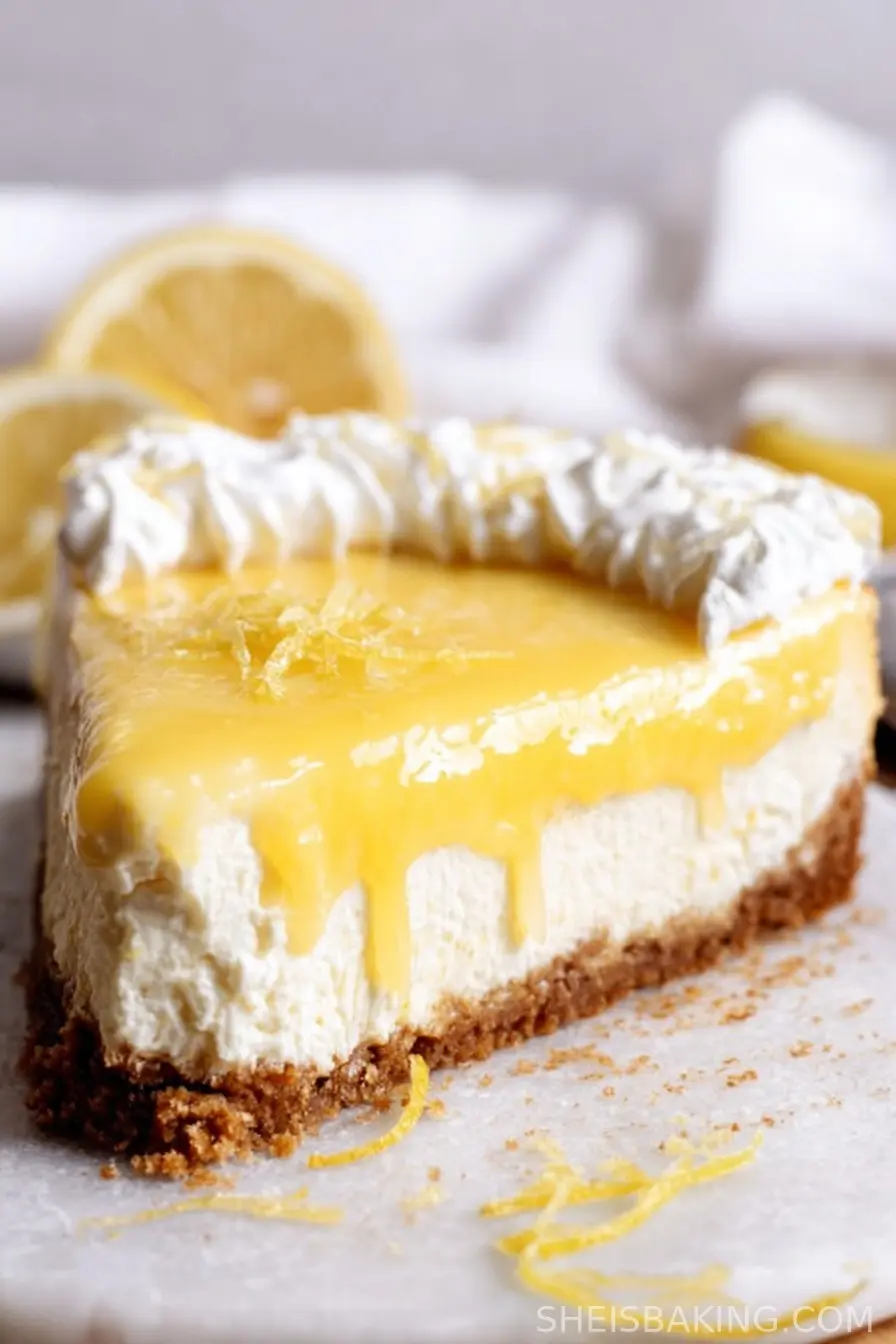
Lemon Curd Cheesecake is the perfect marriage of creamy richness and vibrant citrusy tang. This delicious dessert brings together the silky-smooth texture of traditional cheesecake with the bright, refreshing flavor of homemade lemon curd, resulting in a show-stopping treat that appeals to cheesecake lovers and citrus enthusiasts alike.
The art of baking cheesecake dates back centuries, with ancient Greeks believed to have served early versions to Olympic athletes. With time, the basic cheesecake formula evolved as it made its way through Rome and into the modern world.
Today, there are countless cheesecake variations, but Lemon Curd Cheesecake stands out with its delicate balance of sweet and tart. The silky baked cheesecake layer, made with cream cheese, eggs, and sugar, is perfectly complemented by a topping of glossy, homemade lemon curd.
Not only does this dessert brighten any table with its sunshiny color, but its decadence also offers a satisfying indulgence for birthdays, holidays, or any occasion that deserves a special dessert.
Whether you're a seasoned baker or trying your hand at cheesecake for the first time, this recipe will guide you step by step. Prepare for rave reviews as you slice into this Lemon Curd Cheesecake - a true celebration of flavor and texture that is simply irresistible.
Ingredients
- 200g graham crackers (or digestive biscuits), crushed
- 80g unsalted butter, melted
- 500g cream cheese, softened
- 150g granulated sugar
- 3 large eggs
- 180ml sour cream
- 1 tablespoon lemon zest
- 2 teaspoons vanilla extract
- Pinch of salt
- For the lemon curd:
- 100ml freshly squeezed lemon juice (about 2 lemons)
- 2 teaspoons lemon zest
- 100g granulated sugar
- 3 large egg yolks
- 60g unsalted butter, cut into cubes
Instructions
- Prepare the crust by combining crushed graham crackers and melted butter in a bowl. Mix until crumbs are evenly coated.
- Press the mixture firmly into the bottom of a 9-inch (23cm) springform pan, creating an even layer. Chill in the refrigerator while you prepare the filling.
- Preheat the oven to 160°C (325°F). Position a rack in the center.
- In a large mixing bowl, beat cream cheese until smooth and creamy. Add sugar and mix until fully incorporated.
- Add eggs one at a time, mixing just until combined after each addition. Avoid over-mixing to prevent cracks.
- Fold in sour cream, lemon zest, vanilla extract, and a pinch of salt. Mix until smooth and uniform.
- Pour the cheesecake filling over the prepared crust. Smooth the top with a spatula.
- Bake for 50-60 minutes, or until the edges are set and the center has a slight wobble. Do not overbake.
- Once baked, turn off the oven and let the cheesecake sit inside with the door ajar for 1 hour to cool gradually.
- Remove from the oven and chill in the refrigerator for at least 4 hours, preferably overnight.
- Prepare the lemon curd: In a heatproof bowl, whisk together lemon juice, lemon zest, sugar, and egg yolks.
- Place the bowl over a saucepan of gently simmering water (double boiler method), whisking constantly until the mixture thickens, about 8-10 minutes.
- Remove from heat and whisk in the butter until completely melted and smooth.
- Pour the lemon curd into a bowl, cover with cling film touching the surface, and refrigerate until cooled and set.
- Once the cheesecake has chilled, carefully release it from the springform pan.
- Spread the cooled lemon curd evenly over the top of the cheesecake.
- Return the cheesecake to the refrigerator for at least 30 minutes before serving to allow the curd to set.
- Slice with a warm, clean knife for neat servings. Enjoy your homemade Lemon Curd Cheesecake.
Nutritional Information
Lemon Curd Cheesecake is an indulgent dessert, but when enjoyed in moderation, it can fit into a balanced diet. Each slice (based on a 12-slice yield) contains approximately 340 to 380 calories, with 23g total fat, 12g saturated fat, 33g carbohydrates, 22g sugar, and 6g protein.
The prominent ingredient, cream cheese, is a source of protein and calcium, which supports strong bones and muscle health. The zesty lemon curd provides a small dose of vitamin C and natural antioxidants, which can contribute to your daily nutrient needs.
However, the sugar and fat content are significant, making this cheesecake best served as an occasional treat. For those monitoring their dietary intake, you can modify the recipe with low-fat cream cheese or a sugar substitute, though this may alter the texture and taste slightly.
Individuals with dietary restrictions, such as dairy or egg allergies, should seek appropriate substitutions. Overall, the Lemon Curd Cheesecake balances flavor with moderate nutritional value, especially when paired with lighter meals or shared among friends and family to control portion size.
Always consider your nutritional needs and adapt recipes to suit your health goals for a more mindful dessert experience.
Wine and Beverage Pairings
A well-chosen beverage can amplify the tartness and creamy luxury of Lemon Curd Cheesecake. Classic pairing options include a crisp glass of chilled Prosecco, whose effervescence harmonizes with the dessert's citrus zing. Moscato d'Asti, a light sweet wine, echoes the lemon's aromatic notes while complementing the rich filling.
For non-alcoholic choices, consider an iced green tea with a slice of lemon or a sparkling citrus soda. These options cleanse the palate with each sip, refreshing your taste buds for the next bite.
If you prefer coffee, choose a lightly roasted blend with bright, fruity undertones to underscore the lemon's nuance without overpowering its delicate balance. Each of these pairings will heighten your Lemon Curd Cheesecake experience, making dessert time even more memorable.
Cooking Tips and Variations
To achieve the creamiest Lemon Curd Cheesecake, always start with room temperature ingredients-especially the cream cheese and eggs. This ensures the filling mixes smoothly without lumps, resulting in an ultra-silky texture. For the crust, firmly pressing the crumb mixture into the pan prevents it from crumbling apart during slicing.
If you prefer a gluten-free option, substitute graham crackers with gluten-free biscuits. When baking, avoid over-mixing the batter, as this can incorporate too much air and lead to cracks.
Baking the cheesecake in a water bath (placing the springform pan inside a larger pan filled with hot water) can further prevent cracks and create an incredible, moist texture.
Should you want a twist, flavor the crust with a pinch of ground ginger or swap vanilla extract for almond extract in the filling. For a lighter dessert, use low-fat cream cheese and Greek yogurt instead of sour cream.
The lemon curd can be adapted by using a little orange or lime zest for a citrus medley. Decorate the finished cheesecake with fresh berries, candied lemon slices, or a dusting of powdered sugar for elegance.
If making ahead, assemble up to two days before serving, storing the lemon curd and cheesecake separately, and combining just before serving for optimal freshness.

Serving Suggestions
For an unforgettable presentation, serve Lemon Curd Cheesecake on a cake stand or a decorative platter. Ensure each slice reveals the decadent layers: crumbly, buttery crust, creamy cheesecake, and shiny lemon curd topping.
Before slicing, dip a sharp knife in hot water and wipe clean between cuts to achieve smooth, professional-looking slices. This dessert shines on spring or summer dessert tables, especially when garnished with finely grated lemon zest, delicate edible flowers, or fresh seasonal berries like raspberries or blueberries.
Lemon Curd Cheesecake pairs wonderfully with a light fruit salad or whipped cream for added opulence. For dinner parties or holiday gatherings, offer a variety of cheesecakes-classic, chocolate, and this zesty lemon version-for a vibrant dessert buffet.
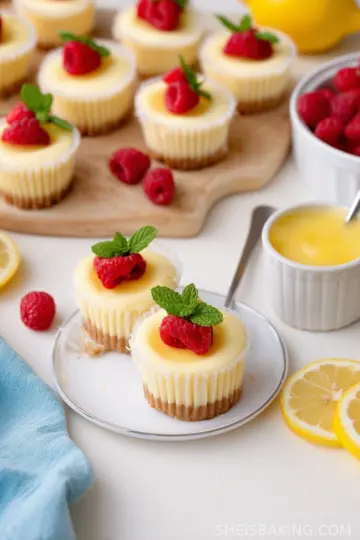
If serving outdoors, keep the cheesecake chilled until moments before slicing to preserve its texture. For smaller gatherings, individual mini Lemon Curd Cheesecakes (using muffin tins) make for charming, petite servings.
This dessert can be enjoyed as a sweet finale to a hearty meal, a dazzling birthday cake alternative, or a make-ahead treat for afternoon tea. However you serve it, expect your Lemon Curd Cheesecake to be the star of the spread.
Health Benefits
Lemon Curd Cheesecake, when consumed as part of a varied diet, offers a few nutritional positives amidst its indulgence. Cream cheese provides calcium, vital for bone strength, while eggs contribute high-quality protein and essential B-vitamins.
Fresh lemon juice and zest supply vitamin C, supporting immune system health and providing antioxidant benefits for overall wellness. Although this cheesecake's high saturated fat and sugar content means it should be an occasional treat, its dense flavor makes small portions satisfying, helping to curb overindulgence.
For those seeking lower-calorie desserts, opt for reduced-fat dairy options and natural sweeteners. Additionally, the citrus content may have digestive benefits, gently stimulating the palate and aiding in the absorption of certain nutrients due to the pairing of vitamin C with dairy-based minerals.
Individuals with lactose intolerance or food sensitivities should use suitable ingredient substitutions. Ultimately, Lemon Curd Cheesecake can be part of a happy, healthy lifestyle when savored in reasonable portions and balanced with nutritious meals throughout the day.
Frequently Asked Questions
Yes, both the cheesecake and lemon curd can be prepared up to two days ahead. Store them separately in the refrigerator and assemble just before serving to keep the curd fresh and vibrant.
Use room temperature ingredients, avoid over-mixing, and bake the cheesecake gently in a water bath. Let it cool gradually inside the oven before refrigeration to minimize cracking.
Absolutely. Freeze the cheesecake (without the lemon curd topping) well-wrapped for up to two months. Thaw overnight in the fridge, then spread the chilled lemon curd before serving.
Yes. Replace regular graham crackers or biscuits with gluten-free alternatives for a gluten-free crust. Ensure all other ingredients used are certified gluten-free.
For a lighter version, substitute half or all of the cream cheese with low-fat cream cheese, ricotta, or thick Greek yogurt. Note that this may change the texture and taste slightly.
Lemon Curd Cheesecake is the ultimate dessert for those seeking a harmonious balance of creamy decadence and tangy brightness. Its origins are rooted in beloved cheesecake traditions, elevated here with the addition of fresh, homemade lemon curd. Versatile for any occasion, this dessert will draw admiration, whether presented at a festive gathering, intimate dinner, or as a personal baking triumph. With thoughtful approach to ingredients and preparation, mastering this recipe will surely add to your repertoire of crowd-pleasing treats. Take pride in each luscious, zesty slice and enjoy sharing the joy of Lemon Curd Cheesecake with those you love.
Ingredients
- 200g graham crackers (or digestive biscuits), crushed
- 80g unsalted butter, melted
- 500g cream cheese, softened
- 150g granulated sugar
- 3 large eggs
- 180ml sour cream
- 1 tablespoon lemon zest
- 2 teaspoons vanilla extract
- Pinch of salt
- For the lemon curd:
- 100ml freshly squeezed lemon juice (about 2 lemons)
- 2 teaspoons lemon zest
- 100g granulated sugar
- 3 large egg yolks
- 60g unsalted butter, cut into cubes
Instructions
-
1Prepare the crust by combining crushed graham crackers and melted butter in a bowl. Mix until crumbs are evenly coated.
-
2Press the mixture firmly into the bottom of a 9-inch (23cm) springform pan, creating an even layer. Chill in the refrigerator while you prepare the filling.
-
3Preheat the oven to 160°C (325°F). Position a rack in the center.
-
4In a large mixing bowl, beat cream cheese until smooth and creamy. Add sugar and mix until fully incorporated.
-
5Add eggs one at a time, mixing just until combined after each addition. Avoid over-mixing to prevent cracks.
-
6Fold in sour cream, lemon zest, vanilla extract, and a pinch of salt. Mix until smooth and uniform.
-
7Pour the cheesecake filling over the prepared crust. Smooth the top with a spatula.
-
8Bake for 50-60 minutes, or until the edges are set and the center has a slight wobble. Do not overbake.
-
9Once baked, turn off the oven and let the cheesecake sit inside with the door ajar for 1 hour to cool gradually.
-
10Remove from the oven and chill in the refrigerator for at least 4 hours, preferably overnight.
-
11Prepare the lemon curd: In a heatproof bowl, whisk together lemon juice, lemon zest, sugar, and egg yolks.
-
12Place the bowl over a saucepan of gently simmering water (double boiler method), whisking constantly until the mixture thickens, about 8-10 minutes.
-
13Remove from heat and whisk in the butter until completely melted and smooth.
-
14Pour the lemon curd into a bowl, cover with cling film touching the surface, and refrigerate until cooled and set.
-
15Once the cheesecake has chilled, carefully release it from the springform pan.
-
16Spread the cooled lemon curd evenly over the top of the cheesecake.
-
17Return the cheesecake to the refrigerator for at least 30 minutes before serving to allow the curd to set.
-
18Slice with a warm, clean knife for neat servings. Enjoy your homemade Lemon Curd Cheesecake.
Approximate Information for One Serving
Nutrition Disclaimers
Number of total servings shown is approximate. Actual number of servings will depend on your preferred portion sizes.
Nutritional values shown are general guidelines and reflect information for 1 serving using the ingredients listed, not including any optional ingredients. Actual macros may vary slightly depending on specific brands and types of ingredients used.
To determine the weight of one serving, prepare the recipe as instructed. Weigh the finished recipe, then divide the weight of the finished recipe (not including the weight of the container the food is in) by the desired number of servings. Result will be the weight of one serving.
Did you make this recipe?
Please consider Pinning it!
Leave a Reply