
Shortbread cookies have been beloved for centuries, gracing the tables of many during festive holidays and cherished moments. The classic Shortbread cookies Recipe is renowned for its melt-in-your-mouth texture, subtle sweetness, and irresistible buttery aroma.
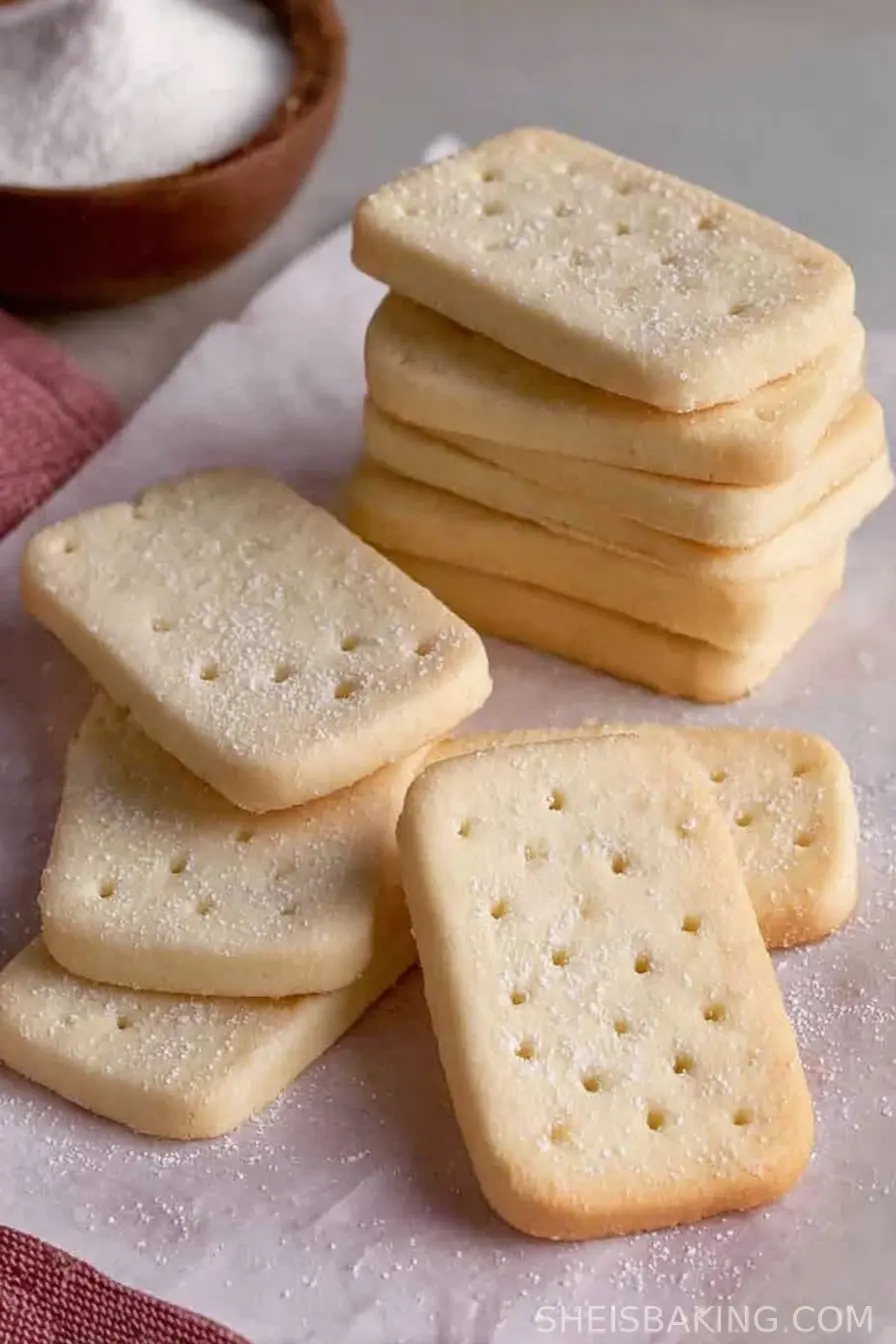
The roots of shortbread trace back to Scotland, where this delicately crumbly treat was often reserved for celebrations such as weddings, Christmas, and Hogmanay (the traditional Scottish New Year).
The name 'shortbread' itself comes from the high proportion of fat (usually butter), which inhibits the formation of gluten and yields that distinctive tender crumb referred to as 'short.' Over generations, the Shortbread cookies Recipe has remained largely unchanged, showcasing the beauty of simplicity in baking.
A traditional shortbread contains just three main ingredients: butter, sugar, and flour, but modern bakers aren't afraid to add subtle twists, such as lemon zest, vanilla, or even a hint of chocolate. These cookies are perfect for pairing with tea or coffee and make splendid edible gifts.
In this comprehensive guide, you'll discover not just how to craft the perfect shortbread cookie, but also helpful tips, serving suggestions, and nutritional insights.
Whether you're making these cookies for a special gathering, holiday treat, or an indulgent snack, our Shortbread Cookies Recipe promises to deliver cookies with a crisp edge and soft, buttery center every time.
Ingredients
- 1 cup (2 sticks) unsalted butter, at room temperature
- ½ cup powdered sugar
- 2 cups all-purpose flour
- ¼ teaspoon salt
- 1 teaspoon pure vanilla extract (optional)
- Extra granulated sugar for sprinkling (optional)
Instructions
- Preheat your oven to 325°F (163°C) and line a baking sheet with parchment paper.
- In a large mixing bowl, cream the unsalted butter with the powdered sugar until the mixture is light and fluffy.
- Add the vanilla extract if using, and mix well to combine.
- Gradually sift in the all-purpose flour and salt, stirring gently until the dough just comes together. Do not overmix.
- Turn the dough out onto a lightly floured surface and gently knead it two or three times.
- Roll the dough to a thickness of about ½ inch (1.25 cm), then cut into shapes with a cookie cutter, or slice into fingers or wedges if making a traditional round.
- Place the cookies on the prepared baking sheet, spacing them an inch apart. Use a fork to prick the tops or create decorative patterns if desired.
- Sprinkle the tops with a little granulated sugar for extra crunch, if desired.
- Bake in the preheated oven for 18-22 minutes or until the edges just start to turn golden (do not overbake; shortbread should remain pale).
- Cool the cookies on the baking sheet for 5 minutes before transferring them to a wire rack to cool completely.
Nutritional Information
Shortbread cookies, while a delightful treat, are best enjoyed in moderation as part of a balanced diet. Each cookie (assuming 24 cookies per batch) typically yields around 90-100 calories, with the majority of energy coming from fats and carbohydrates.
The high butter content provides about 5-6 grams of fat per cookie, of which approximately 3.5 grams are saturated fats. Shortbread cookies have very little protein (less than 1 gram per cookie) and minimal fiber, while sugars are generally around 4-5 grams for each piece.
The sodium content remains low, particularly if you use unsalted butter, but be mindful that adding salted butter can increase it. Shortbread cookies are naturally free from eggs, making them suitable for some dietary restrictions, and can be adapted to gluten-free versions by using appropriate flour substitutes.
For those looking to reduce sugar intake, powdered sugar can be substituted with a lower-calorie alternative, but keep in mind this may slightly alter the texture.
If you have concerns about saturated fats, consider reducing the butter slightly and compensating with a small amount of light vegetable oil, although this will alter the hallmark crumbly texture of traditional shortbread.
Always remember that homemade cookies tend to be smaller and less calorie-dense than packaged counterparts, giving you more control over portion size and ingredient quality. Whether you enjoy them plain or with accompaniments, savoring shortbread as an occasional indulgence fits within a healthy lifestyle.
Wine and Beverage Pairings
Shortbread cookies pair wonderfully with a variety of beverages, making them an ideal treat for any occasion. A classic black tea, such as Earl Grey or Darjeeling, enhances the buttery richness and subtly balances the sweetness of the cookies. Herbal teas like chamomile or mint refresh the palate between bites.
For coffee lovers, a mild-blend or latte plays beautifully with the delicate flavors of shortbread. Those seeking an adult pairing might enjoy a crisp glass of Champagne, Prosecco, or sparkling wine-the bubbles cut through the richness for a delightful contrast.
If you prefer wine, try a light Moscato or a dessert wine like Sauternes for a sweet, luxurious combination. Warmed milk is a wonderful, nostalgic option for children and adults alike, emphasizing the cozy simplicity of this classic cookie.
Cooking Tips and Variations
Achieving the perfect shortbread cookie is all about technique and ingredient quality. Always use high-quality unsalted butter, as this is the primary flavor in any Shortbread Cookies Recipe. Let your butter come to room temperature for effortlessly creamy dough.
When mixing, avoid overworking the dough; minimal handling prevents gluten development, resulting in the signature tender crumb. If your kitchen is warm or your dough feels too soft to handle, wrap it in plastic and chill for 30 minutes before rolling and cutting.
Experiment with variations-stir in a teaspoon of finely grated lemon or orange zest for a citrusy twist, add a tablespoon of cocoa powder for chocolate shortbread, or fold in chopped nuts or dried fruit for extra texture.
For a festive touch, dip the baked and cooled cookies halfway into melted chocolate and allow them to set. If you prefer a gluten-free version, use a high-quality 1:1 gluten-free flour blend.
For vegan variation, substitute the butter with a plant-based alternative, ensuring it is suitable for baking to preserve the desired texture. Store leftovers in an airtight container at room temperature for up to a week, or freeze baked cookies for up to 3 months.
Uniform cookie size ensures even baking, so use a ruler or a guide when cutting your shapes. Remember, true shortbread should remain pale; if the edges darken too much, consider lowering your oven temperature slightly next time.
By customizing flavors and shapes, you can make this Shortbread Cookies Recipe uniquely your own while maintaining classic appeal.

Serving Suggestions
Shortbread cookies are as versatile in serving as they are in flavor. While they are traditionally enjoyed plain, their delicate texture and buttery essence make them a sublime companion to both simple and sophisticated settings.
Present a platter of freshly baked shortbread cookies with afternoon tea or coffee for an elegant touch to gatherings. During holidays, arrange them in decorative tins as edible gifts, layering them with parchment to maintain freshness and avoid sticking.
For parties, consider sandwiching two cookies with rich chocolate ganache or fruit preserves for an extra layer of indulgence. At dessert buffets, serve shortbread alongside other cookies and petite sweets to add a classic, timeless option.
For a creative twist, crumble shortbread cookies over fruit compotes or ice cream as a decadent garnish. When serving for brunch or breakfast, pair shortbread with fresh seasonal fruits, clotted cream, or a selection of cheeses to highlight the cookie's subtle sweetness.
Individual packaging in cellophane bags with ribbons makes for perfect party favors or wedding treats. No matter the occasion, serving shortbread cookies ensures a moment of comfort and delight, highlighting the care and craft that went into your homemade baking.
Health Benefits
While shortbread cookies are an indulgent treat, they offer some health benefits when enjoyed mindfully. The primary ingredient, butter, provides fat-soluble vitamins such as vitamin A, D, and E, which support immune function and skin health.
Using whole-grain flour or adding ground nuts can increase the fiber and nutrient content of your Shortbread Cookies Recipe. Because shortbread cookies are naturally egg-free, they are suitable for certain allergies.
Additionally, homemade shortbread allows you to manage the quantity and quality of sugar and fats, helping reduce the risk of adding unnecessary additives commonly found in store-bought sweets.
Enjoying a small portion as part of a balanced diet helps to satisfy sweet cravings and can prevent excessive consumption of higher-calorie, processed treats. For those with special dietary needs, gluten-free and vegan adaptations are possible, opening up shortbread cookies to even more people.
While moderation is key due to the cookies' high saturated fat and calorie content, a couple of well-made homemade cookies can absolutely be part of a healthy lifestyle when balanced with fruits, whole grains, and regular physical activity.
Frequently Asked Questions
Yes, shortbread cookie dough can be made in advance and refrigerated for up to 3 days. Wrap the dough tightly in plastic to prevent it from drying out. When ready to bake, allow the dough to soften slightly at room temperature for easier rolling and cutting.
Excess spreading is often due to using butter that's too soft or warm. To prevent this, always chill your cut cookies on the baking sheet for 10-15 minutes before baking, especially if your kitchen is warm. Also, measure flour accurately to ensure the dough is not too wet.
Yes, shortbread cookies freeze exceptionally well. Place cooled cookies in an airtight container or freezer bag, and store them for up to 3 months. Thaw at room temperature before serving. You can also freeze the unbaked dough, then slice and bake as needed.
To make gluten-free shortbread, substitute the all-purpose flour with a 1:1 gluten-free flour blend designed for baking. Ensure the blend contains xanthan gum to mimic the structure of wheat flour. The texture will be slightly more delicate, but still delicious.
Tenderness in shortbread comes from minimal gluten development. Overmixing the dough or working it excessively can yield a tougher texture. Always mix until the ingredients are just combined and handle the dough as little as possible for the best result.
The enduring allure of shortbread cookies lies in their elegant simplicity, buttery richness, and adaptable charm. With this Shortbread Cookies Recipe, even novice bakers can achieve bakery-quality cookies in their own kitchens. By selecting premium ingredients, following straightforward preparation steps, and exploring tantalizing variations, you are sure to delight friends and family with each batch. Whether served as an everyday treat, holiday gift, or part of a sophisticated dessert spread, classic shortbread never goes out of style. Remember, the art of baking is in attention to detail and a willingness to experiment-both of which will help you make this timeless cookie uniquely your own. Savor the process and the results, embracing shortbread cookies as a sweet symbol of tradition, hospitality, and pleasure-a truly essential classic for every baker's collection.
Ingredients
- 1 cup (2 sticks) unsalted butter, at room temperature
- ½ cup powdered sugar
- 2 cups all-purpose flour
- ¼ teaspoon salt
- 1 teaspoon pure vanilla extract (optional)
- Extra granulated sugar for sprinkling (optional)
Instructions
-
1Preheat your oven to 325°F (163°C) and line a baking sheet with parchment paper.
-
2In a large mixing bowl, cream the unsalted butter with the powdered sugar until the mixture is light and fluffy.
-
3Add the vanilla extract if using, and mix well to combine.
-
4Gradually sift in the all-purpose flour and salt, stirring gently until the dough just comes together. Do not overmix.
-
5Turn the dough out onto a lightly floured surface and gently knead it two or three times.
-
6Roll the dough to a thickness of about ½ inch (1.25 cm), then cut into shapes with a cookie cutter, or slice into fingers or wedges if making a traditional round.
-
7Place the cookies on the prepared baking sheet, spacing them an inch apart. Use a fork to prick the tops or create decorative patterns if desired.
-
8Sprinkle the tops with a little granulated sugar for extra crunch, if desired.
-
9Bake in the preheated oven for 18-22 minutes or until the edges just start to turn golden (do not overbake; shortbread should remain pale).
-
10Cool the cookies on the baking sheet for 5 minutes before transferring them to a wire rack to cool completely.
Approximate Information for One Serving
Nutrition Disclaimers
Number of total servings shown is approximate. Actual number of servings will depend on your preferred portion sizes.
Nutritional values shown are general guidelines and reflect information for 1 serving using the ingredients listed, not including any optional ingredients. Actual macros may vary slightly depending on specific brands and types of ingredients used.
To determine the weight of one serving, prepare the recipe as instructed. Weigh the finished recipe, then divide the weight of the finished recipe (not including the weight of the container the food is in) by the desired number of servings. Result will be the weight of one serving.
Did you make this recipe?
Please consider Pinning it!
Leave a Reply