
Indulge in the delicious nostalgia of classic cookies with a modern twist in these Almond Flour Snickerdoodle Cookies. Incorporating the primary keyphrase 'Almond Flour Snickerdoodle Cookies' throughout this article, you'll discover a fresh take on one of America's all-time favorite treats.
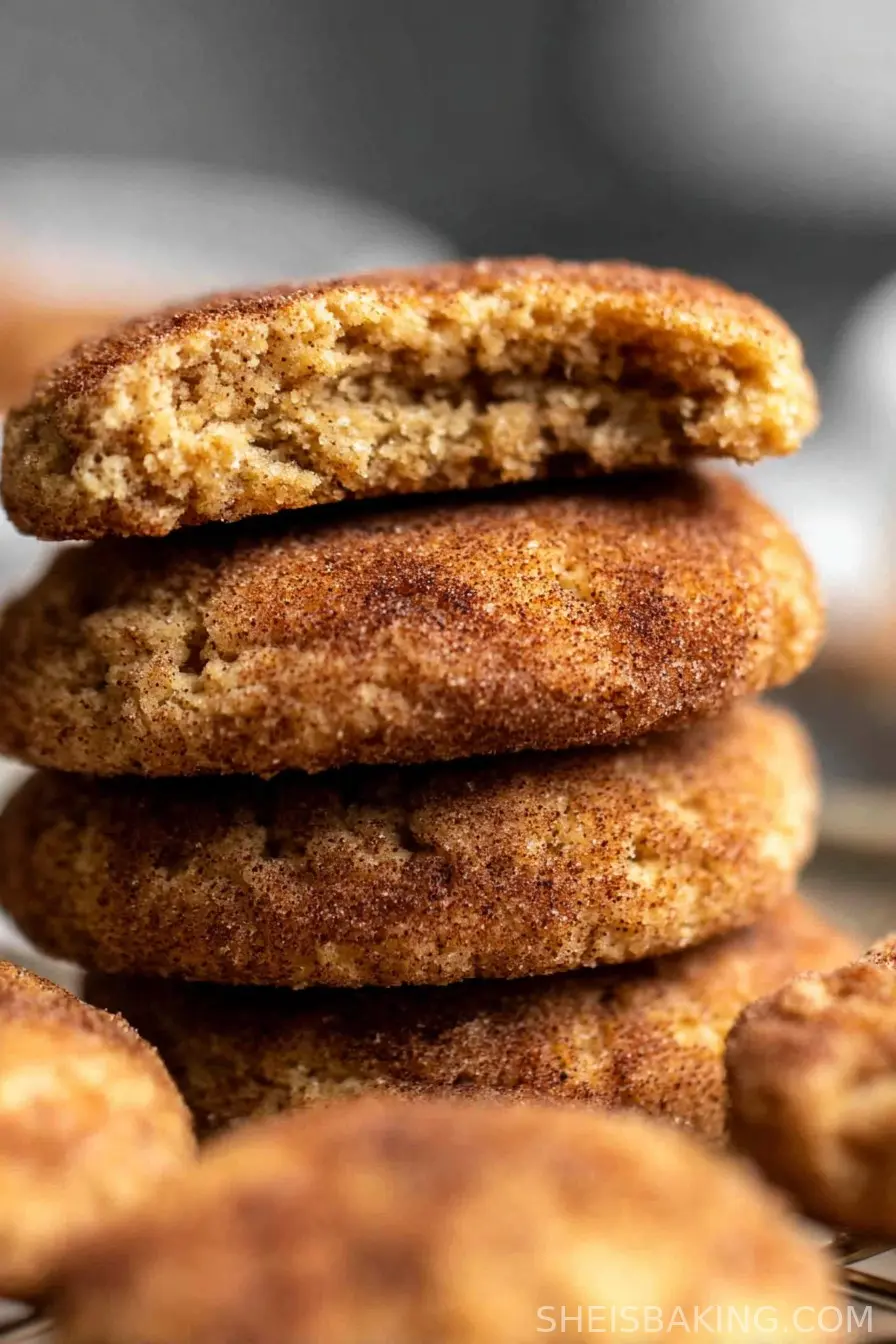
Traditionally, snickerdoodle cookies are recognized for their soft, chewy texture and signature cinnamon-sugar coating. But by swapping out regular wheat flour for nutty, aromatic almond flour, we create a gluten-free, grain-free option that caters to a variety of dietary preferences.
Almond flour has gained immense popularity in recent years due to its nutritional benefits and suitability for those with gluten sensitivities.
The origins of snickerdoodle cookies dates back to the late 19th century in the United States, particularly in New England, where they were prized for their simplicity and distinctive tang, often attributed to the addition of cream of tartar.
Our updated recipe maintains that beloved tangy, soft-baked quality with a hint of almond essence and a generous roll in cinnamon sugar. These Almond Flour Snickerdoodle Cookies offer a guilt-free, flavorful alternative to the classic, making them perfect for families, gatherings, or anyone seeking a healthier substitute without sacrificing taste.
Whether you are an experienced baker or new to creating gluten-free confections, this easy-to-follow recipe will show you how to achieve bakery-level results right from your own kitchen.
Ingredients
- 2 cups fine almond flour
- ¼ cup coconut flour
- ½ teaspoon baking soda
- ¼ teaspoon salt
- 1 teaspoon cream of tartar
- ½ cup unsalted butter, softened (or coconut oil for dairy-free version)
- ¾ cup coconut sugar (or granulated sugar)
- 1 large egg, room temperature
- 1 teaspoon pure vanilla extract
- ½ teaspoon almond extract (optional)
- 2 tablespoons cinnamon, divided
- 2 tablespoons sugar (for cinnamon-sugar coating)
Instructions
- Preheat your oven to 350°F (175°C) and line two large baking sheets with parchment paper.
- In a medium bowl, whisk together almond flour, coconut flour, baking soda, salt, and cream of tartar until well combined.
- In a separate large bowl, cream the softened butter and coconut sugar using a hand mixer or stand mixer until light and fluffy, about 2-3 minutes.
- Add the egg, vanilla extract, and almond extract (if using) to the creamed mixture. Beat until fully incorporated.
- Gradually add the dry flour mixture to the wet ingredients. Mix until a soft, slightly sticky dough forms.
- Chill the dough in the refrigerator for 15-20 minutes to firm up, ensuring easier shaping.
- While the dough chills, mix 2 tablespoons cinnamon with 2 tablespoons sugar in a shallow bowl to make the cinnamon-sugar coating.
- Scoop tablespoon-sized amounts of dough and roll each into a ball. Roll each ball in the cinnamon-sugar mixture until coated.
- Place the coated dough balls on the prepared baking sheets, spacing them about 2 inches apart.
- Gently flatten each ball with your palm or the bottom of a glass to about ½-inch thickness.
- Bake in the preheated oven for 9-11 minutes or until the edges are set and the centers appear slightly underbaked.
- Allow the cookies to cool on the baking sheet for 5 minutes before transferring them to a wire rack to cool completely.
Nutritional Information
Almond Flour Snickerdoodle Cookies are not only delicious but also offer a nutritional advantage over traditional snickerdoodle cookies. Thanks to the use of almond flour and coconut flour, these cookies are lower in carbohydrates and higher in healthy fats and protein.
Each cookie contains approximately 100-120 calories, depending on size, and boasts around 3 grams of protein per serving. Almond flour is a good source of vitamin E, magnesium, and fiber, which aid in heart health and digestive wellness.
Using coconut oil as a dairy-free alternative adds medium-chain triglycerides, which may help enhance energy and metabolism. Coconut sugar or other lower-glycemic sweeteners keep blood sugar spikes in check compared to refined sugars.
These cookies are naturally gluten-free and, when dairy-free substitutions are made, suitable for various dietary needs including paleo and grain-free regimens. While treats are best enjoyed in moderation, choosing wholesome ingredients means you can indulge in Almond Flour Snickerdoodle Cookies with less guilt and more nutrients.
For those monitoring sugar or calorie intake, consider reducing the sugar amount or opting for low-calorie sweetener alternatives to further align with your health goals.

Wine and Beverage Pairings
Pairing Almond Flour Snickerdoodle Cookies with the right beverage can elevate your snacking experience. For a classic combination, enjoy these cookies with a glass of cold almond milk, which complements the soft, nutty notes of the cookies.
If you prefer coffee, a rich espresso or sweetened latte enhances the cookie's cinnamon flavor. Tea enthusiasts can select a spicy chai or herbal rooibos to balance the sweetness and add warmth to every bite.
For adult gatherings, consider pairing with a sweet dessert wine such as Moscato or a semi-dry Riesling, both of which harmonize beautifully with the cinnamon and almond undertones.
Whether served with a simple cup of black tea or as part of an elaborate dessert and wine night, these cookies partner well with many drinks.
Cooking Tips and Variations
To ensure your Almond Flour Snickerdoodle Cookies turn out perfectly every time, follow these professional baking tips and innovative variations. Always use finely ground almond flour for the best texture-coarse almond meal can result in grainy, heavy cookies.
Chilling the dough is crucial, as it helps prevent the cookies from spreading too much during baking and makes the dough easier to handle. If you prefer extra chewy cookies, slightly underbake them by a minute and allow them to finish setting on the baking sheet.
For a dairy-free version, coconut oil makes a great substitute for butter-just make sure it is solid at room temperature before creaming. Feel free to experiment with the classic cinnamon-sugar coating by adding a dash of nutmeg or cardamom for a unique flavor twist.
For a festive variation, mix in dairy-free chocolate chips, diced apples, or chopped nuts like pecans or walnuts into the dough. If you're seeking a keto alternative, use a granulated sugar substitute for both the dough and coating.
Lastly, always store the cookies in an airtight container at room temperature for up to five days or freeze for longer freshness. These variations and tips will allow you to cater to dietary preferences while expanding the classic snickerdoodle experience.

Serving Suggestions
Serving Almond Flour Snickerdoodle Cookies offers creative opportunities to impress guests and delight loved ones. Arrange the cookies on a decorative platter dusted with extra cinnamon for a simple yet elegant presentation.
For special occasions like holidays and birthdays, stack the cookies in a pyramid and sprinkle with powdered erythritol to mimic snow. These cookies pair beautifully with fruit, so consider serving them alongside a platter of sliced apples, pears, or grapes to balance the sweet and spicy flavor profile.
Make cookie sandwiches by spreading a thin layer of almond or cashew butter between two cookies for a decadent treat. For children's parties, serve with small glasses of flavored milk or dairy-free chocolate milk for an irresistible duo.
If you're hosting a coffee morning or high tea, offer these cookies as a light bite between sips of your favorite hot drink. Additionally, including these cookies in a gluten-free dessert buffet can ensure that guests with dietary restrictions feel welcomed and catered to.
For the ultimate indulgence, warm the cookies briefly in the oven and serve with a scoop of vanilla bean gelato or dairy-free frozen dessert.
Health Benefits
Almond Flour Snickerdoodle Cookies come with several health benefits owing to the wholesome ingredients used. Almond flour, the recipe's core component, is naturally rich in healthy monounsaturated fats, protein, and dietary fiber.
This combination may help manage blood sugar levels, improve heart health, and contribute to sustained energy throughout the day. The inclusion of coconut flour increases the fiber content further, aiding digestion and promoting a feeling of fullness.
Unlike traditional cookies that often rely on refined white flour and sugar, using coconut sugar or alternative sweeteners lowers the glycemic index, supporting better blood sugar management. Almond flour also contains significant amounts of vitamin E-an antioxidant that fights inflammatory damage-and the minerals magnesium and calcium.
These cookies are naturally gluten-free, offering a safe and satisfying dessert option for those with celiac disease or wheat intolerance. For individuals following a paleo, plant-based, or dairy-free diet, this recipe can easily be adapted without sacrificing flavor or texture.
By prioritizing nutritious ingredients, Almond Flour Snickerdoodle Cookies allow health-conscious eaters to enjoy a classic comfort food while maintaining their wellness goals.

Frequently Asked Questions
Yes, you can freeze both the baked cookies and the unbaked dough balls for up to 2 months. Thaw baked cookies at room temperature or bake frozen dough balls directly from the freezer, adding an extra 2-3 minutes to the baking time.
To make Almond Flour Snickerdoodle Cookies vegan, substitute the butter with coconut oil or vegan margarine and replace the egg with a flax egg (1 tablespoon ground flax mixed with 3 tablespoons water).
If you lack coconut flour, try using an additional ¼ cup almond flour. Note that coconut flour is much more absorbent, so the texture may be slightly softer.
Cream of tartar is used in traditional snickerdoodles to provide their signature tangy flavor and contribute to the chewy texture by activating the baking soda.
Yes, with appropriate sweetener substitutions like erythritol or stevia, these cookies can fit into a low-carb or keto diet while remaining soft and flavorful.
Almond Flour Snickerdoodle Cookies embody the perfect blend of tradition and innovation, providing classic cinnamon-sugar flavor with a nutritious twist. Whether you're baking for a special occasion, satisfying a weeknight sweet tooth, or catering to dietary preferences like gluten-free, dairy-free, or low-carb, this versatile recipe is sure to please a crowd. With easy-to-find ingredients, simple instructions, and endless customization options, these cookies are destined to become a staple in your baking repertoire. Invite friends and family to savor the taste of nostalgia without compromise and enjoy the nourishment that comes with every bite.
Ingredients
- 2 cups almond flour
- ½ cup granulated sugar
- ¼ cup unsalted butter, softened
- 1 large egg
- 1 teaspoon vanilla extract
- ½ teaspoon cream of tartar
- ½ teaspoon baking soda
- ¼ teaspoon salt
- 2 tablespoons granulated sugar (for coating)
- 1 teaspoon ground cinnamon (for coating)
Instructions
-
1Preheat the oven to 350°F (175°C) and line a baking sheet with parchment paper.
-
2In a large mixing bowl, combine almond flour, granulated sugar, cream of tartar, baking soda, and salt.
-
3Add softened butter, egg, and vanilla extract to the dry ingredients. Mix until a soft dough forms.
-
4In a small bowl, mix together 2 tablespoons granulated sugar and 1 teaspoon ground cinnamon.
-
5Scoop a tablespoon of dough, roll into a ball, and coat in the cinnamon-sugar mixture. Place on the prepared baking sheet. Repeat with the remaining dough.
-
6Bake for 9-11 minutes until edges are lightly golden. Cool on the pan for 5 minutes before transferring to a wire rack.
Approximate Information for One Serving
Nutrition Disclaimers
Number of total servings shown is approximate. Actual number of servings will depend on your preferred portion sizes.
Nutritional values shown are general guidelines and reflect information for 1 serving using the ingredients listed, not including any optional ingredients. Actual macros may vary slightly depending on specific brands and types of ingredients used.
To determine the weight of one serving, prepare the recipe as instructed. Weigh the finished recipe, then divide the weight of the finished recipe (not including the weight of the container the food is in) by the desired number of servings. Result will be the weight of one serving.
Did you make this recipe?
Please consider Pinning it!!



Leave a Reply