
Few classic treats are as universally adored as cupcakes, and the Vanilla Cupcake Recipe holds a cherished place in kitchens worldwide. With their light, fluffy texture and sweet yet delicate flavor, vanilla cupcakes are a versatile dessert enjoyed by both children and adults.
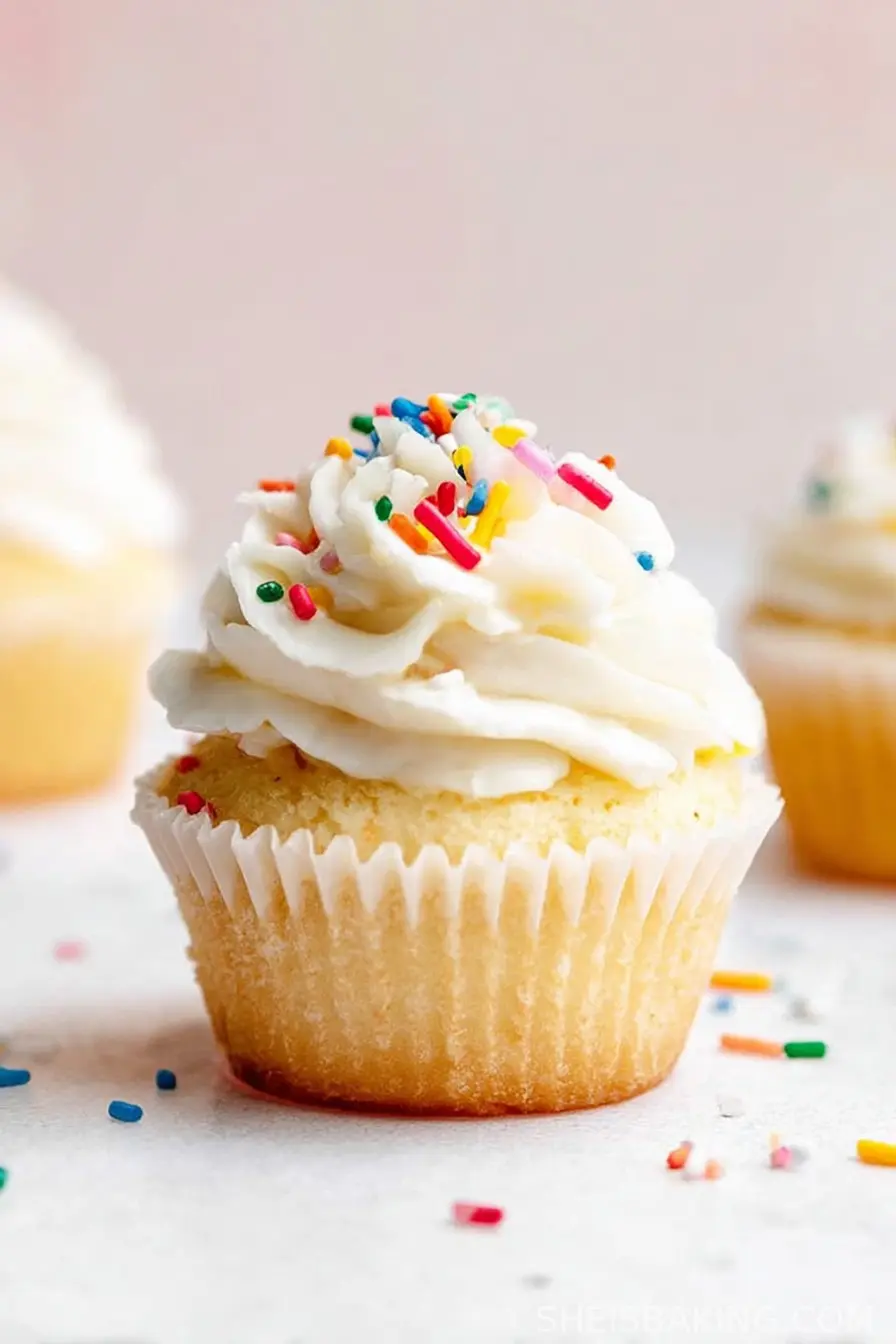
This recipe calls for uncomplicated ingredients, allowing the natural essence of vanilla to shine in every bite. The origins of the vanilla cupcake can be traced back to the 18th century, when cupcake recipes first appeared in British cookbooks, designed as easily portioned mini cakes.
Over time, the Vanilla Cupcake Recipe evolved, with bakers adding refined techniques and rich vanilla extract to perfect the flavor and texture. Today, this recipe is a staple at birthday parties, weddings, and friendly gatherings, offering a blank slate for creative frostings, sprinkles, and fillings.
Whether you're an experienced baker or a kitchen novice, mastering the Vanilla Cupcake Recipe guarantees an impressive, delicious outcome with minimal fuss. Vanilla cupcakes are favored not only for their taste but also for their ability to complement a wide range of toppings and decorations, making them ideal for customization.
In this detailed guide, you'll discover everything needed to bake the perfect batch-from selecting the best ingredients to tips on keeping your cupcakes moist and delicious. Read on to unlock all the secrets behind a truly irresistible Vanilla Cupcake Recipe.
Ingredients
- 1 and ½ cups (190g) all-purpose flour
- 1 and ½ teaspoons baking powder
- ½ teaspoon baking soda
- ¼ teaspoon salt
- ½ cup (115g) unsalted butter, room temperature
- 1 cup (200g) granulated sugar
- 2 large eggs, room temperature
- 2 teaspoons pure vanilla extract
- ½ cup (120ml) whole milk, room temperature
- ¼ cup (60g) sour cream, room temperature
Instructions
- Preheat your oven to 350°F (175°C) and line a standard 12-cup muffin tin with cupcake liners.
- In a medium bowl, whisk together flour, baking powder, baking soda, and salt. Set aside.
- In a large bowl, using an electric mixer, cream the butter and sugar together on medium-high speed until light and fluffy, about 3 minutes.
- Add the eggs one at a time, beating well after each addition. Scrape down the sides as needed. Mix in the vanilla extract.
- On low speed, alternate adding the flour mixture and milk, beginning and ending with the flour mixture. Mix until just combined.
- Gently fold in the sour cream until the batter is smooth. Do not overmix, as this can make the cupcakes dense.
- Divide the batter evenly among the cupcake liners, filling each about two-thirds full.
- Bake for 16-18 minutes, or until a toothpick inserted into the center comes out clean and the tops spring back when lightly pressed.
- Allow the cupcakes to cool in the pan for 5 minutes, then transfer them to a wire rack to cool completely before frosting.
- Once cooled, frost with your favorite vanilla buttercream or any desired frosting and garnish as preferred.
Nutritional Information
Understanding the nutritional profile of these vanilla cupcakes allows you to enjoy them as part of a balanced lifestyle. Each unfrosted vanilla cupcake (when made with the listed ingredients and divided into 12 servings) contains approximately 200-220 calories.
Most of the calories come from carbohydrates, including flour and sugar, with a moderate amount of fat contributed by the butter, milk, and eggs. The saturated fat content comes primarily from the butter and whole milk, so opting for low-fat dairy options can help reduce the fat content if needed.
Each cupcake offers a modest 3 grams of protein and about 27 grams of carbohydrates. The addition of sour cream adds a touch of calcium and helps keep the cupcakes moist, while eggs contribute essential vitamins and minerals such as Vitamin D and choline.
While vanilla cupcakes are a sweet treat, they are lower in fat and sugar than many store-bought alternatives when made at home, and baking from scratch allows you to control ingredient quality, reduce artificial additives, and boost nutritional value by substituting whole wheat flour or natural sweeteners if desired.
As with all desserts, moderation is key-enjoying one vanilla cupcake as part of a varied diet can satisfy your sweet tooth without derailing your healthy eating habits.

Wine and Beverage Pairings
The light, sweet flavors of the vanilla cupcake pair beautifully with a wide variety of beverages. If you're serving these cupcakes at a celebration, a sparkling wine such as Prosecco or Moscato complements their delicate vanilla notes and adds a festive touch.
For those who prefer non-alcoholic options, a warm cup of Earl Grey tea or creamy chai is a comforting choice that balances the sweetness of the cupcakes. Freshly brewed coffee, whether black or lightly sweetened with milk, also enhances the vanilla aroma and offers a satisfying contrast.
Children and guests who favor softer drinks will enjoy cold milk or a vanilla-flavored almond milk, which mirrors the cupcake's core flavor profile. For a refreshing twist in warm weather, pair these cupcakes with a homemade lemonade or an iced hibiscus tea.
No matter the occasion, selecting the right beverage will elevate the experience and please guests of all ages.
Cooking Tips and Variations
To achieve the perfect vanilla cupcakes every time, follow these expert tips and consider some creative variations to keep things interesting. First, always ensure your butter, eggs, and dairy products are at room temperature before you begin; this helps create a smooth, even batter, and promotes optimal rise during baking.
Sift the flour with baking powder and soda to guarantee a lump-free, airy texture, preventing dense cupcakes. For an extra flavor boost, consider adding scraped seeds from a vanilla bean along with or instead of the extract-this intensifies the vanilla aroma and adds visual appeal.
If you prefer a lighter crumb, substitute half the all-purpose flour with cake flour. Do not overmix once the dry and wet ingredients are combined, as overworking the batter can result in chewy or tough cupcakes.
To customize for dietary needs, swap regular milk for almond or oat milk and replace sour cream with dairy-free yogurt. Experiment with mix-ins like chocolate chips, berries, or citrus zest for tasty twists.
For festive occasions, color the batter with a few drops of food coloring or top with themed sprinkles. Lastly, for perfectly moist cupcakes, avoid overbaking; check for doneness a minute or two before the suggested bake time.
Following these baking tips and exploring different variations will ensure your vanilla cupcakes are a delightful highlight at any gathering.

Serving Suggestions
The presentation and serving style of your vanilla cupcakes can transform a simple dessert into a stunning centerpiece. For classic occasions such as birthday parties or afternoon teas, serve the cupcakes on a tiered cake stand, allowing guests to choose their favorites and admire the elegant display.
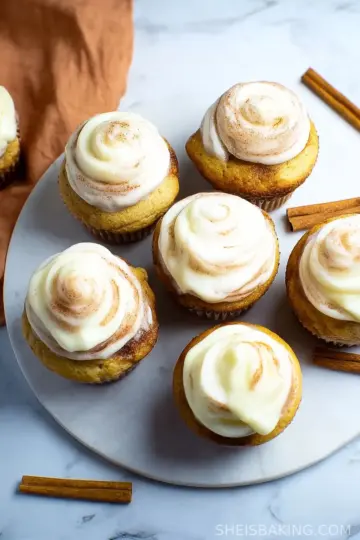
If you want to add a touch of sophistication, frost each cupcake with a swirl of vanilla buttercream using a pastry bag fitted with a star tip, then sprinkle with edible pearls, colorful sprinkles, or a dusting of powdered sugar.
For themed celebrations, customize your decorations to match the event-try pastel-toned frosting for baby showers, gold and silver toppings for anniversaries, or chocolate shavings and berries for a luxurious finish. Individual cupcake wrappers in decorative colors and patterns can add extra charm, making each cupcake feel like a personal treat.
To create a memorable dessert platter, offer a variety of frostings-such as chocolate, strawberry, or lemon-side by side, encouraging guests to sample different flavor combinations. If serving at a picnic or casual gathering, package cupcakes in eco-friendly paper boxes for easy transport and sharing.
To maintain freshness and moisture, cover the cupcakes until just before serving, especially in warm weather. By considering thoughtful presentation and creative decoration, your vanilla cupcakes will be as visually delightful as they are delicious.
Health Benefits
While the vanilla cupcake is an indulgence, it can still be enjoyed as part of a healthy, balanced lifestyle. One advantage of making your own cupcakes at home is the ability to control the ingredients-using real butter, fresh eggs, and high-quality vanilla extract ensures cleaner labels and fewer artificial additives.
Many home bakers choose to reduce the sugar by up to 25% without sacrificing flavor, or use natural sweeteners such as honey or maple syrup to increase micronutrient content.
Substituting part of the flour for whole wheat or almond flour can provide extra fiber and protein, making the cupcakes more filling and supportive of stable blood sugar levels. Eggs provide a source of high-quality protein, while milk and sour cream offer calcium and other essential minerals for bone health.
For those following dairy-free or lower-fat diets, swapping in plant-based milk and light yogurt is simple and yields delicious results. Portion control is naturally managed with individually sized cupcakes, reducing the risk of overindulgence compared to larger desserts.
When enjoyed occasionally and prepared thoughtfully, vanilla cupcakes can fit within most healthy eating plans and offer joy and satisfaction without excess guilt.
Frequently Asked Questions
Yes, vanilla cupcakes can be baked up to two days ahead. Store them unfrosted in an airtight container at room temperature. Frost just before serving for maximum freshness.
Use room temperature ingredients and avoid overbaking. Adding sour cream or yogurt to the batter helps retain moisture. Store cupcakes in an airtight container once cooled to preserve freshness.
Absolutely. Allow cupcakes to cool completely, then wrap individually in plastic wrap and freeze in a zip-top bag for up to 3 months. Thaw at room temperature before frosting and serving.
Classic vanilla buttercream is a popular choice, but cream cheese frosting, chocolate ganache, or fruit-flavored buttercreams pair beautifully with vanilla cupcakes.
Yes, simply substitute a high-quality 1-to-1 gluten-free flour blend for the all-purpose flour. Check all other ingredient labels to ensure they are gluten-free.
The Vanilla Cupcake Recipe is an essential addition to any home baker's repertoire, valued for its simplicity, versatility, and timeless appeal. By following this detailed guide, you'll master the art of crafting perfectly fluffy, moist, and flavorful vanilla cupcakes every time. Whether served at parties, shared with loved ones, or enjoyed as a personal treat, these cupcakes never fail to delight. With endless customization options and crowd-pleasing taste, the Vanilla Cupcake Recipe remains a celebration classic. Try this recipe today and discover just how easy and rewarding homemade cupcakes can be.
Ingredients
- 1 ½ cups all-purpose flour
- ¾ cup granulated sugar
- ½ cup unsalted butter, softened
- 2 large eggs
- ½ cup whole milk
- 1 ½ teaspoons pure vanilla extract
- 1 ½ teaspoons baking powder
- ¼ teaspoon salt
Instructions
-
1Preheat oven to 350°F (175°C). Line a 12-cup muffin pan with paper cupcake liners.
-
2In a medium bowl, whisk together the flour, baking powder, and salt.
-
3In a large bowl, cream the butter and sugar with a mixer until light and fluffy. Beat in eggs, one at a time, then mix in vanilla extract.
-
4Add half of the dry ingredients to the butter mixture, mix, then add the milk. Add the remaining dry ingredients and mix until just combined.
-
5Divide the batter evenly among the cupcake liners. Bake for 16-18 minutes, or until a toothpick inserted in the center comes out clean.
-
6Let cupcakes cool in the pan for 5 minutes, then transfer to a wire rack to cool completely before frosting.
Approximate Information for One Serving
Nutrition Disclaimers
Number of total servings shown is approximate. Actual number of servings will depend on your preferred portion sizes.
Nutritional values shown are general guidelines and reflect information for 1 serving using the ingredients listed, not including any optional ingredients. Actual macros may vary slightly depending on specific brands and types of ingredients used.
To determine the weight of one serving, prepare the recipe as instructed. Weigh the finished recipe, then divide the weight of the finished recipe (not including the weight of the container the food is in) by the desired number of servings. Result will be the weight of one serving.
Did you make this recipe?
Please consider Pinning it!!
Leave a Reply