
Coconut Custard Pie is a delightful dessert that perfectly combines creamy custard with the tropical flavor of coconut, all nestled in a flaky, golden crust.
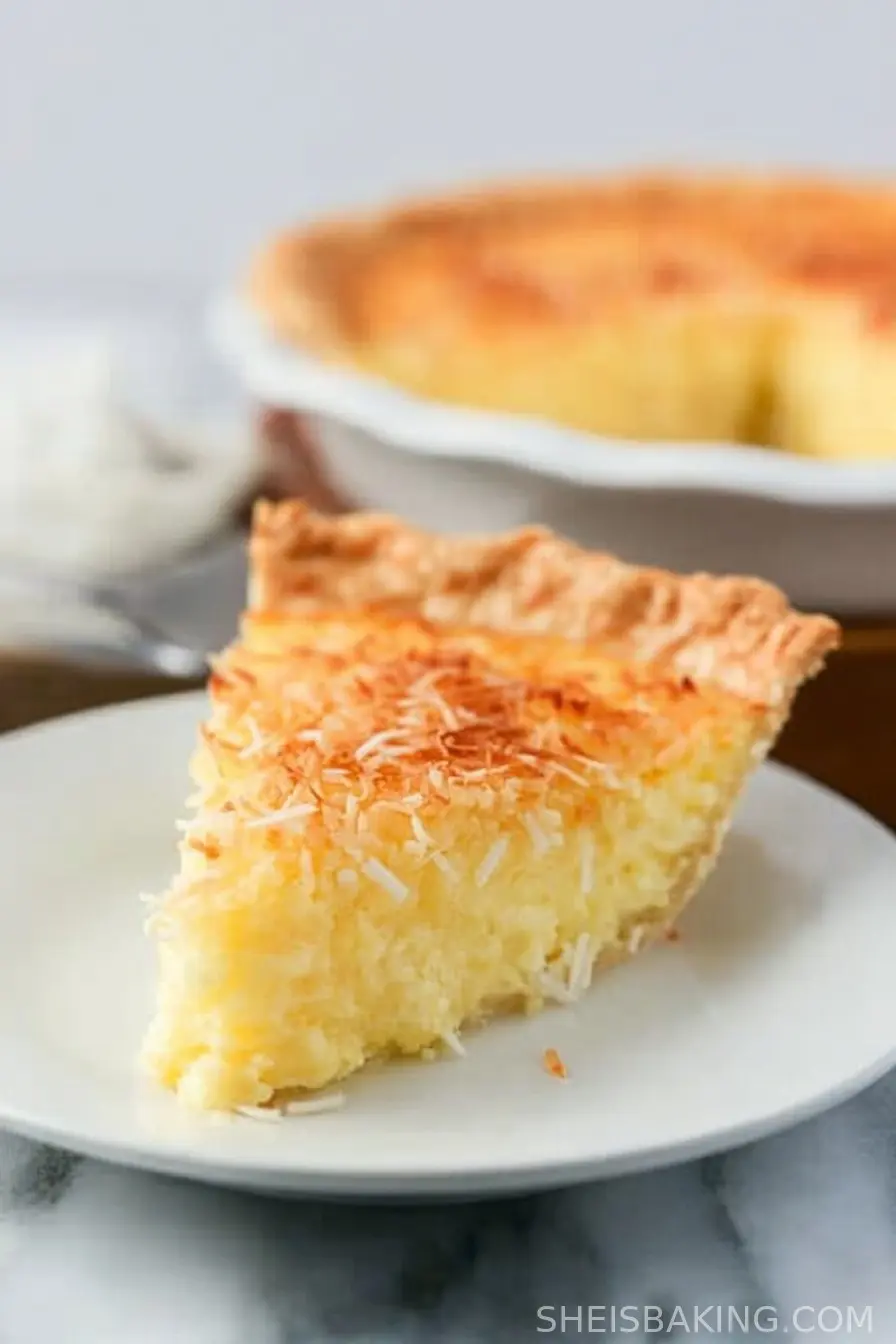
Loved by pie enthusiasts and coconut lovers alike, this dessert is particularly cherished in Southern and coastal kitchens where coconut has long been a pantry staple.
The history of coconut custard pies can be traced back to early American cookbooks, where the addition of coconut, first imported in the 19th century, quickly transformed basic custard pies into something truly special.
Over the years, homemade Coconut Custard Pie has maintained its popularity for its rich texture, comforting sweetness, and the irresistible aroma that fills the kitchen as it bakes.
With a classic approach to simple ingredients like eggs, whole milk, sugar, and sweetened coconut flakes, each slice delivers a balanced contrast of creamy center and lightly toasted coconut top.
This recipe explores not only the traditional preparation but also offers tips for perfecting your pie, making it an excellent choice for both weeknight family dinners and celebratory occasions.
Whether you are new to baking or a seasoned pie-maker, mastering Coconut Custard Pie will add a timeless and crowd-pleasing dessert to your recipe collection.
Ingredients
- 1 unbaked 9-inch pie crust (homemade or store-bought)
- 3 large eggs
- 1 cup granulated sugar
- 2 tablespoons all-purpose flour
- ¼ teaspoon salt
- 2 cups whole milk
- 2 tablespoons unsalted butter, melted
- 1 teaspoon pure vanilla extract
- 1 ½ cups sweetened shredded coconut
- Optional: Additional coconut flakes for garnishing
Instructions
- Preheat your oven to 350°F (175°C) and position a rack in the center.
- Place the unbaked pie crust in a 9-inch pie dish and crimp the edges as desired. Set aside.
- In a large mixing bowl, whisk together the eggs, granulated sugar, flour, and salt until the mixture is smooth and pale yellow.
- Add the whole milk, melted butter, and vanilla extract to the egg mixture. Whisk well to combine.
- Fold in the shredded coconut, ensuring it is evenly distributed throughout the custard base.
- Pour the coconut custard filling into the prepared pie crust, spreading it evenly with a spatula.
- Optionally, sprinkle a handful of additional coconut flakes over the top for a toasted finish.
- Carefully transfer the pie dish to the oven and bake for 45 to 55 minutes, or until the filling is set and a knife inserted into the center comes out mostly clean. The top should be lightly golden.
- If the crust edges begin to over-brown, cover them with foil during the last 15 minutes of baking.
- Remove the pie from the oven and let it cool completely on a wire rack before slicing. Serve chilled or at room temperature for best flavor.
Nutritional Information
A generous slice of Coconut Custard Pie offers a satisfying blend of sweet coconut, creamy custard, and a lightly crunchy crust. A single serving (based on an 8-slice pie) typically contains around 350-400 calories, with approximately 20 grams of fat due to the use of butter, eggs, and coconut.
The pie provides about 40 grams of carbohydrates per serving, primarily from sugar, flour, and coconut flakes, making it an indulgent treat that's best enjoyed in moderation. There are around 5-6 grams of protein contributed by the eggs and some from the milk.
Coconut also brings healthy medium-chain triglycerides to the dish, contributing to feelings of fullness and providing quick energy. The recipe is a source of calcium and vitamin D from the milk, as well as trace minerals from the coconut.
However, it is higher in saturated fat and sugar, so those mindful of their heart health or sugar intake should plan servings accordingly or modify the recipe to suit dietary needs. For those with gluten sensitivities, opt for a gluten-free crust and ensure the flour is gluten-free.
Serving with fresh fruits can add vitamins and fiber without increasing the caloric density of the dessert. For lighter options, consider reducing the sugar or opting for unsweetened coconut.
Overall, Coconut Custard Pie brings a touch of nostalgia and a generous dose of satisfaction, making it a wonderful occasional treat for family gatherings and celebrations.

Wine and Beverage Pairings
The smooth, creamy nature of Coconut Custard Pie pairs beautifully with beverages that can balance its richness. For an elegant presentation, serve slices alongside a lightly sweet dessert wine such as Moscato or a medium-bodied Riesling, as their floral notes and acidity complement both the sweetness and coconut flavor.
If you prefer non-alcoholic options, consider strong-brewed black tea, a spiced chai, or even fresh-brewed coffee, all of which cut through the pie's creaminess and add a pleasant contrast. An iced coconut latte or vanilla almond milk can further enhance the tropical notes for those who enjoy a dairy-free pairing.
Cooking Tips and Variations
For best results with Coconut Custard Pie, begin with quality ingredients. Use fresh eggs and whole milk for a richer custard, or substitute half-and-half for an even more decadent filling. Always preheat your oven to ensure even baking.
When mixing the custard, whisk thoroughly so that the eggs are fully incorporated; this minimizes the risk of curdling and promotes a smooth texture.
If using a store-bought crust, partially blind-baking it for 10 minutes before adding the filling can help prevent a soggy bottom, especially if you prefer a crunchier texture. For added flavor, a pinch of nutmeg or a few drops of almond extract can beautifully complement the coconut.
If you desire extra coconut flavor, lightly toast the coconut flakes before folding them in, but be cautious to avoid burning as coconut browns quickly. Additionally, using unsweetened coconut will reduce the overall sweetness and allow more control if you like your desserts less sugary.
For those who love a cold, dense pie, chill the Coconut Custard Pie in the refrigerator for at least three hours before serving. For a gluten-free version, simply swap the all-purpose flour with a gluten-free blend and choose a compatible pie crust.
To create individual portions, the same recipe can be adjusted for mini tartlets or ramekins. Finally, always allow the pie to cool fully before slicing, as this helps the custard set and achieves a clean, neat presentation for every portion.

Serving Suggestions
Presenting Coconut Custard Pie is as much a delight as eating it. Slice the pie into neat wedges using a sharp serrated knife, wiping the blade clean between cuts for the smoothest pieces.
It can be served cold, which produces a firmer, more chilled custard texture-perfect for summer gatherings and outdoor barbecues. Alternatively, slightly warmed slices bring out the pie's creamy character and beautifully enhance the coconut aroma.
For special occasions, top each slice with a dollop of whipped cream, a scattering of toasted coconut flakes, or a few fresh berries such as raspberries or blueberries to add vibrant color and tart contrast.
When serving at family dinners, offer plain or with a dusting of powdered sugar for a classic look. For a tropical touch, garnish with thin slices of fresh pineapple or a drizzle of caramel sauce.
If preparing ahead, the pie keeps well in the refrigerator, making it an excellent choice for parties or potlucks. Always store leftovers covered in the fridge for up to four days.
Whether as a showstopper for holidays or as a delightful weekday finale, serving Coconut Custard Pie promises to leave a lasting impression on your guests.
Health Benefits
Coconut Custard Pie offers some nutritional benefits alongside its indulgent qualities. Coconut is rich in medium-chain triglycerides (MCTs), a type of healthy fat that provides quick energy and may support metabolic health. The eggs used in the custard contribute high-quality protein and essential nutrients such as vitamin B12 and selenium.
Whole milk boosts the calcium and vitamin D content, supporting healthy bones and teeth. While the dessert's sugar and saturated fat content are higher, moderate consumption as part of a balanced diet is generally acceptable for most people.
For those interested in a healthier version, using unsweetened coconut and reducing the sugar can help lower the calorie count without sacrificing the distinct coconut flavor. Additionally, substituting some or all of the whole milk with a lower-fat option or plant-based milk can further reduce fat content.
Coconut's natural fiber aids in digestion, and swapping a portion of the pie's refined flour for whole wheat or gluten-free blends can add even more fiber.
Ultimately, when enjoyed in sensible portions, Coconut Custard Pie can be included in a well-rounded dietary approach, providing both satisfaction and select nutritional benefits from its wholesome ingredients.
Frequently Asked Questions
Yes, unsweetened coconut can be used in place of sweetened coconut in Coconut Custard Pie. If you make this substitution, consider increasing the sugar slightly if a sweeter flavor is desired, or leaving the recipe as is for a pie with a more subtle coconut sweetness.
The pie is done when the custard is set but slightly wobbly in the center, and a knife inserted comes out mostly clean. Overbaking can cause the custard to crack or become dry, so start checking after 45 minutes and watch for a gentle golden hue on top.
Absolutely. Coconut Custard Pie is an excellent make-ahead dessert. Once baked, allow the pie to cool completely, then cover and refrigerate for up to four days. This preparation also improves the texture, making slices cleaner and flavors more developed.
Yes, you can make this pie dairy-free by substituting whole milk with full-fat coconut milk or any preferred plant-based milk. Use dairy-free butter or coconut oil for richness. These swaps maintain the creamy texture and amplify the coconut flavor.
It is possible to freeze Coconut Custard Pie, though texture may be slightly affected upon thawing. To freeze, wrap the cooled pie tightly in plastic wrap and foil, then freeze for up to two months. Thaw overnight in the refrigerator before serving for best results.
Coconut Custard Pie stands out as a timeless classic, beloved for its fusion of creamy custard and toasty coconut in every bite. Effortlessly simple to prepare yet impressive in flavor and presentation, this pie is suitable for both beginners and seasoned bakers looking for a touch of tradition with a tropical twist. Its versatility makes it perfect for holidays, family gatherings, potlucks, and relaxed desserts at home. By following these step-by-step instructions and exploring suggested variations, you can craft a Coconut Custard Pie that's both deliciously nostalgic and uniquely your own. Whether served chilled with fresh fruit or warm with a dollop of whipped cream, this pie is sure to create lasting memories around your table. Indulge in a treat that celebrates comfort, simplicity, and the soothing taste of coconut while sharing it with those you love.
Ingredients
- 1 unbaked 9-inch pie crust
- 3 large eggs
- 1 cup granulated sugar
- 2 cups whole milk
- 1 cup sweetened shredded coconut
- 2 tablespoons unsalted butter, melted
- 1 teaspoon vanilla extract
- ¼ teaspoon salt
Instructions
-
1Preheat the oven to 350°F (175°C). Place the unbaked pie crust into a 9-inch pie dish.
-
2In a medium bowl, whisk together eggs and sugar until well combined.
-
3Add the milk, melted butter, vanilla extract, and salt to the egg mixture. Whisk until smooth.
-
4Stir in the shredded coconut, then pour the custard filling into the prepared pie crust.
-
5Bake for 45 to 50 minutes, or until the center is set and the top is golden brown.
-
6Let cool completely before slicing. Serve at room temperature or chilled.
Approximate Information for One Serving
Nutrition Disclaimers
Number of total servings shown is approximate. Actual number of servings will depend on your preferred portion sizes.
Nutritional values shown are general guidelines and reflect information for 1 serving using the ingredients listed, not including any optional ingredients. Actual macros may vary slightly depending on specific brands and types of ingredients used.
To determine the weight of one serving, prepare the recipe as instructed. Weigh the finished recipe, then divide the weight of the finished recipe (not including the weight of the container the food is in) by the desired number of servings. Result will be the weight of one serving.
Did you make this recipe?
Please consider Pinning it!!


Leave a Reply