
Pumpkin Cheesecake Pie is a delightful dessert that beautifully fuses the creamy richness of classic cheesecake with the spiced, comforting flavors of traditional pumpkin pie. This showstopping treat embodies the spirit of fall, making it an instant favorite at family gatherings, Thanksgiving feasts, and holiday celebrations.
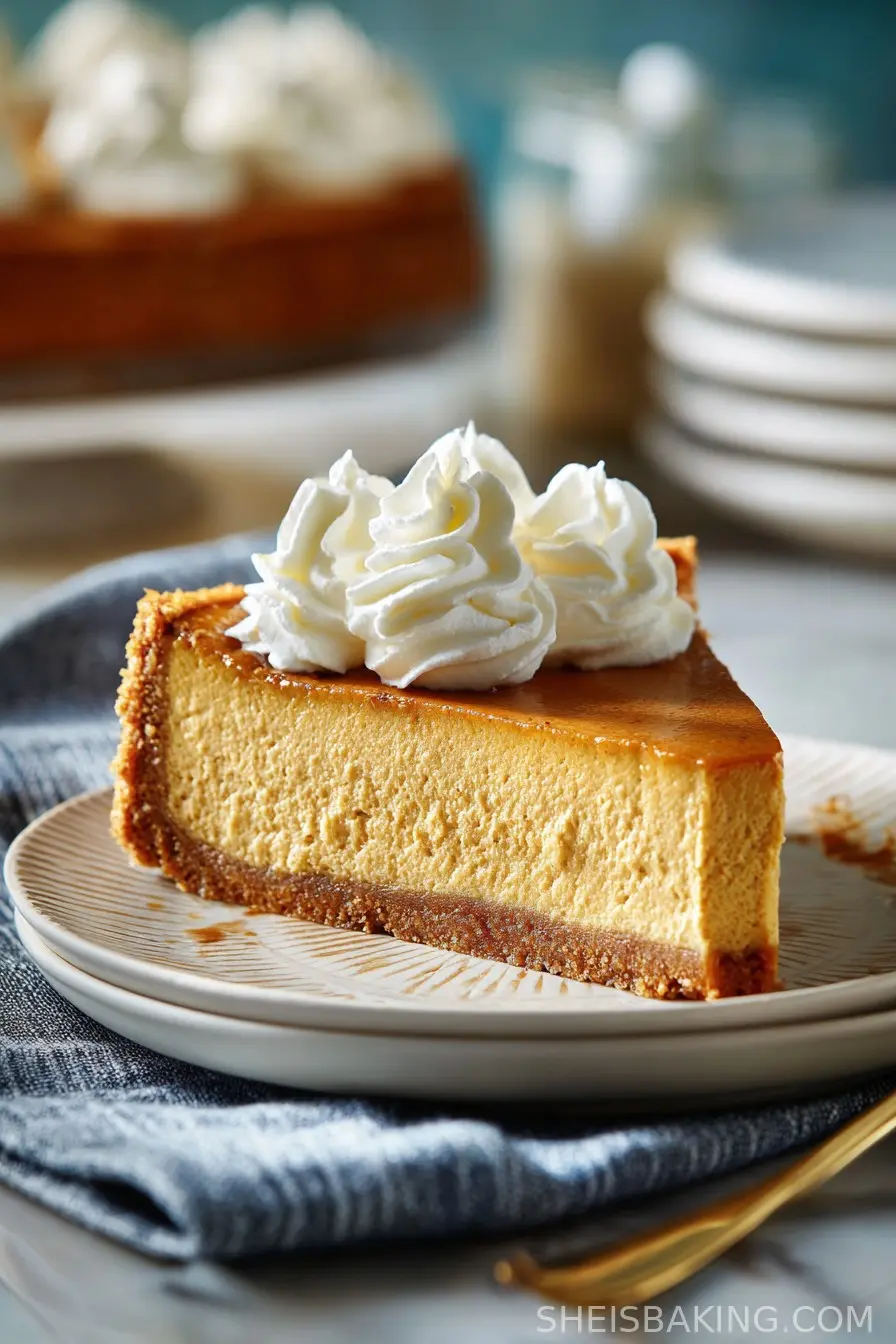
The history of pumpkin desserts in America dates back to colonial times, when settlers first discovered native pumpkins and incorporated them into an array of baked goods. Cheesecake, with its rich roots in ancient Greece and popularity in American cuisine, became a natural companion to the autumnal pumpkin.
As a result, Pumpkin Cheesecake Pie emerged as a modern interpretation of both beloved classics, delivering a harmonious blend of textures and flavors. This recipe features a velvety cheesecake layer nestled beneath a spiced pumpkin filling, all encased in a tender, buttery pie crust.
Whether you are a longtime pumpkin pie lover or a cheesecake enthusiast, this dessert offers the best of both worlds. The subtle tang of cream cheese contrasts beautifully with the sweetness of pumpkin and the warmth of cinnamon, nutmeg, and ginger.
Enjoy it as an elegant holiday centerpiece, a comforting weeknight indulgence, or a special treat with coffee and friends.
By baking this Pumpkin Cheesecake Pie at home, you're not only making a delicious dessert from scratch, but you're also creating new holiday traditions that everyone will look forward to year after year.
Ingredients
- 1 (9-inch) deep-dish pie crust, unbaked (store-bought or homemade)
- 8 ounces cream cheese, softened
- ½ cup granulated sugar
- 1 teaspoon pure vanilla extract
- 2 large eggs
- 1 cup canned pure pumpkin (not pumpkin pie filling)
- ¾ cup heavy cream
- ½ cup light brown sugar, packed
- 1 ½ teaspoons ground cinnamon
- ½ teaspoon ground ginger
- ¼ teaspoon ground nutmeg
- ¼ teaspoon ground cloves
- ¼ teaspoon salt
- Optional: whipped cream for serving
- Optional: chopped pecans or walnut pieces for garnish
Instructions
- Preheat your oven to 350°F (175°C). Place the oven rack in the center position.
- In a large mixing bowl, beat the softened cream cheese with an electric mixer until smooth and creamy. Scrape down the sides as needed.
- Add the granulated sugar and vanilla extract to the cream cheese and beat until fully combined and fluffy.
- Add one egg and blend well. Add the remaining egg and mix until just combined and smooth.
- Spread the cheesecake mixture evenly in the bottom of the unbaked pie crust.
- In a separate bowl, whisk together the pumpkin, heavy cream, brown sugar, cinnamon, ginger, nutmeg, cloves, and salt until smooth.
- Carefully pour the pumpkin mixture over the cheesecake layer, smoothing the top with a spatula.
- Place the pie on a baking sheet to catch any overflow and bake for 55-65 minutes, or until the center is set but still slightly wobbly.
- Remove from the oven and allow the pie to cool completely on a wire rack. Once cooled, transfer to the refrigerator and chill for at least 4 hours, preferably overnight, to set completely.
- Before serving, garnish with whipped cream and a sprinkle of chopped pecans or walnuts if desired.
Nutritional Information
Pumpkin Cheesecake Pie is a decadent dessert that provides both indulgence and some nutritional value. Each slice (based on ⅛th of a pie) offers approximately 370 calories, with a balance of carbohydrates, fat, and protein.
The use of cream cheese and heavy cream contributes to the creamy texture and a satisfying amount of protein and calcium, important for bone health and muscle function. Pumpkin itself is low in calories yet rich in dietary fiber, vitamin A (as beta-carotene), vitamin C, and potassium.
These nutrients can help support immune health, vision, and overall wellness. However, keep in mind that this dessert does contain a fair amount of sugar and saturated fat from cream cheese, heavy cream, and pie crust, so it's best enjoyed in moderation as part of a balanced diet.
Additional toppings like whipped cream or nuts will increase calorie and fat content, but can also add valuable nutrients-nuts are high in heart-healthy fats and vitamins. Using low-fat cream cheese or substituting some sugar with natural sweeteners could slightly reduce calories and fat content without drastically affecting flavor or texture.
As with any dessert, Pumpkin Cheesecake Pie is best served as a special treat in the context of an overall nutrient-dense diet, helping you celebrate the flavors of the season while still being mindful of your nutritional goals.

Wine and Beverage Pairings
When it comes to beverage pairings for Pumpkin Cheesecake Pie, you have an array of tempting options. A classic dessert wine like Sauternes, Tokaji, or late harvest Riesling complements the pie's creamy texture and warm spices with its own honeyed sweetness and acidity.
For those who prefer something less sweet, a cup of freshly brewed coffee with a splash of cream makes for a cozy pairing and balances the richness of the pie.
Chai tea or spiced herbal teas will highlight the pumpkin's autumnal spices, while a glass of chilled milk is always a comforting and family-friendly choice.
For holiday gatherings, consider serving a sparkling Moscato, a rich tawny port, or an autumn-inspired cocktail, such as a pumpkin spice martini or an apple cider mimosa. Each of these beverages will enhance the enjoyment of your Pumpkin Cheesecake Pie and round out the dessert experience.
Cooking Tips and Variations
Achieving the perfect Pumpkin Cheesecake Pie requires attention to detail and a few insider tips. First, make sure your cream cheese is at room temperature before starting; this ensures a smooth, lump-free cheesecake layer.
Avoid overbeating the eggs to prevent excess air in the filling, which can cause cracks as the pie bakes. If you want to get creative, try using a graham cracker crust or a gingersnap crust instead of a traditional pastry for extra flavor and crunch.
To prevent the crust from getting soggy, you can blind bake it for 10 minutes at 350°F before adding the fillings. Some like to swirl the pumpkin and cheesecake layers gently with a knife before baking for a marbled appearance.
For a richer pumpkin flavor, consider roasting fresh pumpkin and pureeing it yourself instead of using canned. To add a touch of sophistication, top your finished pie with a homemade caramel sauce, candied nuts, or even a sprinkle of sea salt.
If you prefer a lighter version, substitute low-fat cream cheese and use half-and-half instead of heavy cream. For a gluten-free variation, opt for a gluten-free pie crust or make a crustless version in ramekins. Let your pie chill thoroughly before serving; this makes slicing easier and ensures clean, defined layers.
Lastly, always use pure pumpkin puree, not pumpkin pie filling, for the best flavor and texture. With these tips and suggested variations, your Pumpkin Cheesecake Pie will be a memorable hit every time you bake it.

Serving Suggestions
Serving Pumpkin Cheesecake Pie is a festive and inviting experience that appeals to all senses. For best results, slice the chilled pie with a sharp, thin-bladed knife, wiping it clean between cuts to achieve smooth, picture-perfect slices.
Arrange each slice on a dessert plate and add a generous dollop of freshly whipped cream, lightly sweetened to balance the pie's spices. A sprinkle of chopped toasted pecans or walnuts adds an appealing crunch and a hint of luxury.
If you're entertaining, garnish with cinnamon sticks or a light dusting of ground cinnamon for an elegant touch. Pumpkin Cheesecake Pie pairs beautifully with seasonal fruits like sliced apples or pears for an extra layer of freshness.
Consider serving the pie as the grand finale to a holiday meal, alongside coffee or a curated wine for a sophisticated dessert course. If you're offering a dessert table, Pumpkin Cheesecake Pie can be complemented by other mini fall treats, like apple crisp, pecan bars, or gingersnap cookies.
For individual mini-desserts, bake the filling in muffin tins lined with crust or in small ramekins. Whether enjoyed as a casual after-dinner treat or as a centerpiece at festive gatherings, this pie is sure to impress your guests and become a new family favorite.
Health Benefits
Pumpkin Cheesecake Pie, when enjoyed in moderation, offers some interesting health benefits due to its ingredients. Pumpkin is a nutritional powerhouse-rich in beta-carotene, which the body converts to vitamin A, supporting healthy vision, skin, and immune function.
It also provides dietary fiber, which aids in digestion and helps maintain a sense of fullness. Cream cheese contributes calcium and phosphorus, essential for healthy bones and teeth, as well as some protein for muscle maintenance.
The spices used-cinnamon, ginger, nutmeg, and cloves-not only add flavor, but also contain antioxidants and anti-inflammatory properties. Nuts, if added as a topping, provide heart-healthy monounsaturated fats, B vitamins, and vitamin E.
To make Pumpkin Cheesecake Pie even healthier, consider reducing the sugar, using low-fat dairy options, or increasing the amount of pumpkin for added nutrients. Portion control is key since the pie is calorie-dense, primarily due to the crust, cream cheese, and heavy cream.
Ultimately, incorporating Pumpkin Cheesecake Pie into a balanced diet as an occasional treat allows you to enjoy both its delicious flavor and nutritional positives without overindulgence.
Frequently Asked Questions
Yes, you can use fresh pumpkin puree in place of canned. Simply roast or steam your pumpkin, then puree until smooth and use an equal amount as the recipe calls for canned pumpkin.
To avoid cracks, don't overmix the eggs, bake the pie until just set, and allow it to cool gradually. Chilling the pie fully before slicing also helps maintain a smooth surface.
Absolutely. Pumpkin Cheesecake Pie actually tastes best when made a day ahead, as chilling overnight allows the flavors to meld and the layers to set perfectly.
Yes, simply use a gluten-free pie crust or make the filling in ramekins without a crust. Check all ingredients for gluten content if strict gluten-free preparation is needed.
Store leftover Pumpkin Cheesecake Pie in the refrigerator, covered tightly with plastic wrap or in an airtight container, for up to 4 days for optimal freshness.
Pumpkin Cheesecake Pie stands out as an irresistibly creamy, spiced dessert that's perfect for autumn celebrations and holiday gatherings. Its unique combination of a tangy cheesecake base with a luscious pumpkin layer delivers a sophisticated upgrade to traditional fall desserts. With easy-to-follow instructions, flexible variations, and tips for perfect results, this pie is sure to impress both family and guests alike. Paired with warm beverages or dessert wines, it's guaranteed to be the star of your table. Make this Pumpkin Cheesecake Pie for your next special occasion, and savor the seasonal blend of comforting flavors and creamy textures-all in one unforgettable slice.
Ingredients
- 1 ¼ cups graham cracker crumbs
- ¼ cup unsalted butter, melted
- 2 packages (8 oz each) cream cheese, softened
- ¾ cup granulated sugar
- 1 cup canned pumpkin puree
- 2 large eggs
- 1 ½ teaspoons pumpkin pie spice
- 1 teaspoon vanilla extract
- ¼ teaspoon salt
Instructions
-
1Preheat the oven to 350°F (175°C). In a medium bowl, combine graham cracker crumbs and melted butter. Press the mixture evenly into the bottom of a 9-inch pie dish to form the crust.
-
2In a large mixing bowl, beat the cream cheese and sugar together until smooth. Add the pumpkin puree, eggs, pumpkin pie spice, vanilla extract, and salt. Mix until combined and creamy.
-
3Pour the pumpkin cheesecake filling into the prepared crust and smooth the top with a spatula.
-
4Bake for 50-55 minutes, or until the center is just set but still slightly jiggly. Remove from the oven and let cool completely at room temperature.
-
5Refrigerate for at least 4 hours before serving to allow the cheesecake to fully set. Slice, serve, and enjoy!
Approximate Information for One Serving
Nutrition Disclaimers
Number of total servings shown is approximate. Actual number of servings will depend on your preferred portion sizes.
Nutritional values shown are general guidelines and reflect information for 1 serving using the ingredients listed, not including any optional ingredients. Actual macros may vary slightly depending on specific brands and types of ingredients used.
To determine the weight of one serving, prepare the recipe as instructed. Weigh the finished recipe, then divide the weight of the finished recipe (not including the weight of the container the food is in) by the desired number of servings. Result will be the weight of one serving.
Did you make this recipe?
Please consider Pinning it!!
Leave a Reply