
Pumpkin bread has become a beloved staple in kitchens worldwide, particularly during the crisp, cool months of autumn. This sweet, moist, and gently spiced quick bread uses Pumpkin puree as its star ingredient, offering both rich flavor and natural tenderness in every bite.
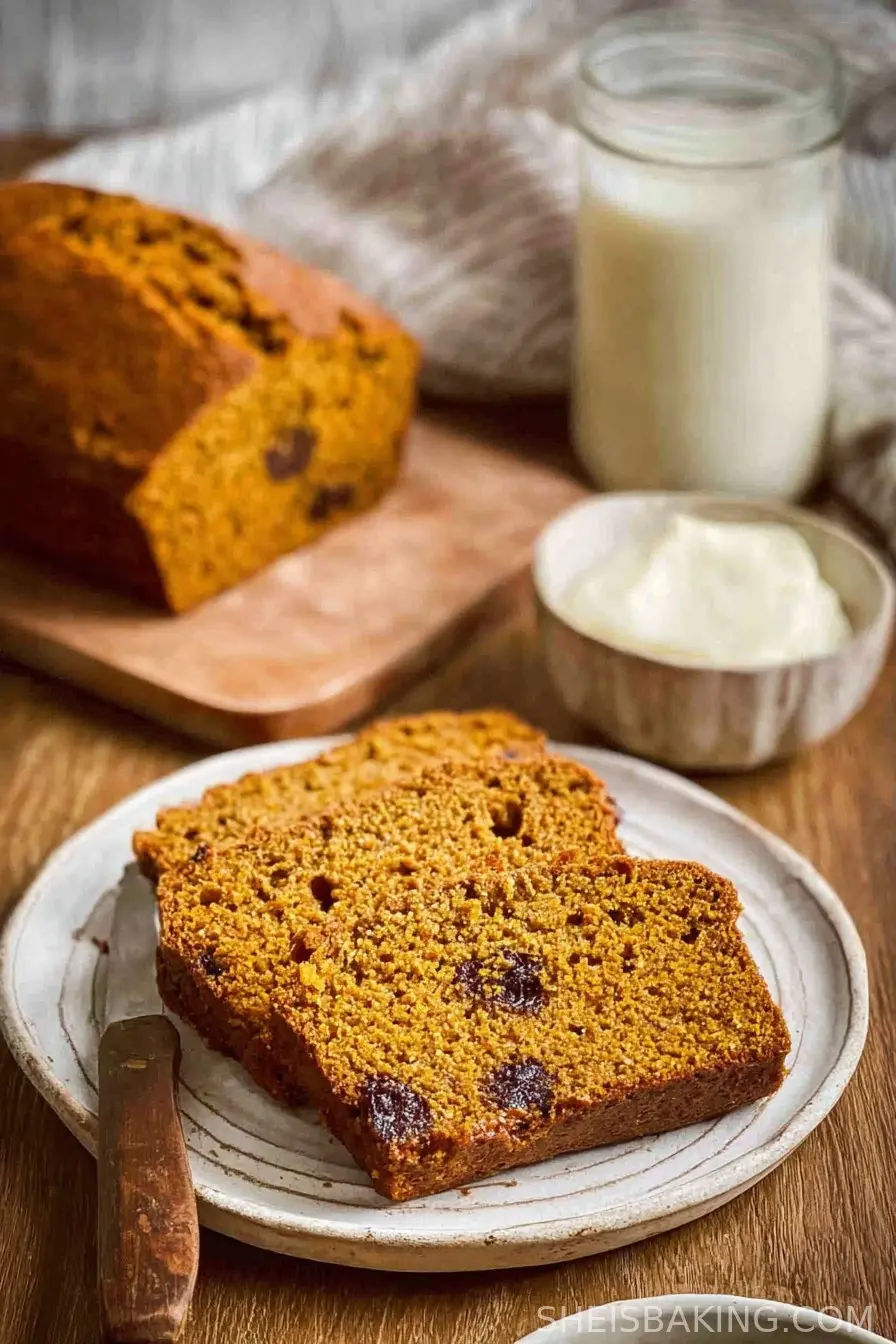
The origins of Pumpkin bread trace back to the early colonial settlers who adapted native pumpkin into various recipes. Over centuries, this delightful loaf has evolved and woven itself into the fabric of American autumn traditions, especially around Thanksgiving and Halloween.
Pumpkin bread is cherished not only for its nostalgic qualities and comforting aroma but also because it is incredibly versatile. The delicate blend of spices such as cinnamon, nutmeg, and cloves combine with the subtle earthiness of pumpkin to create a bread that is heartwarming and satisfying.
Whether enjoyed fresh from the oven or as a quick grab for breakfast, pumpkin bread embodies the spirit of fall baking. This pumpkin bread recipe strikes a perfect balance between wholesome ingredients and irresistible flavor, making it an ideal treat for gatherings, lunchboxes, or a cozy evening snack.
Join the long tradition of autumn bakers and discover why pumpkin bread is cherished generation after generation.
Ingredients
- 1 ¾ cups all-purpose flour
- 1 teaspoon baking soda
- ½ teaspoon baking powder
- ½ teaspoon salt
- 1 teaspoon ground cinnamon
- ½ teaspoon ground nutmeg
- ¼ teaspoon ground cloves
- ¼ teaspoon ground ginger
- 1 ½ cups granulated sugar
- ½ cup packed brown sugar
- 2 large eggs
- ½ cup vegetable oil (or melted coconut oil)
- ½ cup unsweetened applesauce
- 1 can (15 ounces) pure pumpkin puree
- ¼ cup milk (dairy or non-dairy)
- 1 teaspoon vanilla extract
- Optional: ½ cup chopped walnuts or pecans
- Optional: ½ cup chocolate chips
Instructions
- Preheat your oven to 350 degrees Fahrenheit (175 degrees Celsius) and grease a 9x5-inch loaf pan or line it with parchment paper.
- In a medium bowl, whisk together all-purpose flour, baking soda, baking powder, salt, cinnamon, nutmeg, cloves, and ginger until well combined.
- In a large mixing bowl, combine granulated sugar, brown sugar, eggs, and vegetable oil. Whisk until smooth, then add applesauce, pumpkin puree, milk, and vanilla extract. Mix until thoroughly blended.
- Gradually add the dry ingredients to the wet mixture, stirring gently until just combined. Be careful not to overmix.
- If desired, fold in chopped nuts or chocolate chips for added texture and flavor.
- Pour the batter evenly into the prepared loaf pan and smooth the top with a spatula.
- Bake in the preheated oven for 55 to 65 minutes, or until a toothpick inserted in the center of the loaf comes out clean or with just a few moist crumbs.
- Remove the pan from the oven and let the pumpkin bread cool in the pan for 10 minutes before transferring it to a wire rack to cool completely.
- Slice and serve your homemade pumpkin bread, either warm or at room temperature.
Nutritional Information
Pumpkin bread is not only a comforting treat but also provides a blend of nutrients depending on the ingredients used. A typical slice (1/12th of a loaf, approximately 80 grams) contains about 210-240 calories.
It delivers a balanced macronutrient profile, with around 4 grams of fat, 3 grams of protein, and 43 grams of carbohydrates, including 20 grams of sugar thanks to the inclusion of both granulated and brown sugars.
The eggs and milk in the recipe provide protein and calcium, while pumpkin puree supplies a significant dose of vitamin A, courtesy of its natural beta-carotene content. Each slice offers roughly 45-70% of the recommended daily intake for vitamin A.
The loaf is also a source of dietary fiber, particularly if whole grain flour is used or if the recipe includes nuts. However, due to the sugar content, enjoy pumpkin bread in moderation, especially if you are monitoring your refined sugar intake.
For those seeking to make pumpkin bread healthier, consider reducing the sugar, opting for whole grain flour, or using non-dairy milk. Nuts add protein, healthy fats, and additional fiber, while omitting chocolate chips can reduce the overall sugar content.
Pumpkin bread can be a reasonable part of a balanced diet, especially when enjoyed alongside nutrient-rich side dishes or beverages.

Wine and Beverage Pairings
The warm spices and rich texture of pumpkin bread pair beautifully with a variety of beverages. A hot cup of coffee, especially coffee with earthy notes like a medium or dark roast, brings out the bread's depth and balances its sweetness.
If you prefer tea, opt for chai or spiced black teas, which complement the cinnamon and nutmeg flavors perfectly. For a creamy contrast, a cold glass of milk or a non-dairy alternative such as oat or almond milk makes an excellent pairing, especially for breakfast.
For a more festive touch, serve pumpkin bread with hot apple cider or a lightly spiced mulled wine. In the evening, consider a dessert wine like Moscato or a medium-bodied, slightly sweet Riesling to elevate the autumn experience.
Cooking Tips and Variations
Achieving the best pumpkin bread requires attention to a few key details. First, be careful not to overmix the batter; stirring just until the dry ingredients are incorporated prevents unwanted toughness and ensures a tender crumb.
For enhanced flavor complexity, toast your spices lightly in a dry pan before mixing them into the batter. Pumpkin bread adapts beautifully to various dietary needs: you can substitute whole wheat flour for a portion of the all-purpose flour to boost fiber and nutrients.
If you follow a vegan diet, replace eggs with flaxseed eggs and use a plant-based milk. Applesauce and oil provide the necessary moisture, and using melted coconut oil can lend a subtle, pleasant flavor. Add-ins such as chopped walnuts, pecans, dried cranberries, or chocolate chips further personalize the bread.
For a bakery-style presentation, sprinkle a handful of pepitas or raw pumpkin seeds on top before baking. If you're a fan of spices, try adding a pinch of cardamom or allspice for additional warmth.
To avoid undercooked centers, ensure your loaf pan is the correct size and test doneness with a skewer or toothpick. For storing, let the bread cool completely before wrapping tightly; it stays moist at room temperature for several days or freezes well for up to three months.

Serving Suggestions
Pumpkin bread shines in its versatility, making it suitable for breakfast, snacks, dessert, or even a thoughtful homemade gift. For breakfast, serve a warm slice spread with a thin layer of cream cheese, sweet butter, or nut butter for added richness and flavor.
Pumpkin bread also makes a delightful afternoon snack paired with your favorite hot beverage. During gatherings or holiday meals, slice the bread into small pieces for a crowd-pleasing side dish that complements savory roasts, soups, and salads.
It can be transformed into an indulgent dessert by topping with a drizzle of vanilla glaze or dusting with powdered sugar. For a brunch spread, present pumpkin bread alongside seasonal fruit, yogurt, and cheese platters.
If you're hosting a party, arrange slices on a board with honey, caramel sauce, or fruit preserves for dipping. Pumpkin bread travels well, so consider wrapping slices individually for lunchbox treats or picnics.
For an elegant twist, cut the bread into cubes and create pumpkin bread trifles layered with whipped cream and spiced fruit compote. However you choose to serve it, pumpkin bread adds a festive, aromatic touch sure to delight and impress.
Health Benefits
Pumpkin bread offers several health benefits, making it an enjoyable and relatively nutritious choice in moderation. Pumpkin, which forms the foundation of the recipe, is packed with essential vitamins such as vitamin A, which supports eye health, immune function, and skin integrity.
The natural fiber in pumpkin and added nuts aids digestion and helps regulate blood sugar levels. The bread can be made even healthier with mindful choices like using whole wheat flour for added fiber, reducing the amount of sugar, or choosing non-dairy milk for those with lactose sensitivities.
Spices like cinnamon and nutmeg are not only flavorful but also feature antioxidants and anti-inflammatory properties. Eggs contribute high-quality protein and vitamin D, while nuts boost heart-healthy fats and minerals.
By adjusting the recipe-using low-fat oils, reducing sugar, and introducing seeds or dried fruit-you can tailor pumpkin bread to suit your dietary preferences and health goals. Always remember to enjoy pumpkin bread as part of a balanced diet and lifestyle for maximum health benefits.
Frequently Asked Questions
Yes, you can substitute freshly cooked and mashed pumpkin for canned pumpkin puree. Ensure that the homemade puree is thoroughly drained and similar in consistency to canned puree for the best texture.
Once completely cooled, wrap pumpkin bread in plastic wrap or store it in an airtight container at room temperature for up to four days. For longer storage, freeze individual slices for up to three months.
Absolutely. Substitute your favorite gluten-free all-purpose flour blend for the regular flour. Make sure it includes xanthan gum or add ½ teaspoon per cup of flour for better texture.
Yes, it can be adapted for vegans by replacing eggs with flaxseed eggs and using plant-based milk and oil. The rest of the ingredients can remain the same.
Certainly. Raisins, dried cranberries, or even sunflower seeds can be added for extra flavor, texture, and nutrition. Simply fold them in with the nuts or chocolate chips.
Pumpkin bread, with its moist crumb, fragrant spices, and rich pumpkin flavor, is a timeless recipe that deserves a spot in every home baker's repertoire. Its simplicity and adaptability make it perfect for anyone looking to capture the essence of autumn in a single bite. Whether shared with friends and family, packed for a snack, or enjoyed as a sweet breakfast treat, pumpkin bread offers warmth and comfort throughout the cooler months. By following this comprehensive guide, you can create the best pumpkin bread recipe that meets your taste and dietary needs. Experiment with fun add-ins, try different serving styles, and savor the delight that only homemade pumpkin bread can bring.
Ingredients
- 1 ¾ cups all-purpose flour
- 1 cup granulated sugar
- ½ cup brown sugar
- 1 teaspoon baking soda
- 2 teaspoons ground cinnamon
- ½ teaspoon ground nutmeg
- ¼ teaspoon ground cloves
- ½ teaspoon salt
- 2 large eggs
- ½ cup vegetable oil
- 1 ½ cups pumpkin puree
- ¼ cup milk
- 1 teaspoon vanilla extract
Instructions
-
1Preheat the oven to 350°F (175°C). Grease a 9x5-inch loaf pan.
-
2In a large bowl, whisk together flour, granulated sugar, brown sugar, baking soda, cinnamon, nutmeg, cloves, and salt.
-
3In another bowl, beat the eggs, then add vegetable oil, pumpkin puree, milk, and vanilla extract. Whisk until well combined.
-
4Add the wet ingredients to the dry ingredients. Stir just until combined; do not overmix.
-
5Pour the batter into the prepared loaf pan and smooth the top.
-
6Bake for 55-60 minutes, or until a toothpick inserted into the center comes out clean. Let cool before slicing and serving.
Approximate Information for One Serving
Nutrition Disclaimers
Number of total servings shown is approximate. Actual number of servings will depend on your preferred portion sizes.
Nutritional values shown are general guidelines and reflect information for 1 serving using the ingredients listed, not including any optional ingredients. Actual macros may vary slightly depending on specific brands and types of ingredients used.
To determine the weight of one serving, prepare the recipe as instructed. Weigh the finished recipe, then divide the weight of the finished recipe (not including the weight of the container the food is in) by the desired number of servings. Result will be the weight of one serving.
Did you make this recipe?
Please consider Pinning it!!
Leave a Reply