
Few desserts rival the prestige and indulgence of an authentic New York Cheesecake (Classic Recipe). Renowned for its rich, creamy filling and distinctive dense texture, this celebrated dessert has won hearts across the globe.
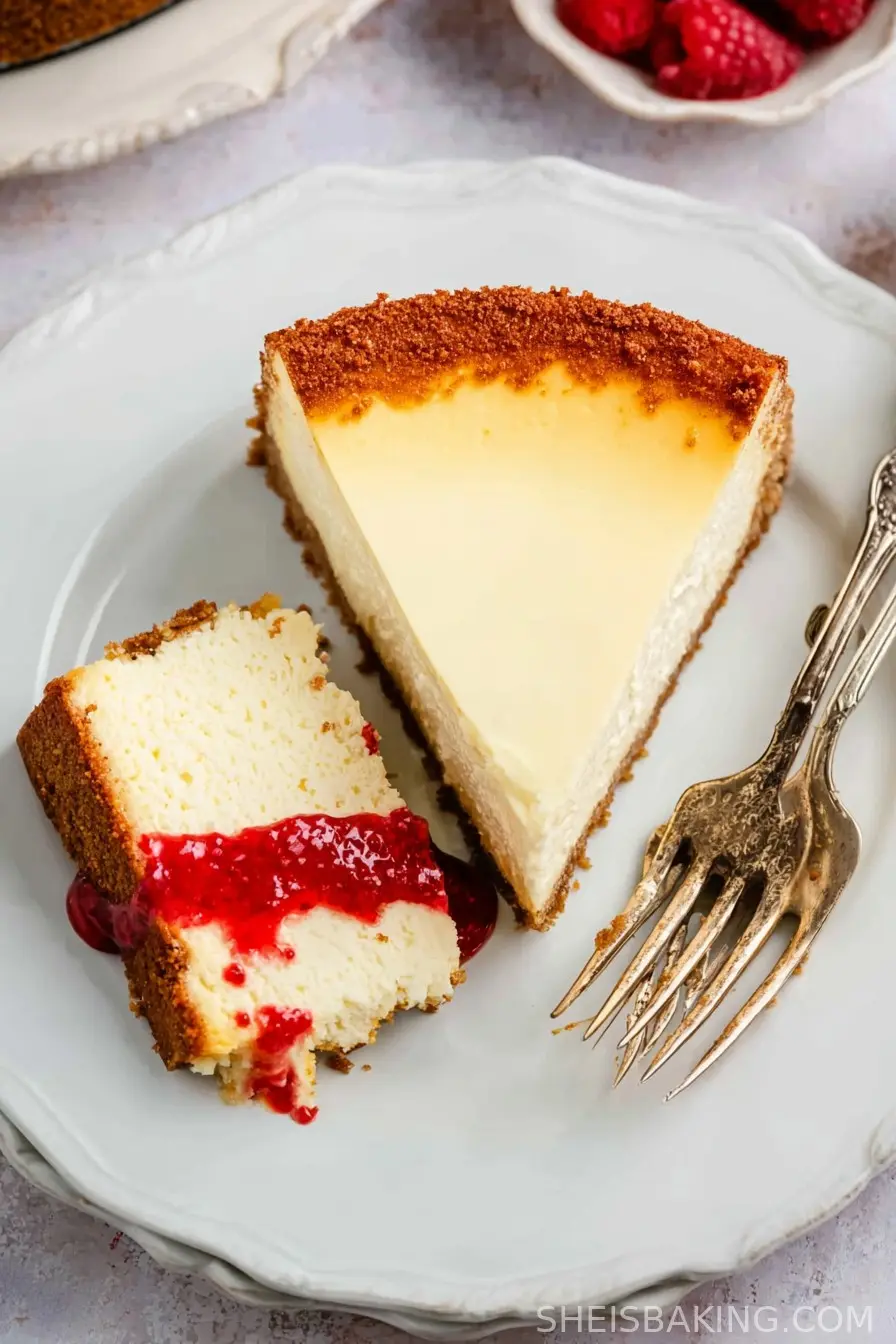
New York Cheesecake is a staple of American baking, showcasing a blend of American and European culinary traditions. Its origins can be traced back to the early 1900s in New York City, where it gained massive popularity among deli patrons and dessert lovers alike.
Unlike lighter cheesecakes, the New York Cheesecake (Classic Recipe) is characterized by the use of full-fat cream cheese, eggs, sugar, and a buttery graham cracker crust. Sometimes a touch of sour cream is added, delivering an irresistible creamy finish and subtle tanginess that separate it from other varieties.
The primary method of baking in a springform pan with a water bath helps avoid cracks and ensures even baking. Over the years, this classic recipe has stood the test of time, becoming an essential part of celebrations and special occasions.
Today, with the right ingredients and technique, anyone can master this iconic dessert in their own kitchen. Whether you're looking to impress guests or indulge in a favorite treat, learning how to make a New York Cheesecake (Classic Recipe) will instantly elevate your baking abilities.
Dive into our comprehensive guide, complete with ingredient breakdowns, step-by-step instructions, and expert tips to achieve the most delectable cheesecake every time.
Ingredients
- 2 cups graham cracker crumbs (about 16 full sheets)
- ½ cup unsalted butter, melted
- ¼ cup granulated sugar
- 4 packages (8 ounces each) full-fat cream cheese, room temperature
- 1 ¼ cups granulated sugar
- 1 cup sour cream, room temperature
- 1 teaspoon pure vanilla extract
- 4 large eggs, room temperature
- 2 tablespoons all-purpose flour
- ¼ teaspoon salt
- Zest of 1 lemon (optional)
Instructions
- Preheat your oven to 350°F (175°C). Grease the bottom and sides of a 9-inch springform pan.
- In a medium bowl, combine graham cracker crumbs, ¼ cup granulated sugar, and melted butter. Mix until the crumbs are evenly moistened.
- Press the crumb mixture firmly into the bottom (and slightly up the sides) of the prepared springform pan. Bake for 10 minutes until golden. Remove and let cool.
- Lower the oven temperature to 325°F (163°C).
- Using a stand mixer or hand mixer, beat the cream cheese on medium speed until smooth and creamy, about 3-4 minutes.
- Gradually add 1 ¼ cups granulated sugar, continuing to beat until fully combined and fluffy.
- Add the sour cream and vanilla extract, mixing on low until well incorporated.
- Beat in the eggs, one at a time, blending each just until incorporated. Do not overmix.
- On low speed, sprinkle in the flour and salt. Mix until just combined. Fold in lemon zest if using.
- Pour the cream cheese batter over the cooled crust, smoothing the top with a spatula.
- Wrap the bottom and sides of the pan with a double layer of aluminum foil to prevent leaks. Place the pan in a larger roasting pan and fill with hot water halfway up the sides (water bath).
- Bake for 1 hour and 10 minutes to 1 hour and 20 minutes, or until the center is just set and a slight jiggle remains.
- Turn off the oven and prop open the door. Allow the cheesecake to cool slowly in the oven for 1 hour to prevent cracking.
- Remove the cheesecake from the water bath. Run a thin knife around the edge to loosen, then cool completely at room temperature.
- Cover and refrigerate for at least 6 hours or overnight before removing from the pan and serving.
Nutritional Information
A typical slice of New York Cheesecake (Classic Recipe) delivers sumptuous flavor alongside a dense, creamy texture that dessert lovers adore. While this dessert is luxurious, it's important to enjoy it mindfully due to its calorie and fat content.
A standard slice (1/12th of the cake) contains approximately 410-450 calories, with 30-32 grams of fat, 25-30 grams of carbohydrates, 6-8 grams of protein, and 240-260 milligrams of sodium.
The primary sources of fat and protein are the full-fat cream cheese and eggs, which also provide notable amounts of calcium and vitamin A. The graham cracker crust adds a comforting crunch and introduces some carbohydrates.
While the saturated fat level is relatively high, special occasions call for a treat, and New York Cheesecake (Classic Recipe) delivers both flavor and indulgence in every bite. For those mindful of sugar intake, each slice also contains about 19-23 grams of sugar.
Modifications can be made for lower fat, calories, or sugar, such as using reduced-fat dairy or less sugar. Always enjoy New York Cheesecake (Classic Recipe) as part of a balanced diet and savor the indulgence as a memorable highlight.

Wine and Beverage Pairings
New York Cheesecake (Classic Recipe) pairs exquisitely with a range of beverages. A late-harvest Riesling or Sauternes complements the cake's creamy richness with their sweet yet acidic notes. If you prefer sparkling options, Champagne or Prosecco offer delightful contrast to the cheesecake's density and provide a celebratory touch.
Coffee and espresso make classic partners, as their bitterness cuts through the sweet, creamy filling.
Black tea or herbal infusions like chamomile work for those seeking a caffeine-free pairing, while fruity dessert wines such as Moscato d'Asti or ruby port are decadent companions, especially if your cheesecake is topped with berries.
For non-alcoholic beverages, consider a vanilla bean milkshake or fresh berry smoothie for a playful twist.
Cooking Tips and Variations
Perfecting a New York Cheesecake (Classic Recipe) is part art, part science. For the optimal crust, ensure your graham cracker crumbs are finely ground and well-packed into the pan; this prevents crumbling and creates a sturdy base.
Allow all ingredients, especially cream cheese, sour cream, and eggs, to reach room temperature before mixing. This tip ensures a smooth, lump-free batter that bakes evenly. Overmixing the filling can incorporate excess air and lead to cracks or a fluffy rather than creamy texture, so blend only until just combined.
Using a water bath is essential for classic cheesecake as it provides gentle, even heat and helps prevent cracking. Double-wrap your springform pan with heavy-duty foil to avoid water seeping into the crust.
Let the cheesecake cool slowly in the oven before refrigerating; rapid temperature changes are a common cause of cracks. If you love variation, consider swirling fruit purees like raspberry or blueberry through the batter before baking, or create a chocolate variation by adding cocoa powder.
For a tangier taste, increase the amount of sour cream slightly. Mini cheesecakes and bite-sized bars are also fun adaptations of the New York Cheesecake (Classic Recipe) and perfect for parties or gifting.
Remember, even if your cheesecake develops a crack, toppings like fruit or whipped cream will make it look and taste splendid.

Serving Suggestions
Serving the New York Cheesecake (Classic Recipe) is all about presentation and enhancing the overall enjoyment. For flawless slices, use a sharp, thin-bladed knife dipped in hot water and wiped clean between each cut to keep edges neat.
Serve the cheesecake well-chilled but let it rest at room temperature for about 20-30 minutes for the smoothest and creamiest texture. Elevate your cheesecake by garnishing with fresh berries, a drizzle of fruit sauce, or chocolate shavings. Dollops of whipped cream add a classic finishing touch.
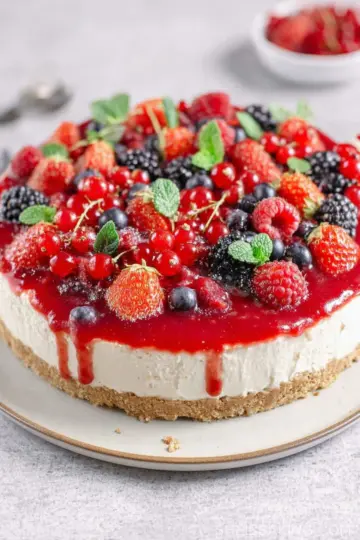
To create a dessert centerpiece, surround the cheesecake with sliced strawberries, blueberries, or a medley of seasonal fruits for a burst of color and freshness. A dusting of powdered sugar or a sprig of mint also adds sophistication.
Consider serving individual slices with side accompaniments such as berry compote, caramel sauce, or candied citrus peels for a gourmet touch. If entertaining, pre-slice and chill the pieces for easy service at parties or buffets.
New York Cheesecake (Classic Recipe) keeps well in the refrigerator for up to 5 days, making it ideal for make-ahead desserts. Its elegant appearance and universally loved flavor make it suitable for birthdays, anniversaries, or holidays.
Health Benefits
While New York Cheesecake (Classic Recipe) is traditionally indulgent, it offers some nutritional positives when enjoyed in moderation. Cream cheese and eggs provide good sources of protein, calcium, and vitamin A, which are essential for bone health and cell functioning.
The dessert can be adapted for specific dietary needs by substituting reduced-fat cream cheese and Greek yogurt for sour cream, minimizing calories and fat while enhancing protein levels. Including fresh fruit as a topping increases the vitamin, antioxidant, and fiber content, contributing to better overall nutrition.
For those managing blood sugar, using sugar substitutes or reducing the added sugar can make the cheesecake more accessible. The psychological benefit can't be overlooked; sharing a slice of this iconic cheesecake brings joy, satisfaction, and strengthens bonds during special occasions.
Always incorporate treats like New York Cheesecake (Classic Recipe) into a balanced diet, complemented with nutrient-rich foods and an active lifestyle. Moderation ensures that you can enjoy this delicious classic without compromising health goals.
Frequently Asked Questions
A water bath provides gentle, even heat, which prevents the cheesecake from cracking and ensures the creamy texture that defines the classic.
Prevent cracks by not overmixing the batter, baking in a water bath, and cooling the cheesecake slowly in the oven with the door ajar.
Store slices in an airtight container in the refrigerator for up to 5 days. For longer storage, cheesecake slices can be frozen for up to 2 months.
Yes, simply substitute gluten-free graham crackers in the crust and ensure all other ingredients are gluten-free to accommodate dietary needs.
Chilling overnight is highly recommended for the best flavor and texture, allowing the cheesecake to fully set and develop its creamy consistency.
Mastering the art of New York Cheesecake (Classic Recipe) brings both culinary pride and endless opportunities to delight friends and family. This iconic dessert blends a golden, buttery crust with a luscious, creamy filling, capturing the spirit of classic New York baking. Whether served plain, adorned with fresh fruit, or drizzled with sauces and creams, every slice is a celebration. By following the steps and tips shared here, you'll consistently achieve show-stopping results, perfect for any occasion. Remember to savor every bite, enjoy the moments shared over dessert, and keep experimenting with flavors and presentation. New York Cheesecake (Classic Recipe) deserves a permanent place in every baker's repertoire. Happy baking!
Ingredients
- 2 cups graham cracker crumbs
- ½ cup unsalted butter, melted
- ¼ cup granulated sugar (for crust)
- 4 (8 oz) packages cream cheese, softened
- 1 ¼ cups granulated sugar
- 1 teaspoon vanilla extract
- 4 large eggs
- ⅔ cup sour cream
- ¼ cup all-purpose flour
Instructions
-
1Preheat the oven to 325°F (163°C). Grease a 9-inch springform pan and line the bottom with parchment paper.
-
2In a medium bowl, combine graham cracker crumbs, melted butter, and ¼ cup sugar. Press the mixture firmly into the bottom of the prepared pan to form an even crust.
-
3In a large bowl, beat the cream cheese until smooth. Add 1 ¼ cups sugar and vanilla extract, and mix until well combined. Beat in the eggs, one at a time, mixing well after each addition.
-
4Add sour cream and flour to the cream cheese mixture; mix just until smooth. Do not overmix.
-
5Pour the batter over the crust in the springform pan. Bake for 1 hour and 15 minutes, or until the center is almost set but still slightly jiggly.
-
6Turn off the oven and leave the cheesecake inside with the door slightly open for 1 hour. Remove from the oven, cool completely, then refrigerate for at least 4 hours before serving.
Approximate Information for One Serving
Nutrition Disclaimers
Number of total servings shown is approximate. Actual number of servings will depend on your preferred portion sizes.
Nutritional values shown are general guidelines and reflect information for 1 serving using the ingredients listed, not including any optional ingredients. Actual macros may vary slightly depending on specific brands and types of ingredients used.
To determine the weight of one serving, prepare the recipe as instructed. Weigh the finished recipe, then divide the weight of the finished recipe (not including the weight of the container the food is in) by the desired number of servings. Result will be the weight of one serving.
Did you make this recipe?
Please consider Pinning it!!

Leave a Reply