
Puppy Chow, also widely known as Muddy Buddies, is a beloved snack mix that brings nostalgia and joy to any gathering. Despite its playful name, Puppy Chow is a treat strictly for humans-a delicious combination of rice cereal, chocolate, peanut butter, and powdered sugar.
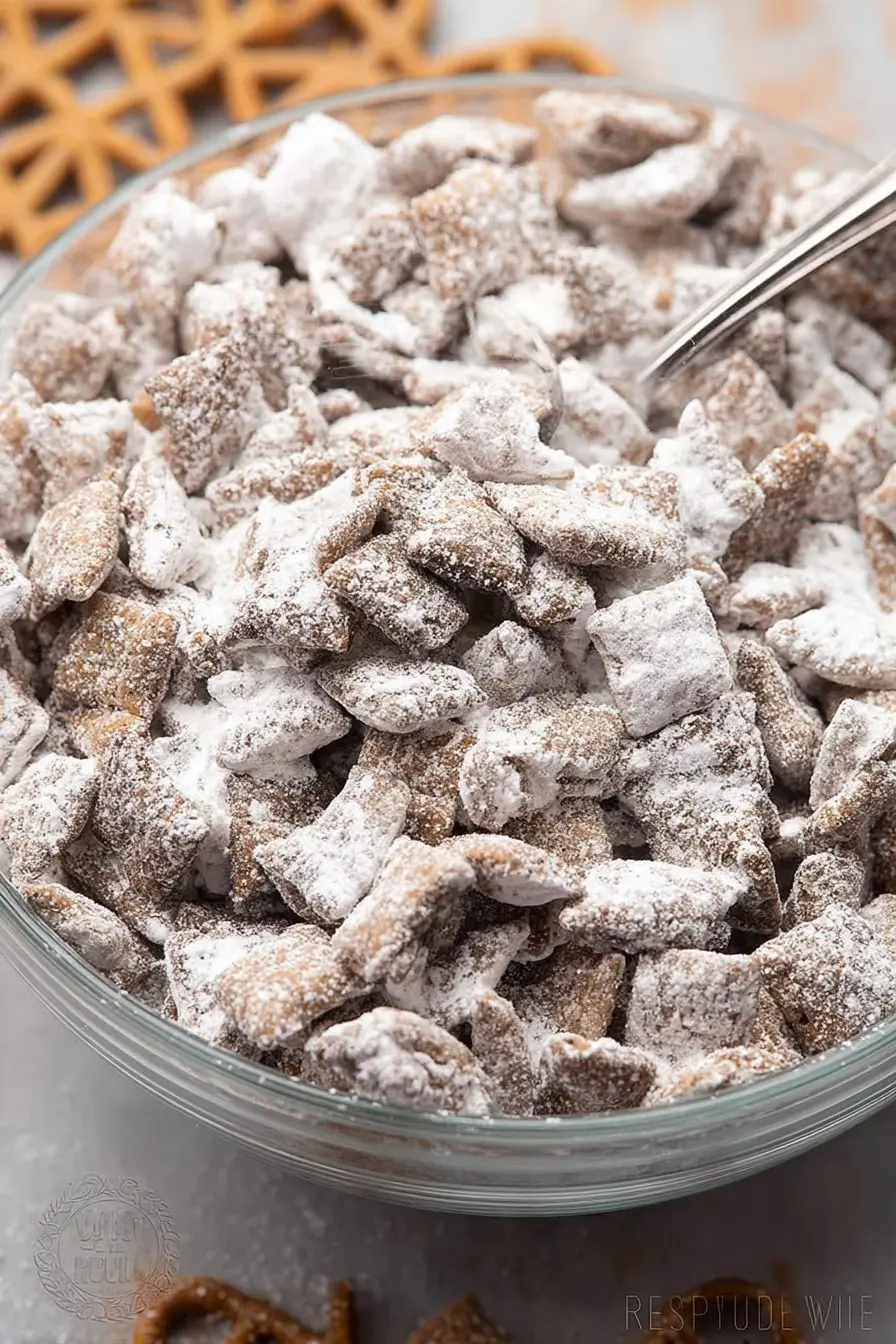
Thanks to its irresistible blend of creamy, crunchy, sweet, and salty notes, Puppy Chow has cemented its place at birthday parties, holiday celebrations, and casual movie nights across the country.
While the origins of Puppy Chow trace back several decades, it rose to popularity during the 1980s in the Midwest United States. It was a staple at potlucks and quickly gained national fame for its ease of preparation and addictively good flavor.
The name "Puppy Chow" comes from its resemblance to actual dog food kibble, but rest assured this dessert snack is only for humans! Beyond its fun origins, Puppy Chow stands out as an adaptable treat that can be tailored with various flavors, add-ins, and ingredients.
Whether you encountered Puppy Chow for the first time at a holiday party or made it as an after-school snack, this recipe will guide you step-by-step to recreate the crunch and sweetness of this classic favorite.
Dive into the world of Puppy Chow and discover why it remains an iconic homemade snack mix for all ages.
Ingredients
- 9 cups rice cereal squares (such as Chex)
- 1 cup semisweet chocolate chips
- ½ cup creamy peanut butter
- ¼ cup unsalted butter
- 1 teaspoon pure vanilla extract
- 1 ½ cups powdered sugar
- Optional: ½ cup mini candies (such as M&M's), for mix-ins
Instructions
- Measure the rice cereal into a large mixing bowl and set aside.
- In a microwave-safe bowl, combine the chocolate chips, peanut butter, and unsalted butter.
- Microwave the mixture uncovered on high for 1 minute, then stir. Continue microwaving in 30-second intervals, stirring after each, until the mixture is smooth.
- Stir in the vanilla extract to the melted mixture.
- Pour the chocolate-peanut butter mixture over the cereal. Gently fold with a spatula until all cereal squares are evenly coated.
- Transfer the coated cereal into a large, sealable plastic bag or a large container with a lid.
- Add powdered sugar to the bag or container. Seal and shake vigorously until all pieces are well coated and no wet spots remain.
- Spread the Puppy Chow onto a baking sheet lined with parchment paper to cool and set for about 20 minutes.
- Once cool and dried, add any optional mix-ins like mini candies if desired. Store in an airtight container until ready to serve.
Nutritional Information
Puppy Chow is undeniably a treat best enjoyed in moderation, given its rich combination of chocolate, peanut butter, and powdered sugar. For a standard serving size of about ½ cup, the nutritional breakdown is approximately 210 calories.
This portion also contains roughly 7 grams of fat, 30 grams of carbohydrates, 4 grams of protein, and about 12 grams of sugar. The recipe delivers a moderate amount of calcium and iron, mostly coming from the fortified cereal base, with small amounts of dietary fiber.
The inclusion of peanut butter also provides some protein and healthy monounsaturated fats, which help with satiety. However, it should be noted that Puppy Chow is a high-sugar, high-energy snack and not intended as a meal replacement.
Those watching their sugar or caloric intake should be mindful of their portion sizes, as this addictively delicious mix is easy to overindulge in. Puppy Chow is suitable for vegetarians, but not for those with nut allergies unless a nut-free alternative is used.
With that in mind, this snack offers the occasional sweet treat experience, perfect for special occasions, without being overwhelming in saturated fats or artificial additives.

Wine and Beverage Pairings
Puppy Chow's sweet and chocolatey flavors pair well with a glass of cold milk, making it a delightful treat for kids and adults alike. For a non-dairy alternative, almond or oat milk complements the nutty flavors.
Coffee lovers can enjoy Puppy Chow alongside a cup of rich, freshly brewed coffee-especially blends with chocolate or nutty tasting notes. If you wish to elevate the experience further during a holiday gathering, serve Puppy Chow with a creamy hot chocolate topped with marshmallows.
For an adult twist, try pairing this snack with a sweet dessert wine like Moscato or a chocolatey stout beer, which enhances the dessert's rich flavors.
Cooking Tips and Variations
For the best Puppy Chow, use fresh, crispy rice cereal-stale cereal will yield a soggy result. When melting the chocolate and peanut butter, mix thoroughly to prevent spots of unmelted chocolate or peanut butter. Use a gentle hand when coating the cereal to avoid crushing the squares.
To ensure even coverage of powdered sugar, it helps to work in batches or in a large container with a tight-fitting lid. For flavor variations, swap semisweet chocolate for white chocolate, or add a spoonful of Nutella for a hazelnut twist. Want to mix things up?
Toss in holiday-themed sprinkles, peppermint extract, or a pinch of sea salt for a gourmet touch. For a nut-free version, substitute the peanut butter with sunflower seed butter or soy nut butter.
If you prefer less sweetness, reduce the powdered sugar or mix it with cocoa powder for a lower-sugar coating. Puppy Chow makes a wonderful homemade gift; portion into decorative jars or festive bags for special occasions.
Remember to store leftovers in an airtight container at room temperature for up to one week to maintain peak crispness.

Serving Suggestions
Puppy Chow is highly versatile in presentation, making it ideal for all kinds of occasions. Serve large bowls at parties, game nights, or movie marathons where guests can help themselves to this easily shareable treat.
For special events like birthdays, baby showers, or holiday gatherings, spoon Puppy Chow into decorative cups or themed paper cones for individual portions. During festive seasons, add colorful sprinkles or candy-coated chocolates to match the occasion-think red and green for Christmas, or pastels for Easter.
Puppy Chow also makes a thoughtful and easy homemade gift: simply package in mason jars or cellophane bags, tie with a ribbon, and include a handwritten gift tag.
For a fun twist, set up a snack bar with Puppy Chow and a selection of mix-ins like pretzels, dried fruit, or mini marshmallows so guests can customize their own snack bags. And for day-to-day snacking, pack Puppy Chow in lunchboxes or sealable bags for an on-the-go sweet treat.
However you choose to serve it, always ensure it's stored in airtight containers to maintain maximum freshness and crunch.
Health Benefits
While Puppy Chow is intended as a delightful, indulgent snack, certain ingredients provide nutritional value. The rice cereal offers some essential nutrients like iron and B vitamins due to its fortification.
Peanut butter contributes protein and healthy fats, which help keep you fuller for longer, as well as vitamin E and magnesium that are beneficial for heart health. Using dark chocolate chips instead of semisweet adds a small amount of antioxidants.
To make Puppy Chow a bit healthier, choose natural, low-sugar peanut butter, reduce the powdered sugar, or use whole grain cereal. Remember, despite these benefits, Puppy Chow is high in simple carbohydrates and sugars, so it is best enjoyed in moderation as part of a varied diet.
Those with dietary restrictions, such as gluten or nut allergies, can make appropriate ingredient substitutions to ensure a safer snacking experience.
Frequently Asked Questions
Puppy Chow gets its name from its resemblance to dog food kibble, but it is a sweet, chocolate-covered snack mix crafted especially for people.
Store leftover Puppy Chow in an airtight container at room temperature for up to one week. For longer storage, keep it in the refrigerator for up to two weeks, though it's best enjoyed fresh for crunchiness.
Yes, you can substitute peanut butter with seed butters like sunflower or soy nut butter for a nut-free version with similar texture and taste.
Puppy Chow can be gluten-free if you use gluten-free rice cereal and ensure all mix-ins and chocolate chips are certified gluten-free.
No, Puppy Chow is not safe for pets. It contains chocolate and other ingredients that are toxic to dogs and cats, so it's meant strictly for human consumption.
Puppy Chow is more than just a sweet treat-it's a cultural staple for gatherings, celebrations, and everyday indulgence. Its minimal prep time, customizable nature, and universal appeal make it a must-have recipe in every home cook's repertoire. Whether you've cherished it since childhood or are tasting it for the first time, this Puppy Chow recipe ensures you enjoy crunchy, chocolatey bites with every handful. Use the provided tips to tailor each batch to your preferences and let the nostalgia and flavor create wonderful new memories around your snack table.
Ingredients
- 9 cups rice cereal squares (such as Chex)
- 1 cup semi-sweet chocolate chips
- ½ cup creamy peanut butter
- ¼ cup unsalted butter
- 1 teaspoon vanilla extract
- ¼ teaspoon salt
- 2 cups powdered sugar
Instructions
-
1Place the rice cereal squares in a large mixing bowl and set aside.
-
2In a microwave-safe bowl, combine chocolate chips, creamy peanut butter, and butter. Microwave in 30-second increments, stirring in between, until melted and smooth.
-
3Stir in the vanilla extract and salt into the melted mixture.
-
4Pour the chocolate-peanut butter mixture over the cereal and gently fold to coat all pieces evenly.
-
5Transfer the coated cereal to a large resealable plastic bag, add powdered sugar, seal, and shake until all cereal is thoroughly coated.
-
6Spread the Puppy Chow out onto a baking sheet to cool, then serve or store in an airtight container.
Approximate Information for One Serving
Nutrition Disclaimers
Number of total servings shown is approximate. Actual number of servings will depend on your preferred portion sizes.
Nutritional values shown are general guidelines and reflect information for 1 serving using the ingredients listed, not including any optional ingredients. Actual macros may vary slightly depending on specific brands and types of ingredients used.
To determine the weight of one serving, prepare the recipe as instructed. Weigh the finished recipe, then divide the weight of the finished recipe (not including the weight of the container the food is in) by the desired number of servings. Result will be the weight of one serving.
Did you make this recipe?
Please consider Pinning it!!

Leave a Reply