
Peppermint Bark has become synonymous with the holiday season, beloved for its striking appearance, mouthwatering combination of flavors, and delightful crunch. This classic peppermint-infused chocolate treat makes use of only a handful of ingredients, but delivers maximum festive joy and nostalgia with every bite.
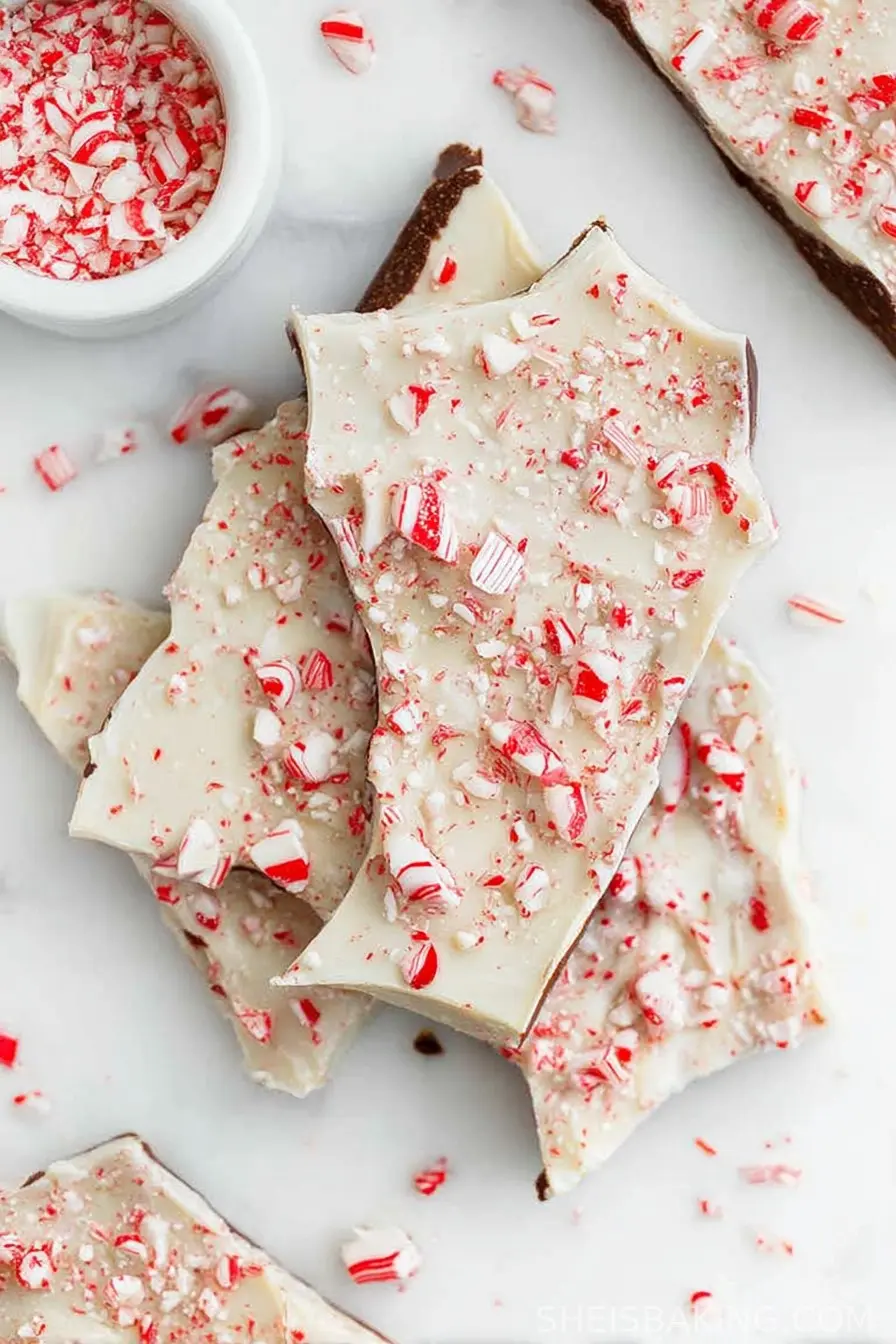
Peppermint Bark is incredibly easy to prepare and makes a wonderful homemade gift or centerpiece on any dessert tray.
The process of layering rich chocolate with creamy white chocolate and sprinkling it with cool, crushed peppermint candies is both fun and therapeutic, making it a favorite tradition for families and holiday bakers everywhere.
Originating in the United States, the tradition of peppermint and chocolate dates back decades, with variations popping up each year in bakeries, stores, and home kitchens.
Its popularity soared in the mid-20th century as peppermint candies became more widely available and chocolate lovers sought new ways to enjoy their favorite flavors. Today, Peppermint Bark is regarded as a must-have item during winter festivities.
Not only does it look beautiful, but it also tastes incredible, delivering the perfect balance of fresh peppermint, creamy white chocolate, and velvety dark or milk chocolate.
Whether you make it for family gatherings, gift exchanges, or simply for personal indulgence, this Peppermint Bark recipe will help you create a treat that captures the essence of the season and brings a smile to anyone who tastes it.
Ingredients
- 12 ounces high-quality semisweet or dark chocolate, chopped
- 12 ounces high-quality white chocolate, chopped
- 1 teaspoon peppermint extract (optional, for extra peppermint flavor)
- 1 cup crushed peppermint candies or candy canes
- 2 teaspoons coconut oil or vegetable shortening (optional, for smoother chocolate)
- Parchment paper
Instructions
- Line a rimmed baking sheet with parchment paper, ensuring it fits the tray snugly and extends a bit over the edges for easy removal.
- Melt the semisweet or dark chocolate in a heatproof bowl set over a pot of simmering water (double boiler) or in the microwave in 20-second intervals, stirring well after each burst, until smooth.
- Stir in 1 teaspoon coconut oil or shortening if using for a smoother finish and glossy appearance.
- Once melted, pour the dark chocolate onto the prepared baking sheet and spread it into an even layer about ¼ inch thick using an offset spatula.
- Chill the tray in the refrigerator for about 20 minutes or until the chocolate is just set but not rock-hard.
- Meanwhile, melt the white chocolate using the same method as the dark chocolate. If desired, add peppermint extract for an extra minty flavor, along with the remaining coconut oil or shortening.
- Remove the tray from the refrigerator and pour the melted white chocolate over the chilled dark chocolate layer. Quickly spread it evenly with an offset spatula, working gently to avoid mixing the two layers.
- Sprinkle the crushed peppermint candies evenly over the top of the white chocolate while it is still wet, pressing in lightly so they adhere.
- Refrigerate the bark for another 30 minutes or until completely firm and set.
- Once solid, lift the peppermint bark out of the tray using the parchment paper. Break or cut into irregular pieces for a rustic look.
- Store peppermint bark in an airtight container at cool room temperature for up to 2 weeks or in the refrigerator for longer freshness.
Nutritional Information
Peppermint Bark is a treat that should be enjoyed in moderation. Each piece (approximately 1 ounce or 28 grams) contains roughly 160-180 calories, depending on the chocolate brand and thickness.
It typically delivers around 8-9 grams of fat (mostly from cocoa butter), 18-20 grams of carbohydrates, 13-15 grams of sugar, and 2 grams of protein. The peppermint candies contribute additional sugar, while the chocolate provides minerals such as magnesium, copper, and iron.
White chocolate, while less nutrient-dense than dark chocolate, offers creamy richness. While the treat is naturally gluten-free, those with allergies should always check the ingredient labels to ensure there's no cross-contamination with gluten or nuts.
Peppermint Bark is best regarded as an occasional indulgence, perfect for celebrating holidays and festive occasions. Guests with specific dietary needs (such as dairy allergies or vegan preferences) can adapt the recipe using dairy-free chocolates.
As with all sweets, portion control is key, especially for those conscious of sugar or calorie intake. Peppermint Bark does not contribute significant vitamins or fiber, so balance your indulgence with fruits or wholesome foods.
However, dark chocolate does offer antioxidants in small amounts, providing a heart-healthy bonus for chocolate lovers. Remember, the joy of Peppermint Bark lies as much in the celebratory experience as in its taste.
Wine and Beverage Pairings
Peppermint Bark pairs beautifully with a wide range of drinks. For adults, rich dessert wines such as Ruby Port or Moscato d'Asti complement the sweetness of the chocolate and the peppermint's cool finish. Peppermint Bark also pairs remarkably well with hot cocoa or a classic mocha, amplifying the chocolatey experience.
For a sophisticated touch, serve alongside a cup of espresso or cappuccino, where the contrast between the robust coffee and sweet peppermint creates a harmonious balance. For a refreshing non-alcoholic option, sip on peppermint tea or a vanilla-almond milk latte.
Children will enjoy their bark most with a tall glass of cold milk, which balances the richness and makes every bite even more indulgent.
Cooking Tips and Variations
To achieve the ultimate Peppermint Bark, start by using the highest quality chocolate available - the better the chocolate, the richer and smoother your bark will taste. Tempering the chocolate will give your bark a beautiful glossy finish and satisfying snap, but it's not absolutely necessary for home cooks.
If you want to make the bark extra festive, swirl the white and dark chocolate layers together gently with a toothpick before adding the crushed candies for a marbled effect.
When crushing peppermint candies, place them in a zip-top bag and use a rolling pin to break them into small, even pieces - too fine and they'll melt, too chunky and they may be hard to eat.
For more variety, experiment with different chocolate bases, such as milk chocolate, or infuse the topping with edible glitter, holiday sprinkles, or even chopped nuts for extra texture. Consider substituting flavored extracts, like vanilla or orange, for a new twist.
To make vegan or dairy-free Peppermint Bark, opt for plant-based chocolate and candies without milk derivatives. Remember to let each chocolate layer set properly before adding the next to avoid blending or a muddy appearance.
If you're short on time, set the tray in the freezer between steps, but be wary of unwanted moisture that can form.
Lastly, don't limit Peppermint Bark to Christmas - try it for winter weddings, New Year's parties, or as a refreshing treat any time you crave a little something sweet and minty.

Serving Suggestions
Peppermint Bark is as versatile in presentation as it is in flavor. Arrange pieces in a decorative tin, box, or jar and tie with a festive ribbon for a homemade holiday gift that wows.
When serving to guests, display shards of bark on an elegant cake stand, or scatter them across a dessert platter with fresh berries, cookies, and marshmallows for a visually appealing sweets table.
For a chic after-dinner treat, serve Peppermint Bark with a coffee and tea service, allowing everyone to help themselves to a piece alongside their hot beverage of choice.
Peppermint Bark can also be used as a creative topping: break into small fragments and sprinkle over bowls of vanilla ice cream or nestle pieces into frosted cupcakes for a seasonal flair. For party favors, wrap individual pieces in cellophane bags with a sprig of holly or a personalized label.
At children's parties, offer bark as part of a build-your-own treat station alongside other candies and toppings. No matter how you choose to present it, Peppermint Bark will add a festive pop of color and irresistible flavor, quickly becoming a highlight of your holiday spread.
Health Benefits
While Peppermint Bark is primarily a sweet indulgence, it offers some surprising benefits when enjoyed thoughtfully. Dark chocolate, used in the base layer, is rich in antioxidants such as flavonoids, which may help protect the body from oxidative stress and support heart health when eaten in moderation.
Peppermint itself is well-known for its digestive properties; even in candy form, it can help freshen breath and soothe the tummy after a hearty meal. White chocolate, though less nutritious, lends a creamy texture and enjoyable flavor.
For those sensitive to dairy or seeking vegan options, the recipe is easily adapted with dairy-free chocolates and candies. Peppermint Bark is naturally gluten-free, making it accessible to those with gluten sensitivities when prepared with care.
Remember, due to its high sugar content, it's best enjoyed as an occasional treat, not an everyday snack. For health-conscious eaters, opt for dark chocolate with a higher cocoa content, and use less added sugar or lower-sugar peppermint candies.
Including small servings of Peppermint Bark as part of a balanced diet allows you to enjoy the best of the holiday season without guilt.
Frequently Asked Questions
Yes, Peppermint Bark stores very well. Prepare it up to two weeks ahead and store in an airtight container at a cool room temperature or refrigerate for added freshness.
Tempering the chocolate produces a shinier, crisper finish, but it is not mandatory for home recipes. Gently melting and quickly chilling the layers will result in delicious bark.
Absolutely. Use dairy-free dark or white chocolate, and ensure your peppermint candies contain no animal products for a vegan or dairy-free version.
Place unwrapped peppermint candies or candy canes in a heavy-duty zip-top bag and use a rolling pin to gently crush them into even bits, then pour over the bark.
While you can freeze Peppermint Bark for longer storage, be aware that condensation may affect texture upon thawing. Wrap well in plastic and place in an airtight container before freezing.
Peppermint Bark is a quintessential holiday treat, offering a beautiful medley of flavors and textures that's sure to bring cheer to any occasion. Its simplicity, paired with the potential for creative twists, makes it a standout recipe for both novices and experienced bakers alike. Whether gifted to loved ones or served as a festive finale to special gatherings, Peppermint Bark delivers timeless appeal. By following this recipe, you'll be able to recreate the classic winter confection in your own kitchen, delighting friends and family with every minty, chocolatey bite. Embrace the spirit of the season, experiment with your favorite flavor combinations, and savor the joy of sharing homemade Peppermint Bark with those you cherish.
Ingredients
- 225g (8 oz) semisweet chocolate, chopped
- 225g (8 oz) white chocolate, chopped
- ½ teaspoon peppermint extract
- ½ cup crushed peppermint candies or candy canes
- 1 tablespoon coconut oil (optional, for smoother chocolate)
- Pinch of salt
Instructions
-
1Line a baking sheet with parchment paper.
-
2Melt the semisweet chocolate with half the coconut oil and a pinch of salt in a microwave or double boiler until smooth.
-
3Spread the melted semisweet chocolate evenly on the prepared baking sheet. Chill for 10 minutes until slightly set.
-
4Melt the white chocolate with the remaining coconut oil. Stir in the peppermint extract.
-
5Spread the white chocolate layer over the chilled semisweet layer. Sprinkle the crushed peppermint candies evenly over the top.
-
6Chill in the refrigerator for 30 minutes, then break into pieces and enjoy.
Approximate Information for One Serving
Nutrition Disclaimers
Number of total servings shown is approximate. Actual number of servings will depend on your preferred portion sizes.
Nutritional values shown are general guidelines and reflect information for 1 serving using the ingredients listed, not including any optional ingredients. Actual macros may vary slightly depending on specific brands and types of ingredients used.
To determine the weight of one serving, prepare the recipe as instructed. Weigh the finished recipe, then divide the weight of the finished recipe (not including the weight of the container the food is in) by the desired number of servings. Result will be the weight of one serving.
Did you make this recipe?
Please consider Pinning it!!

Leave a Reply