
Salted Caramel Fudge has quickly become a beloved classic among confectionery lovers worldwide. Combining the rich, buttery flavor of Caramel with a hint of sea salt, this decadent treat offers the perfect balance between sweet and savory.
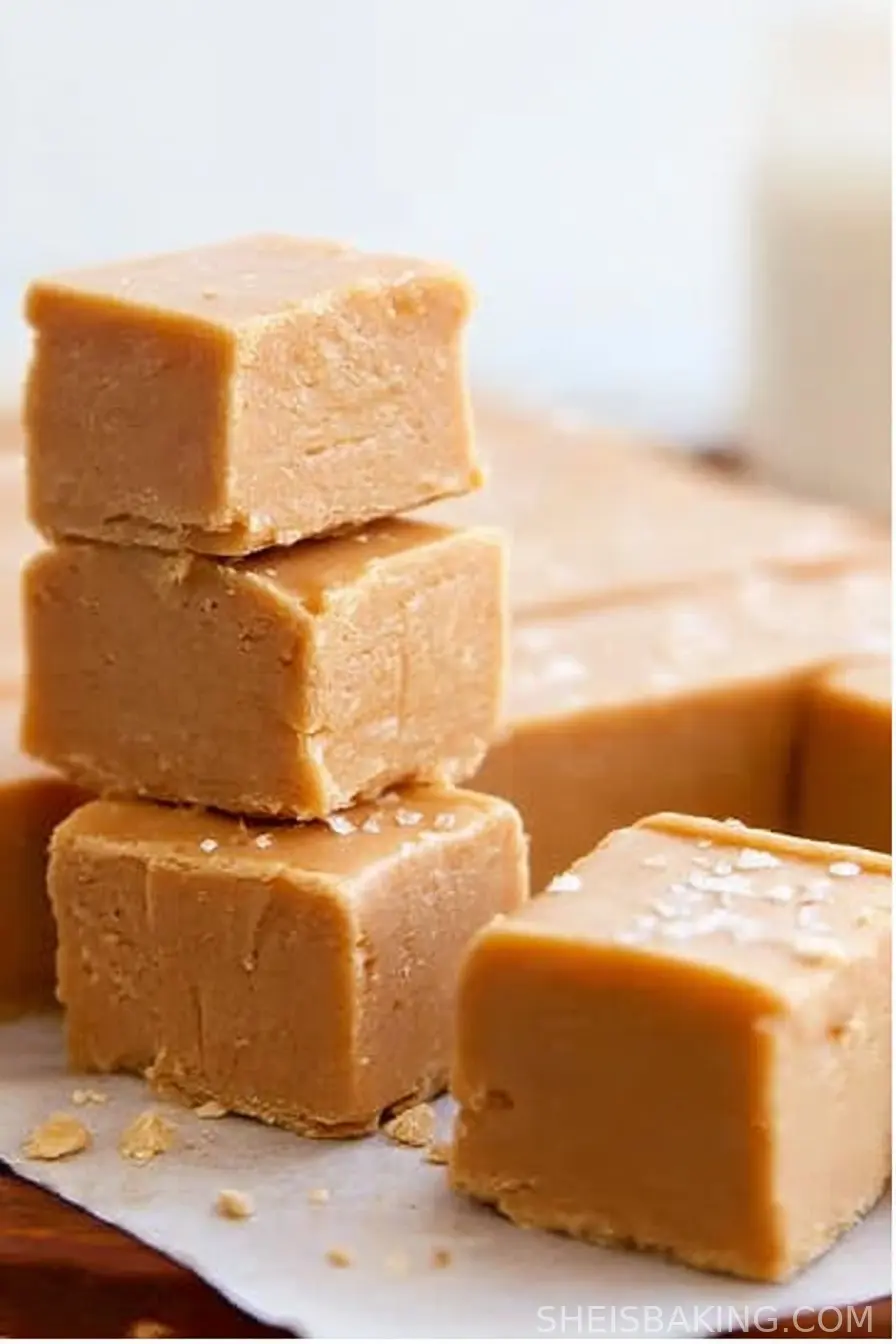
Fudge, a dense and creamy confection, traces its roots back to the late 19th century, often linked to the creativity of American college students who experimented with sugar, butter, and milk.
As culinary tastes have evolved, the addition of sea salt to a creamy caramel base has elevated the humble fudge to a gourmet delight. The smooth texture and unique flavor profile of Salted Caramel Fudge make it a popular offering at holiday gatherings, celebrations, and as a thoughtful homemade gift.
Easy to prepare and even easier to enjoy, this recipe yields luscious pieces of fudge that melt in your mouth with every bite. Salted Caramel Fudge is also incredibly versatile, allowing home cooks to tailor flavors and textures to their liking.
Whether you're a fan of traditional sweets or seeking a new twist on classic fudge, this indulgent recipe is sure to satisfy. Explore how to make Salted Caramel Fudge at home and reward yourself with a batch of sheer confectionery bliss.
Ingredients
- 2 cups granulated sugar
- 1 cup packed light brown sugar
- ¾ cup unsalted butter
- 1 cup heavy cream
- ¼ cup light corn syrup
- ½ teaspoon sea salt, plus more for topping
- 1 teaspoon vanilla extract
Instructions
- Line an 8-inch square pan with parchment paper, leaving some overhang for easy removal.
- In a heavy-bottomed saucepan over medium heat, combine the granulated sugar, brown sugar, butter, heavy cream, light corn syrup, and ½ teaspoon sea salt.
- Stir constantly until the butter is melted and all the sugars are dissolved.
- Bring the mixture to a gentle boil, stirring occasionally to prevent burning. Attach a candy thermometer to the side of the pan.
- Continue boiling the mixture until it reaches 238-240°F (soft-ball stage). This typically takes about 10-15 minutes. Stir often and monitor the temperature closely.
- Once it reaches the desired temperature, remove the saucepan from heat immediately.
- Add the vanilla extract and stir briskly until fully incorporated and the fudge mixture thickens and becomes creamy.
- Pour the mixture into the prepared pan, using a spatula to spread it evenly.
- Sprinkle a light layer of sea salt over the top while the fudge is still warm.
- Allow the fudge to cool at room temperature for at least 3-4 hours, or until fully set. You can speed this up by refrigerating for 1 hour once it has cooled to room temperature.
- Once set, lift the fudge from the pan using the parchment paper. Cut into 1-inch squares.
- Store the Salted Caramel Fudge in an airtight container at room temperature for up to 1 week, or refrigerate for longer freshness.
Nutritional Information
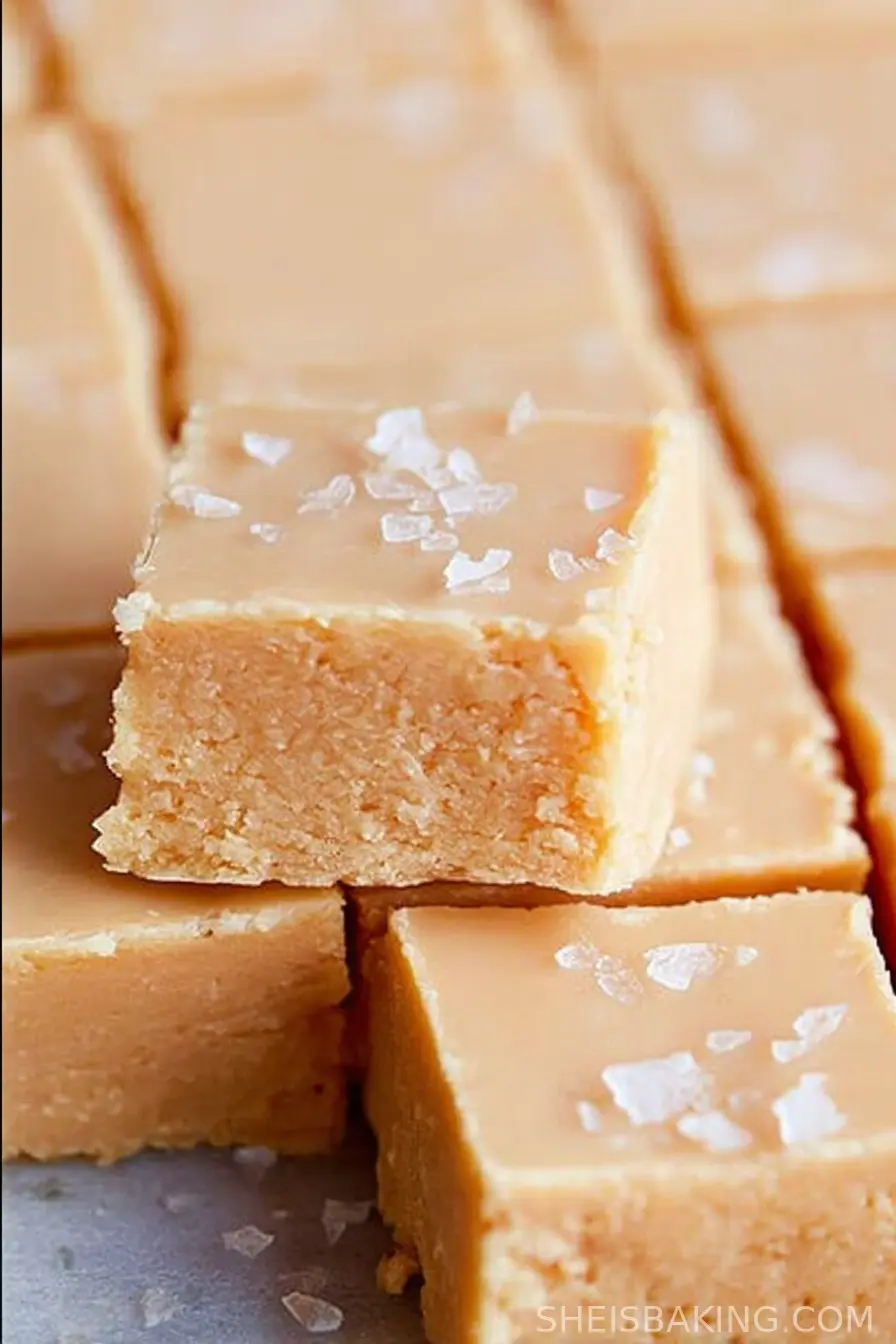
Salted Caramel Fudge is a delightful treat, and being mindful of its nutritional breakdown can help you enjoy it in moderation. On average, a 1-inch piece of this fudge (based on a batch cut into 36 squares) contains approximately 90-110 calories.
The main sources of calories are sugars and butter, providing quick-release energy. Each piece contains about 4-5 grams of fat, with saturated fat making up the majority due to the butter and cream. Carbohydrate content is high, largely derived from granulated and brown sugars, with each piece boasting 12-14 grams.
Protein content is negligible, typically less than 1 gram per piece. There is a small amount of sodium from the added sea salt, usually around 40-60 mg per piece. Salted Caramel Fudge is free from artificial preservatives and additives, making it a preferable homemade option over store-bought processed sweets.
However, given its rich sugar and fat content, it's best enjoyed as an occasional indulgence. For those concerned about allergens, this recipe contains dairy and may not be suitable for individuals with lactose intolerance unless substitutes are used.
Overall, while Salted Caramel Fudge is not a health food, enjoying a small piece as a treat can certainly fit into a balanced diet for most individuals.
Wine and Beverage Pairings
To complement the rich flavors of Salted Caramel Fudge, consider pairing it with beverages that enhance or balance its sweetness. Coffee, especially dark roast espresso or a caramel latte, offers a bold contrast that highlights the salty-sweet notes of the fudge.
For a more indulgent experience, try a dessert wine such as Sauternes or a late-harvest Riesling; the wine's natural sweetness harmonizes with the caramel while its acidity cuts through the richness.
If you prefer non-alcoholic drinks, chai tea with its warming spices or a simple glass of cold milk are classic choices that cleanse the palate between bites.
For a festive occasion, a glass of aged rum or bourbon served neat can bring out the caramel undertones and add depth to your fudge tasting experience.
Cooking Tips and Variations
Achieving the perfect Salted Caramel Fudge requires careful attention to detail and a few insider tips. First, always use a heavy-bottomed saucepan to ensure even heat distribution and prevent scorching.
Stir the mixture constantly when melting the sugars and butter, but reduce stirring once the mixture boils to avoid sugar crystals forming along the pan's edge.
Using a candy thermometer is essential to accurately reach the soft-ball stage (238-240°F); guessing can often result in a fudge that's either too soft or too hard. To intensify the caramel flavor, consider browning the butter slightly before adding the sugars.
For a creamier fudge, you can beat the mixture vigorously after removing it from the heat until it loses some of its gloss. Variations abound: try stirring in chopped toasted nuts, swirling in melted chocolate, or adding a splash of bourbon for complexity.
If you prefer a salty-sweet punch, use smoked or flaky finishing sea salt on top. For a vegan version, coconut cream and plant-based butter work well as substitutes, though it may alter the flavor slightly.
Lastly, always cut the fudge with a hot, clean knife for neat squares-rinse and wipe the knife between cuts for best results.
Serving Suggestions
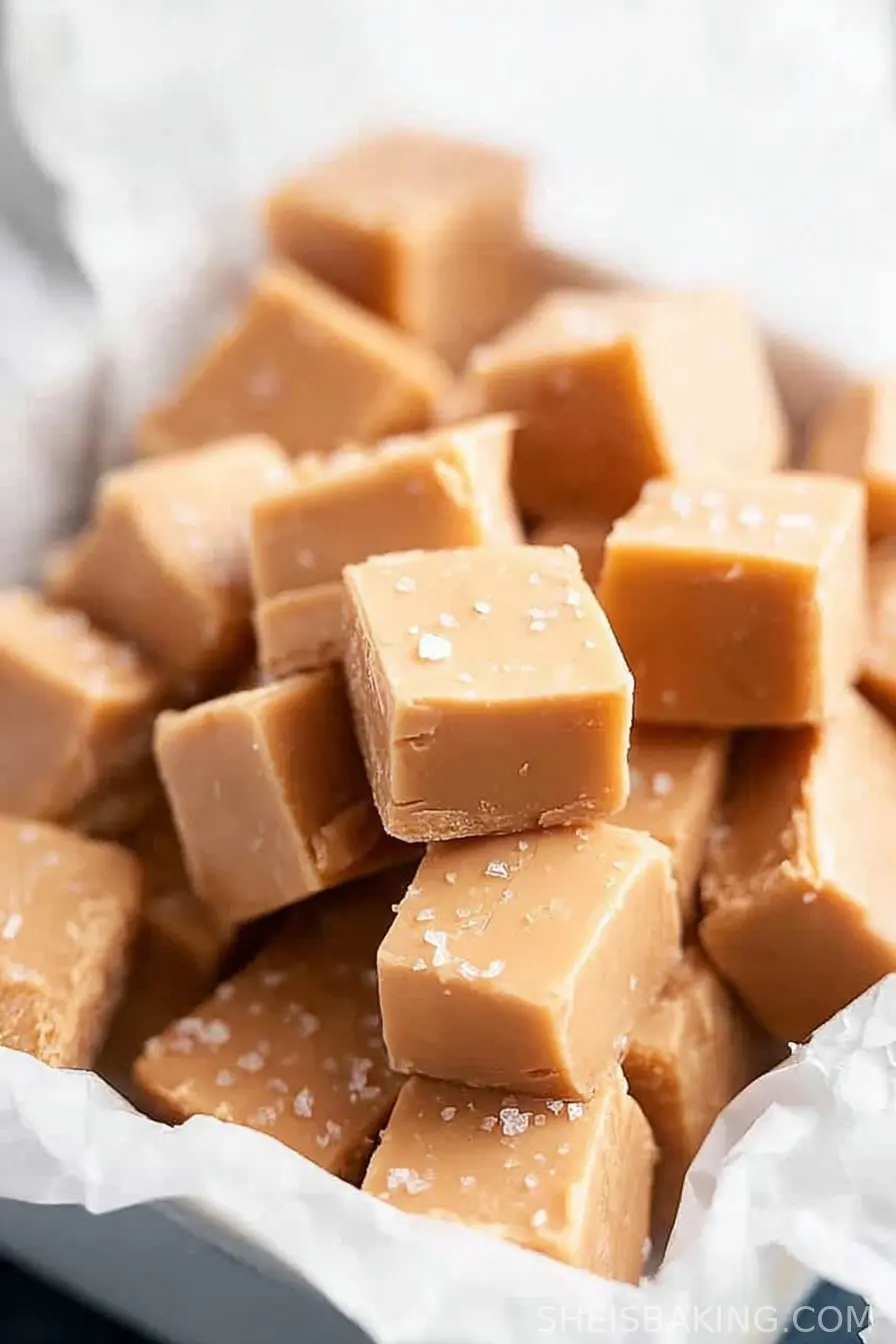
Serving Salted Caramel Fudge is as much about presentation as it is about flavor. For an impressive display, arrange squares of fudge on a decorative platter lined with parchment or wax paper to prevent sticking. Sprinkle extra sea salt crystals or edible gold flakes on top for a sophisticated touch.
This fudge makes an elegant addition to dessert tables at parties, wedding receptions, or holiday gatherings, where guests can savor its rich, creamy texture.
For gourmet gifting, wrap individual pieces in wax or cellophane and tie with colorful ribbon, or package several squares in a decorative tin or box for a homemade present that's sure to delight.
Pairing the fudge with fresh fruits such as apples, pears, or strawberries offers a refreshing contrast and adds a burst of color to your dessert tray. You can also serve Salted Caramel Fudge alongside other sweets like chocolate truffles or nut brittle for a varied selection of textures and flavors.
If serving at home, a small piece of fudge next to a scoop of vanilla or coffee ice cream can transform a simple dessert into a showstopping finish. Remember to offer smaller portions, as the richness of the fudge goes a long way.
Encourage your guests to savor each bite slowly to fully appreciate the nuanced flavors of the salted caramel. This approach helps stretch the batch further and makes your homemade treats even more memorable.
Health Benefits
While Salted Caramel Fudge is certainly an indulgence, there are a few redeeming qualities and mindful practices you can employ to incorporate this treat into a balanced lifestyle. Unlike mass-produced candies, homemade fudge allows you to control the quality of the ingredients, ensuring there are no unnecessary additives or preservatives.
Using quality sea salt, real vanilla extract, and fresh dairy products can make your recipe more wholesome. Eating sweets in moderation has been shown to aid in satiety and prevent overindulgence later on.
Fudge is also a source of quick energy, making it useful as an occasional pick-me-up during physically demanding days. For those looking to make this dessert a bit healthier, consider using a reduced-sugar recipe, switching to coconut cream or plant-based butter, or adding chopped nuts for natural protein and fiber.
Dark chocolate swirls or cacao nibs can also boost antioxidant content. However, individuals with health concerns such as diabetes, heart disease, or lactose intolerance should enjoy Salted Caramel Fudge sparingly and consult with a healthcare professional about how such treats fit into their overall diet.
Ultimately, balance and moderation, along with occasional indulgence in quality homemade sweets, can support a positive, sustainable relationship with food.
Frequently Asked Questions
Store Salted Caramel Fudge in an airtight container at room temperature for up to one week. To extend freshness, refrigerate the fudge, ensuring it is well-wrapped to prevent it from drying out.
Grainy fudge typically results from sugar crystals forming during cooking. To prevent this, stir constantly while melting the sugar, avoid scraping the sides of the pan, and use a candy thermometer to achieve the correct temperature. Beating the mixture after removing from heat until it thickens can also help create a smooth fudgy texture.
Yes, you can freeze Salted Caramel Fudge. Wrap it tightly in cling film and place it in an airtight container before freezing. Thaw in the refrigerator before serving to maintain the best texture and flavor.
While possible, using a candy thermometer is highly recommended for accuracy. If you don't have one, test the fudge by dropping a small amount into cold water; if it forms a soft, pliable ball, it is ready.
You can replace light corn syrup with golden syrup, maple syrup, or honey, though these substitutes may alter the flavor and texture slightly.
Salted Caramel Fudge is the ultimate treat for anyone who appreciates a harmonious blend of sweet and salty flavors, wrapped in rich, velvety bites. Easy to make at home with just a handful of ingredients, this fudge recipe offers impressive results suitable for both everyday indulgence and special celebrations. Whether you stick to the classic version or experiment with your own creative additions, Salted Caramel Fudge is sure to become a staple in your dessert repertoire. Its creamy texture, subtle crunch of sea salt, and deep caramel notes make every bite unforgettable. Present it beautifully as a gift, serve it at gatherings, or simply make a batch to satisfy your own cravings-this recipe is guaranteed to please. Enjoy the delightful process of making and sharing this irresistible, crowd-pleasing confection with family and friends.
Ingredients
- 2 cups granulated sugar
- ¾ cup unsalted butter
- ¾ cup heavy cream
- 1 can (14 oz) sweetened condensed milk
- ¼ cup light corn syrup
- 1 teaspoon vanilla extract
- ¾ teaspoon flaky sea salt, divided
- 1 cup white chocolate chips
Instructions
-
1Line an 8-inch square baking pan with parchment paper, leaving some overhang for easy removal.
-
2In a large saucepan over medium heat, combine sugar, butter, heavy cream, sweetened condensed milk, and corn syrup. Stir frequently until butter is melted and mixture begins to simmer.
-
3Continue stirring and bring the mixture to a gentle boil. Cook for 10-12 minutes, or until it thickens and turns a deep golden caramel. Remove from heat.
-
4Stir in vanilla extract, white chocolate chips, and ½ teaspoon of the flaky sea salt. Mix until smooth and fully combined.
-
5Pour the fudge mixture into the prepared pan and smooth the top. Sprinkle remaining ¼ teaspoon sea salt evenly over the surface.
-
6Allow fudge to cool at room temperature for 2 hours, then chill in the refrigerator until set. Cut into squares and serve.
Approximate Information for One Serving
Nutrition Disclaimers
Number of total servings shown is approximate. Actual number of servings will depend on your preferred portion sizes.
Nutritional values shown are general guidelines and reflect information for 1 serving using the ingredients listed, not including any optional ingredients. Actual macros may vary slightly depending on specific brands and types of ingredients used.
To determine the weight of one serving, prepare the recipe as instructed. Weigh the finished recipe, then divide the weight of the finished recipe (not including the weight of the container the food is in) by the desired number of servings. Result will be the weight of one serving.
Did you make this recipe?
Please consider Pinning it!!


Leave a Reply