
Biscoff Cake has rapidly become a beloved treat in households and bakeries worldwide, celebrated for its rich caramelized biscuit flavor and luxurious, velvety texture. The primary ingredient, biscoff spread (sometimes known as cookie butter), is made from the famous Belgian Lotus Biscoff cookies.
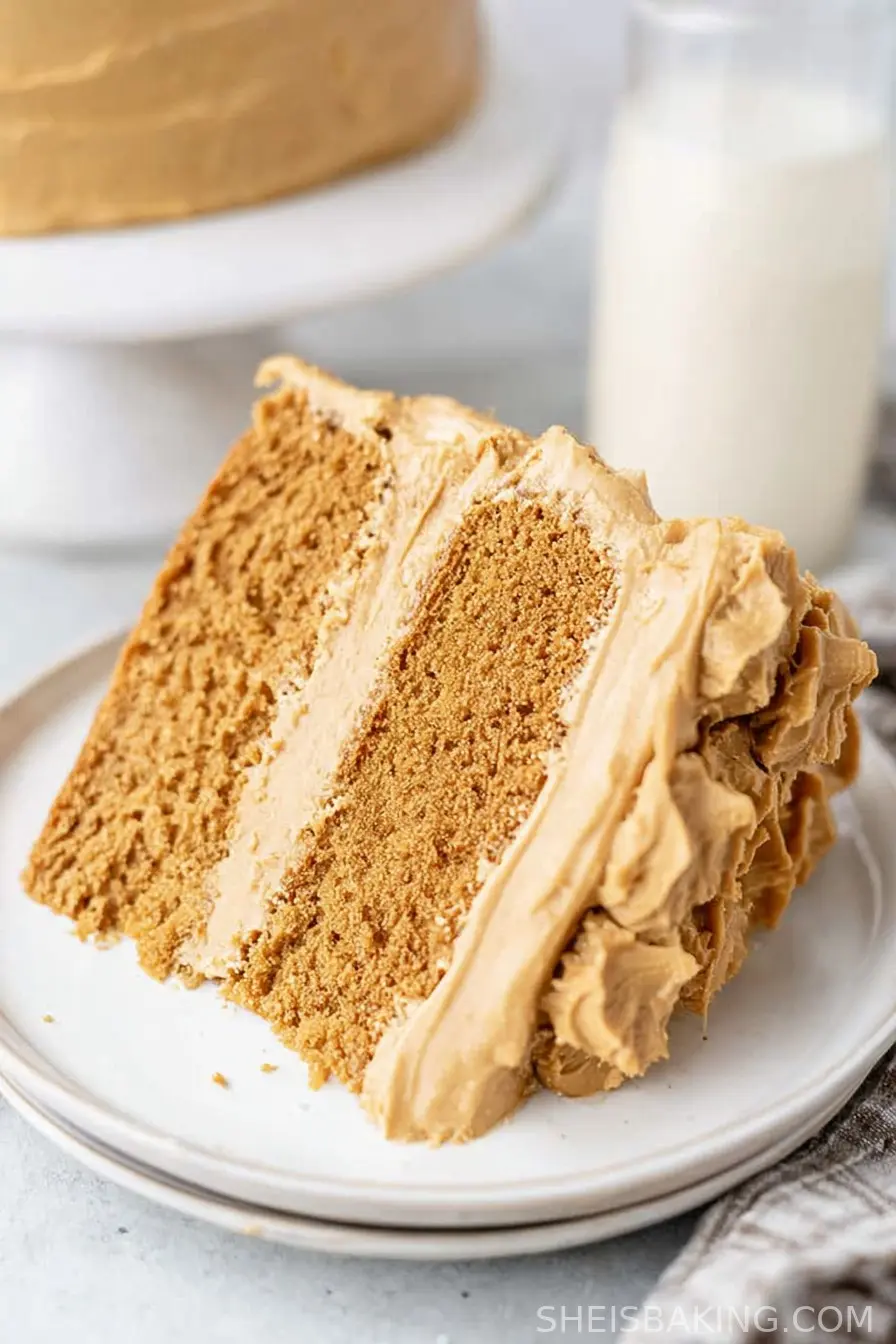
These cookies have a deep caramel flavor with hints of cinnamon and brown sugar, making them a delicious base for desserts. Biscoff Cake starts with tender, buttery layers infused with Biscoff spread, creating an indulgent crumb that is both moist and flavorful.
Typically, the cake is layered and frosted with a creamy Biscoff buttercream, further amplifying its delicious notes and ensuring every bite is pure cookie-inspired magic. Biscoff Cake is ideal for all types of celebrations, from birthdays to special family gatherings.
The unique flavor of Biscoff combined with the soft, spongy cake makes it perfect for those who crave something different from traditional vanilla or chocolate cakes. The dessert is often decorated with crushed Biscoff cookies, a drizzle of Biscoff spread, and sometimes even whole cookies for a stunning presentation.
Whether you are new to baking or an experienced pastry enthusiast, making a Biscoff Cake at home is a rewarding experience that delivers a homemade masterpiece bursting with European flair.
In this recipe guide, you'll learn every detail for crafting the ultimate Biscoff Cake, from the essential ingredients to baking instructions, tips, and serving suggestions. Prepare to treat yourself and your loved ones to a decadent slice that brings a touch of Belgium's finest flavors right to your table.
Ingredients
- 2 ½ cups all-purpose flour
- 2 ½ teaspoons baking powder
- ½ teaspoon baking soda
- ¾ teaspoon salt
- 1 cup unsalted butter, room temperature
- 1 cup granulated sugar
- ½ cup light brown sugar, packed
- 4 large eggs, room temperature
- 2 teaspoons pure vanilla extract
- ¾ cup Biscoff spread (smooth or crunchy, as preferred)
- 1 cup whole milk, room temperature
- ½ cup sour cream, room temperature
- For Biscoff buttercream:
- 1 cup unsalted butter, room temperature
- 2 cups powdered sugar
- 1 cup Biscoff spread
- 2-3 tablespoons heavy cream or milk
- ½ teaspoon salt
- To decorate:
- ½ cup crushed Biscoff cookies
- 3-4 whole Biscoff cookies (optional)
- 2 tablespoons melted Biscoff spread (for drizzle, optional)
Instructions
- Preheat your oven to 350°F (175°C). Grease and line three 8-inch round cake pans with parchment paper.
- In a medium bowl, whisk together the all-purpose flour, baking powder, baking soda, and salt until well combined. Set aside.
- In a large mixing bowl, cream the unsalted butter, granulated sugar, and light brown sugar together on medium speed until light and fluffy, about 3-4 minutes.
- Add the eggs one at a time, mixing well after each addition and scraping down the sides of the bowl as needed.
- Mix in the vanilla extract and the Biscoff spread, beating until fully incorporated and the batter is smooth.
- In a separate bowl or measuring jug, combine the whole milk and sour cream, stirring until smooth.
- Add the dry ingredients in three parts to the wet mixture, alternating with the milk and sour cream mixture. Start and end with the dry ingredients, mixing until just combined after each addition. Do not overmix.
- Divide the batter evenly between the prepared cake pans and smooth the tops with a spatula.
- Bake for 23-28 minutes or until a toothpick inserted into the center comes out clean or with a few moist crumbs. Let the cakes cool in the pans for 10 minutes, then transfer them to wire racks to cool completely.
- To make the Biscoff buttercream, beat the unsalted butter on medium-high speed for 3 minutes until creamy and pale.
- Reduce mixer speed to low and gradually add the powdered sugar and salt, mixing until combined.
- Add the Biscoff spread and beat until the mixture is well blended.
- Add 2 tablespoons of heavy cream or milk. Beat the frosting on high for 2-3 minutes until fluffy, adding more cream if needed for desired consistency.
- To assemble, place the first cake layer on a cake stand and spread with a layer of Biscoff buttercream. Repeat with the remaining layers.
- Frost the outside of the cake with the remaining Biscoff buttercream, smoothing with an offset spatula.
- Decorate the top and sides with crushed Biscoff cookies, a drizzle of melted Biscoff spread, and whole Biscoff cookies as desired.
- Chill for at least 20 minutes before slicing to allow the cake to set for clean cuts. Serve at room temperature.
Nutritional Information
A standard slice of Biscoff Cake, when prepared with the above ingredients and divided into 12 servings, yields about 480 to 520 calories per slice. Each serving contains approximately 26 grams of fat, 60 grams of carbohydrates, and 6 grams of protein.
The cake provides about 1.5 grams of dietary fiber and 35 to 40 grams of sugar, largely attributed to the sugar content in Biscoff spread and the buttercream frosting.
While the cake is rich in energy and carbohydrates, its main nutritional strengths come from supplying quick energy thanks to its sugars and fats, which are essential, especially during celebrations and active days. The use of eggs and butter contributes a small amount of protein, Vitamin A, and calcium.
The milk and sour cream used also add modest amounts of calcium and probiotics, making the texture tender and the cake slightly more nutritious. As with any dessert, moderation is key.
Biscoff Cake is a high-calorie treat, so enjoy it as an occasional indulgence rather than a daily part of your diet. For lighter slices, you could reduce the sugar in the buttercream or use less frosting. Regardless, Biscoff Cake is perfect for sharing and celebrating special moments with loved ones.
Each moist, aromatic piece is a source of joy, best enjoyed guilt-free when balanced with a healthy overall diet.
Wine and Beverage Pairings
The perfect beverage to accompany a slice of Biscoff Cake can elevate the entire dessert experience. A steaming cup of robust coffee or espresso is a classic choice, as the deep, roasted notes complement the caramel and spice in the cake.
For tea lovers, chai or spiced black tea pairs exceptionally well, with their hints of cardamom and cinnamon mirroring the Biscoff's flavors. On celebratory occasions, a lightly sweet dessert wine such as Moscato d'Asti or a creamy Irish cream liqueur offer delicious harmony with the cake's richness.
For a non-alcoholic option, try a homemade vanilla or caramel milkshake, an iced latte, or even a sweetened almond milk chai for both adults and kids. The goal is to select a beverage that either matches the cake's flavor intensity or refreshes your palate between mouthfuls.
Cooking Tips and Variations
For a showstopping Biscoff Cake, consider these tips and creative variations. Always use room-temperature ingredients; this ensures proper blending and a smooth, uniform batter.
If you want an extra-moist cake, brush each layer with a simple syrup flavored with a touch of vanilla or even a splash of espresso for depth. For added texture, opt for crunchy Biscoff spread in either the cake batter or buttercream.
If you wish to reduce the cake's sweetness, you can decrease the amount of powdered sugar in the buttercream or use Greek yogurt instead of sour cream for a slight tang and lower overall sweetness.
For a more decadent twist, layer the cake with a thin spread of salted caramel or add chopped toasted pecans or walnuts between the layers.
Biscoff Cake can also be adapted for those with dietary preferences; substitute the butter with a dairy-free block and use plant-based milk, then select egg replacements like applesauce or flaxseed meal for a vegan-friendly version.
The cake and buttercream both freeze well; simply wrap layers tightly in cling wrap and foil to store for up to two months, making it easy to prepare ahead for parties or special occasions.
For a quick serving option, try baking the batter as cupcakes or in a loaf pan for a casual afternoon treat. With its caramel spice notes, Biscoff Cake pairs beautifully with a cinnamon or coffee glaze for a unique finish.

Serving Suggestions
Serving Biscoff Cake can be as simple or as lavish as you like. For best results, serve the cake at room temperature; this ensures the crumb stays soft and the buttercream is creamy and easy to slice through.
Present each slice on a dessert plate with a dusting of additional crushed Biscoff cookies for an inviting texture and extra visual appeal. If entertaining, arrange slices with swirls of whipped cream or a dollop of vanilla ice cream for a luxurious finishing touch.
Biscoff Cake works beautifully as the center of a celebration, whether for birthdays, office parties, or afternoon teas. For children's events, decorate the cake with colorful sprinkles alongside the classic cookie decorations for added fun.
When hosting a large group, consider pre-slicing the cake and arranging the pieces in a circular pattern for easy self-service, or cut bite-sized squares for dessert platters.
If serving outdoors or on a warm day, chill the cake slightly so that the frosting holds up longer, but always let it rest for 10-20 minutes to reach the ideal serving temperature. Pair with your chosen beverage and enjoy the delight as guests savor this unique, crowd-pleasing dessert.
With its dramatic layers and beautiful golden color, Biscoff Cake is sure to earn compliments and requests for seconds.
Health Benefits
While Biscoff Cake is an indulgent dessert, it can be enjoyed as part of a balanced lifestyle. The cake offers small amounts of calcium, protein, and vitamins from dairy ingredients and eggs.
The Biscoff spread contains natural spices like cinnamon, which have been linked to potential anti-inflammatory and antioxidant benefits, while the small dietary fiber content aids in digestion.
If you are mindful of sugar or fat intake, consider lightening the recipe by reducing sugar in the buttercream or opting for low-fat dairy substitutes. Using Greek yogurt in the batter can add probiotics for gut health and a slight protein boost.
For individuals managing allergies or dietary restrictions, Biscoff Cake can be adjusted to be dairy- or egg-free by changing a few key ingredients. Ultimately, enjoy Biscoff Cake in moderation and as part of special occasions, appreciating the joy and sense of togetherness this delightful treat brings.
Remember, the emotional satisfaction and sense of celebration derived from a delicious homemade cake are important parts of wellness too.
Frequently Asked Questions
Yes, you can make the cake layers up to two days ahead. Wrap cooled layers tightly in plastic wrap and refrigerate. Assemble and frost the cake on the day of serving for best freshness.
Absolutely! Crunchy Biscoff spread adds a pleasant texture and extra cookie pieces throughout the cake. It can be used in both the batter and buttercream or as a unique layer between cake layers.
Store leftover cake in an airtight container at room temperature for up to two days, or up to five days in the refrigerator. Let refrigerated cake sit at room temperature for 20 minutes before serving.
Yes, you can substitute dairy butter with a plant-based alternative, use plant-based milk and sour cream, and replace eggs with a vegan egg replacement such as flax eggs or unsweetened applesauce.
Yes. Freeze unfrosted cake layers wrapped tightly in plastic and foil for up to two months. Thaw overnight in the refrigerator before assembling and frosting.
Biscoff Cake is the perfect dessert for those who crave something out of the ordinary, featuring layers of spiced, caramel-rich flavor and luscious buttercream. Its unique taste, easy adaptability, and showstopping appearance make it a popular choice for celebrations big and small. With this guide, even novice bakers can achieve stunning results and make memories around the table. Enjoy the irresistible charm of Biscoff Cake and savor every warmly spiced, creamy bite with family and friends.
Ingredients
- 2 ½ cups all-purpose flour
- 2 ½ teaspoons baking powder
- ½ teaspoon baking soda
- ¾ teaspoon salt
- 1 cup unsalted butter, room temperature
- 1 cup granulated sugar
- ½ cup light brown sugar, packed
- 4 large eggs, room temperature
- 2 teaspoons pure vanilla extract
- ¾ cup Biscoff spread (smooth or crunchy, as preferred)
- 1 cup whole milk, room temperature
- ½ cup sour cream, room temperature
- For Biscoff buttercream:
- 1 cup unsalted butter, room temperature
- 2 cups powdered sugar
- 1 cup Biscoff spread
- 2-3 tablespoons heavy cream or milk
- ½ teaspoon salt
- To decorate:
- ½ cup crushed Biscoff cookies
- 3-4 whole Biscoff cookies (optional)
- 2 tablespoons melted Biscoff spread (for drizzle, optional)
Instructions
-
1Preheat your oven to 350°F (175°C). Grease and line three 8-inch round cake pans with parchment paper.
-
2In a medium bowl, whisk together the all-purpose flour, baking powder, baking soda, and salt until well combined. Set aside.
-
3In a large mixing bowl, cream the unsalted butter, granulated sugar, and light brown sugar together on medium speed until light and fluffy, about 3-4 minutes.
-
4Add the eggs one at a time, mixing well after each addition and scraping down the sides of the bowl as needed.
-
5Mix in the vanilla extract and the Biscoff spread, beating until fully incorporated and the batter is smooth.
-
6In a separate bowl or measuring jug, combine the whole milk and sour cream, stirring until smooth.
-
7Add the dry ingredients in three parts to the wet mixture, alternating with the milk and sour cream mixture. Start and end with the dry ingredients, mixing until just combined after each addition. Do not overmix.
-
8Divide the batter evenly between the prepared cake pans and smooth the tops with a spatula.
-
9Bake for 23-28 minutes or until a toothpick inserted into the center comes out clean or with a few moist crumbs. Let the cakes cool in the pans for 10 minutes, then transfer them to wire racks to cool completely.
-
10To make the Biscoff buttercream, beat the unsalted butter on medium-high speed for 3 minutes until creamy and pale.
-
11Reduce mixer speed to low and gradually add the powdered sugar and salt, mixing until combined.
-
12Add the Biscoff spread and beat until the mixture is well blended.
-
13Add 2 tablespoons of heavy cream or milk. Beat the frosting on high for 2-3 minutes until fluffy, adding more cream if needed for desired consistency.
-
14To assemble, place the first cake layer on a cake stand and spread with a layer of Biscoff buttercream. Repeat with the remaining layers.
-
15Frost the outside of the cake with the remaining Biscoff buttercream, smoothing with an offset spatula.
-
16Decorate the top and sides with crushed Biscoff cookies, a drizzle of melted Biscoff spread, and whole Biscoff cookies as desired.
-
17Chill for at least 20 minutes before slicing to allow the cake to set for clean cuts. Serve at room temperature.
Approximate Information for One Serving
Nutrition Disclaimers
Number of total servings shown is approximate. Actual number of servings will depend on your preferred portion sizes.
Nutritional values shown are general guidelines and reflect information for 1 serving using the ingredients listed, not including any optional ingredients. Actual macros may vary slightly depending on specific brands and types of ingredients used.
To determine the weight of one serving, prepare the recipe as instructed. Weigh the finished recipe, then divide the weight of the finished recipe (not including the weight of the container the food is in) by the desired number of servings. Result will be the weight of one serving.
Did you make this recipe?
Please consider Pinning it!
Leave a Reply