
Bread pudding recipe is a classic dessert that has graced tables for centuries, beloved for its simplicity, adaptability, and irresistible charm. Originating from frugal beginnings, bread pudding was initially a way to make use of leftover or stale bread.
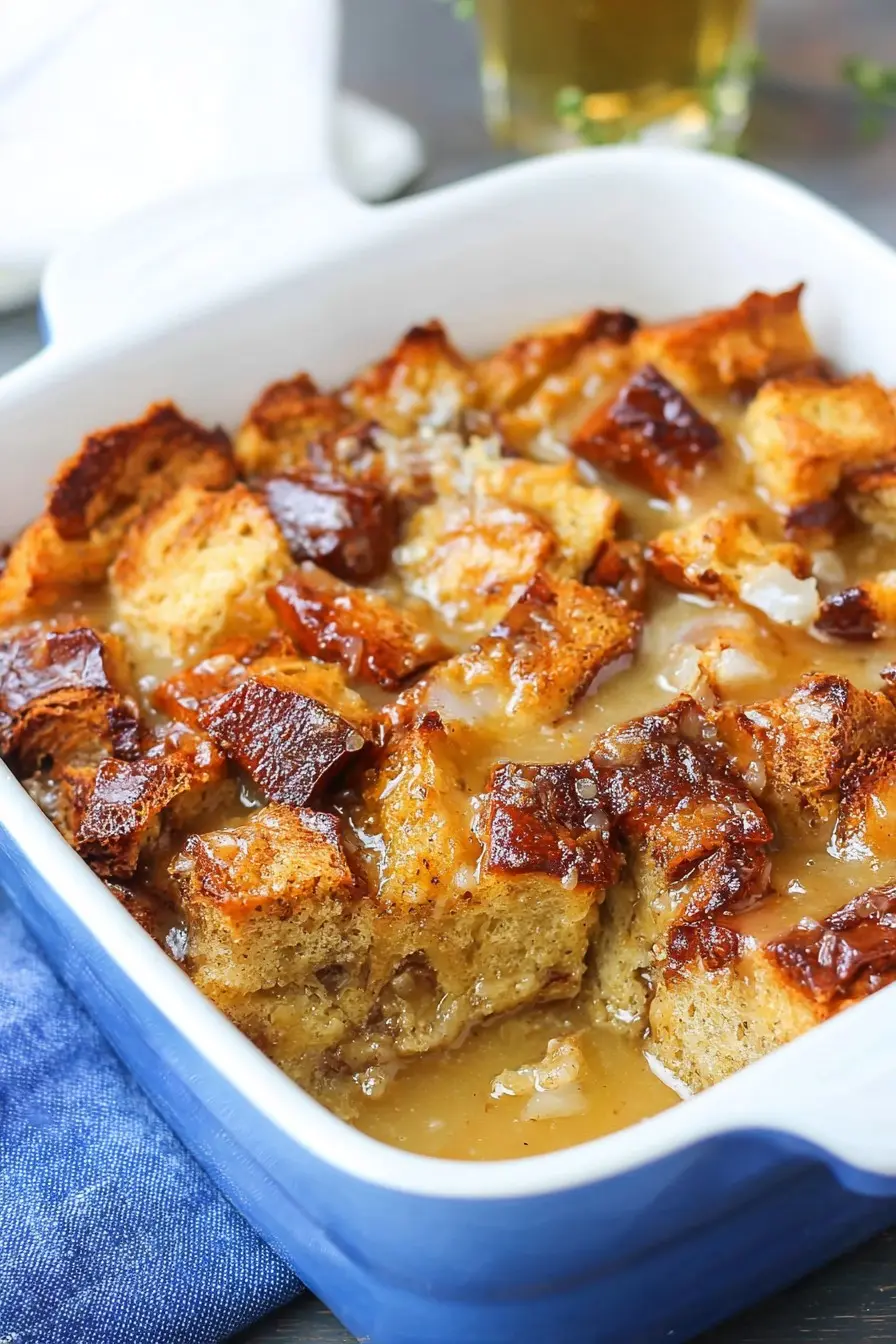
Rather than wasting such basic ingredients, inventive cooks combined day-old bread with milk, eggs, sugar, and spices to create a comforting, custard-like treat. Throughout the years, the bread pudding recipe has evolved into a gourmet delight found in homes and fine-dining establishments around the world.
Popular in English, French, Caribbean, and American cuisine, this delectable dessert beautifully blends flavor and nostalgia. Rich yet light, sweet yet humble, bread pudding is a testament to culinary resourcefulness. Today, making a bread pudding recipe is about embracing both tradition and creativity.
Whether you stick to a simple vanilla-scented custard or jazz it up with additions like raisins, chocolate, or nuts, this beloved dessert is sure to please a crowd.
In this article, you'll find a thoroughly detailed, SEO-friendly bread pudding recipe that walks you through the step-by-step process, highlights the essential ingredients, shares useful tips and variations, and covers everything you need to make perfect bread pudding every single time.
Ingredients
- 6 cups day-old bread (such as French bread, brioche, or challah), cut into 1-inch cubes
- 2 cups whole milk
- 1 cup heavy cream
- 4 large eggs
- 1 cup granulated sugar
- 2 teaspoons pure vanilla extract
- ½ teaspoon ground cinnamon
- ¼ teaspoon ground nutmeg
- ¼ teaspoon salt
- ½ cup raisins (optional)
- 2 tablespoons unsalted butter, melted
- Powdered sugar for dusting (optional)
Instructions
- Preheat your oven to 350°F (175°C) and lightly butter a 9x13-inch baking dish.
- Place the bread cubes into the prepared baking dish, spreading them out evenly. Sprinkle the raisins over the bread if using.
- In a large mixing bowl, whisk together the eggs, granulated sugar, vanilla extract, cinnamon, nutmeg, and salt until thoroughly combined.
- Add the milk and heavy cream to the egg mixture, whisking until blended.
- Pour the custard mixture evenly over the bread cubes in the baking dish, making sure all bread is saturated.
- Gently press down on the bread with a spatula to help it absorb the custard. Let the mixture soak for at least 15 minutes to ensure even absorption.
- Drizzle the melted butter over the top of the soaked bread mixture.
- Place the baking dish in the preheated oven and bake for 40 to 50 minutes, or until the pudding is set and the top is golden brown.
- Remove from the oven and let cool for 10-15 minutes before serving.
- Dust with powdered sugar if desired and serve warm, plain or with your favorite sauce.
Nutritional Information
Bread pudding is a rich yet balanced dessert that provides energy and nutrients in a decadent package. Each serving typically contains around 350 to 400 calories, depending on the type and amount of bread, milk, cream, and sugar used.
The eggs contribute high-quality protein, while the milk and cream provide essential calcium, vitamin D, and healthy fats. Raisins, if included, add natural sweetness, antioxidants, and dietary fiber. Cinnamon and nutmeg deliver a burst of flavor with the bonus of anti-inflammatory properties.
However, due to its sugar and fat content, bread pudding should be enjoyed in moderation, particularly by those watching their caloric or saturated fat intake.
To lighten the recipe without sacrificing flavor, you can substitute some or all of the cream with low-fat milk or a plant-based alternative, and reduce the sugar by using sweet bread or incorporating fruit.
Overall, classic bread pudding is a heart-warming treat that satisfies both the taste buds and a craving for comfort food, while also offering some key nutrients. Always serve in reasonable portions as part of a balanced diet.

Wine and Beverage Pairings
Bread pudding's rich and comforting profile pairs wonderfully with a variety of beverages. For a classic match, serve it alongside a cup of freshly brewed coffee or bold espresso, as the deep, roasted flavors help balance the dessert's sweetness.
Tea drinkers may enjoy an aromatic black tea like Earl Grey or chai, both of which complement the spiced notes of the pudding. For more indulgence, consider dessert wines such as Sauternes, Moscato, or a rich tawny port; their honeyed undertones enhance the warm flavors of the dish.
In the cooler months, a glass of spiced apple cider (hot or cold) provides a seasonal pairing. If you prefer non-alcoholic options, vanilla almond milk or a light fruit juice, such as apricot nectar, can offer a refreshing contrast.
Each beverage brings out different elements of the bread pudding recipe, inviting you to customize your dessert experience.
Cooking Tips and Variations
To achieve the ultimate bread pudding recipe, start with bread that's at least a day or two old-slightly stale bread absorbs the custard without falling apart, resulting in the ideal texture.
Brioche, challah, and French bread are preferred for their softness and tender crumb, but even white or whole wheat bread works in a pinch. For a flavor twist, add chocolate chips, dried fruits like cranberries or apricots, sautéed apples, or chopped nuts such as pecans or walnuts.
You can spike the custard with a splash of bourbon, rum, or brandy for a grown-up version. If you want a lighter, more modern bread pudding recipe, try replacing heavy cream with full-fat coconut milk, or use a mix of milk and non-dairy alternatives for an inclusive dessert.
For crispier edges, bake in a slightly wider, shallow pan. Leftovers keep well in the refrigerator for up to three days and can be gently reheated in the oven. Always let your bread soak thoroughly before baking-at least 15 minutes, and up to an hour for extra creamy results.
If you like a crispy top, broil the finished bread pudding for a minute or two, watching closely to avoid burning.
Serving Suggestions
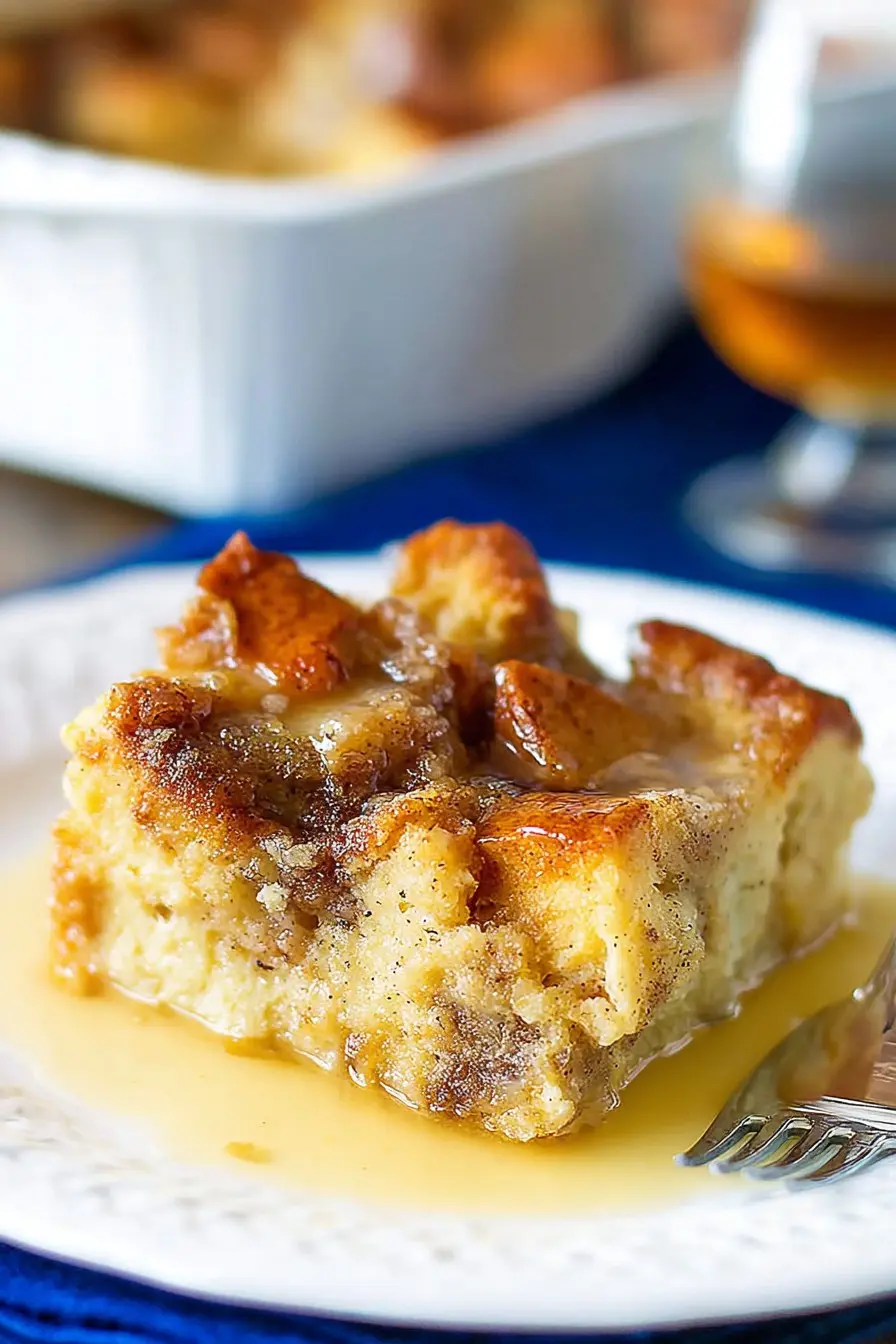
Bread pudding is best served warm but can also be enjoyed at room temperature or slightly chilled, depending on your preference. For an elevated presentation, accompany each portion with a drizzle of classic vanilla sauce, bourbon caramel sauce, or a dollop of whipped cream.
A scoop of vanilla or cinnamon ice cream transforms this homey dessert into a show-stopping finale for a dinner party. To add freshness, garnish with berries, thinly sliced pears, or a scatter of toasted nuts.
When serving bread pudding at a brunch or holiday meal, consider making individual servings in ramekins for a personalized touch. Large gatherings are made easy by baking bread pudding in advance and reheating gently before guests arrive.
If you're presenting the bread pudding as part of a dessert buffet, cut it into neat squares for easy, attractive serving. For extra flavor and texture, offer a selection of sauces alongside-such as chocolate fudge, fruit coulis, or even a spoonful of Greek yogurt.
Whether plated elegantly or enjoyed in comforting scoops, bread pudding brings warmth, nostalgia, and joy to every table.
Health Benefits
Bread pudding, when prepared thoughtfully, can offer surprising health benefits. Milk and eggs deliver high-quality protein, essential amino acids, and a dose of energy-supporting B vitamins. Milk also contributes calcium and vitamin D, boosting bone strength.
Spices like cinnamon and nutmeg are known for their antioxidants and potential to help regulate blood sugar. Using whole grain bread can increase dietary fiber for digestive health, while the addition of raisins or other dried fruit adds natural sweetness and further boosts nutritional content, supplying iron and antioxidants.
While rich in some nutrients, traditional bread pudding recipe versions often come with substantial amounts of sugar and saturated fat. Moderation is key for those with dietary restrictions such as diabetes or those seeking to reduce cholesterol intake.
Lower-fat dairy options, plant-based milk, and volume-reducing sweeteners can be seamlessly substituted to lighten the dish. Ultimately, bread pudding is most healthful when enjoyed occasionally as part of a balanced diet, mindful of portion size and ingredient choices.
Frequently Asked Questions
While you can use fresh bread, day-old or stale bread is preferred because it soaks up the custard better and ensures your bread pudding isn't soggy or mushy.
Bread pudding can be stored in an airtight container in the refrigerator for up to 3 days. Reheat gently in the oven or microwave before serving.
Yes, bread pudding can be assembled and refrigerated (uncooked) for several hours or overnight. Simply bake when you're ready to serve.
Popular choices include vanilla sauce, caramel sauce, bourbon sauce, chocolate sauce, and fruit syrups, all complementing the creamy, custardy bread pudding.
Bread pudding can be frozen after baking. Wrap it well and freeze for up to two months. Thaw overnight in the fridge and reheat before enjoying.
With its rich heritage and endless possibilities, bread pudding remains a favorite comfort food in kitchens worldwide. This easy bread pudding recipe brings together simple, everyday ingredients to produce a wonderfully creamy, flavorful dessert that's perfect for any occasion. Whether you're making it for a special family gathering or as a cozy weeknight treat, the adaptability and nostalgic taste of bread pudding make it a winning choice. With all the tips, serving ideas, and nutritional pointers provided, you'll be able to craft a bread pudding that's delicious, memorable, and uniquely your own. Don't be afraid to experiment with mix-ins, sauces, and presentation styles to create a dessert everyone will love for years to come.
Ingredients
- 6 cups day-old bread, cut into 1-inch cubes
- 2 cups whole milk
- 1 cup heavy cream
- 4 large eggs
- ¾ cup granulated sugar
- 2 teaspoons pure vanilla extract
- ½ teaspoon ground cinnamon
- ¼ teaspoon ground nutmeg
- ¼ cup raisins
- 2 tablespoons unsalted butter, melted
Instructions
-
1Preheat oven to 350°F (175°C). Grease a 9x13-inch baking dish with butter or nonstick spray.
-
2Arrange bread cubes evenly in the prepared baking dish. Sprinkle raisins over the bread.
-
3In a large bowl, whisk together eggs, sugar, milk, heavy cream, vanilla, cinnamon, and nutmeg until well blended.
-
4Pour the custard mixture evenly over the bread, pressing the bread down gently to soak up the liquid. Drizzle melted butter on top.
-
5Let the mixture stand for 10 minutes to allow the bread to absorb the custard.
-
6Bake for 45-50 minutes, or until the top is golden brown and the custard is set. Cool slightly before serving.
Approximate Information for One Serving
Nutrition Disclaimers
Number of total servings shown is approximate. Actual number of servings will depend on your preferred portion sizes.
Nutritional values shown are general guidelines and reflect information for 1 serving using the ingredients listed, not including any optional ingredients. Actual macros may vary slightly depending on specific brands and types of ingredients used.
To determine the weight of one serving, prepare the recipe as instructed. Weigh the finished recipe, then divide the weight of the finished recipe (not including the weight of the container the food is in) by the desired number of servings. Result will be the weight of one serving.
Did you make this recipe?
Please consider Pinning it!!


Leave a Reply