
Few desserts are as iconic and universally beloved as the classic cheesecake with sour cream topping. This indulgent treat has been delighting dessert lovers for centuries and continues to be a top pick for celebrations, holidays, and everyday moments alike.
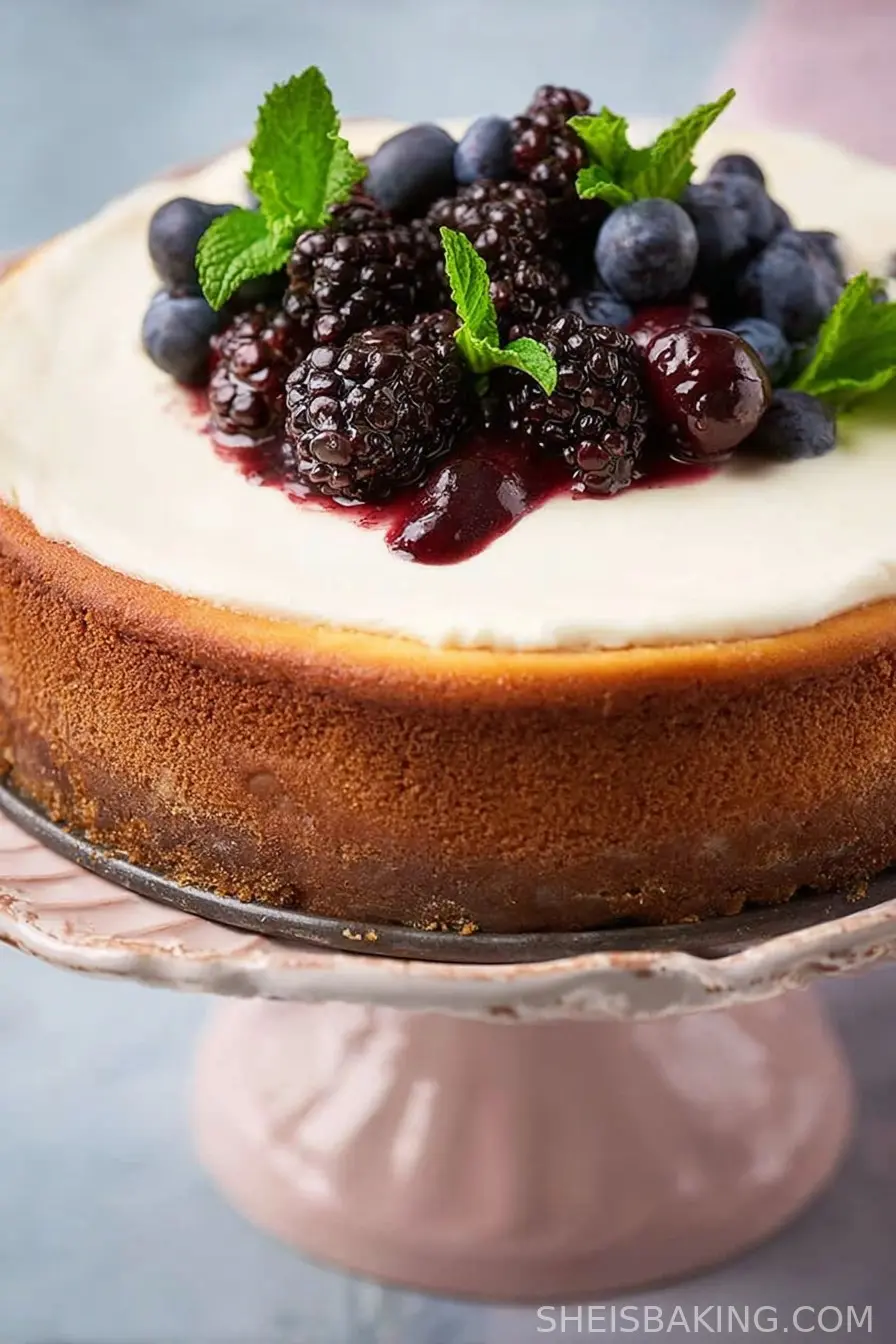
With its smooth, creamy center, crisp graham cracker crust, and signature layer of tangy sour cream topping, this cheesecake offers a harmonious balance of rich and refreshing flavors. Cheesecake can trace its roots back to ancient Greece, where it was served at feasts and Olympic games as an energy booster.
Over the centuries, the recipe evolved, and when cream cheese was invented in America during the late 1800s, the modern cheesecake as we know it was born.
Adding a sour cream topping became a popular innovation in the 20th century, lending a unique tang and an attractive, glossy finish to the dessert. Today, the cheesecake with sour cream topping is adored for its elegant look and decadent taste.
This recipe not only ticks all the boxes for visual appeal but also ensures a velvety, light texture and a subtle zesty note that elevates the rich cream cheese base.
Whether you are an experienced baker or trying this dessert for the first time, this comprehensive guide will help you craft a flawless cheesecake with sour cream topping, provide expert tips for perfect results, and suggest creative ways to make it your own.
Prepare to impress your guests and treat yourself to a memorable dessert experience.
Ingredients
- 1 ½ cups graham cracker crumbs
- ¼ cup granulated sugar
- ⅓ cup unsalted butter, melted
- 32 ounces cream cheese, softened
- 1 cup granulated sugar
- 1 teaspoon vanilla extract
- 4 large eggs, room temperature
- 1 cup sour cream (for cheesecake batter)
- ¼ cup all-purpose flour
- ¼ cup milk
- Pinch of salt
- For Sour Cream Topping:
- 2 cups sour cream
- ¼ cup granulated sugar
- 1 teaspoon vanilla extract
Instructions
- Preheat your oven to 325°F (162°C). Lightly grease a 9-inch springform pan and line the bottom with parchment paper for easy removal.
- In a medium bowl, combine the graham cracker crumbs, ¼ cup sugar, and melted butter. Mix until the crumbs are fully moistened.
- Press the mixture evenly into the bottom of the prepared pan with the back of a spoon or a measuring cup to form a compact crust.
- Bake the crust for 10 minutes, then remove it from the oven and let it cool while preparing the filling.
- In a large mixing bowl, beat the softened cream cheese until completely smooth and creamy, about 2 minutes.
- Gradually add 1 cup of sugar and continue beating until the mixture is light and fluffy.
- Blend in the vanilla extract and a pinch of salt.
- Add the eggs one at a time, beating just until each egg is incorporated. Do not overmix to avoid incorporating excess air.
- Mix in 1 cup sour cream and the flour until just combined. Pour in the milk and mix until the batter is smooth and silky.
- Pour the cheesecake batter over the pre-baked crust and smooth the top with a spatula.
- Place the springform pan on a baking sheet and bake in the preheated oven for 50-60 minutes, until the center is almost set but still slightly jiggly.
- While the cheesecake bakes, prepare the sour cream topping by whisking 2 cups sour cream, ¼ cup sugar, and 1 teaspoon vanilla extract in a bowl until glossy and smooth.
- Remove the cheesecake from the oven and immediately spread the sour cream topping over the warm cheesecake, starting from the center and working outward.
- Return the cheesecake to the oven and bake for an additional 10 minutes to set the topping.
- Remove the cheesecake from the oven and allow it to cool to room temperature in the pan.
- Cover loosely and refrigerate for at least 6 hours, preferably overnight, to allow the flavors to meld and the texture to set.
- Once fully chilled, carefully run a knife around the edge of the pan before releasing the springform. Transfer the cheesecake to a serving platter.
- Slice with a sharp knife, wiping the blade clean between each cut, and serve your delicious cheesecake with sour cream topping.
Nutritional Information
Cheesecake with sour cream topping is a rich, indulgent dessert, and while it's best enjoyed in moderation, understanding its nutritional profile can help you fit it into a balanced diet. A typical slice (1/12th of the cheesecake) averages about 420-480 calories, depending on the exact ingredients used.
Each serving contains approximately 30 grams of fat, much of which comes from the cream cheese and sour cream that provide the recipe's signature creamy texture. Saturated fat is on the higher end, so enjoying smaller slices or choosing reduced-fat dairy options can help manage intake.
The dessert also supplies around 40 grams of carbohydrates per serving, mainly from the graham cracker crust and granulated sugar. Protein content is relatively high for a dessert, averaging 6-8 grams per slice, thanks to the four eggs and the cheese base.
Minerals like calcium and phosphorus are present in meaningful quantities due to the dairy components, which also offer a small dose of vitamin A. Sodium levels are moderate, largely from the cheese.
For those watching their sugar or fat intake, consider using light cream cheese, reduced-fat sour cream, or sugar substitutes approved for baking. Regardless, this cheesecake provides a memorable treat for special occasions as part of a varied diet.

Wine and Beverage Pairings
Pairing beverages with cheesecake with sour cream topping enhances the enjoyment of this classic dessert. The richness of the cheesecake is beautifully offset by sweet dessert wines such as Sauternes, late harvest Riesling, or Moscato, which offer fruity, floral notes that complement the creamy texture.
For a more robust pairing, try a ruby port or a tawny port-both add warmth and depth to each bite. Coffee and espresso drinks are also traditional and satisfying companions, as their boldness cuts through the richness of the dessert.
For non-alcoholic options, consider a spiced chai latte or a sparkling elderflower drink, which both provide a refreshing counterpoint to the dense, creamy profile of the cheesecake. Herbal teas such as mint or chamomile deliver a calming, palate-cleansing finish.
Whether you prefer wine or a comforting cup of coffee, the beverage of your choice can elevate the cheesecake experience and create a memorable occasion.
Cooking Tips and Variations
Perfecting a cheesecake with sour cream topping is all about attention to detail and understanding a few key techniques. First, always use full-fat cream cheese and sour cream for the creamiest texture and richest flavor, but know that reduced-fat options can work for a lighter result.
To avoid cracks, allow all ingredients-especially the eggs and cream cheese-to come to room temperature before mixing. This ensures a smooth, lump-free batter. Mix the ingredients just until combined to prevent incorporating too much air, which can cause the cheesecake to puff and crack during baking.
Baking in a water bath (placing the springform pan inside a larger pan filled with an inch of hot water) can provide gentle, even heat and minimize the risk of cracks, though it's not strictly necessary for this recipe if you follow the instructions closely.
If you do notice cracks, don't worry-the luscious sour cream topping will cover any imperfections. For flavor variations, try adding grated lemon or orange zest to the filling, swirling a fruit puree over the batter before baking, or infusing the topping with a splash of liqueur for an adult twist.
Crust options are endlessly flexible: swap graham crackers for chocolate cookies, gingersnaps, or digestive biscuits for a custom base. If making ahead, cheesecake with sour cream topping holds up beautifully in the fridge for up to four days or can be frozen (without the topping) for up to three months.
Allow plenty of chilling time for best results; the consistency and flavor improve overnight.

Serving Suggestions
For both everyday indulgences and celebratory occasions, serving cheesecake with sour cream topping can be an artful affair. Start by chilling the cheesecake thoroughly, as a well-set dessert makes for the cleanest, most attractive slices.
Use a sharp, non-serrated knife dipped in warm water and wiped clean between cuts to ensure each piece looks neat and inviting.
Consider garnishing with a simple dusting of confectioners' sugar, thin lemon slices, or a few fresh berries such as raspberries or blueberries, which add a splash of natural color and complement the tangy sour cream topping.
Drizzle with fruit compote, chocolate sauce, or a caramel swirl for added visual flair and flavor complexity. For elegant parties, serve each slice on individual plates with a dollop of whipped cream and a fresh mint sprig.
If the gathering is more casual, set out the cheesecake on a cake stand with small serving forks and allow guests to help themselves. This dessert also pairs beautifully with a scoop of vanilla or fruit sorbet for added contrast.
Make it part of a dessert buffet, surrounded by seasonal fruits, nuts, and chocolates, for a luxurious touch. No matter how you present it, the rich creaminess and subtle tang of cheesecake with sour cream topping are sure to make a memorable impression on your guests.
Health Benefits
While cheesecake with sour cream topping is undoubtedly a treat reserved for special occasions due to its richness and caloric density, it does have some redeeming nutritional qualities. The primary ingredient, cream cheese, supplies protein, calcium, and vitamin A, all important nutrients for bone health and immune function.
Sour cream adds further calcium, and both dairy components contribute a moderate dose of B vitamins. Eggs in our recipe deliver complete protein and are a source of choline, vital for brain health.
Making your own cheesecake means you can control ingredient quality and sweetness, using organic dairy or reducing the sugar content to suit your needs.
If you are sensitive to lactose or watching your cholesterol intake, consider swapping the full-fat dairy for lower-fat or lactose-free varieties, and opt for a smaller portion to enjoy the flavors while maintaining balance. Homemade cheesecake is also free from preservatives and artificial flavors often found in store-bought options.
While not designed as a health food, when prepared mindfully and eaten in moderation, cheesecake with sour cream topping can fit into a wholesome diet, especially when balanced with fruits, nuts, or whole-grain crust alternatives for added nutritional value.
Frequently Asked Questions
Cracks in cheesecake often occur from overmixing, sudden temperature changes, or overbaking. To minimize cracks, use room temperature ingredients, avoid overbeating once eggs are added, and bake at a moderate temperature. Cooling slowly in the oven with the door ajar after baking helps prevent rapid temperature shifts. The sour cream topping will also easily hide minor cracks.
Yes, this dessert is ideal for preparing ahead. Cheesecake with sour cream topping benefits from several hours or, preferably, overnight chilling, which helps the texture set and flavors develop. It also stores beautifully in the refrigerator for up to four days, and can be frozen (without sour cream topping) for up to three months.
Absolutely. While graham cracker crust is classic, you can substitute with crushed gingersnaps, chocolate wafers, digestive biscuits, or even gluten-free cookies to suit your taste preferences or dietary restrictions. Adjust butter and sugar quantities as needed to ensure the crust holds together.
For clean, professional-looking slices, use a sharp, non-serrated knife. Dip the blade in hot water and wipe it dry between each cut. This prevents sticking and ensures even slices that showcase the beautiful layers of your cheesecake with sour cream topping.
Yes, Greek yogurt can be used as a substitute in the topping for a tangy, protein-rich alternative. It will produce a slightly thicker texture and a subtle flavor difference but remains delicious and complementary to the cheesecake base.
Cheesecake with sour cream topping stands out as a timeless, crowd-pleasing dessert that brings together rich history, irresistible flavor, and elegant presentation. The harmonious blend of creamy cheesecake and tangy, glossy topping makes it a versatile centerpiece for birthdays, holidays, or simple family gatherings. With this comprehensive guide, you've gained the know-how for achieving flawless texture, experimenting with flavors, and serving your cheesecake to maximum effect. Whether you stick to the beloved classic or add creative twists, this recipe is sure to earn compliments and become a requested favorite for years to come.
Ingredients
- 1 ½ cups graham cracker crumbs
- ¼ cup granulated sugar
- ⅓ cup unsalted butter, melted
- 3 packages (8 oz each) cream cheese, softened
- 1 cup granulated sugar
- 3 large eggs
- 1 teaspoon vanilla extract
- 2 cups sour cream
- ¼ cup powdered sugar
Instructions
-
1Preheat oven to 325°F (163°C). Grease a 9-inch springform pan.
-
2In a bowl, combine graham cracker crumbs, ¼ cup sugar, and melted butter. Press mixture evenly into the bottom of the prepared pan to form the crust.
-
3In a large bowl, beat cream cheese until smooth. Add 1 cup sugar and mix well. Beat in eggs, one at a time, then add vanilla extract.
-
4Pour the cream cheese filling over the crust and smooth the top. Bake for 55-60 minutes or until the center is just set.
-
5While the cheesecake bakes, stir together sour cream and powdered sugar. Spread the sour cream topping evenly over the baked cheesecake and return to oven for 10 minutes.
-
6Cool completely at room temperature, then refrigerate for at least 4 hours before serving. Remove from pan and slice to serve.
Approximate Information for One Serving
Nutrition Disclaimers
Number of total servings shown is approximate. Actual number of servings will depend on your preferred portion sizes.
Nutritional values shown are general guidelines and reflect information for 1 serving using the ingredients listed, not including any optional ingredients. Actual macros may vary slightly depending on specific brands and types of ingredients used.
To determine the weight of one serving, prepare the recipe as instructed. Weigh the finished recipe, then divide the weight of the finished recipe (not including the weight of the container the food is in) by the desired number of servings. Result will be the weight of one serving.
Did you make this recipe?
Please consider Pinning it!!
Leave a Reply