
Discover the perfect balance of rich chocolate and bold coffee in these irresistible espresso brownies. Combining two of the world's favorite flavors, this recipe brings together the deep, robust notes of espresso with the decadence of fudgy brownies, topped with a silky espresso buttercream.
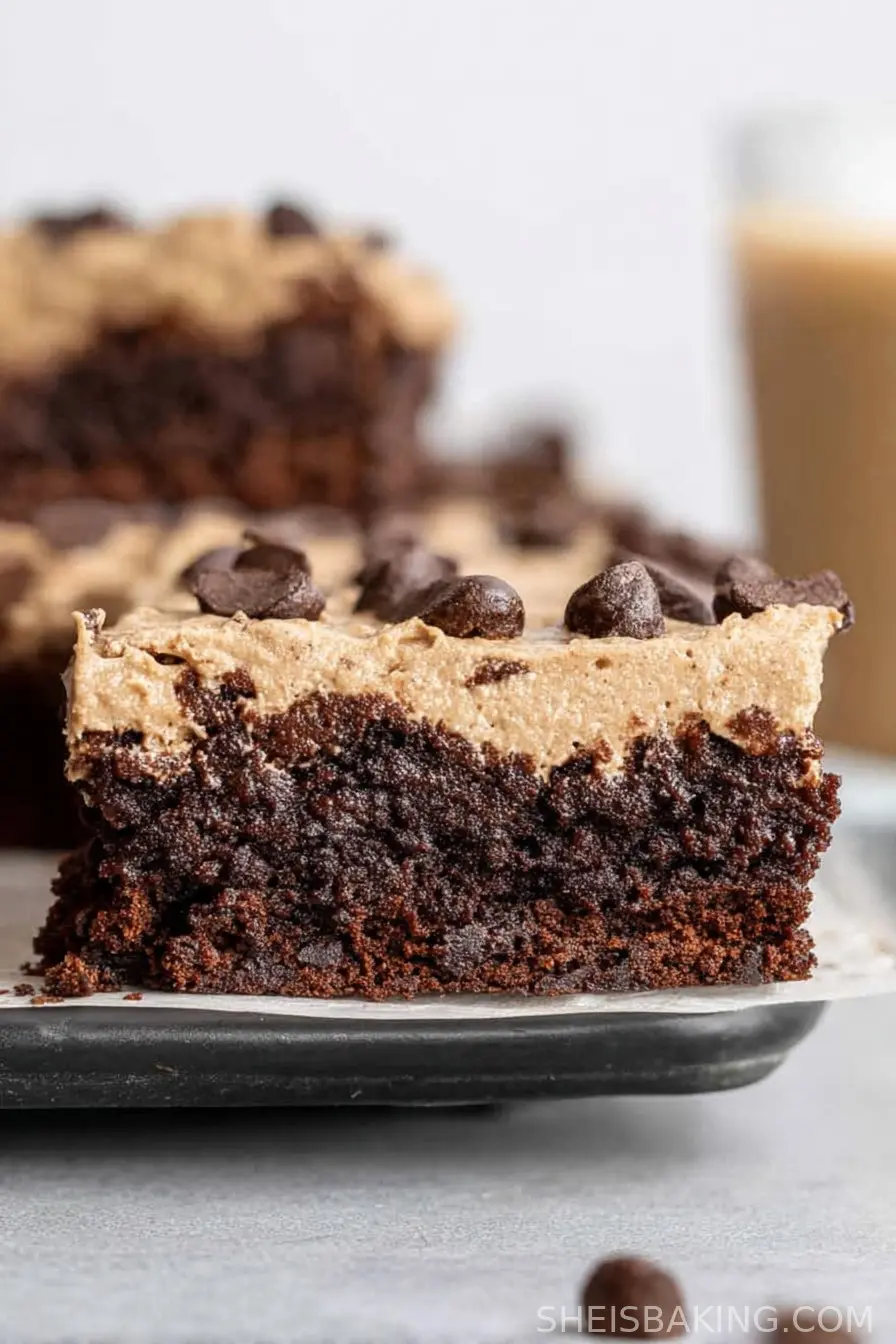
Whether you are a coffee aficionado or a chocolate lover, espresso brownies promise a unique treat for your taste buds.
The inclusion of espresso powder not only intensifies the chocolate flavor but also lends a sophisticated edge to a classic dessert, making it suitable for both everyday indulgence and special occasions. Brownies date back to the late 19th century, becoming a staple in American kitchens.
The espresso brownie is a contemporary twist, likely born from the creative marrying of café culture with home baking. As coffee culture has grown, bakers have embraced the combination of chocolate and espresso, resulting in a dessert that feels both comforting and gourmet.
Espresso brownies cater to a wide range of palates-perfectly enjoyed with a mug of fresh coffee or served as an elegant sweet bite at a dinner party. In this recipe, every component is thoughtfully crafted: the brownies offer dense, chocolatey richness, while the creamy espresso buttercream adds a luxurious finish.
You won't need any complicated ingredients or unfamiliar techniques-just a passion for delicious desserts. Get ready to bake your new favorite treat that is sure to delight friends, family, and your own sweet cravings.
Ingredients
- 10 tablespoons unsalted butter, cubed
- 6 oz bittersweet chocolate, finely chopped
- 3 tablespoons espresso powder
- 1 ¼ cup granulated sugar
- 2 eggs
- 2 tablespoons cocoa powder
- 1 cup all-purpose flour
- ½ teaspoon salt
- ½ cup unsalted butter, softened (for buttercream)
- 1 ½ cups powdered sugar (for buttercream)
- 2 teaspoon espresso powder (for buttercream)
- 2 tablespoon milk (for buttercream)
- 1 teaspoon vanilla extract
- chocolate covered espresso beans, optional
Instructions
- Begin by preheating your oven to 350°F (175°C). Prepare an 8 x 8 inch baking pan by either lining it with parchment paper, ensuring some overhang on two opposite sides for easy removal later, or by coating it evenly with a light spray of cooking oil. This step ensures your brownies won't stick and come out cleanly.
- In a medium-sized saucepan set over low heat, combine the cubed unsalted butter and finely chopped bittersweet chocolate. Stir frequently as both ingredients gently melt together, creating a smooth, glossy mixture. Remove from heat once fully melted, ensuring you don't overheat and seize the chocolate.
- To the warmed chocolate mixture, add the espresso powder and granulated sugar. Stir these in thoroughly, making sure the espresso powder fully dissolves and the sugar is evenly distributed, which will help provide a rich flavor foundation and a moist brownie texture.
- Allow the mixture to cool slightly before incorporating the eggs one at a time. Stir well after each egg addition, ensuring they are fully blended for a cohesive batter and a tender crumb. This gradual mixing helps create the perfect brownie structure.
- Sift in the cocoa powder, all-purpose flour, and salt right into the wet ingredients. Gently fold everything together, being careful not to over-mix; stop as soon as you see the flour just begin to disappear. This technique helps keep the brownies fudgy rather than cakey.
- Pour the finished batter into your prepared baking pan, spreading it evenly to the edges. Smooth the surface for an even bake. Place the pan in the preheated oven and bake for 25 to 30 minutes. The brownies are done when the sides are set and a toothpick inserted into the center comes out with a few moist crumbs, ensuring a fudgy center.
- Once baked, transfer the pan to a wire cooling rack and allow the brownies to cool completely in the pan. This helps them firm up and makes them easier to frost and cut later on. When cooled, use your parchment overhang to lift the brownies from the pan for frosting.
- While the brownies cool, prepare the espresso buttercream. In a medium mixing bowl or the bowl of a stand mixer, beat the softened unsalted butter on medium speed until creamy, smooth, and pale in color-a process that takes 1-2 minutes.
- Gradually sift and add the powdered sugar to the butter, mixing on low speed to begin, then increasing to medium until well incorporated and fluffy. This helps prevent a sugar cloud and achieves a silky frosting texture.
- In a small bowl, dissolve the espresso powder in the milk completely, creating a coffee-flavored liquid. Add this espresso-milk mixture and vanilla extract to the butter and sugar. Continue to beat the frosting for 2-3 more minutes, until light, airy, and spreadable.
- Once the brownies are completely cool, evenly spread the espresso buttercream over the top with an offset spatula or butter knife, covering every edge and corner.
- For a finishing touch, scatter chopped chocolate covered espresso beans over the frosted brownies if desired. Slice into squares and serve your espresso brownies to enjoy the perfect intersection of coffee and chocolate.
Nutritional Information
Espresso brownies bring together the robust flavors of coffee and chocolate into a luxurious dessert, but as with all indulgent treats, it's helpful to be mindful of their nutritional profile. Each serving contains a moderate amount of calories, largely due to the butter, sugar, and chocolate content.
The unsalted butter offers saturated fats, which contribute to the irresistible richness and moist crumb, while bittersweet chocolate and cocoa powder add not only depth of flavor but also trace minerals and antioxidants.
Espresso powder is low in calories yet high in flavor and contains a minimal yet noticeable amount of caffeine, perfect for a gentle energy lift. The eggs used provide protein and structure, supporting both texture and nutritional value.
The espresso buttercream-made with more butter, powdered sugar, and milk-adds sweetness and creaminess but also increases the calorie and sugar content per serving. Despite the decadent appeal, these brownies can fit into a balanced diet when enjoyed in moderation.
If you wish to lighten up the recipe, consider slicing smaller portions or pairing brownies with fresh fruit. Each square is designed to satisfy cravings, so a little goes a long way.

Wine and Beverage Pairings
Espresso brownies pair beautifully with a range of beverages, both hot and cold. Classic choices include a fresh-brewed cup of espresso or dark roast coffee, which enhances the integrated espresso flavor in the brownies.
For those who prefer a contrasting sip, a cold glass of milk offers a creamy counterbalance to the dessert's richness.
Wine lovers will appreciate a sweet red dessert wine such as ruby port or a smooth tawny port-the wine's berry notes harmonize with chocolate while the wine's sweetness complements the coffee undertones. For a refreshing non-alcoholic pairing, consider an iced latte or a vanilla cream soda.
If you enjoy after-dinner liqueurs, a small glass of coffee liqueur or Irish cream is also an excellent choice.
Cooking Tips and Variations
To achieve the most decadent, fudgy texture in your espresso brownies, avoid over-baking. Remove them from the oven when a toothpick inserted in the center comes out with a few moist crumbs rather than clean-over-baking leads to dryness.
Use high-quality bittersweet chocolate and fresh espresso powder for the most robust flavor. Make sure your butter and eggs are at room temperature for easier blending and better emulsification. Sifting your dry ingredients before adding them to the batter ensures the finished brownies are lump-free and with a uniform crumb.
For added texture, try folding in a handful of chocolate chips or toasted nuts. If you'd like to vary the frosting, swap the espresso buttercream for a mocha ganache or a dusting of powdered sugar for a simpler finish.
Serve the brownies slightly warm to intensify the chocolate aroma, or chill for a firmer slice. You can also freeze the brownies (unfrosted) for up to two months-simply defrost and add buttercream before serving.
For a gluten-free twist, try using a 1:1 baking flour substitute; for a dairy-free version, use vegan butter and dairy-free chocolate. These brownies can also be adapted to individual tastes by adjusting the amount of espresso powder in both the base and frosting.

Serving Suggestions
Espresso brownies are best served freshly frosted, either as a stand-alone indulgence or as part of a dessert spread. Slice them into small squares for bite-sized treats at gatherings-these portions are perfect for savoring the intense flavors without overwhelming guests.
For an elegant presentation, arrange them on a decorative tray and garnish with extra chocolate covered espresso beans or a gentle dusting of cocoa powder.
Pairing the brownies with a light scoop of vanilla or coffee ice cream transforms them into a decadent plated dessert, ideal for dinner parties or celebrations. They also shine as an afternoon pick-me-up partnered with strong coffee or tea.
If you're hosting brunch, serve brownie squares alongside fresh berries and whipped cream for a delightful buffet addition. To maintain their freshness, store the brownies in an airtight container at room temperature for up to three days, or refrigerate if your kitchen is warm.
The flavors mature after a day, often making them taste even better upon standing. For gift-giving, individually wrap each brownie in parchment and tie with ribbon for a thoughtful homemade treat.
Health Benefits
While espresso brownies are undeniably an indulgence, they offer a few healthful components in moderation. Bittersweet chocolate contains antioxidants, including flavonoids that support heart health and reduce inflammation when consumed occasionally.
Espresso powder delivers a small caffeine boost, acting as a natural energy enhancer and providing trace minerals such as magnesium and potassium. The eggs offer complete protein and essential nutrients, while the real butter provides fat-soluble vitamins like A, D, E, and K.
Enjoying brownies in reasonable portions can satisfy sweet cravings, helping to prevent over-consumption of less-satisfying snacks. For those watching sugar or fat intake, consider cutting smaller pieces or serving alongside fiber-rich fruit to help regulate blood sugar impact.
Remember, the key to including treats like espresso brownies in your diet is mindful, moderate consumption. Customizing the recipe to suit dietary needs-such as gluten-free or reduced-calorie swaps-can also make this dessert more accessible to various lifestyles.
Frequently Asked Questions
Espresso powder is the key ingredient for achieving the signature coffee flavor in these brownies. If you prefer a milder taste, you may reduce the amount, but omitting it entirely will significantly alter the flavor profile.
Espresso brownies keep best in an airtight container at room temperature for up to three days. If your kitchen is warm or if you prefer a firmer texture, refrigerate them. You can also freeze unfrosted brownies for up to two months, thawing before adding the buttercream.
You can substitute instant coffee, though the coffee flavor will be milder and less concentrated than espresso powder. Use the same amount, but consider adding a bit more for stronger flavor.
The amount of espresso powder in each brownie is small, resulting in low caffeine per serving. However, if you're concerned about caffeine intake, consider preparing a batch with reduced espresso powder or serve in small portions to young children.
Espresso brownies are the ultimate fusion of chocolate and coffee, offering an indulgent and sophisticated dessert suitable for nearly any occasion. With their rich, moist base and creamy espresso buttercream, these brownies are sure to impress both coffee and chocolate enthusiasts alike. Each bite delivers a well-balanced symphony of flavors, enhanced by thoughtful preparation and creative serving suggestions. Enjoy them as a solo treat, a party centerpiece, or as a gourmet homemade gift. Whip up a batch the next time you crave something extraordinary, and let the magic of espresso brownies transform your dessert experience.
Ingredients
- 10 tablespoons unsalted butter, cubed
- 6 oz bittersweet chocolate, finely chopped
- 3 tablespoons espresso powder
- 1 ¼ cup granulated sugar
- 2 eggs
- 2 tablespoons cocoa powder
- 1 cup all-purpose flour
- ½ teaspoon salt
- ½ cup unsalted butter, softened (for buttercream)
- 1 ½ cups powdered sugar (for buttercream)
- 2 teaspoon espresso powder (for buttercream)
- 2 tablespoon milk (for buttercream)
- 1 teaspoon vanilla extract
- chocolate covered espresso beans, optional
Instructions
-
1Begin by preheating your oven to 350°F (175°C). Prepare an 8 x 8 inch baking pan by either lining it with parchment paper, ensuring some overhang on two opposite sides for easy removal later, or by coating it evenly with a light spray of cooking oil. This step ensures your brownies won't stick and come out cleanly.
-
2In a medium-sized saucepan set over low heat, combine the cubed unsalted butter and finely chopped bittersweet chocolate. Stir frequently as both ingredients gently melt together, creating a smooth, glossy mixture. Remove from heat once fully melted, ensuring you don't overheat and seize the chocolate.
-
3To the warmed chocolate mixture, add the espresso powder and granulated sugar. Stir these in thoroughly, making sure the espresso powder fully dissolves and the sugar is evenly distributed, which will help provide a rich flavor foundation and a moist brownie texture.
-
4Allow the mixture to cool slightly before incorporating the eggs one at a time. Stir well after each egg addition, ensuring they are fully blended for a cohesive batter and a tender crumb. This gradual mixing helps create the perfect brownie structure.
-
5Sift in the cocoa powder, all-purpose flour, and salt right into the wet ingredients. Gently fold everything together, being careful not to over-mix; stop as soon as you see the flour just begin to disappear. This technique helps keep the brownies fudgy rather than cakey.
-
6Pour the finished batter into your prepared baking pan, spreading it evenly to the edges. Smooth the surface for an even bake. Place the pan in the preheated oven and bake for 25 to 30 minutes. The brownies are done when the sides are set and a toothpick inserted into the center comes out with a few moist crumbs, ensuring a fudgy center.
-
7Once baked, transfer the pan to a wire cooling rack and allow the brownies to cool completely in the pan. This helps them firm up and makes them easier to frost and cut later on. When cooled, use your parchment overhang to lift the brownies from the pan for frosting.
-
8While the brownies cool, prepare the espresso buttercream. In a medium mixing bowl or the bowl of a stand mixer, beat the softened unsalted butter on medium speed until creamy, smooth, and pale in color-a process that takes 1-2 minutes.
-
9Gradually sift and add the powdered sugar to the butter, mixing on low speed to begin, then increasing to medium until well incorporated and fluffy. This helps prevent a sugar cloud and achieves a silky frosting texture.
-
10In a small bowl, dissolve the espresso powder in the milk completely, creating a coffee-flavored liquid. Add this espresso-milk mixture and vanilla extract to the butter and sugar. Continue to beat the frosting for 2-3 more minutes, until light, airy, and spreadable.
-
11Once the brownies are completely cool, evenly spread the espresso buttercream over the top with an offset spatula or butter knife, covering every edge and corner.
-
12For a finishing touch, scatter chopped chocolate covered espresso beans over the frosted brownies if desired. Slice into squares and serve your espresso brownies to enjoy the perfect intersection of coffee and chocolate.
Approximate Information for One Serving
Nutrition Disclaimers
Number of total servings shown is approximate. Actual number of servings will depend on your preferred portion sizes.
Nutritional values shown are general guidelines and reflect information for 1 serving using the ingredients listed, not including any optional ingredients. Actual macros may vary slightly depending on specific brands and types of ingredients used.
To determine the weight of one serving, prepare the recipe as instructed. Weigh the finished recipe, then divide the weight of the finished recipe (not including the weight of the container the food is in) by the desired number of servings. Result will be the weight of one serving.
Did you make this recipe?
Please consider Pinning it!
Leave a Reply