
Fruity Tea Loaf is a beloved classic in British baking, celebrated for its moist crumb, sweetly spiced aroma, and rich combination of dried fruits. This traditional treat has graced many a teacup-laden table, charming generations during leisurely afternoon teas or cozy family gatherings.
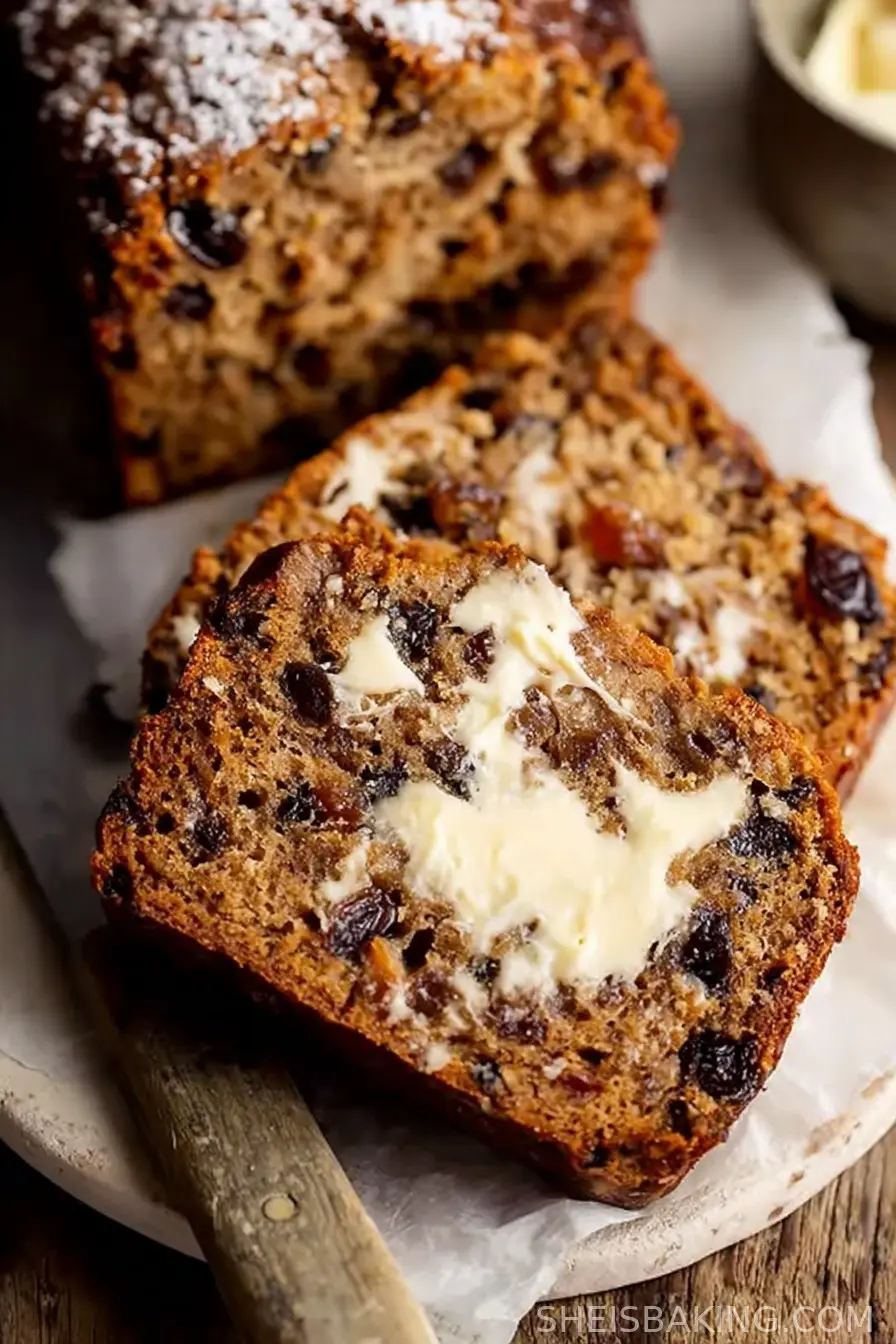
The enchanting secret behind Fruity Tea Loaf lies in its preparation-typically, an assortment of dried fruits is soaked in strong tea, lending the loaf incomparable depth of flavor and tenderness.
The roots of this delightful bake stretch back to the British Isles, where home bakers would mix up these fruit-laden loaves as a practical way to use up pantry staples and extend the shelf life of bread.
Over time, Fruity Tea Loaf has transformed into a symbol of British hospitality and comfort baking, perfect for sharing or enjoying alone with your favorite hot beverage.
Variations have emerged over the years, with different spices and fruit combinations giving each loaf a unique personality, but at the heart of it all remains the central idea: a simple, hearty, and satisfying quick bread gloriously packed with fruit.
If you are looking for a fruity, tender bake that balances nostalgia with wholesome flavor, this Fruity Tea Loaf recipe is sure to become a cherished addition to your collection.
Its understated elegance and delightful taste exemplify the joy of homemade comfort food, making it both accessible for new bakers and eternally appealing for seasoned cooks.
Ingredients
- 250 g mixed dried fruit (raisins, sultanas, currants, or chopped dates/apricots)
- 225 ml strong black tea (Earl Grey, English Breakfast, or your choice)
- 100 g light brown sugar
- 1 large egg
- 225 g self-raising flour
- 1 teaspoon ground mixed spice
- ½ teaspoon ground cinnamon
- Zest of 1 orange (optional)
- Pinch of salt
- Butter, for greasing
Instructions
- Place the dried fruit in a mixing bowl and pour over the hot tea. Stir to combine and leave to soak for at least 4 hours, or overnight for best results.
- Preheat your oven to 160°C (320°F) or 140°C (285°F) fan. Grease and line a 2lb (900g) loaf tin with parchment paper.
- After the fruit has soaked, add the brown sugar to the bowl and stir until dissolved.
- Add the egg and mix well to combine into the soaked fruit mixture.
- Sift the self-raising flour, mixed spice, cinnamon, orange zest (if using), and a pinch of salt into the bowl. Fold everything together gently until just combined. Avoid over-mixing.
- Pour the batter into the prepared loaf tin and smooth the top with a spatula.
- Bake in the preheated oven for 60-70 minutes, or until a skewer inserted into the center of the loaf comes out clean.
- Remove the loaf from the oven and allow it to cool in the tin for 10 minutes, then transfer to a wire rack to cool completely.
- Slice and serve plain, buttered, or with a spread of jam, as desired.
Nutritional Information
Fruity Tea Loaf offers a satisfying, wholesome snack or breakfast option that can easily fit into a balanced diet. An average slice (when the loaf is cut into 12 portions) contains approximately 190-220 calories, primarily from the dried fruits, flour, and a small amount of added sugar.
The dried fruits provide simple carbohydrates for quick energy, as well as dietary fiber that supports digestive health. There is a minimal amount of fat in this recipe-only what exists naturally in the egg and a trace amount from the optional butter used for greasing.
Protein content is moderate, coming mainly from the egg and the flour. The inclusion of mixed spices and orange zest adds antioxidants and vitamins, albeit in small amounts. Sodium levels remain relatively low thanks to the lightly salted dough and the absence of added baking powder.
People with specific dietary requirements, such as those watching their sugar intake, can reduce the brown sugar or swap in a lower-sugar dried fruit mix.
In summary, Fruity Tea Loaf is a moderate-calorie, fiber-rich bread that can be enjoyed as part of a healthy lifestyle, especially when paired with nutrient-dense toppings or enjoyed in moderation.

Wine and Beverage Pairings
Fruity Tea Loaf is a classic pairing for a warm cup of tea, with English Breakfast, Assam, or Earl Grey providing the most authentic experience. The gentle spicing and sweetness of the loaf also make it a suitable companion for coffee, especially a mellow latte or cappuccino.
If you prefer cold drinks, try a spiced chai latte or chilled fruit-infused iced tea for a refreshing match. For those wanting an alcoholic beverage, a lightly chilled Moscato or a sweet dessert wine echoes the fruity notes of the loaf without overpowering its flavors.
Spiced cider, especially during autumn months, complements the warming spices and sweetness found within the loaf. Ultimately, the ideal beverage is one that accentuates the tea loaf's comforting, homely nature.
Cooking Tips and Variations
Achieving the perfect Fruity Tea Loaf means paying attention to a few important aspects. First and foremost, the soaking step is essential.
Allowing the dried fruit to soak overnight in tea not only makes the fruit plump and juicy but also infuses the loaf with an aromatic depth that short soaks can't replicate. If you're pressed for time, a minimum of four hours will suffice, but overnight is ideal.
For added flavor, consider using flavored teas like Earl Grey or spiced chai, which impart subtle notes to the cake. If you want a nutty crunch, fold chopped walnuts or pecans into the batter before baking.
For a boozy twist, replace half the tea with rum or brandy during the soaking process. To accommodate different dietary needs, the sugar can be reduced, or a natural sweetener like honey or maple syrup can be substituted, bearing in mind these may affect the loaf's texture.
Gluten-free self-raising flour blends work well for those sensitive to gluten. If you're out of self-raising flour, add 2 teaspoons of baking powder to plain flour as a substitute. Always check the loaf around the 60-minute mark, as oven temperatures can vary.
To avoid a burnt crust, loosely tent the loaf with foil if it's browning too quickly. Resting the loaf overnight before slicing allows the flavors to meld and makes cutting neater-patience is rewarded with each soft, flavor-packed bite.

Serving Suggestions
Serving Fruity Tea Loaf enhances the enjoyment of this traditional bake. For a classic British tea experience, serve thick, generous slices slightly warm or at room temperature alongside a teapot filled with strong black tea.
Spread with a little softened butter, the loaf becomes even more indulgent, allowing the richness of the fruit to shine through. For a twist, try spreading with marmalade, honey, or fruit preserves to amplify its fruity character.
At brunch, Fruity Tea Loaf makes a delightful accompaniment to cheeses, fresh fruits, or even served as part of a continental breakfast spread.
Because it keeps fresh for several days wrapped tightly, Fruity Tea Loaf is ideal for ready-made snacks or picnics-pack slices in lunch boxes or serve as a centerpiece for afternoon gatherings with friends or family.
During festive seasons, dust the cooled loaf lightly with powdered sugar or drizzle with a simple citrus glaze for an attractive presentation.
Whether you're serving elegant tea or offering comfort food on a rainy day, Fruity Tea Loaf adapts beautifully to both casual and special occasions, making it a versatile recipe to keep in your repertoire.
Health Benefits
Fruity Tea Loaf can be a nutritious addition to your diet, especially when savored in moderation. Packed with a variety of dried fruits-such as raisins, currants, and apricots-it delivers a punch of dietary fiber, supporting digestive health and providing a natural sweetness that reduces the need for excessive added sugars.
The dried fruits also supply vitamins and minerals like potassium, iron, and antioxidants, which are beneficial for overall health. The loaf is low in saturated fat and contains no added oils, making it heart-friendly compared to many richer desserts.
Using wholegrain or whole wheat flour in place of refined flour can further boost the loaf's fiber and nutrient content. The gentle spicing from cinnamon and mixed spice adds not only flavor but may offer anti-inflammatory properties and aid blood sugar stability, according to some research.
For people with specific dietary concerns, the loaf can be adapted by choosing sugar-free dried fruits or reducing the amount of added sugar. Serving Fruity Tea Loaf alongside fresh fruit or low-fat yogurt turns it into a balanced snack, providing protein and extra nutrients.
While Fruity Tea Loaf contains carbohydrates and natural sugars, its nutrient-dense profile makes it one of the healthier choices for homemade baked goods, provided portion sizes are kept sensible.
Frequently Asked Questions
Fresh fruit has higher water content and may make the loaf soggy or dense. Dried fruit is preferred for the traditional moist, tender texture and flavor.
Stored in an airtight container at room temperature, it will keep well for up to 5 days. It also freezes beautifully for up to 2 months-wrap well before freezing.
Yes, you can replace the egg with a flaxseed 'egg' (1 tablespoon ground flaxseed mixed with 3 tablespoons water) or use a commercial egg replacer for a vegan version.
Soaking plumps the dried fruit, infusing it with tea flavor and ensuring softness in every bite, preventing a dry or uneven loaf texture.
Absolutely, simply use a gluten-free self-raising flour blend for a celiac-friendly version. Bake times may vary slightly, so monitor doneness closely.
Fruity Tea Loaf stands as a testament to the joys of traditional home baking-simple ingredients, straightforward methods, and a final product that delights with both flavor and nostalgia. Its tender crumb, fragrant spices, and copious dried fruits render it an evergreen favorite, whether served with tea, packed for a picnic, or enjoyed as a satisfying snack. With easy adaptations available for various dietary needs, Fruity Tea Loaf is a recipe to keep returning to, offering warmth and comfort with every slice. Share it with friends, family, or savor it in peaceful solitude; its appeal is universal and enduring.


Leave a Reply