
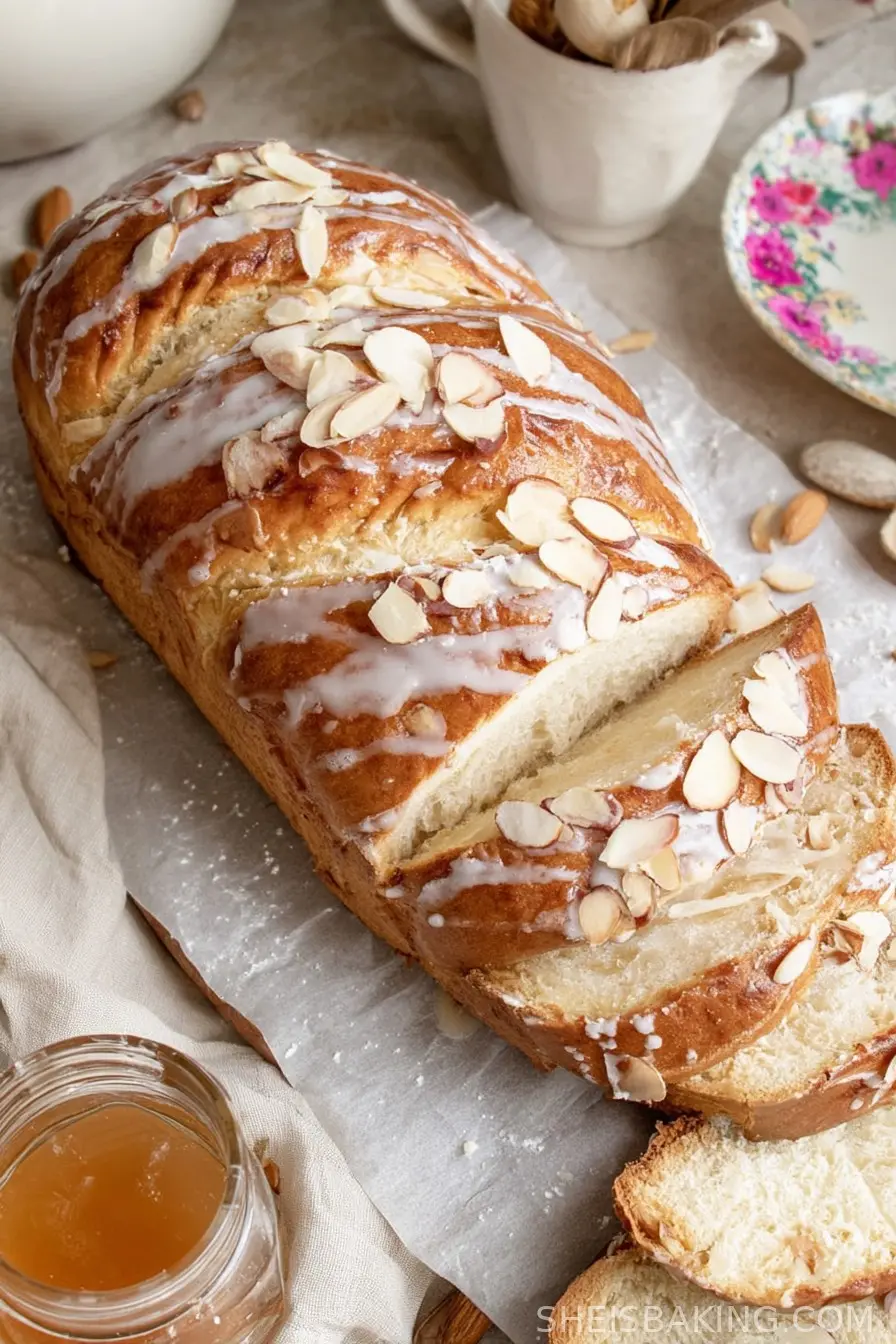
Glazed Easter Bread is a cherished tradition enjoyed in many households around the world during the spring holiday season. This festive bread, often referred to as "Paska" in Eastern European cultures or "Pane di Pasqua" in Italy, is a symbol of renewal and celebration for Easter.

Its bright and beautiful appearance, often adorned with colorful sprinkles and a rich, sugary glaze, makes it an eye-catching centerpiece for any holiday table. The soft, slightly sweet, and aromatic crust is a delight in both flavor and texture. The roots of Glazed Easter Bread stretch back centuries.
Many Christian cultures bake and share special loaves to mark the end of Lent and the joy of Easter Sunday. Each region and family adds its own twist-some infuse the dough with citrus zest, vanilla, or anise, while others decorate it with boiled eggs symbolizing new life.
Traditionally, Glazed Easter Bread is prepared with care and often shared with friends, neighbors, and loved ones. Baking this bread can become a wonderful family tradition, filling your home with the aromas of vanilla, citrus, and freshly risen yeast dough.
Whether you are honoring your own heritage or discovering a new holiday favorite, making Glazed Easter Bread brings a sense of togetherness and celebration. It is delicious for breakfast, a sweet treat with afternoon tea, or a unique addition to your Easter brunch.
In this complete guide, you will find all the steps to create an authentic and memorable Glazed Easter Bread, packed with tips for success and creative variations to make it your own.
Ingredients
- 4 cups all-purpose flour (plus extra for dusting)
- ½ cup whole milk (lukewarm)
- 2 ¼ teaspoons active dry yeast (1 packet)
- 3 large eggs (room temperature)
- ½ cup granulated sugar
- ¼ cup unsalted butter (softened)
- ¼ cup vegetable oil
- 1 teaspoon vanilla extract
- 1 teaspoon lemon zest (freshly grated)
- ½ teaspoon salt
- ½ teaspoon ground nutmeg
- For the glaze:
- 1 ½ cups powdered sugar
- 2-3 tablespoons milk
- ½ teaspoon vanilla extract
- Colorful sprinkles (for decoration)
Instructions
- Warm the milk to about 105°F (just above room temperature). Sprinkle the active dry yeast over the milk, add a pinch of sugar, and let it sit for 5-10 minutes until foamy.
- In a large mixing bowl, whisk together the eggs and granulated sugar until smooth and slightly pale.
- Stir in the softened butter, vegetable oil, vanilla extract, lemon zest, salt, and nutmeg. Mix until combined.
- Add the yeast-milk mixture to the bowl and mix well.
- Gradually add the flour, one cup at a time, mixing with a wooden spoon or stand mixer fitted with a dough hook. Continue until a soft, slightly sticky dough forms.
- Turn the dough out onto a floured surface and knead for about 7-10 minutes, adding a little more flour if needed, until the dough is smooth and elastic.
- Place the dough in a clean, oiled bowl. Cover with plastic wrap or a damp towel and let rise in a warm spot until doubled in size, about 1.5 to 2 hours.
- Punch down the risen dough. Shape it into a round loaf, braid, or your preferred shape. Place on a parchment-lined baking sheet or in a greased loaf pan.
- Cover loosely and let rise again for 45-60 minutes until puffy.
- Preheat your oven to 350°F (175°C).
- Bake the bread for 30-35 minutes or until golden brown and a toothpick inserted in the center comes out clean. If browning too quickly, tent with foil.
- Transfer the baked bread to a wire rack and allow to cool completely before glazing.
- For the glaze: Whisk together powdered sugar, milk, and vanilla extract until smooth. The glaze should be thick but pourable. Pour or drizzle over the cooled bread.
- Immediately sprinkle with colorful nonpareils or sprinkles while the glaze is still wet. Let the glaze set for at least 30 minutes before slicing and serving.
Nutritional Information
A serving slice of Glazed Easter Bread (approximately 1/10th of a loaf) is estimated to contain around 240 calories. The bread is primarily composed of carbohydrates, providing around 42 grams per serving thanks to the combination of flour and a touch of sugar in the dough and glaze.
Protein content averages 5 grams per serving, mostly contributed by the eggs and milk. Each serving contains approximately 6 grams of fat, stemming from the unsalted butter and vegetable oil, with about 2 grams being saturated fat.
The bread is relatively low in sodium (around 170 mg per serving) and cholesterol (about 40 mg), especially when compared to many other festive desserts. Dietary fiber content is modest at just under 1 gram per serving, given that the bread is made with all-purpose flour.
The glaze adds a sweet finish without excessively increasing fat or calorie content, as it relies mainly on powdered sugar and milk for consistency and flavor.
Vitamin and mineral content is enhanced by the inclusion of eggs and milk, offering small amounts of calcium, vitamin D, B vitamins, and trace minerals. If you are looking to reduce calories or added sugars, consider using a lighter glaze or reducing the sugar by a quarter.
For those wishing to increase nutritional benefits, substituting a portion of the white flour with whole wheat flour can add extra fiber and micronutrients.
While Glazed Easter Bread is still an indulgent treat, enjoyed in moderation, it balances festive flavor with modest nutrition-a wonderful addition to your holiday table when eaten as part of a varied diet.
Wine and Beverage Pairings
Glazed Easter Bread pairs beautifully with a variety of beverages. For a traditional touch, serve slices with a warm cup of black tea or freshly brewed coffee, which balance the sweetness of the bread and glaze.
If you prefer wine, a lightly sweet Moscato d'Asti or a fruity Riesling provides a refreshing complement to the soft crumb and sugary finish. Sparkling wines such as Prosecco or Champagne create an elegant brunch pairing, enhancing the festive nature of the bread.
For non-alcoholic options, consider pairing with a cold glass of milk or a citrusy lemonade for a refreshing contrast to the rich loaf. For children or family-friendly gatherings, fruit-infused waters with strawberries, oranges, or mint add a vibrant twist that everyone can enjoy.
Cooking Tips and Variations
To achieve perfectly soft and fluffy Glazed Easter Bread, ensure all your ingredients are at room temperature before you begin. This helps the dough rise evenly and quickly.
Be patient during the kneading and rising process, as giving the dough enough time to rest and double in size is crucial for the lightest texture. Use fresh yeast for best results, as expired or old yeast can prevent proper rising.
Try adding a handful of golden raisins, dried cranberries, or chopped candied citrus peel for extra flavor and texture in the dough. You can also experiment with different flavorings, such as almond extract, orange zest, or even a touch of cardamom for a unique twist.
If you prefer a dairy-free version, substitute plant-based butter and a non-dairy milk such as almond or soy. The glaze can be customized by adding tiny drops of lemon juice, orange extract, or a splash of liqueur such as Grand Marnier for an adult-friendly variation.
Shaping is a great way to make your Glazed Easter Bread special: try braiding the dough, forming a wreath, or tucking in dyed Easter eggs for a classic presentation. When glazing, make sure the loaf is fully cooled to avoid melting the icing.
Store leftovers in an airtight container at room temperature for up to three days, or freeze slices for up to a month for a quick and festive treat.
Serving Suggestions
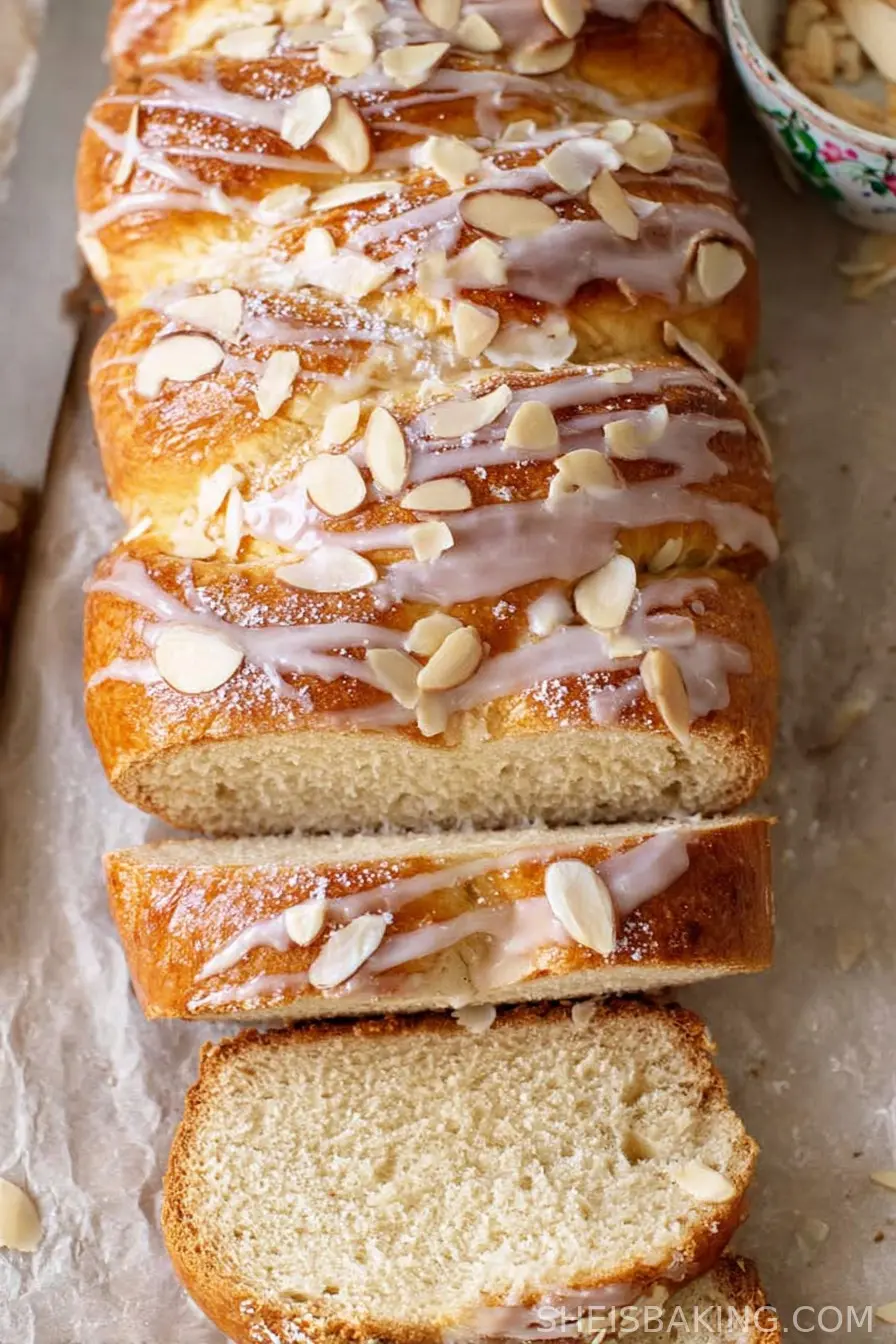
Glazed Easter Bread is an impressive addition to any holiday gathering, perfectly suited as the centerpiece of your Easter brunch or breakfast spread. Present the loaf whole on a beautiful platter, allowing family and guests to admire its golden glaze and colorful decorations before slicing.
For a festive touch, garnish the plate with fresh spring flowers or dyed eggs to echo traditional European celebrations. This bread can be sliced thick and enjoyed warm or toasted, with a pat of butter or a dollop of fruit preserves.
Its delicate sweetness also makes it delightful served alongside soft cheeses, fresh fruit, or a classic fruit salad. For a brunch buffet, pre-slice the bread and arrange on a tiered serving tray, accompanied by a variety of spreads such as honey, cream cheese, or lemon curd.
Leftover Glazed Easter Bread is excellent for making bread pudding or French toast, infusing your breakfast with rich holiday memories. For formal gatherings, offer individual slices plated with a drizzle of extra glaze and a sprinkle of nuts or candied peel.
Serve with your choice of beverages as recommended for a complete, delicious, and memorable Easter experience.
Health Benefits
While Glazed Easter Bread is a sweet and festive treat, it also contains several ingredients that offer health benefits in moderation. Eggs are a quality source of protein and provide essential vitamins such as B12 and D, supporting energy production and bone health.
Milk and butter contribute calcium, which is important for strong bones and teeth. The inclusion of fresh lemon zest adds vitamin C and antioxidant properties, supporting the immune system. Spices like nutmeg may possess anti-inflammatory properties and aid digestion.
Using moderate amounts of fat and sugar, the bread provides energy without being overly rich or heavy.
For those seeking a healthier alternative, small tweaks such as reducing the sugar by a quarter, opting for a lighter glaze, or substituting half of the all-purpose flour with whole wheat flour can increase fiber and micronutrients.
The bread is low in sodium compared to savory loaves, making it suitable for those monitoring salt intake. However, it is important to enjoy Glazed Easter Bread in portion-controlled servings as part of a balanced diet, especially if you have dietary restrictions or are monitoring blood sugar levels.
Homemade baking also allows you to control the quality of ingredients, reduce additives, and enjoy a fresher, more wholesome treat.
Frequently Asked Questions
Yes, Glazed Easter Bread can be made a day ahead. Allow it to cool completely, store it in an airtight container, and glaze just before serving for best freshness.
Absolutely. Once cooled and before glazing, wrap the bread tightly in plastic wrap and freeze for up to one month. Thaw at room temperature and add the glaze and sprinkles just before serving.
You can substitute instant yeast in equal amounts. Add it directly to the flour and proceed with the recipe, as instant yeast does not require proofing.
Yes, you can add a few drops of food coloring to the glaze, dividing it into portions for a multicolored finish. Use a toothpick or small spatula to swirl colors artistically over the loaf.
To make this recipe dairy-free, substitute plant-based milk for regular milk and use dairy-free margarine or coconut oil instead of butter. The results will still be deliciously festive.
Baking Glazed Easter Bread is a delightful way to celebrate the arrival of spring and the tradition of Easter. Its tender crumb, sweet glaze, and festive decorations make it a standout at any holiday table. By following this step-by-step guide, you can create a loaf that not only looks beautiful but also tastes as good as it appears. Whether you enjoy it with family on Easter morning or share slices with friends and neighbors, Glazed Easter Bread is sure to fill your home with the spirit of the season. With endless variations and ways to customize, this beloved bread will soon become an annual favorite. Take the time to savor each bite and the cherished memories that come from baking together.
Ingredients
- 4 cups all-purpose flour (plus extra for dusting)
- ½ cup whole milk (lukewarm)
- 2 ¼ teaspoons active dry yeast (1 packet)
- 3 large eggs (room temperature)
- ½ cup granulated sugar
- ¼ cup unsalted butter (softened)
- ¼ cup vegetable oil
- 1 teaspoon vanilla extract
- 1 teaspoon lemon zest (freshly grated)
- ½ teaspoon salt
- ½ teaspoon ground nutmeg
- For the glaze:
- 1 ½ cups powdered sugar
- 2-3 tablespoons milk
- ½ teaspoon vanilla extract
- Colorful sprinkles (for decoration)
Instructions
-
1Warm the milk to about 105°F (just above room temperature). Sprinkle the active dry yeast over the milk, add a pinch of sugar, and let it sit for 5-10 minutes until foamy.
-
2In a large mixing bowl, whisk together the eggs and granulated sugar until smooth and slightly pale.
-
3Stir in the softened butter, vegetable oil, vanilla extract, lemon zest, salt, and nutmeg. Mix until combined.
-
4Add the yeast-milk mixture to the bowl and mix well.
-
5Gradually add the flour, one cup at a time, mixing with a wooden spoon or stand mixer fitted with a dough hook. Continue until a soft, slightly sticky dough forms.
-
6Turn the dough out onto a floured surface and knead for about 7-10 minutes, adding a little more flour if needed, until the dough is smooth and elastic.
-
7Place the dough in a clean, oiled bowl. Cover with plastic wrap or a damp towel and let rise in a warm spot until doubled in size, about 1.5 to 2 hours.
-
8Punch down the risen dough. Shape it into a round loaf, braid, or your preferred shape. Place on a parchment-lined baking sheet or in a greased loaf pan.
-
9Cover loosely and let rise again for 45-60 minutes until puffy.
-
10Preheat your oven to 350°F (175°C).
-
11Bake the bread for 30-35 minutes or until golden brown and a toothpick inserted in the center comes out clean. If browning too quickly, tent with foil.
-
12Transfer the baked bread to a wire rack and allow to cool completely before glazing.
-
13For the glaze: Whisk together powdered sugar, milk, and vanilla extract until smooth. The glaze should be thick but pourable. Pour or drizzle over the cooled bread.
-
14Immediately sprinkle with colorful nonpareils or sprinkles while the glaze is still wet. Let the glaze set for at least 30 minutes before slicing and serving.
Approximate Information for One Serving
Nutrition Disclaimers
Number of total servings shown is approximate. Actual number of servings will depend on your preferred portion sizes.
Nutritional values shown are general guidelines and reflect information for 1 serving using the ingredients listed, not including any optional ingredients. Actual macros may vary slightly depending on specific brands and types of ingredients used.
To determine the weight of one serving, prepare the recipe as instructed. Weigh the finished recipe, then divide the weight of the finished recipe (not including the weight of the container the food is in) by the desired number of servings. Result will be the weight of one serving.
Did you make this recipe?
Please consider Pinning it!

Leave a Reply