
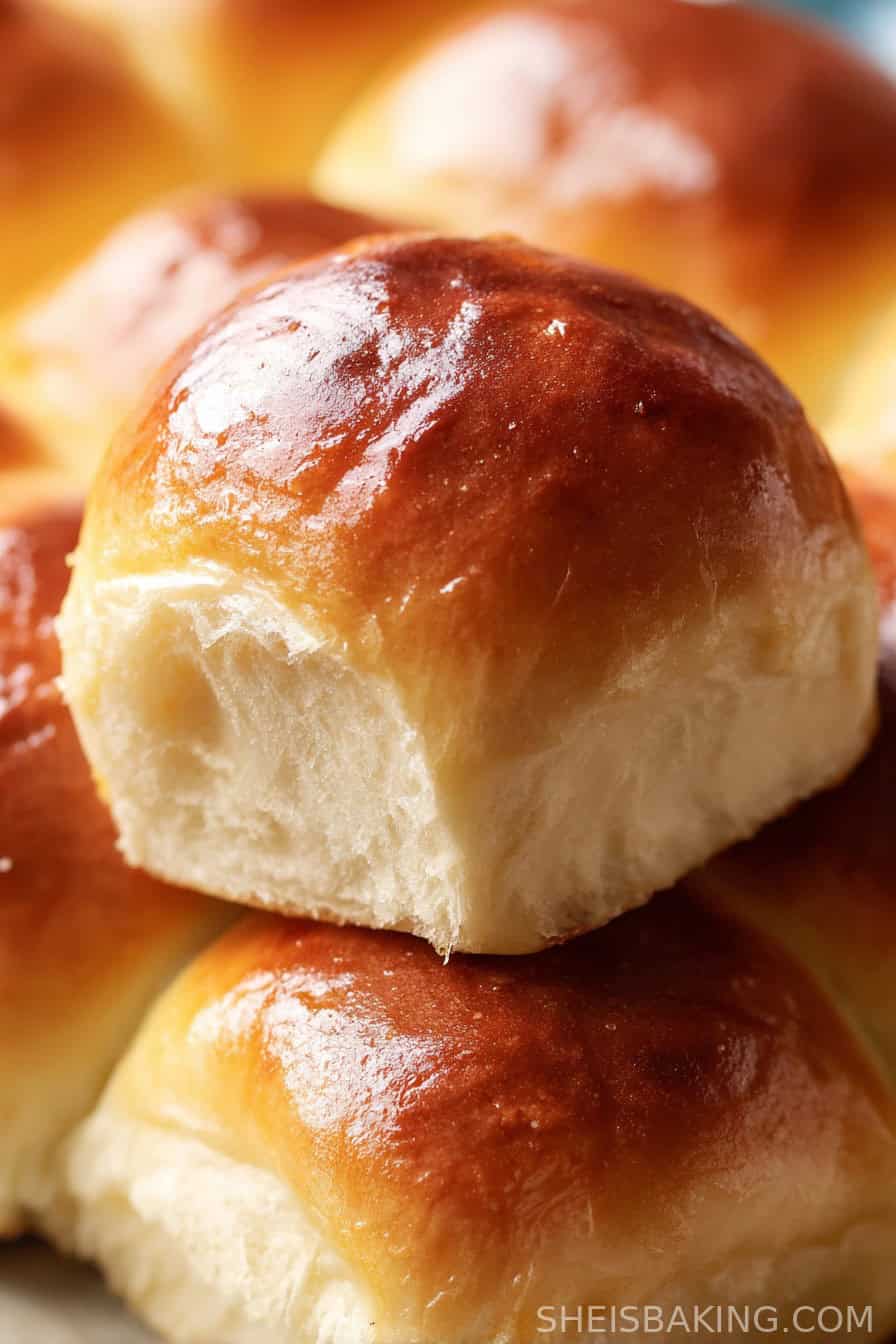
Few bread recipes are as beloved and universally appealing as homemade Hawaiian rolls. Soft, pillowy, slightly sweet, and beautifully golden, these rolls have become a staple at dinner tables and gatherings, providing a comforting addition to any meal.
Originating from the islands of Hawaii, this iconic bread was first made famous by Robert Taira in the 1950s, who opened King's Hawaiian Bakery and introduced the world to the unique, sweet flavor profile of Hawaiian rolls.
The secret behind their addictive taste lies in the inclusion of pineapple juice, which imparts a subtle fruitiness and gentle sweetness, setting these rolls apart from traditional dinner bread. Over the years, homemade Hawaiian rolls have gained immense popularity far beyond their tropical birthplace.
People everywhere have embraced the challenge and joy of recreating this bakery classic in their own kitchens, often tweaking the classic recipe to suit local flavors or dietary needs.
Making Hawaiian rolls at home allows you full control over ingredients, ensuring a fresher, preservative-free product with that signature lush texture and golden sheen. These versatile rolls pair beautifully with everything from roasted meats and salads to jams, butter, or even as a base for mini sandwiches.
Whether you're hosting a family celebration, preparing a holiday meal, or simply seeking the ultimate comfort bread, learning how to bake homemade Hawaiian rolls is a rewarding and satisfying kitchen endeavor.
This comprehensive recipe guide will walk you step-by-step through making your own batch of homemade Hawaiian rolls, sharing expert tips, nutritional benefits, and delicious serving suggestions to ensure perfect results every time.
Ingredients for Homemade Hawaiian Rolls
- 4 cups all-purpose flour (plus extra for dusting)
- 1 packet (2 ¼ teaspoons) active dry yeast
- ½ cup pineapple juice (room temperature)
- ½ cup warm milk (about 110°F/43°C)
- ⅓ cup granulated sugar
- ¼ cup unsalted butter (melted, plus extra for brushing)
- 2 large eggs (room temperature)
- 1 teaspoon salt
- 1 teaspoon vanilla extract
Instructions for Making Homemade Hawaiian Rolls
- In a small bowl, combine the warm milk and pineapple juice, then whisk in the yeast and a teaspoon of sugar. Set aside for 5-10 minutes until frothy.
- In a large mixing bowl, whisk together the remaining sugar, melted butter, eggs, and vanilla extract until well combined.
- Pour the yeast mixture into the wet ingredients and whisk until smooth.
- Gradually add the flour and salt, mixing with a wooden spoon or the dough hook of a stand mixer, until a soft dough forms.
- Knead the dough by hand on a lightly floured surface or with the mixer for 7-10 minutes, until it becomes smooth and elastic.
- Transfer the dough to a lightly greased bowl, cover with a damp cloth or plastic wrap, and let it rise in a warm place for 1-2 hours, or until doubled in size.
- Punch down the dough and divide it into 15 equal pieces. Shape each piece into a smooth ball.
- Arrange the dough balls in a greased 9x13-inch baking dish, leaving a bit of space between each one.
- Cover the dish loosely with plastic wrap and let the rolls rise again for 45-60 minutes, or until noticeably puffy.
- Preheat your oven to 350°F (175°C). Brush the tops of the rolls lightly with melted butter.
- Bake the rolls in the preheated oven for 18-22 minutes, or until golden brown and a toothpick inserted into the center comes out clean.
- Remove the rolls from the oven, brush again with melted butter for a glossy finish, and let them cool slightly before serving.
Nutritional Information
Homemade Hawaiian rolls are an indulgent yet surprisingly balanced addition to any meal. Made with all-purpose flour, real butter, eggs, and pineapple juice, these rolls offer a moderate source of carbohydrates and protein, along with small amounts of essential vitamins and minerals such as B vitamins, calcium, and iron.
Each roll contains an estimated 120-140 calories, with about 3 grams of fat (mainly from butter and eggs), 20 grams of carbohydrates, and 3 grams of protein. The inclusion of pineapple juice adds a trace of vitamin C, while eggs contribute healthy fats and protein, supporting muscle growth and repair.
Unlike store-bought packaged buns that often contain preservatives and unnecessary additives, homemade Hawaiian rolls allow you to control the quality of the ingredients. Using real butter and no artificial sweeteners ensures a cleaner nutritional profile, making these rolls a preferable option for those seeking wholesome homemade bread.
To reduce the caloric content, you may use skim milk or decrease the butter, but keep in mind that these rolls are meant to be a treat best enjoyed in moderation, as part of a well-balanced diet. Consider pairing them with lean proteins and vegetables for a nutritionally rounded meal.
Wine/Beverage Pairings With Homemade Hawaiian Rolls
Homemade Hawaiian rolls pair exceptionally well with refreshing beverages that highlight their sweet, buttery flavor. For a classic family-friendly choice, serve them alongside pineapple iced tea or a fresh lemonade to echo the slight tropical tang of the rolls.
At brunches or festive dinners, sparkling cider or a citrus punch provides a sophisticated yet playful accompaniment. Wine lovers can enjoy these rolls with a lightly chilled Riesling or Moscato, both of which balance sweetness with acidity, complementing the bread's delicate flavor profile.
Coffee and tea-especially fruity black teas or smooth breakfast blends-are also delightful for an afternoon bread-and-butter snack.

Cooking Tips and Variations
Achieving the perfect homemade Hawaiian rolls is all about technique and ingredient proportions. For the fluffiest texture, make sure your yeast is fresh and active; expired yeast can lead to dense rolls. Using room-temperature eggs and slightly warm wet ingredients helps the dough rise evenly.
Don't skip kneading-the process develops gluten, giving the rolls their trademark soft and elastic crumb. If you find the dough sticky, dust your hands and work surface with a little flour but avoid adding too much, as excessive flour can toughen the finished rolls.
For a deeper flavor and richer sweetness, try swapping half of the sugar for honey or use canned crushed pineapple in place of juice, adjusting the flour as needed for consistency.
Those who prefer whole wheat can substitute up to one cup of whole wheat flour without dramatically affecting the softness, while gluten-free bakers can use a blend designed for yeast breads. For a dairy-free version, replace the milk with an unsweetened non-dairy alternative and use plant-based butter.
To add a Hawaiian twist, mix in shredded coconut or a touch of ginger to the dough. These rolls also freeze beautifully: once baked and cooled, wrap tightly and freeze for up to two months; thaw and reheat in a warm oven for a just-baked taste.
Serving Suggestions
Homemade Hawaiian rolls are incredibly versatile and shine in a variety of serving contexts. At family dinners, they're ideal for soaking up savory gravies alongside roast chicken, baked ham, or pot roast. For breakfast, slice a warm roll and spread with whipped butter, fruit preserves, or a honey drizzle.
They make outstanding slider buns-fill with roasted pork, teriyaki chicken, or grilled vegetables for a satisfying lunch or party platter. During holiday meals or special celebrations, arrange them warm in a bread basket and brush with extra melted butter for a glossy, inviting presentation.
For something different, split the rolls open, lightly toast them, and use as a base for breakfast sandwiches with egg, cheese, and ham. Their subtle sweetness brings balance to spicy or tangy dishes, and they pair naturally with tropical fruit salads or grilled pineapple.
If you're entertaining, serve the rolls with a trio of butters-herbed, honey-cinnamon, and classic sea salt-for an elegant homemade touch.
Hawaiian rolls are best enjoyed warm, so reheat briefly in a low oven before serving if made ahead; this ensures every bite is as pillowy and fragrant as when freshly baked.
Homemade Hawaiian Rolls Health Benefits
While homemade Hawaiian rolls are considered a treat, they offer several positive health benefits when prepared with wholesome ingredients. Compared to commercially prepared rolls, homemade versions contain fewer preservatives and artificial flavors, reducing your intake of unnecessary additives.
The eggs in the dough provide high-quality protein and essential vitamins like B12 and vitamin D. Pineapple juice not only adds signature sweetness but also delivers a modest dose of antioxidants and vitamin C, supporting immune health.
If you wish to boost the nutritional content, incorporate a portion of whole wheat flour for added fiber, or select non-dairy milk to accommodate lactose sensitivities.
By adjusting the sugar or butter content, individuals monitoring their carbohydrate or fat intake can make the rolls a better fit for their nutritional needs.
Overall, when eaten in moderation and enjoyed as part of a balanced meal that includes protein and vegetables, homemade Hawaiian rolls can be a flavorful and satisfying addition to your diet.
FAQs About Homemade Hawaiian Rolls
Can I make homemade Hawaiian rolls ahead of time?
Yes, you can prepare the dough a day in advance, refrigerate after the first rise, then shape and bake the next day. Baked rolls can also be frozen for up to two months.

What gives homemade Hawaiian rolls their signature sweetness?
The unique flavor comes from pineapple juice in the dough, combined with a bit of sugar and sometimes honey, which enhances the sweet, tropical taste.
Can I make homemade Hawaiian rolls without eggs or dairy?
Absolutely! Substitute the eggs with a flaxseed or chia egg, use plant-based butter alternatives, and opt for non-dairy milk as needed.
How do I know when the rolls are perfectly baked?
Homemade Hawaiian rolls are done when the tops are golden brown and a toothpick inserted in the center comes out clean or with just a few moist crumbs.
Why are my rolls dense and not fluffy?
Dense rolls often result from under-kneading, inactive yeast, or adding too much flour. Make sure ingredients are fresh and dough is kneaded until elastic.
Homemade Hawaiian rolls capture the heart and soul of classic island baking-soft, sweet, and conditioned to bring joy to every meal. Whether you're a beginner or seasoned baker, mastering this iconic bread is a rewarding experience, offering freshly baked richness that surpasses anything store-bought. With the right ingredients, careful technique, and your own unique twist, you can enjoy warm, fluffy Hawaiian rolls fresh from your oven anytime. Gather your ingredients, embrace the traditions of Hawaiian baking, and share these golden delights with friends and family. The aroma and taste of homemade Hawaiian rolls are sure to become a cherished favorite at your table.
Ingredients
- 2 ¼ teaspoons active dry yeast
- ½ cup warm pineapple juice (about 110°F)
- ¼ cup granulated sugar
- ¼ cup unsalted butter, melted
- 2 large eggs
- ¼ cup whole milk, warm
- 3 ½ cups all-purpose flour
- 1 teaspoon salt
Instructions
-
1In a small bowl, combine the warm pineapple juice and yeast. Let sit for 5 minutes until foamy.
-
2In a large mixing bowl, whisk together the sugar, melted butter, eggs, and warm milk. Add the yeast mixture and stir to combine.
-
3Gradually add the flour and salt, mixing with a spoon or dough hook until a soft dough forms.
-
4Knead the dough on a floured surface for about 8 minutes, until smooth and elastic. Place in a greased bowl, cover, and let rise for 1 hour or until doubled in size.
-
5Punch down the risen dough and divide into 12 equal pieces. Shape each piece into a ball and place in a greased 9x13-inch baking dish. Cover and let rise for 30 minutes.
-
6Preheat the oven to 350°F (175°C). Bake rolls for 20-25 minutes or until golden brown. Cool slightly before serving.
Approximate Information for One Serving
Nutrition Disclaimers
Number of total servings shown is approximate. Actual number of servings will depend on your preferred portion sizes.
Nutritional values shown are general guidelines and reflect information for 1 serving using the ingredients listed, not including any optional ingredients. Actual macros may vary slightly depending on specific brands and types of ingredients used.
To determine the weight of one serving, prepare the recipe as instructed. Weigh the finished recipe, then divide the weight of the finished recipe (not including the weight of the container the food is in) by the desired number of servings. Result will be the weight of one serving.
Did you make this recipe?
Please consider Pinning it!!


Leave a Reply