
Mango Sago is a beloved dessert across many Asian countries, particularly known for its creamy texture, vibrant color, and the refreshing flavor of ripe mangoes.
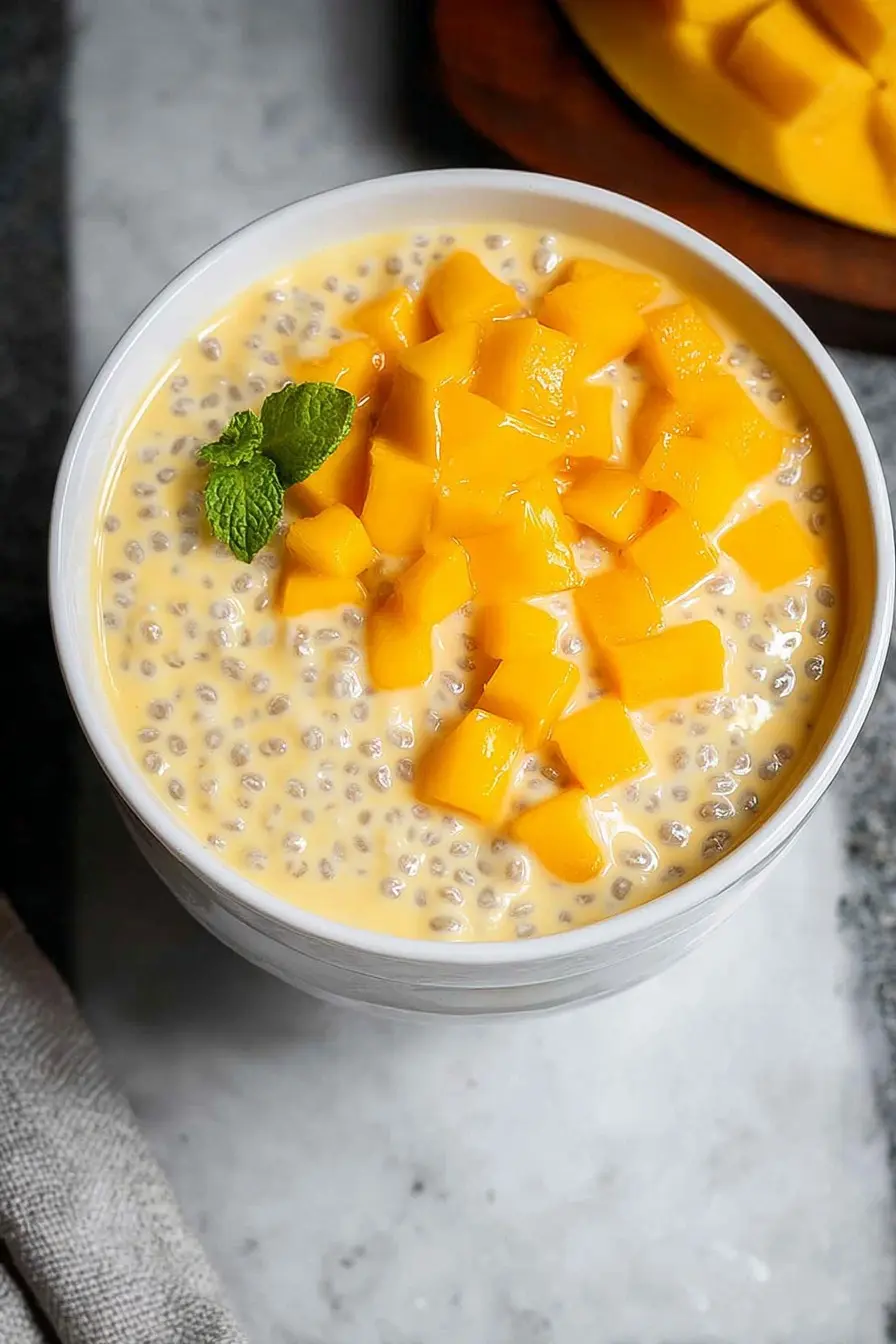
Featuring tender sago pearls (similar to small tapioca pearls), a luscious coconut milk base, and sweet mango puree, Mango Sago is an irresistible chilled treat perfect for the warm summer months.
Its popularity has soared over recent years, making it a staple dessert not just in Hong Kong, where it is believed to have originated in the 1980s, but in numerous Southeast Asian countries.
Restaurants and dessert shops feature Mango Sago year-round, and its beautiful presentation often makes it the centerpiece of festive meals and gatherings. The combination of juicy mango chunks, creamy coconut flavors, and the unique mouthfeel of sago creates a dessert that appeals to a wide range of palates.
Moreover, Mango Sago is naturally gluten-free and can be tailored for various dietary needs with plant-based milks and sweeteners. Preparing this creamy dessert at home is not only simple but allows you to play with flavors and textures, ensuring that every bowl can be adjusted to personal preferences.
In this detailed recipe guide, you'll discover everything you need to know about making Mango Sago from scratch, along with tips for selecting the best mangoes, step-by-step cooking instructions, nutritional information, serving ideas, and helpful FAQs. Get ready to impress your family and friends with this crowd-pleasing Mango Sago dessert.
Ingredients
- 3 ripe mangoes (Ataulfo, Alphonso, or Kent varieties preferred)
- ½ cup small sago pearls (also known as tapioca pearls)
- 1 cup coconut milk (full-fat for creaminess)
- ½ cup evaporated milk (or additional coconut milk for dairy-free option)
- ¼ cup sweetened condensed milk (adjust to taste or use coconut condensed milk for vegan)
- 3 tablespoons granulated sugar (to taste)
- 2 cups water (for cooking sago)
- Pinch of salt (optional, enhances flavor)
- Extra diced mango (for garnish)
- Fresh mint leaves (optional, for garnish)
Instructions
- Peel the mangoes, remove the pits, and cut two into cubes. Set aside ⅓ of the cubes for garnish. Puree the remaining mango with a blender until silky smooth.
- Bring a pot of water to a boil. Add the sago pearls and stir gently to prevent sticking. Boil for 10-12 minutes or until the pearls are almost translucent, stirring occasionally.
- Turn off the heat and cover the pot. Let the sago pearls sit for 5 more minutes until fully transparent. Drain and rinse under cold running water to remove excess starch.
- In a large mixing bowl, combine coconut milk, evaporated milk, sweetened condensed milk, granulated sugar, and a pinch of salt. Mix thoroughly to dissolve the sugar.
- Add the mango puree to the milk mixture and stir until well blended. Adjust sweetness according to your preference.
- Fold in the cooked and rinsed sago pearls, and the majority of the mango cubes (reserve some for topping). Mix gently to combine all ingredients evenly.
- Chill the Mango Sago dessert in the refrigerator for at least 2 hours to allow flavors to meld and to thicken the consistency.
- Serve the Mango Sago cold, topped with reserved mango cubes, and garnish with fresh mint leaves if desired. Enjoy immediately.
Nutritional Information
Mango Sago is not just visually stunning and delicious; it can also be a relatively nutritious dessert when consumed in moderation. A single serving (about one cup) typically contains approximately 220-280 calories, depending on whether additional sugar or sweetened condensed milk is used.
The main ingredients contribute to different nutritional benefits. Mangoes are a rich source of Vitamin C, providing up to 67% of your daily requirement per serving, while also offering Vitamin A, folate, and antioxidants.
Coconut milk is high in healthy fats, particularly medium-chain triglycerides (MCTs), which may aid in energy metabolism. However, coconut milk and sweetened condensed milk do increase the total saturated fat content, so it's best to enjoy the dessert as part of a balanced diet.
Sago pearls are primarily carbohydrates, offering a quick energy source but little fiber or micronutrients. Opting for less sugar or plant-based sweeteners can significantly lower the calorie content.
For those watching their blood sugar, keep in mind that both mangoes and sago are high in natural and added sugars, so portion control is recommended. If you require a lower-calorie version, substitute coconut milk for a lighter variety, reduce sweetened condensed milk, or select a lower-sugar mango variety.
Ultimately, Mango Sago can be enjoyed as a vibrant, vitamin-rich treat, especially when balanced with fresh fruit and mindful ingredient choices.
Wine and Beverage Pairings
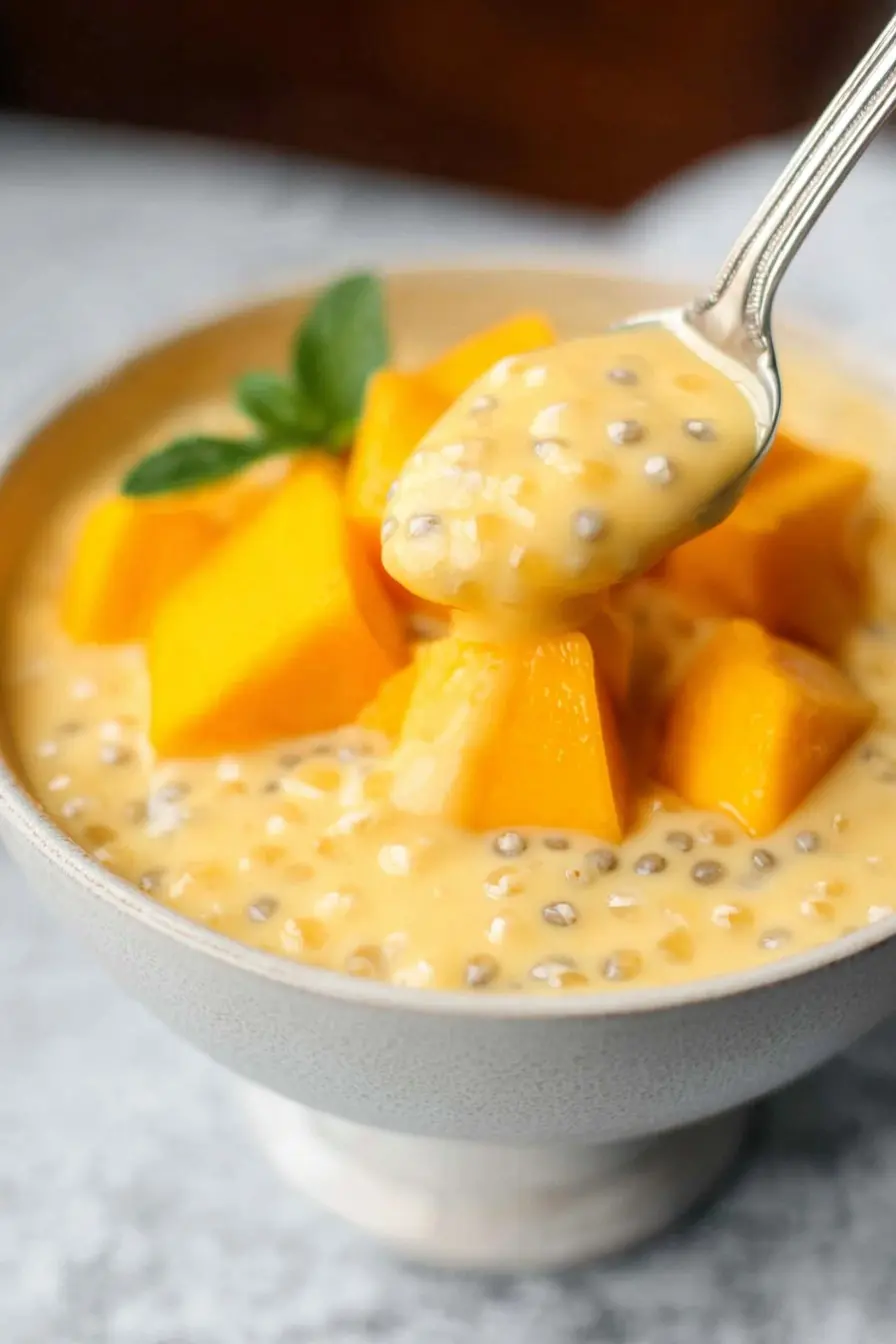
Mango Sago's tropical flavors pair beautifully with light, refreshing beverages. For a non-alcoholic option, try serving it alongside freshly brewed jasmine or green tea, which balances the dessert's sweetness with subtle floral notes. Thai iced tea or a cool glass of lychee juice also complement the creamy and fruity flavors.
For those who enjoy wine, opt for a late harvest Riesling or Moscato d'Asti. These wines offer balanced acidity with gentle sweetness, making them a harmonious match for Mango Sago's flavors.
Sparkling water infused with lime or mint can be a palate-cleansing alternative, keeping the focus on the fresh mango taste. Ultimately, choose beverages that are not too heavy or overly sweet, as Mango Sago itself provides a satisfying richness and fruity brightness.
Cooking Tips and Variations
To make the perfect Mango Sago, start by selecting the ripest, juiciest mangoes available for maximum flavor and color. Ataulfo or Alphonso mangoes are particularly favored for their aroma and sweetness.
When cooking sago, patience is key-the pearls should be cooked until translucent but not overdone, or they may become mushy. Always rinse sago pearls under cold water to prevent them from clumping together.
For a vegan Mango Sago, replace the evaporated and sweetened condensed milk with plant-based or coconut condensed milk. You can play around with the milk blend by using a combination of coconut cream and regular coconut milk for an ultra-creamy result.
If you prefer a lighter dessert, dilute the coconut milk with a bit of water and reduce the condensed milk. For extra textural contrast, consider adding small cubes of pomelo or grapefruit, as is common in Hong Kong versions of Mango Sago.
Some recipes add a squeeze of lime juice to brighten the mango flavor further. If you wish to prepare the sago ahead of time, store it in cold water in the fridge for up to 24 hours, then drain and combine just before serving.
Allowing the dessert to chill thoroughly enhances both texture and taste. Finally, garnish with fresh herbs like mint or basil for an elevated presentation. These small tips and tweaks ensure every bowl of Mango Sago is restaurant-worthy.
Serving Suggestions
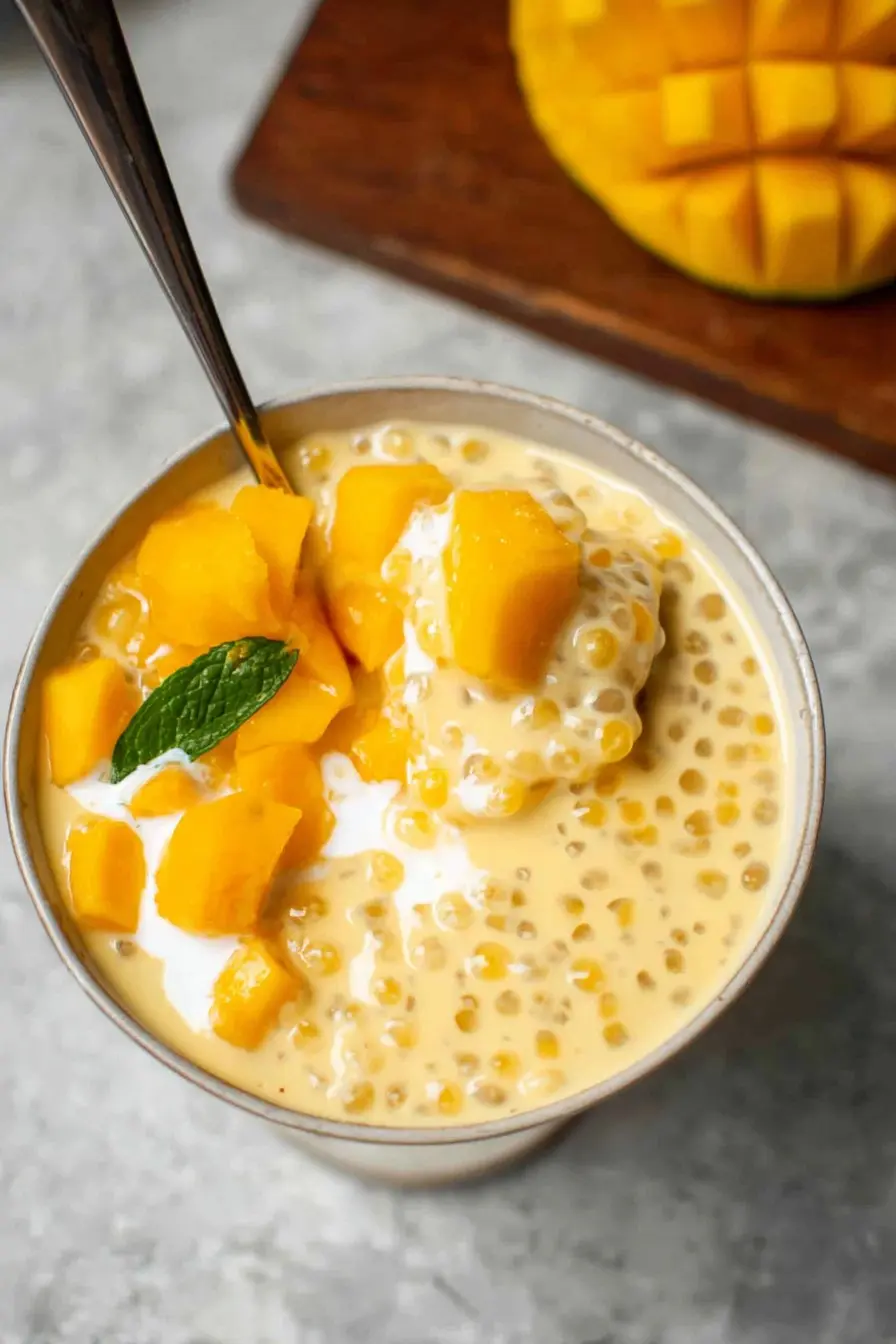
Mango Sago shines as a showstopping end to meals-or as a cooling afternoon snack on a hot day. For formal occasions, serve the dessert in clear glass bowls or parfait cups to highlight the vibrant layers of mango and sago pearls.
Top with a generous handful of diced mango and a few mint leaves for a restaurant-worthy look. For casual gatherings, prepare Mango Sago in advance and keep it chilled in a large bowl, ready to be scooped into smaller serving cups as needed-perfect for BBQs, picnics, or potlucks.
To create a truly luxurious experience, delicately layer the Mango Sago with alternating spoonfuls of coconut milk and mango puree, garnished with citrus zest or sesame seeds. Individual portions can be pre-chilled and garnished just before serving to maintain the freshest appearance.
For a fusion spin, add tropical fruits like kiwi, dragon fruit, or passionfruit for extra pops of flavor and color.
Whether serving a small family dinner or a festive banquet, Mango Sago offers flexibility-just adjust portion size to suit the occasion, and don't forget to provide small spoons for easy enjoying.
The creamy, fruity nature of Mango Sago ensures it appeals to both adults and children alike, making it an ideal dessert option for any celebration.
Health Benefits
Mango Sago, when prepared with mindful ingredient choices, can provide several health benefits. Mangoes are a nutritional powerhouse, packed with Vitamin C for immune support, Vitamin A for healthy vision, and numerous other phytonutrients contributing to overall wellbeing.
The high antioxidant content in mangoes may help reduce inflammation and combat oxidative stress. Coconut milk, especially when consumed in moderation, can offer healthy fats essential for cell function and hormone production, while also being dairy-free for those with lactose intolerance.
Though sago pearls are low in micronutrients, they serve as a gluten-free carbohydrate source for those managing celiac disease or gluten sensitivity. Opting for reduced sugar and using more fresh mango puree increases the natural vitamin and fiber content in the dessert.
For an even healthier twist, adding citrus fruits like pomelo can provide additional vitamin C and fiber. As with any dessert, enjoying Mango Sago in reasonable portions ensures you reap the nutritional benefits without excessive caloric or sugar intake.
The dessert's adaptability for vegan and dairy-free diets broadens its appeal, making it accessible to those with food allergies or specific dietary preferences.
Frequently Asked Questions
Yes, Mango Sago can be prepared up to a day in advance. Simply keep it chilled in the refrigerator and stir gently before serving. Add extra mango cubes and garnish just before serving for the freshest presentation.
Absolutely. Replace evaporated milk and regular sweetened condensed milk with their coconut-based or plant-derived alternatives. Ensure the coconut milk you use is full-fat for the best creamy texture.
If sago is unavailable, you can substitute small tapioca pearls found in most Asian grocery stores. Cook them in the same way, but pay attention to cooking times as they may vary slightly.
Mango Sago is best enjoyed within 1-2 days of preparation. After that timeframe, the texture of the sago and the fresh mango may begin to deteriorate.
Yes, Mango Sago is naturally gluten-free since both sago pearls and all other base ingredients are gluten-free. Always double-check labels if you're using packaged products to ensure no cross-contamination.
Mango Sago epitomizes the essence of a perfect Asian dessert-bright, creamy, and irresistibly refreshing. With its roots deeply embedded in innovative Hong Kong cuisine, it showcases how simple ingredients can be transformed into a bowl of tropical bliss. The interplay of luscious mango, silky sago pearls, and rich coconut milk has won Mango Sago a devoted following across the globe. By following this comprehensive recipe and embracing suggested tips and variations, you can prepare Mango Sago tailored perfectly to your own taste preferences and dietary requirements. Whether it's the centerpiece of a special occasion or a delightful everyday treat, Mango Sago is guaranteed to bring a taste of summer sunshine to your table. Enjoy the process of making and sharing this iconic dessert, and relish the joy it brings to every spoonful.
Ingredients
- ½ cup small sago pearls
- 3 large ripe mangoes, peeled and diced
- 1 cup coconut milk
- ½ cup whole milk (or evaporated milk)
- 3 tablespoons sugar
- ¼ teaspoon salt
- ½ cup water
- Fresh mint leaves for garnish (optional)
Instructions
-
1Bring a pot of water to a boil. Add the sago pearls and cook for 10-15 minutes, stirring occasionally, until the sago turns translucent.
-
2Drain the cooked sago using a fine sieve and rinse under cold water to remove excess starch. Set aside.
-
3In a blender, combine two mangoes, coconut milk, whole milk, sugar, salt, and water. Blend until smooth and creamy.
-
4Place the cooked sago pearls in a large bowl. Pour the mango-coconut mixture over the sago and stir to combine well.
-
5Chill the mixture in the refrigerator for at least 1 hour. Serve in individual bowls, topping with diced mango from the remaining mango and garnish with fresh mint leaves if desired.
Approximate Information for One Serving
Nutrition Disclaimers
Number of total servings shown is approximate. Actual number of servings will depend on your preferred portion sizes.
Nutritional values shown are general guidelines and reflect information for 1 serving using the ingredients listed, not including any optional ingredients. Actual macros may vary slightly depending on specific brands and types of ingredients used.
To determine the weight of one serving, prepare the recipe as instructed. Weigh the finished recipe, then divide the weight of the finished recipe (not including the weight of the container the food is in) by the desired number of servings. Result will be the weight of one serving.
Did you make this recipe?
Please consider Pinning it!!



Leave a Reply