
If you're searching for a comforting, crowd-pleasing breakfast that's both easy to prepare and guaranteed to impress, Overnight French Toast Casserole is the answer. This delectable dish boasts the classic flavors of French toast in a convenient, make-ahead format.
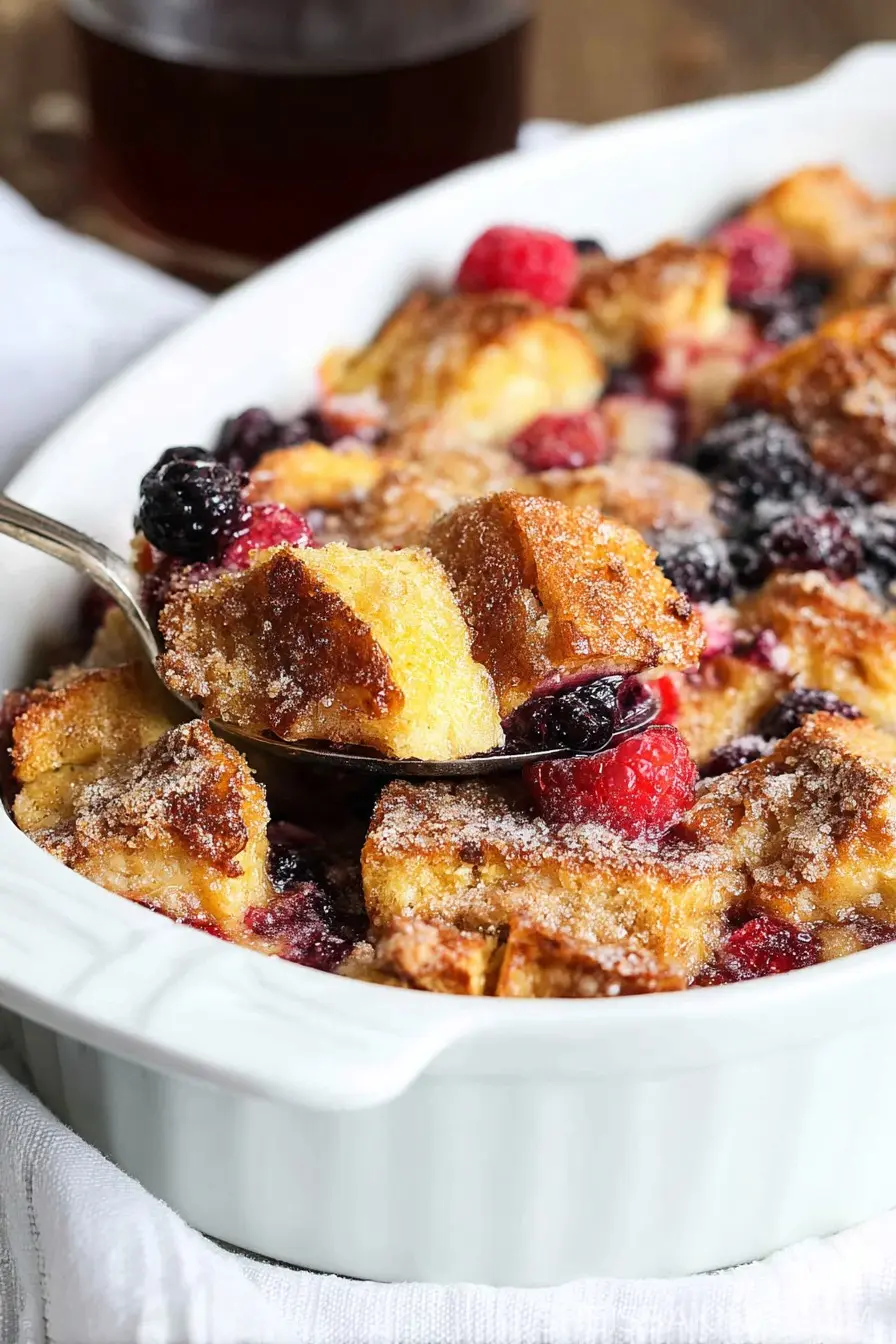
Perfect for holiday mornings, brunch gatherings, or lazy weekends, it's an effortless way to serve a decadent breakfast to family and friends. Overnight French Toast Casserole traces its roots to European kitchens, where leftover bread was soaked in milk and eggs to make it palatable again.
The French "pain perdu" or "lost bread" became a staple that found its way into American cuisine, evolving into the beloved French toast. This recipe takes French toast to another level by layering crusty bread pieces in a casserole dish and allowing them to soak up a rich custard overnight.
By the morning, the bread is infused with sweet vanilla, cinnamon, and a hint of nutmeg. Baking transforms it into a golden, tender casserole with crispy edges and a custardy center.
Whether you top it with maple syrup, fresh berries, or powdered sugar, this Overnight French Toast Casserole is a delicious way to start any day and is sure to become a family tradition.
With the reliability and comfort of a classic breakfast along with the convenience of overnight prep, you'll enjoy more time with loved ones and less time in the kitchen.
Ingredients
- 1 large loaf of day-old French bread or brioche (about 16 ounces)
- 8 large eggs
- 2 ¼ cups whole milk
- 1 cup heavy cream
- ¾ cup granulated sugar
- ½ cup brown sugar, packed
- 2 teaspoons pure vanilla extract
- 1 teaspoon ground cinnamon
- ¼ teaspoon ground nutmeg
- ½ teaspoon salt
- 4 tablespoons unsalted butter, melted
- Maple syrup, for serving
- Powdered sugar, for dusting (optional)
- Fresh berries or sliced bananas, for garnish (optional)
Instructions
- Grease a 9x13-inch baking dish with butter or non-stick spray.
- Slice the day-old bread into 1-inch cubes and spread evenly in the prepared baking dish.
- In a large mixing bowl, whisk together the eggs, whole milk, heavy cream, granulated sugar, brown sugar, vanilla extract, cinnamon, nutmeg, and salt until very well combined.
- Pour the custard mixture evenly over the bread cubes, pressing down gently to ensure all bread pieces soak up the liquid.
- Cover the dish tightly with plastic wrap or foil and refrigerate overnight (at least 8 hours, up to 24 hours).
- In the morning, preheat your oven to 350°F (175°C).
- Remove the casserole from the refrigerator and let it sit at room temperature while the oven heats.
- Drizzle the melted butter evenly over the top of the casserole.
- Bake uncovered for 45-55 minutes, or until the casserole is golden brown and set in the center. If the top starts to brown too quickly, tent loosely with foil during the last 10-15 minutes of baking.
- Remove from the oven and let the Overnight French Toast Casserole cool for 10 minutes before cutting into squares.
- Serve warm with maple syrup, a dusting of powdered sugar, and fresh berries or bananas as desired.
Nutritional Information
Overnight French Toast Casserole is a rich and satisfying breakfast option, offering a balance of carbohydrates, protein, and healthy fats. A typical serving (based on 12 servings per recipe) provides approximately 320 calories, with 11 grams of protein, 14 grams of fat, and 39 grams of carbohydrates.
The eggs and milk supply high-quality protein and essential nutrients like calcium, vitamin D, and B vitamins. The use of whole milk and cream gives this casserole a creamy texture, while bread offers energy-boosting carbohydrates.
For those watching their sugar intake, the recipe contains both granulated and brown sugar, so enjoy in moderation or consider reducing the sugar if desired. The addition of cinnamon and nutmeg not only enhances flavor but also brings antioxidants and anti-inflammatory benefits.
Toppings such as fresh berries add fiber and vitamin C, making the casserole more nutritious. If you're seeking to lighten up the dish, swaps such as using low-fat milk or reducing butter and sugar can help, but the result will still be deliciously satisfying.
Be mindful of portion sizes and pair the casserole with a side of fruit or a light protein to balance the meal.
Wine and Beverage Pairings
A delightful breakfast like Overnight French Toast Casserole pairs wonderfully with a variety of beverages. If you're serving it as part of a holiday or celebratory brunch, consider offering freshly brewed coffee or a rich cappuccino, which balances the sweetness of the casserole.
An assortment of teas, especially options like chai or cinnamon-infused black teas, can also enhance the warm spices present in the dish. For those who prefer cold beverages, a fresh-squeezed orange juice or tart cranberry juice provides a refreshing contrast.
Adults may enjoy sparkling wine or a mimosa-prosecco mixed with citrus juice-bringing a festive note to the table. For a non-alcoholic twist, try a spiced apple cider served warm, which echoes the cozy flavors of the casserole.
No matter your preference, choosing a beverage that complements the rich, custardy essence of Overnight French Toast Casserole will elevate your breakfast or brunch experience.
Cooking Tips and Variations
Overnight French Toast Casserole is a versatile recipe that can be customized to suit your preferences and dietary needs. If you don't have day-old bread, simply slice fresh bread and let it sit out for a few hours to dry, or lightly toast it in the oven before using.
Different bread varieties, like challah or sourdough, contribute unique textures and flavors-brioche offers extra richness, while rustic country bread provides a chewy bite. To enhance the indulgence, consider adding a cream cheese swirl, chocolate chips, or a layer of sliced bananas between bread cubes before soaking.
For a crunchy topping, sprinkle chopped pecans, walnuts, or a cinnamon streusel on top before baking. If you prefer a less sweet version, reduce the sugar or skip the powdered sugar dusting. Spices such as ginger or cardamom can be added for a fragrant twist.
For a make-ahead brunch, prep the casserole the night before and pop it in the oven in the morning-no extra stress on busy days. If you're accommodating gluten-free guests, substitute gluten-free bread, and for lactose intolerance, use lactose-free milk and dairy alternatives.
Personalizing your Overnight French Toast Casserole ensures every breakfast is enjoyed to the fullest.

Serving Suggestions
Serving Overnight French Toast Casserole is an experience in itself and can transform a simple meal into a memorable event. For the best presentation, let the casserole rest for about 10 minutes after baking to set the custard and make slicing easier.
Cut into generous squares and plate each serving with a drizzle of warm maple syrup for classic sweetness. Fresh berries, such as strawberries, blueberries, or raspberries, add a pop of color and a burst of freshness that balances the richness of the dish.
Sliced bananas or a sprinkle of toasted nuts like pecans or almonds can elevate both flavor and texture. For a festive brunch, serve alongside savory sides such as breakfast sausages, crispy bacon, or scrambled eggs.
If you're preparing breakfast for a group, place a pitcher of syrup, bowls of assorted fruit, and a dusting of powdered sugar on the table to encourage guests to customize their plates. For more intimate gatherings, garnish each serving individually and pair with elegant beverages like mimosas or lattes.
No matter the occasion, Overnight French Toast Casserole will be the star of your breakfast or brunch, inviting everyone to gather, indulge, and savor the morning together.
Health Benefits
While Overnight French Toast Casserole is an indulgent treat, it offers several nutritional benefits, especially when enjoyed as part of a balanced meal. Eggs contribute high-quality protein, essential for muscle repair and sustained energy, while milk and cream provide calcium and vitamin D for bone health.
Cinnamon, a key spice in the casserole, has antioxidant properties that may help regulate blood sugar. By adding fresh fruit as a topping, you increase fiber, vitamins, and valuable phytonutrients.
Those aiming to make the recipe healthier can opt for whole grain bread to boost fiber, swap some whole milk for low-fat milk, and reduce the amount of sugar without sacrificing flavor. For those with dietary restrictions, gluten-free bread and plant-based milk alternatives can be substituted.
It's important to enjoy Overnight French Toast Casserole in moderation due to its sugar and saturated fat content, but with thoughtful adjustments and balanced pairings, it can be part of a wholesome breakfast or brunch. Complement the casserole with lighter sides and beverages to keep the meal nutritious and satisfying.
Frequently Asked Questions
Can I prepare Overnight French Toast Casserole two days in advance?
Yes, you can assemble the Overnight French Toast Casserole up to 24 hours in advance. For best texture and safety, avoid letting it soak much longer than that, as the bread can become too soggy.

Can I freeze Overnight French Toast Casserole?
Absolutely! You can freeze the assembled, unbaked casserole tightly wrapped for up to two months. Thaw overnight in the refrigerator and bake as directed, adding extra baking time if needed.
What types of bread work best for this casserole?
Thick, slightly stale breads like French bread, brioche, challah, or sourdough are ideal, as they absorb the custard without getting mushy. Fresh bread can be toasted lightly to mimic the right texture.
Can I make this recipe dairy-free?
Yes, substitute unsweetened almond or oat milk and a plant-based cream alternative for the dairy, and use dairy-free butter. The casserole will still be delicious and creamy.
How do I prevent the casserole from being too soggy?
Ensure you use day-old or lightly dried bread, and bake the casserole until the center is fully set. Tenting with foil toward the end prevents over-browning while allowing the custard to bake through.
Overnight French Toast Casserole is more than just a breakfast-it's a celebration of ease, flavor, and togetherness. With its simple overnight preparation, rich custard, and endless customization options, this dish is perfect for special occasions and busy mornings alike. Whether you serve it at a holiday brunch or a weekend family gathering, the casserole's golden crust, tender center, and sweet aroma are guaranteed to delight everyone at your table. Remember to make it your own with favorite breads, toppings, and variations. Enjoy the process and savor every comforting bite of this classic make-ahead breakfast.
Ingredients
- 1 loaf French bread (about 14 oz), cut into 1-inch cubes
- 8 large eggs
- 2 cups whole milk
- ½ cup heavy cream
- ¾ cup granulated sugar
- 2 teaspoons pure vanilla extract
- 1 teaspoon ground cinnamon
- ¼ teaspoon salt
- ½ cup unsalted butter, melted
- ½ cup brown sugar
Instructions
-
1Grease a 9x13-inch baking dish and arrange the bread cubes evenly in the dish.
-
2In a large bowl, whisk together eggs, milk, heavy cream, granulated sugar, vanilla extract, cinnamon, and salt until well combined.
-
3Pour the custard mixture evenly over the bread cubes. Gently press the bread down to ensure it soaks up the liquid.
-
4Cover the dish with plastic wrap and refrigerate overnight, or at least 6 hours.
-
5Preheat the oven to 350°F (175°C). In a small bowl, combine melted butter and brown sugar. Drizzle over the soaked casserole.
-
6Bake for 40-45 minutes, or until the casserole is puffed and golden. Let cool slightly before serving.
Approximate Information for One Serving
Nutrition Disclaimers
Number of total servings shown is approximate. Actual number of servings will depend on your preferred portion sizes.
Nutritional values shown are general guidelines and reflect information for 1 serving using the ingredients listed, not including any optional ingredients. Actual macros may vary slightly depending on specific brands and types of ingredients used.
To determine the weight of one serving, prepare the recipe as instructed. Weigh the finished recipe, then divide the weight of the finished recipe (not including the weight of the container the food is in) by the desired number of servings. Result will be the weight of one serving.
Did you make this recipe?
Please consider Pinning it!!

Leave a Reply