
Peppermint Bark is a beloved holiday treat that effortlessly combines the cool crispness of peppermint with the rich decadence of chocolate. This festive sweet has become a staple on dessert tables, holiday parties, and as edible gifts for loved ones.
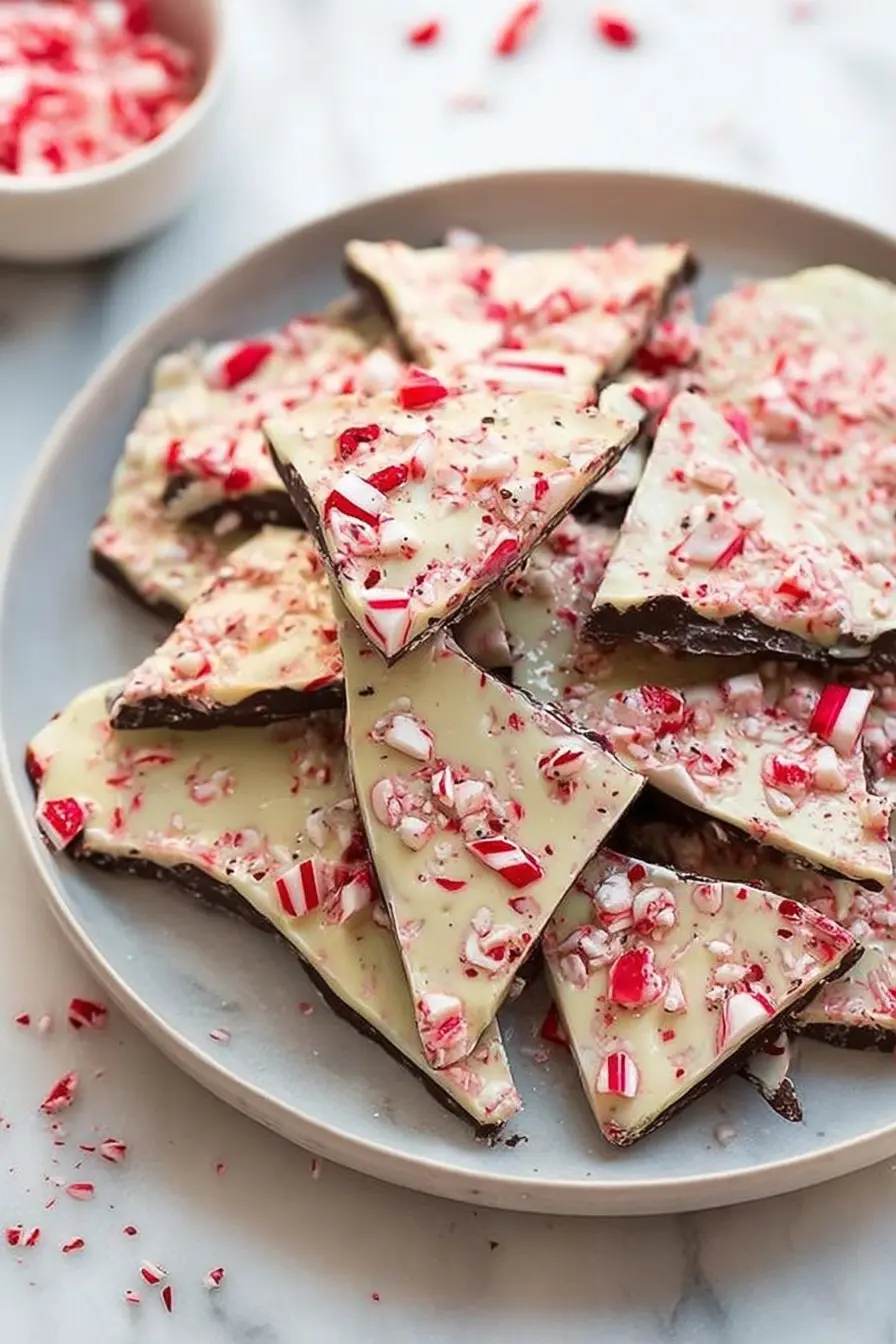
The origins of peppermint bark are rooted in American culinary traditions where layered chocolates and crushed peppermint candy come together to create a delightful contrast of smooth and crunchy textures.
The treat became particularly popular in the late 20th century as confectioners and home bakers sought simple yet elegant desserts that could be prepared in large batches for celebrations. Today, Peppermint Bark continues to be associated with the holiday season, evoking nostalgia and the irresistible aroma of peppermint and chocolate.
This recipe will guide you through the classic version as well as creative variations, ensuring that your homemade Peppermint Bark rivals any store-bought counterpart.
Whether you are a seasoned baker or a novice in the kitchen, making Peppermint Bark is both fun and rewarding, providing a customizable platform for endless creativity. It is a must-have recipe for anyone looking to add a touch of sweetness and festivity to their celebrations.
Ingredients
- 300 grams of high-quality semisweet or dark chocolate, chopped
- 300 grams of white chocolate, chopped
- 1 teaspoon pure peppermint extract, divided
- 1 cup crushed peppermint candies or candy canes
- 1 tablespoon coconut oil or vegetable oil (optional, for smoother chocolate)
- Parchment paper for lining
Instructions
- Line a rimmed baking sheet with parchment paper, ensuring there is enough to overhang the edges for easy removal.
- Melt the semisweet or dark chocolate using a double boiler or microwave in 20-second intervals, stirring until smooth.
- Stir in ½ teaspoon of peppermint extract into the melted chocolate. If using, add half a tablespoon of coconut or vegetable oil for a smoother texture.
- Pour the melted chocolate onto the prepared baking sheet. Spread evenly to about ¼-inch thickness with an offset spatula.
- Place the baking sheet in the refrigerator for 20 minutes, or until the chocolate is firm but not fully set.
- Meanwhile, melt the white chocolate using the same double boiler or microwave technique. Stir until completely smooth.
- Add the remaining ½ teaspoon of peppermint extract to the white chocolate. Stir in the rest of the coconut or vegetable oil, if using.
- Remove the baking sheet from the refrigerator and carefully spread the melted white chocolate over the firm semisweet chocolate layer, keeping the layers distinct if possible.
- Immediately sprinkle the crushed peppermint candies evenly over the white chocolate layer before it sets. Gently press them in with the back of a spoon.
- Refrigerate the Peppermint Bark for at least 1 hour, or until completely set and hard.
- Once fully chilled, lift the bark out of the pan using the parchment paper. Break into pieces by hand or cut with a sharp knife.
- Store Peppermint Bark in an airtight container at room temperature for up to 2 weeks, or refrigerate for longer freshness.
Nutritional Information
A piece of Peppermint Bark (approximately 30 grams) provides an estimated 150 calories, making it a delightful yet indulgent treat perfect for festive occasions. Each serving offers about 8 grams of fat, most of which come from the cocoa butter in the chocolate.
The presence of both semisweet and white chocolate introduces trace amounts of calcium and iron, with semisweet chocolate contributing a bit more towards your daily iron requirements. Carbohydrates per serving average around 18 grams, including natural sugars present in chocolate and the additional sugars from crushed peppermint candies.
While Peppermint Bark is not a significant source of protein, it contains minor amounts-generally less than 1 gram per serving. Due to its content of added sugars and saturated fats, enjoying Peppermint Bark in moderation is recommended, especially for individuals monitoring their sugar intake.
The treat is gluten-free when prepared with certified gluten-free ingredients, making it suitable for many diets. Additionally, making homemade Peppermint Bark allows you to adjust ingredient quality and quantity, potentially improving its nutritional profile.
Opting for high-quality dark chocolate can increase antioxidant levels, while using organic peppermint candies can reduce exposure to artificial colors. As a festive occasional dessert, Peppermint Bark offers pleasure and tradition with minimal nutritional compromise when enjoyed sensibly.

Wine and Beverage Pairings
Peppermint Bark pairs exceptionally well with a variety of beverages that complement its minty, chocolatey profile. For a classic holiday feel, serve it alongside hot cocoa or peppermint lattes for a double dose of peppermint indulgence.
Coffee, especially dark roasts or espresso, creates a pleasing contrast with the bark's sweetness and accentuates the chocolate flavors. If you prefer tea, consider pairing with a mild black tea or a festive herbal blend like rooibos or chamomile.
For adult gatherings, dessert wines such as ruby port or a sweet, chilled sherry can create a delightful end to a meal. Sparkling wines or Champagne also enhance the candy's festive spirit with their refreshing bubbles.
Whether served with a comforting cup of milk for children or a holiday-inspired cocktail for adults, Peppermint Bark is a versatile companion for numerous drinks.
Cooking Tips and Variations
Creating perfect Peppermint Bark at home is all about technique and creativity. Here are some essential tips for foolproof results: Always use high-quality chocolate, as the flavor of the bark depends largely on the chocolate itself-avoid chocolate chips, which may not melt smoothly due to stabilizers.
For easier spreading and improved mouthfeel, add a small amount of coconut or vegetable oil when melting the chocolate layers. Ensure that the chocolate layers cool and set partially, rather than completely, before pouring the next layer to prevent separation.
When crushing peppermint candies, place them inside a sealed plastic bag and gently crush with a rolling pin or kitchen mallet until you achieve both fine and chunky pieces.
For even more flavor and visual appeal, consider swirling the white and dark chocolate layers together with a skewer before adding the peppermint topping. If you prefer thinner bark, simply spread the chocolate more widely on the baking tray.
Variations abound-try adding a layer of milk chocolate, swirling caramel, or incorporating crushed Oreos or toasted nuts for extra crunch. For a dairy-free alternative, opt for vegan chocolate and colored peppermint candies. Personalize your Peppermint Bark with colored chocolate drizzle or festive sprinkles for special occasions.
Whatever the variation, keeping the key steps and tips in mind will ensure your Peppermint Bark turns out beautifully every time.

Serving Suggestions
Peppermint Bark is as versatile in its serving possibilities as it is easy to make. Arrange the bark pieces on a decorative platter, allowing the contrast between the chocolate layers and the bright crushed peppermint to shine.
This treat is perfect for holiday cookie exchanges, festive dessert buffets, or as an after-dinner sweet served with coffee.
Because Peppermint Bark is relatively stable at room temperature, it is ideal for gifting-simply wrap individual pieces in cellophane bags tied with a ribbon or place them in a decorative tin for an impressive homemade present.
For a showstopping dessert, serve Peppermint Bark alongside fresh berries, fruit preserves, or as a topping on vanilla ice cream. It can also be used to enhance other desserts such as cakes or brownies by crumbling pieces over frosted treats.
If you are hosting a holiday event, consider crafting a dessert board with Peppermint Bark, assorted cookies, chocolates, and roasted nuts for guests to sample at their leisure. Its vibrant color and flavor make it stand out at any festive celebration, delighting both young and old.
No matter how you choose to serve it, Peppermint Bark is sure to be the centerpiece of any sweet occasion.
Health Benefits
Peppermint Bark, while primarily a treat, can offer some benefits when consumed as part of a balanced diet. Dark chocolate, often used as the base in Peppermint Bark, is rich in antioxidants such as flavonoids, which may support heart health and improve blood flow.
Chocolate also contains magnesium, iron, and small amounts of fiber. Peppermint extract-central to the candy's flavor-is thought to aid digestion and may help alleviate symptoms of indigestion and bloating. However, as Peppermint Bark is sweet and high in calories and sugar, it is best enjoyed in moderation.
Those with food sensitivities can adapt the recipe by using allergy-friendly chocolates and natural candies. The act of making and sharing homemade Peppermint Bark can also contribute positively to emotional wellbeing by fostering creativity and shared experiences during special occasions.
Mindful indulgence of occasional treats like Peppermint Bark can be part of a healthy, joyful lifestyle, especially when balanced with fresh fruits, nuts, and regular physical activity.
Frequently Asked Questions
Yes, Peppermint Bark can be made up to two weeks ahead. Store it in an airtight container at room temperature or in the refrigerator for maximum freshness.
Peppermint oil is much more concentrated than extract. If you choose to use peppermint oil, reduce the quantity significantly-start with a few drops and adjust according to taste.
Tempering chocolate yields a glossy finish and better snap, but it is not necessary for homemade Peppermint Bark if you store it chilled in an airtight container.
Absolutely. Substitute regular chocolate with high-quality vegan versions and ensure the peppermint candies are gelatin- and dairy-free.
Seal the candies in a plastic bag and gently crush with a rolling pin or kitchen mallet. Aim for a mix of coarse and fine pieces for the best texture and appearance.
Peppermint Bark is more than just a festive confection-it is a cherished holiday tradition and a delicious expression of creativity. With its irresistible layers of chocolate and invigorating peppermint crunch, this treat captures the spirit of winter celebrations. The recipe is straightforward, requires minimal ingredients, and is adaptable to personal preferences and dietary requirements. By following the tips and variations provided, anyone can master Peppermint Bark and delight family and friends with a homemade gift or showstopping dessert. Whether you savor it with a warm beverage or gift it as a thoughtful token, Peppermint Bark remains a timeless holiday favorite, bringing joy with every bite.
Ingredients
- 8 oz semisweet chocolate, chopped
- 8 oz white chocolate, chopped
- ½ teaspoon peppermint extract
- ⅓ cup crushed peppermint candies
- 1 tablespoon coconut oil (optional, for smoother chocolate)
- Pinch of salt
Instructions
-
1Line a baking sheet with parchment paper.
-
2Melt the semisweet chocolate with half the coconut oil (if using) in a microwave-safe bowl in 30-second intervals, stirring until smooth.
-
3Stir in ¼ teaspoon peppermint extract and a pinch of salt into the melted chocolate.
-
4Spread the melted semisweet chocolate evenly onto the prepared baking sheet into a ¼-inch thick rectangle. Refrigerate for 10 minutes until set.
-
5Melt the white chocolate with remaining coconut oil (if using) in a microwave-safe bowl, stirring until smooth. Stir in remaining ¼ teaspoon peppermint extract.
-
6Pour the white chocolate over the set semisweet chocolate and spread evenly. Sprinkle crushed peppermint candies over the top. Chill for 30 minutes or until fully set, then break into pieces to serve.
Approximate Information for One Serving
Nutrition Disclaimers
Number of total servings shown is approximate. Actual number of servings will depend on your preferred portion sizes.
Nutritional values shown are general guidelines and reflect information for 1 serving using the ingredients listed, not including any optional ingredients. Actual macros may vary slightly depending on specific brands and types of ingredients used.
To determine the weight of one serving, prepare the recipe as instructed. Weigh the finished recipe, then divide the weight of the finished recipe (not including the weight of the container the food is in) by the desired number of servings. Result will be the weight of one serving.
Did you make this recipe?
Please consider Pinning it!!
Leave a Reply