
Pretzel bread has become a beloved treat around the world, combining the irresistible chewy texture of soft pretzels with the convenience of a loaf of bread. This classic bakery favorite has roots in German cuisine, where soft pretzels (Brezeln) date back to the early Middle Ages.
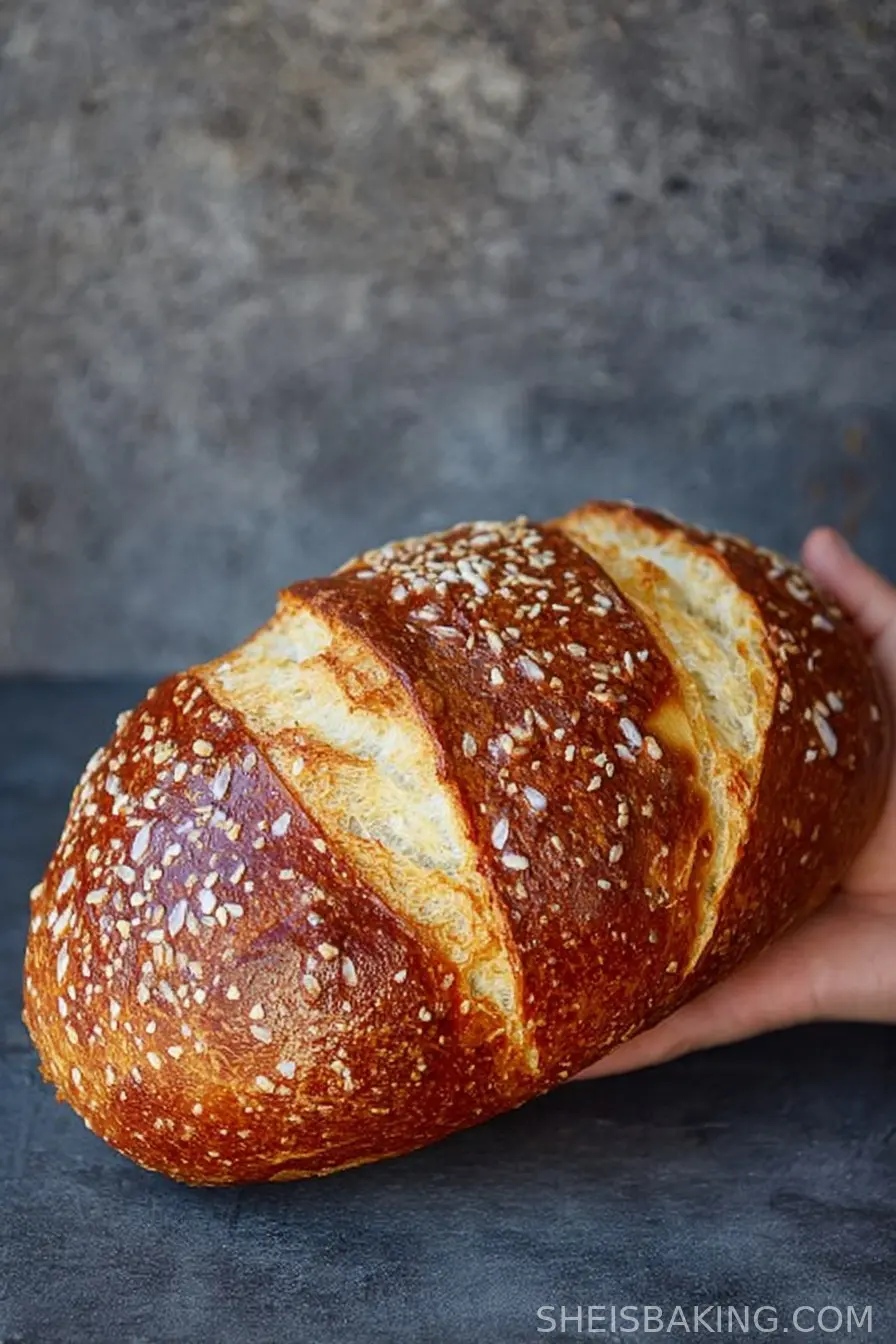
Pretzel bread, or "Brezelbrot," takes the traditional pretzel flavor and imparts it to a substantial, hearty loaf perfect for sandwiches, snacks, or simply enjoyed on its own.
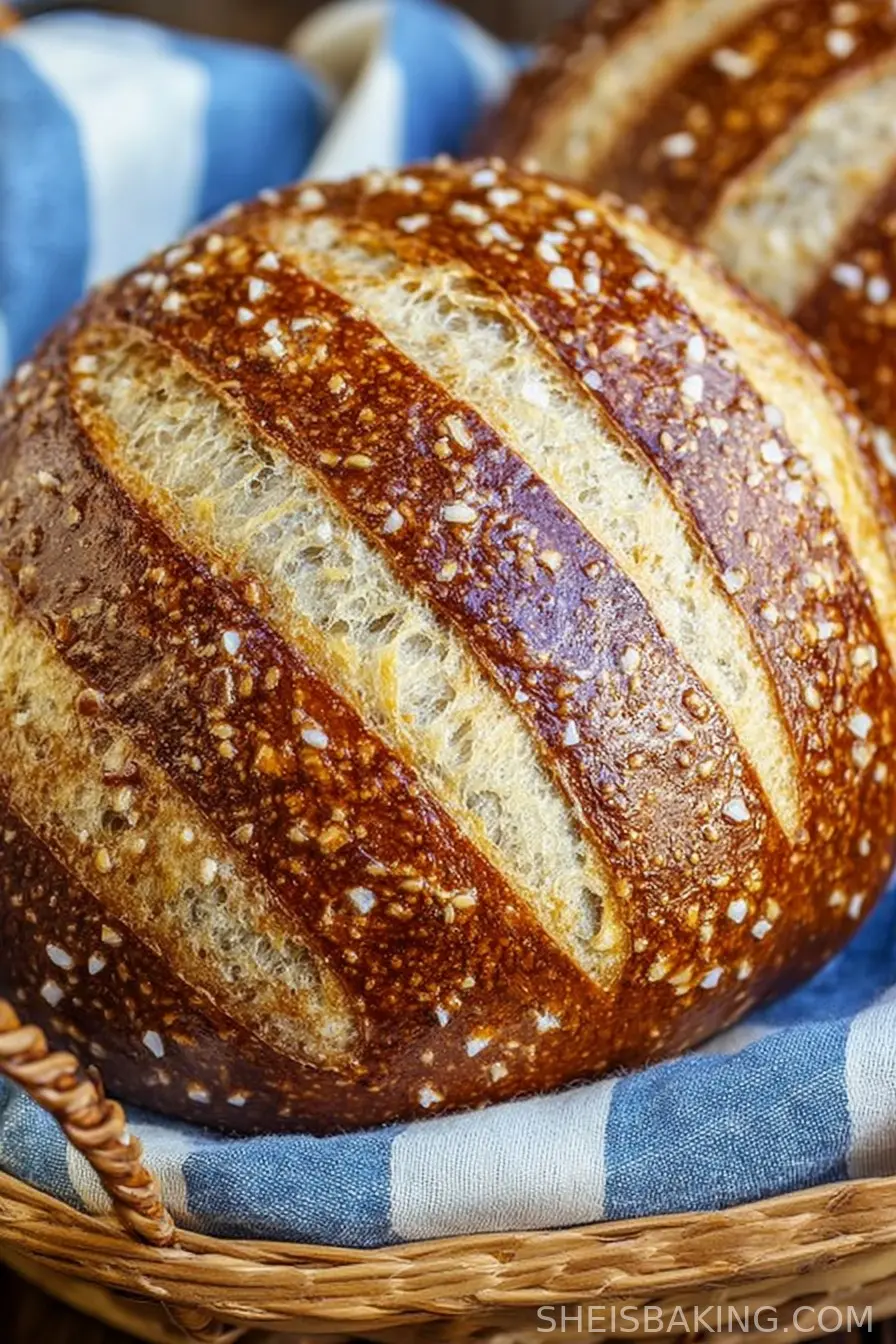
The hallmark of pretzel bread is its distinctive golden-brown crust, which comes from a baking soda bath that replicates the dark, lacquered look of Bavarian pretzels. Inside, the crumb is soft, slightly dense, and delightfully flavorful.
Whether you are looking to impress guests with a visually striking dinner bread or simply want to introduce authentic German flavors into your home bakery, this pretzel bread recipe provides all the steps you need.
As pretzel bread continues to rise in popularity in restaurants and bakeries, learning how to make it at home gives you full control over ingredients, allows for creative variations, and ensures every loaf is fresh and warm from your oven.
In this comprehensive article, you'll learn the history, ingredients, step-by-step instructions, health benefits, and even beverage pairings for pretzel bread. Get ready to enjoy homemade pretzel bread that rivals anything you can buy from a bakery.
Ingredients
- 4 cups bread flour (plus extra for kneading)
- 1 ¼ cups warm water (about 110°F/43°C)
- 2 ¼ teaspoons active dry yeast (1 standard packet)
- 2 tablespoons granulated sugar
- 2 tablespoons unsalted butter, softened
- 2 teaspoons fine sea salt
- ¼ cup baking soda (for water bath)
- 1 large egg (for egg wash)
- 1 tablespoon coarse sea salt (for topping)
Instructions
- In a large mixing bowl, combine warm water, yeast, and sugar. Stir until dissolved and let stand for 5-10 minutes until the mixture becomes foamy.
- Add the softened butter and salt to the yeast mixture. Gradually add the bread flour, stirring until a shaggy dough forms.
- Turn the dough onto a lightly floured surface and knead for 7-10 minutes, or until smooth and elastic. If the dough is sticky, sprinkle with additional flour as needed.
- Place the kneaded dough in a greased bowl. Cover with plastic wrap or a damp towel, and let rise in a warm spot for 1-1.5 hours, or until doubled in size.
- Punch down the risen dough. Shape into two equal-sized oblong loaves or shape into rolls, as desired.
- Line a baking sheet with parchment paper and set aside. Place the shaped loaves on the prepared tray and cover with a towel. Allow to rise for 30-40 minutes until puffy.
- Preheat your oven to 425°F (220°C). Bring a large pot with 8 cups of water to a boil. Carefully add the baking soda (it will bubble up).
- Using a slotted spatula, gently lower each loaf or roll into the boiling baking soda bath for 30 seconds per side. Transfer back to the baking sheet.
- Score the tops of the loaves with a sharp knife. Beat the egg and brush an even layer over the surface of the loaves. Sprinkle generously with coarse sea salt.
- Bake in the preheated oven for 20-25 minutes, or until the crust is deep brown and the loaves sound hollow when tapped.
- Transfer the baked pretzel bread to a wire rack to cool for at least 15 minutes before slicing and serving.
Nutritional Information
Pretzel bread is celebrated for its robust flavor and satisfying texture, but it's also important to consider its nutritional profile. A typical slice of homemade pretzel bread (about 1/12 of a loaf) provides approximately 170-190 calories, depending on the size and ingredients used.
This includes around 4 grams of protein, 1.5-2 grams of fat (mainly from unsalted butter), and about 35-40 grams of carbohydrates. Whole bread flour gives the bread its signature chewy texture and contributes to the daily intake of fiber, although pretzel bread is slightly lower in fiber than whole-grain breads.
The significant sodium content, provided by both the baking soda bath and coarse salt topping, creates its iconic salty crust. For those who are mindful of salt intake, the topping can be adjusted accordingly.
Pretzel bread contains beneficial nutrients like B vitamins (especially from yeast and enriched flour), selenium, and small amounts of minerals like magnesium. Enjoyed in moderation and with consideration for its sodium content, pretzel bread can be a satisfying part of a balanced diet.
Those following plant-based diets can easily make this recipe vegan by substituting plant-based butter and skipping the egg wash.
Wine and Beverage Pairings
Pretzel bread pairs wonderfully with a range of beverages, both alcoholic and non-alcoholic. For those who enjoy wine, a crisp German Riesling or a lightly oaked Chardonnay offers a pleasant contrast to the bread's saltiness.
Beer is a traditional partner-opt for a Kolsch, Hefeweizen, or Munich-style lager for an authentic pairing. Non-alcoholic choices like sparkling apple cider, root beer, or even a robust iced tea complement the malty undertones of pretzel bread. Coffee or rich hot chocolate adds warmth if served with breakfast or brunch.
The key is to choose beverages with brightness or effervescence to balance the bread's density and salt.
Cooking Tips and Variations
For best results when making pretzel bread, be attentive to each step of the process. Ensure your yeast is fresh; if it does not foam during activation, start over with new yeast.
Kneading thoroughly is crucial for achieving the characteristic chewy, even crumb, but avoid adding too much flour which can lead to dense loaves. When shaping, create tension on the surface of each loaf for a smooth, professional appearance.
The baking soda bath should not be skipped, as it not only gives pretzel bread its deep color but also contributes to the classic pretzel flavor. For a richer crust, use a combination of bread flour and a little whole wheat flour.
For variations, consider adding shredded cheese, fresh or dried herbs, or swirling in mustard or caramelized onions before shaping. You can also shape pretzel bread into dinner rolls, mini loaves, or even braids for a festive look.
For a softer crust, lightly brush melted butter on the bread as soon as it comes out of the oven. Finally, always allow the bread to cool before slicing to maintain its structure and prevent the interior from becoming gummy.
Serving Suggestions
Pretzel bread is versatile, making it perfect for countless serving occasions. Its dense, chewy slices are ideal for sandwiches, elevating classics like ham and Swiss or roast beef. The bread's hearty texture stands up well to robust fillings, such as grilled sausage, pastrami, or even pulled pork.
For a German-inspired meal, serve thick slices alongside bratwurst with mustard and sauerkraut. Pretzel bread also shines as part of a cheese board; its savory, salty notes complement a variety of cheeses, from creamy brie to sharp cheddar.
Enjoy pretzel bread as a snack, torn into chunks and dipped into warm cheese sauce, grainy mustard, or herbed butter. When serving at a party, cut pretzel bread into bite-sized pieces to accompany cheese fondues or as part of a flavorful appetizer platter.
For breakfast, toast slices and top with butter and fruit preserves, or use leftover pretzel bread for a unique French toast. Whatever the occasion, serving pretzel bread fresh and slightly warm ensures maximum enjoyment.
Health Benefits
Pretzel bread offers several health benefits when consumed as part of a balanced diet. Made from scratch, homemade pretzel bread allows you to control ingredients, reducing preservatives and artificial additives that are often found in commercially produced breads.
The yeast and flour provide complex carbohydrates for sustained energy, and the eggs and butter contribute small amounts of protein and essential fat-soluble vitamins. Fortified bread flour offers an additional boost of B vitamins necessary for your body's metabolism.
While pretzel bread is not as high in fiber as some other breads, you can easily increase its health value by replacing a portion of the bread flour with whole wheat flour.
For those who are sensitive to salt, the coarse sea salt topping can be minimized, still allowing you to enjoy the unique pretzel flavor while moderating sodium intake. Those looking for plant-based options can replace dairy with vegan substitutes.
As with all breads, moderation is key, but pretzel bread makes an excellent addition to a healthy lifestyle, especially when combined with nutrient-rich fillings and accompaniments.
Frequently Asked Questions
Yes, pretzel bread freezes well. Allow the bread to cool completely, wrap it tightly in plastic wrap or foil, and freeze for up to three months. Thaw at room temperature before reheating or serving.
The baking soda bath gives pretzel bread its characteristic dark color, chewy crust, and signature pretzel flavor. It also helps set the crust, delivering that irresistible bite found in soft pretzels.
Yes, you can substitute all-purpose flour, though the texture will be slightly less chewy. Bread flour's higher protein content gives a more traditional pretzel bread texture.
Homemade pretzel bread is best enjoyed within 2-3 days. Store it in an airtight container at room temperature. For longer freshness, freeze leftover slices.
Absolutely! Substitute dairy butter with plant-based versions and skip the egg wash, or use a non-dairy milk wash for a vegan-friendly pretzel bread.
Baking pretzel bread at home is both a rewarding and enjoyable experience. Its perfect balance of chewy, salty crust and soft crumb make it a favorite among bread enthusiasts and casual cooks alike. With its rich flavor and authentic appearance, homemade pretzel bread easily rivals anything from a bakery, and the process allows for endless customization. Whether enjoyed on its own, as part of a hearty meal, or with flavorful spreads and cheeses, pretzel bread is sure to impress family and friends. Embrace the tradition and versatility of this cherished bread, and enjoy the satisfaction that comes from creating a classic treat right in your own kitchen. With the detailed instructions and tips provided, you're well on your way to mastering the art of pretzel bread.
Ingredients
- 4 cups bread flour (plus extra for kneading)
- 1 ¼ cups warm water (about 110°F/43°C)
- 2 ¼ teaspoons active dry yeast (1 standard packet)
- 2 tablespoons granulated sugar
- 2 tablespoons unsalted butter, softened
- 2 teaspoons fine sea salt
- ¼ cup baking soda (for water bath)
- 1 large egg (for egg wash)
- 1 tablespoon coarse sea salt (for topping)
Instructions
-
1In a large mixing bowl, combine warm water, yeast, and sugar. Stir until dissolved and let stand for 5-10 minutes until the mixture becomes foamy.
-
2Add the softened butter and salt to the yeast mixture. Gradually add the bread flour, stirring until a shaggy dough forms.
-
3Turn the dough onto a lightly floured surface and knead for 7-10 minutes, or until smooth and elastic. If the dough is sticky, sprinkle with additional flour as needed.
-
4Place the kneaded dough in a greased bowl. Cover with plastic wrap or a damp towel, and let rise in a warm spot for 1-1.5 hours, or until doubled in size.
-
5Punch down the risen dough. Shape into two equal-sized oblong loaves or shape into rolls, as desired.
-
6Line a baking sheet with parchment paper and set aside. Place the shaped loaves on the prepared tray and cover with a towel. Allow to rise for 30-40 minutes until puffy.
-
7Preheat your oven to 425°F (220°C). Bring a large pot with 8 cups of water to a boil. Carefully add the baking soda (it will bubble up).
-
8Using a slotted spatula, gently lower each loaf or roll into the boiling baking soda bath for 30 seconds per side. Transfer back to the baking sheet.
-
9Score the tops of the loaves with a sharp knife. Beat the egg and brush an even layer over the surface of the loaves. Sprinkle generously with coarse sea salt.
-
10Bake in the preheated oven for 20-25 minutes, or until the crust is deep brown and the loaves sound hollow when tapped.
-
11Transfer the baked pretzel bread to a wire rack to cool for at least 15 minutes before slicing and serving.
Approximate Information for One Serving
Nutrition Disclaimers
Number of total servings shown is approximate. Actual number of servings will depend on your preferred portion sizes.
Nutritional values shown are general guidelines and reflect information for 1 serving using the ingredients listed, not including any optional ingredients. Actual macros may vary slightly depending on specific brands and types of ingredients used.
To determine the weight of one serving, prepare the recipe as instructed. Weigh the finished recipe, then divide the weight of the finished recipe (not including the weight of the container the food is in) by the desired number of servings. Result will be the weight of one serving.
Did you make this recipe?
Please consider Pinning it!


Leave a Reply