
Salted Caramel Cheesecake has become one of the most beloved desserts worldwide, captivating the palates of both cheesecake enthusiasts and caramel lovers alike. This indulgent creation combines the rich, creamy foundation of classic cheesecake with the modern flair of Salted Caramel, all nestled atop a flavorful Biscoff biscuit base.
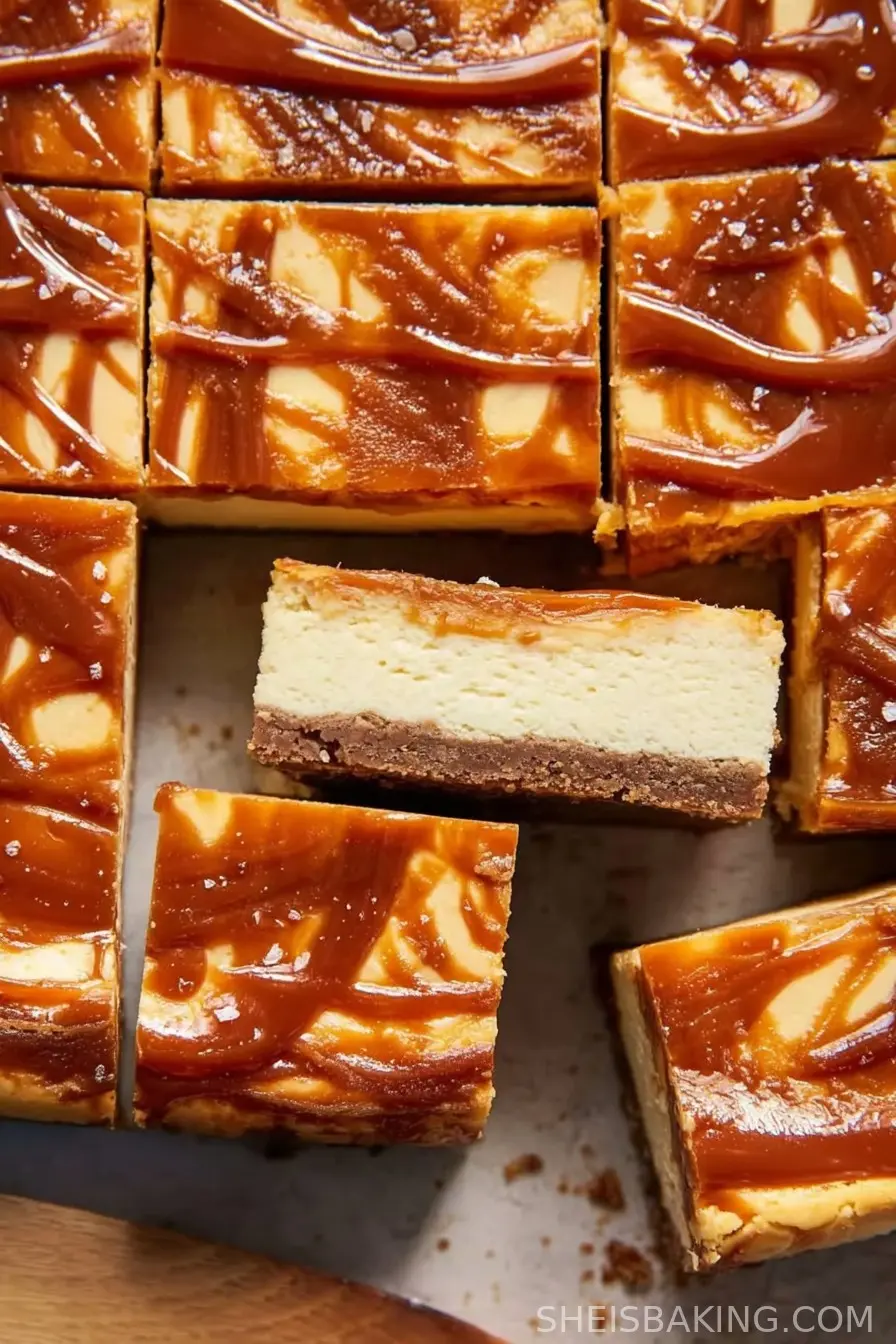
Originally, caramel and cheesecake each held their own charm in the dessert world, but the addition of sea salt to caramel in recent decades has elevated this already luscious topping to new heights.
The blend of salty and sweet flavor notes balances the natural richness of the cheesecake, making every bite an extraordinary experience. Biscoff biscuits, with their subtly spiced profile, further enhance the overall taste, providing a warm undertone that resonates particularly well with the buttery, slightly tangy filling.
Whether served at festive gatherings, as a centerpiece for birthdays, or as a luxurious treat for yourself, this Salted Caramel Cheesecake is a testament to just how addictive the combination of caramel and sea salt can be.
Beyond its superior taste, this dessert's inviting layers and beautiful presentation make it a crowd-pleaser for any occasion.
In this recipe article, you'll discover exactly how to craft this remarkable cheesecake, from making your homemade salted caramel to assembling and finishing your masterpiece with elegant swirls and a sprinkle of salt flakes.
Elevate your dessert repertoire by mastering this Salted Caramel Cheesecake-the ultimate union of creamy, crisp, salty, and sweet.
Ingredients
- Salted Caramel:
- 1 cup caster sugar (superfine sugar)
- 75g (5 tbsp) unsalted butter, cold, cut into roughly 1 cm (0.4 inch) cubes
- ½ cup thickened cream (heavy cream or any full-fat pourable cream)
- ½ teaspoon cooking salt or kosher salt (use half for table salt, add 50% for salt flakes)
- Biscoff Biscuit Base:
- 300g (10 oz) Biscoff cookies (about 38 pieces or 2 ½ cups crumbs)
- ½ teaspoon cinnamon powder
- 1 tablespoon brown sugar
- 120g (8 tbsp) unsalted butter, melted
- Pinch of salt
- Cheesecake Filling:
- 500g (1 lb) full-fat cream cheese, softened to room temperature
- 1 teaspoon vanilla extract
- ½ cup full-fat sour cream (or substitute with yogurt)
- ¾ cup caster sugar (superfine or regular white sugar)
- 3 large eggs, at room temperature (about 55g/2oz each, in shell)
- ½ of the salted caramel sauce (homemade or store-bought)
- ⅛ teaspoon cooking salt or kosher salt
- Decorating:
- ½ of the salted caramel sauce (remaining half)
- 1 teaspoon sea salt flakes
Instructions
- Begin by making the salted caramel about an hour before starting the cheesecake. Place a medium saucepan over medium-high heat and add one-quarter of the caster sugar evenly at the bottom. Allow the sugar to melt, occasionally swirling the pan (or gently stirring if needed), then add the next quarter. Repeat this process until all the sugar has been incorporated and completely melted.
- Let the sugar cook further for one to two minutes until it turns a deep amber color. Watch this step closely, as sugar can burn easily at this stage.
- Take the saucepan off the heat. Immediately add the cooking salt and cold, cubed unsalted butter, whisking continuously. The mixture might look like it won't combine fully at first, but just keep whisking until the butter is melted.
- Now, carefully pour in about one-third of the thickened cream. Be warned-the mixture will bubble and steam vigorously. Whisk until mostly combined, then add the remaining cream and whisk until the caramel is smooth.
- Return the saucepan to the stove over medium-high heat. Allow the caramel to come to a gentle simmer. Once you see bubbles, let it cook for another minute, stirring and scraping down the sides of the pan as necessary.
- Pour the finished caramel into a heatproof bowl. Cover with cling wrap placed directly on the surface to prevent a skin from forming. Allow it to cool at room temperature for about one hour before using it in your cheesecake.
- Preheat your oven to 160°C (320°F); set to 140°C (285°F) if using a fan-forced oven. Position the oven rack in the center.
- Prepare a 23 x 33 cm (9 x 13 inch) metal baking pan by lightly greasing it with unsalted butter. Line the base and sides with parchment paper, leaving an overhang for easy removal after baking.
- To make the biscuit base, roughly break up the Biscoff cookies by hand and put them in a food processor. Blend until they are fine crumbs. Add the cinnamon powder, brown sugar, pinch of salt, and melted unsalted butter, then blend again briefly until everything is well incorporated and the mixture resembles damp sand.
- Transfer the crumb mixture into your lined baking pan. Press the crumbs down firmly and evenly across the entire base using the bottom of a glass or your hands. Focus only on the base, not the sides.
- Set the base aside while you prepare the cheesecake filling. In a large mixing bowl, use an electric beater or the paddle attachment of a stand mixer (avoid using a whisk attachment) to beat the softened cream cheese until no lumps remain and it is just smooth-about 20 seconds on medium speed. Try to avoid incorporating too much air, which can create unsightly bubbles in the cheesecake.
- Add the vanilla extract, full-fat sour cream, caster sugar, and the ⅛ teaspoon of salt to the cream cheese. Beat on low to medium speed until everything is just combined.
- Add the eggs one at a time, beating briefly after each addition-about 5 seconds per egg. After the last egg, mix just until the batter is completely smooth, then stop immediately to prevent excess aeration.
- Pour the cheesecake mixture over your prepared Biscoff base. Smooth the top for an even surface.
- Take half of the cooled salted caramel sauce and use a spoon to drop dollops of caramel over the cheesecake batter. Using a chopstick or skewer, lightly swirl the caramel into the surface, creating a marbled pattern. Swirl gently to avoid mixing the caramel fully into the batter-you want defined streaks.
- Bake the cheesecake for about 35 minutes. When done, the outer edges should be set while the middle will still jiggle slightly. It should not be runny or resemble a waterbed under the surface skin.
- Once baked, turn off the oven and prop the door open roughly 20 cm (8 inches). Allow the cheesecake to cool inside the oven for about 1 hour, which helps prevent cracking and finishes the delicate setting process.
- After cooling, you may notice that some caramel swirls have created shallow cracks. Fill these cracks with a little more salted caramel using a teaspoon. Then, drizzle most of the remaining caramel generously over the top for a dramatic, glossy finish. Reserve any extra caramel for serving or another use.
- Place the pan in the refrigerator and chill the cheesecake for at least 6 hours, or preferably overnight, to achieve the ideal texture and flavor.
- When you are ready to serve, lift the cheesecake out of the pan using the parchment overhang. Sprinkle the surface with sea salt flakes for that perfect salted caramel touch. Slice into 16 bars for standard servings, or cut into petit four-sized squares for smaller bites if desired.
Nutritional Information
Each serving of Salted Caramel Cheesecake is an indulgent treat that combines the richness of cream cheese, the buttery goodness of Biscoff biscuit base, and the luxurious sweetness of homemade salted caramel.
On average, a standard 1/16 slice of this cheesecake contains roughly 350-400 calories, with approximately 6-8 grams of protein, 25-30 grams of carbohydrates, and 22-28 grams of fat.
The use of full-fat cream cheese, sour cream, and generous portions of unsalted butter contributes to its creaminess but also means it is a more decadent dessert, best enjoyed in moderation.
The sugar content is on the higher side due to both the cheesecake and caramel topping, making this a special-occasion treat rather than an everyday snack.
However, this dessert also offers some nutritional benefits: eggs provide a source of protein and essential vitamins, while the cream cheese adds calcium and phosphorus for bone health.
By savoring a reasonable slice and pairing it with fresh fruit or coffee, you can enjoy the complex flavors of Salted Caramel Cheesecake while keeping portion sizes in check.
For those with dietary restrictions, it is important to note the presence of dairy, gluten from the biscuits, and eggs, so take care to adjust the recipe or opt for alternatives if needed.
Wine and Beverage Pairings
Salted Caramel Cheesecake pairs incredibly well with a variety of beverages that complement its creamy, sweet, and subtly salty notes. A robust, freshly brewed espresso or a silky cappuccino helps cut through the dessert's richness, enhancing both the tang of the cheesecake and the caramel's deep flavors.
For those who prefer tea, a mildly astringent black tea or chai with warming spices pairs perfectly with the Biscoff base.
If you're in the mood for something more celebratory, opt for a glass of chilled Sauternes, an off-dry Riesling, or a semi-sweet late harvest white wine-their fruity notes and touch of acidity provide a delightful contrast to the salted caramel.
Alternatively, a glass of Irish cream liqueur or a caramel-infused cocktail can elevate the indulgence of this dessert, making it ideal for special evenings or festive occasions.
Cooking Tips and Variations
To ensure your Salted Caramel Cheesecake turns out perfectly each time, keep these tips and variations in mind. First, for an ultra-smooth cheesecake filling, always use room temperature cream cheese and eggs-this helps prevent lumps and ensures even baking.
Avoid over-mixing the batter, as incorporating too much air can cause cracks or a dry texture after baking. When making the caramel, patience and attentiveness are key. Always melt the sugar gradually and avoid stepping away, as caramel can burn in seconds.
If you're new to caramel, use a light-colored saucepan so you can better observe color changes. When swirling the caramel into the cheesecake, err on the side of fewer swirls to maintain clear, beautiful marbling.
For those who wish to experiment, you can try a chocolate biscuit base instead of Biscoff, or sprinkle chopped toasted nuts over the caramel drizzle for extra texture.
While the recipe is written for a standard baking pan, you can adapt it to smaller pans or individual ramekins-just adjust baking times accordingly. Another delicious variation is to add a hint of espresso powder to the caramel or filling, creating a salted caramel mocha flavor fusion.
If you prefer a richer salt note, try different finishing salts, such as fleur de sel, for a nuanced flavor burst. Finally, always allow ample chilling time in the fridge; this patience will reward you with slices that are perfectly set and easy to serve.

Serving Suggestions
Serving Salted Caramel Cheesecake offers an opportunity for stunning presentation and memorable enjoyment. For clean, professional-looking slices, use a sharp knife dipped in hot water and wiped dry before each cut-this will yield precise edges and maintain the lovely caramel swirls on top.
Arrange the slices on a platter and, just before serving, add a sprinkle of sea salt flakes for eye-catching sparkle and a final burst of flavor.
This cheesecake is delicious both slightly chilled and at room temperature, but allowing it to sit out for 20-30 minutes before serving will bring out the full depth of its flavors and ensure a perfectly creamy texture.
For a gourmet touch, garnish with whipped cream swirls, chocolate shavings, or a few edible gold flakes for festive events. To contrast its richness, serve the cheesecake with a side of tart berries, such as raspberries or blackberries-their acidity beautifully offsets the sweetness of the caramel.
If you're hosting a large gathering, offering petite bar-sized pieces or mini squares makes the cheesecake easy to enjoy as a finger food dessert. No matter how you slice it, Salted Caramel Cheesecake shines as the centerpiece of any dessert spread, delivering both impressive visuals and unbeatable flavor.
Health Benefits
While Salted Caramel Cheesecake is undeniably rich and indulgent, it can be enjoyed as part of a balanced approach to eating. The eggs in the filling supply protein and vital nutrients, including choline and vitamin D, while the cream cheese offers calcium for bone health and phosphorus for energy metabolism.
Eating a moderate portion can fit into a healthy lifestyle, especially when balanced with nutrient-dense foods throughout your day. The dessert does, however, contain significant amounts of sugar, saturated fats, and cholesterol, so enjoying it occasionally, rather than regularly, is recommended for those monitoring their heart or metabolic health.
Individuals with food sensitivities should be aware that this recipe contains gluten, dairy, and eggs. Those seeking alternatives might consider gluten-free cookies for the base, or plant-based cream cheese and yogurt as dairy substitutes.
Mindful enjoyment, along with sharing this dessert with others, can make Salted Caramel Cheesecake a guilt-free pleasure that brings both flavor and happiness.
Frequently Asked Questions
Yes, you can substitute the homemade caramel with a high-quality store-bought version. However, making your own allows complete control over saltiness and ensures the freshest flavor.
Minimize beating to incorporate as little air as possible, ensure all ingredients are at room temperature, and cool the cheesecake gradually in the oven after baking to prevent sudden temperature changes that lead to cracking.
Absolutely! This cheesecake tastes even better when made the day before serving. The flavors meld and the texture improves after several hours or overnight in the fridge.
Store leftover Salted Caramel Cheesecake covered in the refrigerator for up to 5 days. Wrap tightly to prevent it from absorbing odors from the fridge. For longer storage, slices can be frozen for up to 1 month.
Yes, simply use your favorite gluten-free cookies instead of Biscoff biscuits for the base, and double-check that your other ingredients are gluten-free.
Salted Caramel Cheesecake stands out as one of the most sumptuous and visually appealing desserts you can make at home. Its harmonious blend of creamy cheesecake, spiced Biscoff biscuit base, and luxuriously salted caramel topping make each bite unforgettable. Whether you're preparing it for a holiday, special celebration, or simply to indulge your loved ones, this cheesecake promises to bring delight and satisfaction. Follow the detailed instructions and expert tips provided to ensure your dessert turns out flawlessly every time, with the perfect balance of sweetness, saltiness, and buttery crunch. With its crowd-pleasing flavors and elegant presentation, Salted Caramel Cheesecake is sure to become a treasured recipe in your repertoire. Enjoy every decadent slice!
Ingredients
- Salted Caramel:
- 1 cup caster sugar (superfine sugar)
- 75g (5 tbsp) unsalted butter, cold, cut into roughly 1 cm (0.4 inch) cubes
- ½ cup thickened cream (heavy cream or any full-fat pourable cream)
- ½ teaspoon cooking salt or kosher salt (use half for table salt, add 50% for salt flakes)
- Biscoff Biscuit Base:
- 300g (10 oz) Biscoff cookies (about 38 pieces or 2 ½ cups crumbs)
- ½ teaspoon cinnamon powder
- 1 tablespoon brown sugar
- 120g (8 tbsp) unsalted butter, melted
- Pinch of salt
- Cheesecake Filling:
- 500g (1 lb) full-fat cream cheese, softened to room temperature
- 1 teaspoon vanilla extract
- ½ cup full-fat sour cream (or substitute with yogurt)
- ¾ cup caster sugar (superfine or regular white sugar)
- 3 large eggs, at room temperature (about 55g/2oz each, in shell)
- ½ of the salted caramel sauce (homemade or store-bought)
- ⅛ teaspoon cooking salt or kosher salt
- Decorating:
- ½ of the salted caramel sauce (remaining half)
- 1 teaspoon sea salt flakes
Instructions
-
1Begin by making the salted caramel about an hour before starting the cheesecake. Place a medium saucepan over medium-high heat and add one-quarter of the caster sugar evenly at the bottom. Allow the sugar to melt, occasionally swirling the pan (or gently stirring if needed), then add the next quarter. Repeat this process until all the sugar has been incorporated and completely melted.
-
2Let the sugar cook further for one to two minutes until it turns a deep amber color. Watch this step closely, as sugar can burn easily at this stage.
-
3Take the saucepan off the heat. Immediately add the cooking salt and cold, cubed unsalted butter, whisking continuously. The mixture might look like it won't combine fully at first, but just keep whisking until the butter is melted.
-
4Now, carefully pour in about one-third of the thickened cream. Be warned-the mixture will bubble and steam vigorously. Whisk until mostly combined, then add the remaining cream and whisk until the caramel is smooth.
-
5Return the saucepan to the stove over medium-high heat. Allow the caramel to come to a gentle simmer. Once you see bubbles, let it cook for another minute, stirring and scraping down the sides of the pan as necessary.
-
6Pour the finished caramel into a heatproof bowl. Cover with cling wrap placed directly on the surface to prevent a skin from forming. Allow it to cool at room temperature for about one hour before using it in your cheesecake.
-
7Preheat your oven to 160°C (320°F); set to 140°C (285°F) if using a fan-forced oven. Position the oven rack in the center.
-
8Prepare a 23 x 33 cm (9 x 13 inch) metal baking pan by lightly greasing it with unsalted butter. Line the base and sides with parchment paper, leaving an overhang for easy removal after baking.
-
9To make the biscuit base, roughly break up the Biscoff cookies by hand and put them in a food processor. Blend until they are fine crumbs. Add the cinnamon powder, brown sugar, pinch of salt, and melted unsalted butter, then blend again briefly until everything is well incorporated and the mixture resembles damp sand.
-
10Transfer the crumb mixture into your lined baking pan. Press the crumbs down firmly and evenly across the entire base using the bottom of a glass or your hands. Focus only on the base, not the sides.
-
11Set the base aside while you prepare the cheesecake filling. In a large mixing bowl, use an electric beater or the paddle attachment of a stand mixer (avoid using a whisk attachment) to beat the softened cream cheese until no lumps remain and it is just smooth-about 20 seconds on medium speed. Try to avoid incorporating too much air, which can create unsightly bubbles in the cheesecake.
-
12Add the vanilla extract, full-fat sour cream, caster sugar, and the ⅛ teaspoon of salt to the cream cheese. Beat on low to medium speed until everything is just combined.
-
13Add the eggs one at a time, beating briefly after each addition-about 5 seconds per egg. After the last egg, mix just until the batter is completely smooth, then stop immediately to prevent excess aeration.
-
14Pour the cheesecake mixture over your prepared Biscoff base. Smooth the top for an even surface.
-
15Take half of the cooled salted caramel sauce and use a spoon to drop dollops of caramel over the cheesecake batter. Using a chopstick or skewer, lightly swirl the caramel into the surface, creating a marbled pattern. Swirl gently to avoid mixing the caramel fully into the batter-you want defined streaks.
-
16Bake the cheesecake for about 35 minutes. When done, the outer edges should be set while the middle will still jiggle slightly. It should not be runny or resemble a waterbed under the surface skin.
-
17Once baked, turn off the oven and prop the door open roughly 20 cm (8 inches). Allow the cheesecake to cool inside the oven for about 1 hour, which helps prevent cracking and finishes the delicate setting process.
-
18After cooling, you may notice that some caramel swirls have created shallow cracks. Fill these cracks with a little more salted caramel using a teaspoon. Then, drizzle most of the remaining caramel generously over the top for a dramatic, glossy finish. Reserve any extra caramel for serving or another use.
-
19Place the pan in the refrigerator and chill the cheesecake for at least 6 hours, or preferably overnight, to achieve the ideal texture and flavor.
-
20When you are ready to serve, lift the cheesecake out of the pan using the parchment overhang. Sprinkle the surface with sea salt flakes for that perfect salted caramel touch. Slice into 16 bars for standard servings, or cut into petit four-sized squares for smaller bites if desired.
Approximate Information for One Serving
Nutrition Disclaimers
Number of total servings shown is approximate. Actual number of servings will depend on your preferred portion sizes.
Nutritional values shown are general guidelines and reflect information for 1 serving using the ingredients listed, not including any optional ingredients. Actual macros may vary slightly depending on specific brands and types of ingredients used.
To determine the weight of one serving, prepare the recipe as instructed. Weigh the finished recipe, then divide the weight of the finished recipe (not including the weight of the container the food is in) by the desired number of servings. Result will be the weight of one serving.
Did you make this recipe?
Please consider Pinning it!

Leave a Reply