
Sourdough discard bagels are a fantastic way to embrace the art of traditional bread-making while making the most of your sourdough starter. Sourdough discard, the portion of starter typically removed before feeding, often goes to waste.
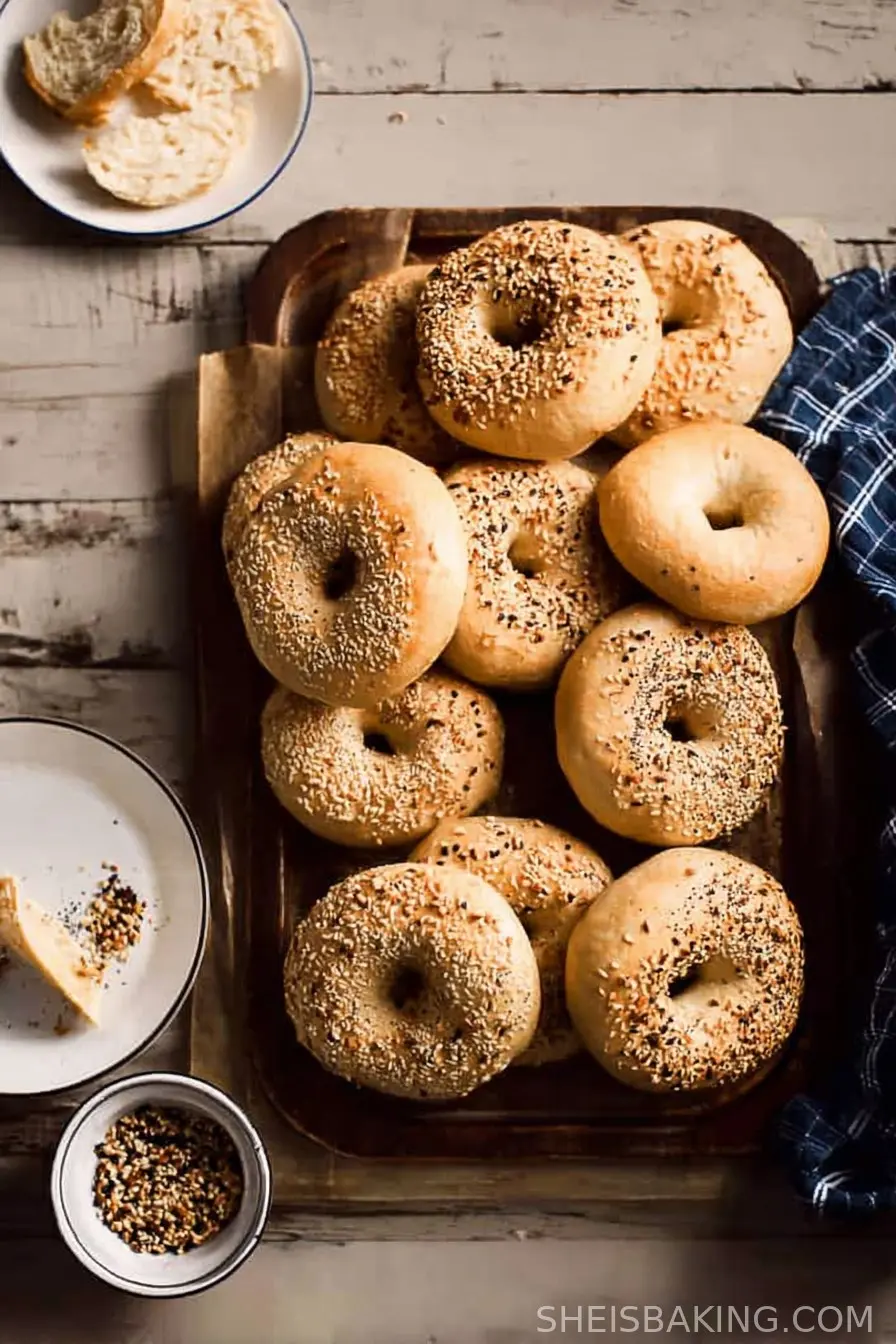
However, it holds immense flavor potential that can be transformed into delicious baked goods like these chewy and flavorful bagels. Bagels originated in Poland and have Since become a beloved staple across the globe.
Using Sourdough discard not only imparts a subtle tang to the classic bagel but also aids in utilizing ingredients efficiently in an eco-friendly manner. Homemade sourdough discard bagels stand out for their texture, chewiness, and depth of flavor, all traits highly sought after in artisan bread products.
With more home bakers exploring sourdough, recipes like this have soared in popularity. Not only do these bagels help reduce kitchen waste, but they also offer a fresh, wholesome homemade alternative to store-bought varieties.
This detailed recipe provides a foolproof, step-by-step guide to making sourdough discard bagels at home, catering to both seasoned bakers and curious beginners. The process is rewarding, filling your kitchen with the comforting aroma of freshly baked bagels while giving new life to every bit of your precious sourdough starter.
Whether enjoyed plain, toasted, or adorned with your favorite toppings, sourdough discard bagels will easily become a standout in your homemade bread repertoire.
Ingredients
- 220g (1 cup) sourdough discard (unfed, at room temperature)
- 300g (2 ½ cups) bread flour (plus extra for dusting)
- 110ml (½ cup) warm water (about 95°F / 35°C)
- 15g (1 tablespoon) sugar or honey
- 5g (1 teaspoon) salt
- 7g (2 teaspoons) instant yeast or active dry yeast
- 15g (1 tablespoon) vegetable oil
- 1 tablespoon barley malt syrup (optional, for boiling)
- Seeds for topping (e.g., sesame, poppy, everything bagel blend)
- Cornmeal for dusting (optional)
Instructions
- In a large mixing bowl, combine the sourdough discard, warm water, and sugar or honey. Mix until dissolved.
- Sprinkle yeast over the mixture, stir gently, and let sit for 5-10 minutes if using active dry yeast (skip this step for instant yeast).
- Add bread flour and salt to the bowl. Mix with a wooden spoon until a shaggy dough forms.
- Add vegetable oil and knead by hand or with a stand mixer fitted with a dough hook for about 8-10 minutes, until the dough is smooth and elastic.
- Form the dough into a ball, lightly oil the bowl, and cover. Let rise in a warm spot until doubled in size, about 1-1.5 hours.
- Turn dough onto a lightly floured surface. Divide it into 8 equal pieces. Shape each piece into a smooth ball.
- Poke a hole in the center of each ball and gently stretch to form a bagel shape. The hole will shrink as they rise.
- Place shaped bagels on a parchment-lined tray dusted with cornmeal. Cover lightly and let rise for 20-30 minutes, until slightly puffy.
- Preheat your oven to 425°F (220°C) and bring a large pot of water to a boil. Add barley malt syrup if desired.
- Gently lower bagels into boiling water in batches, simmering for 30 seconds on each side. Remove and drain.
- Place boiled bagels back on the parchment tray. Sprinkle tops with your chosen seeds or toppings.
- Bake for 20-25 minutes, or until golden brown and firm. Cool on a wire rack before slicing and serving.
Nutritional Information
Sourdough discard bagels provide a nutrient-rich alternative to conventional bagels, balancing carbohydrates, proteins, and a touch of healthy fats. Each medium bagel contains approximately 200-250 calories, depending on toppings and serving size.
Carbohydrates make up the majority, offering sustained energy while the protein content is derived from bread flour and the sourdough discard itself. Minimal added fats come from the vegetable oil included for texture enhancement.
Sourdough discard introduces lactic acid bacteria, which may aid digestion and increase mineral absorption, though much of the fermentation's probiotic benefit is lost during baking. These bagels are lower in processed sugars compared to commercial varieties, substituting honey or malt syrup for refined sweeteners.
Additional fiber and trace vitamins can be obtained by incorporating whole wheat flour or seeds as toppings. Sodium content, often high in store-bought versions, can be controlled when making your own. Selecting minimal salt and being cautious with sodium-rich toppings helps make these bagels a heart-friendlier choice.
Furthermore, making sourdough discard bagels at home allows you to avoid preservatives and artificial colors, ensuring a fresher, better-for-you baked treat that aligns with clean-eating principles.
Wine and Beverage Pairings
Sourdough discard bagels pair wonderfully with a variety of beverages. For breakfast or brunch, enjoy them with a rich cup of freshly brewed coffee or a robust English breakfast tea. Their naturally tangy flavor and chewy texture balance beautifully with creamy lattes or cappuccinos.
For a midday snack, opt for fresh orange juice or a refreshing iced herbal tea, which complements toppings like cream cheese or smoked salmon.
At brunch gatherings, a sparkling mimosa or a light, acidic white wine such as Sauvignon Blanc makes an appealing pairing, cutting through the richness of savory toppings. For an even heartier combination, a malty amber ale or wheat beer brings out the earthy notes in the sourdough flavor.
These versatile beverage pairings ensure sourdough discard bagels fit effortlessly into any meal occasion.
Cooking Tips and Variations
Mastering sourdough discard bagels begins with understanding a few key tips and playful variations. Firstly, ensure your sourdough discard is at room temperature for easier mixing and improved yeast activity. Kneading is essential for developing the signature chew and is best achieved by hand or with a stand mixer.
If your dough feels too sticky, dust lightly with flour, but avoid adding too much, as bagels benefit from a moist dough. For an extra tangy flavor, let the shaped bagels proof in the refrigerator overnight for a slow, cold rise. This deepens the sour notes and enhances texture.
Boiling bagels briefly in water, optionally infused with barley malt, is critical for their classic chewy crust. Feel free to experiment with toppings: everything seasoning, sesame, poppy seeds, or even chopped dried onions elevate the result.
You can also experiment with flour blends (adding some whole wheat or rye) for nuanced flavors. For a gluten-free version, choose a gluten-free flour blend compatible with yeast. To add a hint of sweetness, incorporate chopped dried fruit or cinnamon into the dough.
With these tips and variations at your fingertips, each batch of sourdough discard bagels can be truly one-of-a-kind.

Serving Suggestions
Sourdough discard bagels are exceptionally versatile, making them suitable for any mealtime setting. For a classic breakfast, serve them warm, sliced, and slathered with butter, cream cheese, or your favorite jam.
Their chewy crumb and flavorful crust pair perfectly with savory items like smoked salmon, capers, thin-sliced onions, and ripe tomatoes-a nod to the timeless New York bagel tradition. For a heartier meal, turn your homemade bagels into gourmet sandwiches.
Layer with scrambled eggs and cheddar for a filling brunch, or stack deli meats and fresh greens for a lunchbox favorite. Mini bagels made from this recipe are ideal for parties or appetizers, accompanied by a trio of dips or spreads such as herbed cream cheese, hummus, or avocado mash.
Toast your bagels for extra crunch and serve alongside soups, stews, or fresh salads. Don't forget sweet options: a spoonful of nut butter and honey makes a delightful snack for both kids and adults.
Finally, a basket of freshly baked bagels livens up any brunch or breakfast spread, encouraging guests to personalize their toppings and enjoy a bakery-worthy treat at home.
Health Benefits
Incorporating sourdough discard bagels into your diet provides several health benefits, especially compared to store-bought varieties. Using sourdough discard adds beneficial natural acids, which can promote easier digestion and lower the glycemic index of the bagels, helping to stabilize blood sugar levels.
The fermentation byproducts found in sourdough discard may also improve mineral absorption, making nutrients from the flour more bioavailable. Homemade bagels allow you to control the amount of sodium and sugar, so you can make them even healthier by limiting salt and using natural sweeteners.
Whole grain or seed toppings further boost fiber and essential vitamins, supporting digestive and heart health. By preparing your own bagels, you avoid preservatives and additives commonly found in commercially produced products. Additionally, consuming homemade baked goods can foster mindful eating practices, as they're crafted with care and fresh ingredients.
While bagels are mainly a source of carbohydrates, pairing them with protein-rich spreads like nut butter or Greek yogurt provides balanced nutrition for sustained energy.
Frequently Asked Questions
Yes, though it's best to bring your sourdough discard to room temperature first. This helps the dough mix more evenly and aids yeast activity, resulting in a better rise and texture.
Boiling the bagels briefly creates their signature chewy crust and sets their shape. Adding barley malt syrup to the water gives a touch of sweetness and color, but it's optional.
Absolutely. Simply use a plant-based sweetener like maple syrup and substitute plant oil for butter if the recipe calls for it. Most classic bagel recipes are naturally dairy-free.
Once fully cooled, store bagels in an airtight container at room temperature for up to 2 days. For longer storage, slice and freeze them in a zip-top bag.
Barley malt syrup is optional and primarily adds flavor and color. You can substitute honey, molasses, or leave it out entirely for excellent results.
Sourdough discard bagels are a brilliant use of leftover starter, allowing you to enjoy fresh, homemade bread without waste. Combining old-world techniques with modern baking know-how, this recipe delivers chewy, flavorful bagels that rival any bakery. Employing your discard not only enhances the bagels' taste but also supports kitchen sustainability. With customizable toppings and countless serving ideas, these bagels cater to every palate and occasion. Ready to impress your family and friends? Follow these steps, and your kitchen will soon be filled with the irresistible aroma of freshly baked sourdough discard bagels-a testament to your creativity and commitment to resourceful baking.
Ingredients
- 220g (1 cup) sourdough discard (unfed, at room temperature)
- 300g (2 ½ cups) bread flour (plus extra for dusting)
- 110ml (½ cup) warm water (about 95°F / 35°C)
- 15g (1 tablespoon) sugar or honey
- 5g (1 teaspoon) salt
- 7g (2 teaspoons) instant yeast or active dry yeast
- 15g (1 tablespoon) vegetable oil
- 1 tablespoon barley malt syrup (optional, for boiling)
- Seeds for topping (e.g., sesame, poppy, everything bagel blend)
- Cornmeal for dusting (optional)
Instructions
-
1In a large mixing bowl, combine the sourdough discard, warm water, and sugar or honey. Mix until dissolved.
-
2Sprinkle yeast over the mixture, stir gently, and let sit for 5-10 minutes if using active dry yeast (skip this step for instant yeast).
-
3Add bread flour and salt to the bowl. Mix with a wooden spoon until a shaggy dough forms.
-
4Add vegetable oil and knead by hand or with a stand mixer fitted with a dough hook for about 8-10 minutes, until the dough is smooth and elastic.
-
5Form the dough into a ball, lightly oil the bowl, and cover. Let rise in a warm spot until doubled in size, about 1-1.5 hours.
-
6Turn dough onto a lightly floured surface. Divide it into 8 equal pieces. Shape each piece into a smooth ball.
-
7Poke a hole in the center of each ball and gently stretch to form a bagel shape. The hole will shrink as they rise.
-
8Place shaped bagels on a parchment-lined tray dusted with cornmeal. Cover lightly and let rise for 20-30 minutes, until slightly puffy.
-
9Preheat your oven to 425°F (220°C) and bring a large pot of water to a boil. Add barley malt syrup if desired.
-
10Gently lower bagels into boiling water in batches, simmering for 30 seconds on each side. Remove and drain.
-
11Place boiled bagels back on the parchment tray. Sprinkle tops with your chosen seeds or toppings.
-
12Bake for 20-25 minutes, or until golden brown and firm. Cool on a wire rack before slicing and serving.
Approximate Information for One Serving
Nutrition Disclaimers
Number of total servings shown is approximate. Actual number of servings will depend on your preferred portion sizes.
Nutritional values shown are general guidelines and reflect information for 1 serving using the ingredients listed, not including any optional ingredients. Actual macros may vary slightly depending on specific brands and types of ingredients used.
To determine the weight of one serving, prepare the recipe as instructed. Weigh the finished recipe, then divide the weight of the finished recipe (not including the weight of the container the food is in) by the desired number of servings. Result will be the weight of one serving.
Did you make this recipe?
Please consider Pinning it!


Leave a Reply