
A homemade pie is something truly special, but what if you could take it to the next level using a classic baking technique that also adds flavor, tenderness, and a subtle tang?
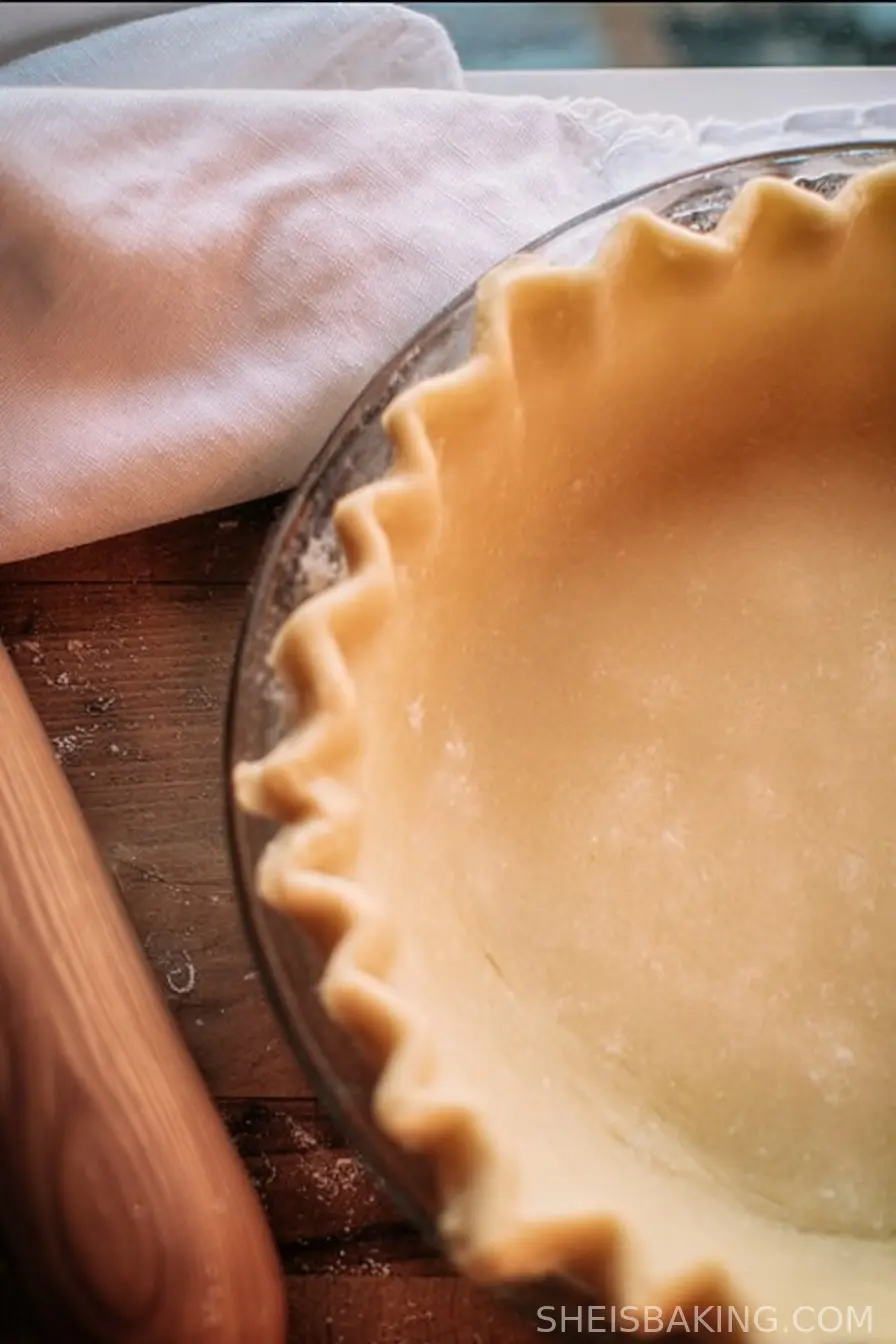
Enter the Sourdough Pie Crust Recipe-a delightful twist on the traditional pie dough that merges the rustic charm of sourdough with the buttery flakiness pie lovers crave. Sourdough has been at the heart of many cultures for centuries.
Originating as an ingenious method to leaven bread before commercial yeast, sourdough's lively, active starter brings not only lift to baked goods but also distinct character and digestibility. Pie crusts infused with sourdough starter harness a gentle tang, enhanced depth of flavor, and often improved texture compared to basic recipes.
With the rise of home baking, the sourdough revival has extended beyond bread, inspiring creative applications such as pizza dough, pancakes, and now, the perfect pie crust.
This sourdough pie crust recipe is ideal for both novice and seasoned bakers, allowing leftover sourdough discard to shine in sweet or savory pies.
Whether you're making a classic apple pie, a savory quiche, or a rich pecan tart, this crust will elevate your baked goods and impress family and friends alike.
Discover the secrets to an irresistibly flaky crust, the benefits of fermented dough, and tips for making this recipe a centerpiece of your baking repertoire.
Ingredients
- 1 ¼ cups (150g) all-purpose flour
- ¼ teaspoon fine sea salt
- 1 tablespoon granulated sugar (optional, for sweet pies)
- ½ cup (115g) unsalted butter, cold and cut into cubes
- ½ cup (120g) mature sourdough starter (100% hydration, discard or active)
- 1-3 tablespoons ice water, as needed
Instructions
- In a large bowl, whisk together the flour, salt, and sugar if using. Ensure even distribution of dry ingredients.
- Add the cold, cubed butter. Using your fingertips or a pastry cutter, work butter into flour until mixture resembles coarse crumbs with some pea-sized pieces.
- Pour in the sourdough starter. Mix gently with a fork or your hands until dough begins to come together.
- If the dough is too dry or crumbly, add ice water one tablespoon at a time, mixing after each addition, just until dough forms and holds when pressed.
- Turn dough onto a lightly floured surface. Gently knead and shape into a disk, handling the dough as little as possible.
- Wrap the dough in plastic wrap and refrigerate for at least 1 hour (or up to 48 hours). This step helps the butter firm up and hydrates the flour.
- When ready to use, roll out the dough on a floured surface to fit your pie dish. Transfer the rolled dough to the dish, gently pressing into the corners.
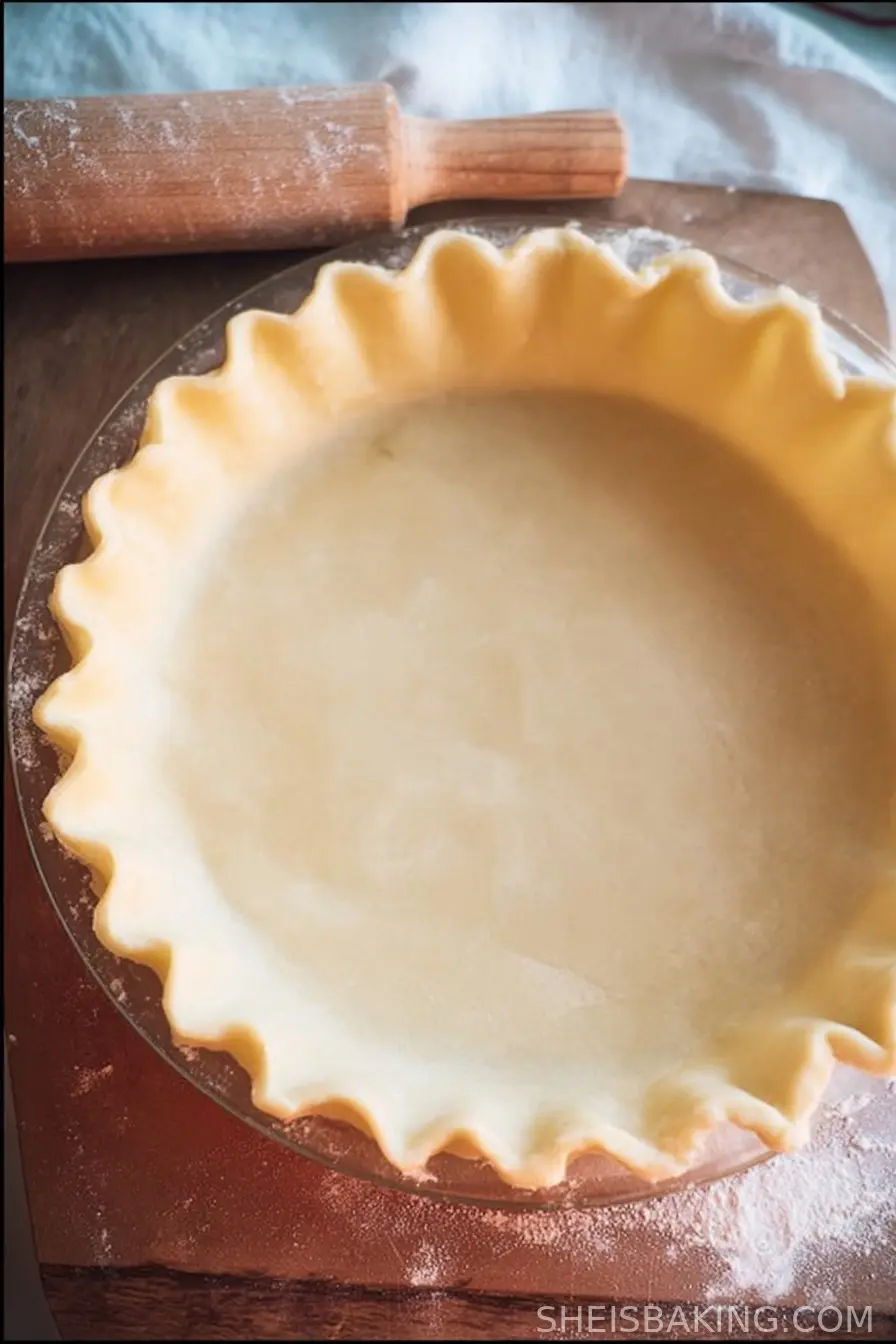
- Trim excess dough, leaving about a 1" overhang, then fold and flute the edges as desired. Chill the assembled crust in the refrigerator for at least 30 minutes before baking.
- For blind baking, preheat your oven to 375°F (190°C). Line crust with parchment and fill with pie weights or dried beans. Bake for 15-20 minutes, remove weights and parchment, then bake 5-8 minutes more until golden.
- Fill and bake according to your pie recipe's instructions, enjoying the tangy, flaky results!
Nutritional Information
When you prepare a sourdough pie crust recipe at home, you can control each component for a healthier final dough, free from preservatives and unnecessary additives often found in store-bought crusts. This recipe's primary nutrients stem from the blend of butter, flour, and sourdough starter.
Per one-eighth serving of a single-crust pie (based on this recipe), you can expect approximately 200-220 calories, with about 13g of fat (mainly from butter), 2g of protein, and 22g of carbohydrates.
The butter provides essential fats that create the tender flakes and a rich mouthfeel, but it is also a source of saturated fat, so moderation is key. The flour contributes energy-giving carbohydrates, while the sourdough starter may aid in digestion due to beneficial lactic acid bacteria.
Unlike traditional yeasted pie crusts, this sourdough version can be easier on the stomach for some, particularly if extended fermenting time is allowed, as certain components in wheat gluten become more digestible.
If you choose to use whole wheat flour for a portion of the recipe, you'll also gain extra fiber and micronutrients. Overall, the sourdough pie crust is a wholesome choice compared to mass-produced versions, especially when using fresh, quality ingredients and enjoying it as part of a balanced diet.
Wine and Beverage Pairings
Sourdough pie crust pairs exceptionally well with a variety of beverages, depending on the filling you choose. For fruit pies or sweet tarts, a lightly effervescent sparkling wine such as Prosecco or a dry sparkling cider amplifies the buttery tang of the crust while balancing sweetness.
Classic apple, cherry, or berry pies stand up beautifully to a chilled rosé or a sweet dessert wine like Moscato.
For savory pies or quiches made with this crust, opt for a crisp Sauvignon Blanc or a Pinot Grigio; these wines offer acidity that mirrors the gentle tang from the sourdough starter and cuts through richness.
Non-alcoholic options, such as a cold glass of kombucha or homemade lemonade, also enhance the brightness of the crust and complement a range of pie fillings.
Ultimately, the goal is to match your beverage to the intensity and flavor profile of both the crust and the filling for an elevated dining experience.
Cooking Tips and Variations
For the ultimate sourdough pie crust, ensure your butter is very cold-this is critical for flakiness, as little pockets of butter in the dough release steam during baking to separate the layers. If temperatures are warm, you can even freeze your cubed butter before rubbing it into the flour.
Using sourdough discard adds a subtle tang and depth, while an active bubbly starter may yield a slightly airier texture; both will work beautifully, but for a more complex flavor, let your dough ferment in the fridge overnight.
You can substitute up to half the flour with whole wheat flour for added nuttiness and nutrition, or experiment with rye or spelt for unique flavors. For a richer crust, add an egg yolk, especially if making a savory pie.
To impart additional flavor, blend in fresh herbs (such as thyme or rosemary) for savory tarts, or citrus zest for sweet pies. If a gluten-free version is needed, a measure-for-measure gluten-free flour blend with sourdough starter works as well.
Always chill the dough after shaping and before blind-baking; this action prevents shrinking and preserves those prized flaky layers. If your dough cracks during rolling, patch it gently with trimmed scraps and press together-sourdough doughs are often a bit more relaxed than conventional ones due to the starter's acidity.
Serving Suggestions
Once your sourdough pie crust is golden brown and fragrant, it's time to serve your masterpiece. For classic sweet pies-think apple, peach, or pumpkin-allow the finished pie to cool almost completely before slicing; this helps preserve clean slices and ensures the crust's structure holds.
Pair slices with a scoop of vanilla ice cream, whipped cream, or a drizzle of salted caramel for a decadent dessert.
For savory quiches or hand pies, allow them to rest for at least 15 minutes before serving warm or at room temperature, which lets the flavors develop and the crust remain crispy. This sourdough pie crust is equally at home at festive holiday tables and relaxed picnics alike.
For buffet or party settings, consider making mini-tarts or galettes-easy to hold, fun to eat, and a guaranteed hit with guests.
If preparing your pies in advance, the crust holds its flaky texture quite well for 1-2 days at room temperature, and you can re-crisp slices in the oven at 350°F (175°C) for a few minutes before serving.
For best presentation, garnish sweet pies with fresh fruits, mint, or edible flowers, and serve savory pies with a side salad or pickled vegetables for balance.
Health Benefits
Sourdough pie crust brings unique health advantages compared to conventional pie dough, especially for those who value clean ingredients and traditional preparation.
The fermentation process in sourdough starter naturally breaks down some of the gluten in flour, which can enhance digestibility for some people and may have less impact on blood sugar compared to instant-yeast-dough recipes.
The lactic acid bacteria present in mature starter also contribute beneficial compounds, supporting gut health and adding to the overall wellness profile of the recipe. When you opt for real, high-quality butter and unbleached flours, the crust is free of artificial trans fats often found in processed pie crusts.
Using sourdough starter in the dough may also increase the availability of certain minerals in the flour through natural enzyme action. If you replace part of the all-purpose flour with whole grains, you'll further boost fiber, vitamins, and phytonutrients.
Remember to enjoy this treat in moderation-it is still a source of calories and saturated fats-but rest assured that a homemade sourdough pie crust recipe is a wholesome upgrade from most ready-made alternatives, especially when made with love and shared with others.
Frequently Asked Questions
Yes, either sourdough discard or active starter can be used in this sourdough pie crust recipe. Discard adds tangy depth, while active starter may create a slightly lighter crust, but both will lead to excellent results.
To avoid a soggy crust, pre-bake (blind bake) the crust with pie weights, especially for custard or fruit pies with wet fillings. Additionally, allow your crust to fully cool before adding any fillings, and consider brushing with beaten egg white before baking.
Absolutely. Substitute the all-purpose flour for a measure-for-measure gluten-free flour blend and use a gluten-free sourdough starter. The result will still be tender and flavorful, though the texture may vary.
You can make the dough up to 2-3 days in advance and store it tightly wrapped in the refrigerator. It can also be frozen for up to 2 months; thaw overnight in the fridge before rolling out.
Sourdough pie crust shines with both sweet and savory fillings. Classic fruit pies, rich pumpkin or pecan, and savory quiches or meat pies all benefit from the crust's signature tang and flakiness.
Crafting a sourdough pie crust recipe at home is a rewarding way to bring together robust, time-honored flavor and unbeatable texture in your pies. The unique characteristics lent by sourdough starter-tang, complexity, and tenderness-create a crust that stands out in any recipe, be it sweet or savory. With easy-to-follow steps, simple ingredients, and endless potential for customization, this recipe provides the ideal foundation for every baking occasion. By mastering this crust, you not only use up your sourdough starter discard, but you also contribute to a baking tradition that values patience, creativity, and wholesome ingredients. Serve this crust at gatherings, holidays, or everyday meals, and enjoy the pride that comes with every flaky, delicious bite. Whether you're an experienced sourdough baker or new to cultured doughs, this pie crust is destined to become one of your most treasured recipes.
Ingredients
- 1 ¼ cups (150g) all-purpose flour
- ¼ teaspoon fine sea salt
- 1 tablespoon granulated sugar (optional, for sweet pies)
- ½ cup (115g) unsalted butter, cold and cut into cubes
- ½ cup (120g) mature sourdough starter (100% hydration, discard or active)
- 1-3 tablespoons ice water, as needed
Instructions
-
1In a large bowl, whisk together the flour, salt, and sugar if using. Ensure even distribution of dry ingredients.
-
2Add the cold, cubed butter. Using your fingertips or a pastry cutter, work butter into flour until mixture resembles coarse crumbs with some pea-sized pieces.
-
3Pour in the sourdough starter. Mix gently with a fork or your hands until dough begins to come together.
-
4If the dough is too dry or crumbly, add ice water one tablespoon at a time, mixing after each addition, just until dough forms and holds when pressed.
-
5Turn dough onto a lightly floured surface. Gently knead and shape into a disk, handling the dough as little as possible.
-
6Wrap the dough in plastic wrap and refrigerate for at least 1 hour (or up to 48 hours). This step helps the butter firm up and hydrates the flour.
-
7When ready to use, roll out the dough on a floured surface to fit your pie dish. Transfer the rolled dough to the dish, gently pressing into the corners.
-
8Trim excess dough, leaving about a 1" overhang, then fold and flute the edges as desired. Chill the assembled crust in the refrigerator for at least 30 minutes before baking.
-
9For blind baking, preheat your oven to 375°F (190°C). Line crust with parchment and fill with pie weights or dried beans. Bake for 15-20 minutes, remove weights and parchment, then bake 5-8 minutes more until golden.
-
10Fill and bake according to your pie recipe's instructions, enjoying the tangy, flaky results!
Approximate Information for One Serving
Nutrition Disclaimers
Number of total servings shown is approximate. Actual number of servings will depend on your preferred portion sizes.
Nutritional values shown are general guidelines and reflect information for 1 serving using the ingredients listed, not including any optional ingredients. Actual macros may vary slightly depending on specific brands and types of ingredients used.
To determine the weight of one serving, prepare the recipe as instructed. Weigh the finished recipe, then divide the weight of the finished recipe (not including the weight of the container the food is in) by the desired number of servings. Result will be the weight of one serving.
Did you make this recipe?
Please consider Pinning it!

Leave a Reply