
Sourdough Sandwich Bread is a delicious fusion of classic bread baking techniques and modern sandwich bread convenience. With its soft, tender crumb and subtle, tangy flavor, this bread transforms any sandwich into a gourmet meal. Sourdough bread has a rich history that dates back thousands of years.
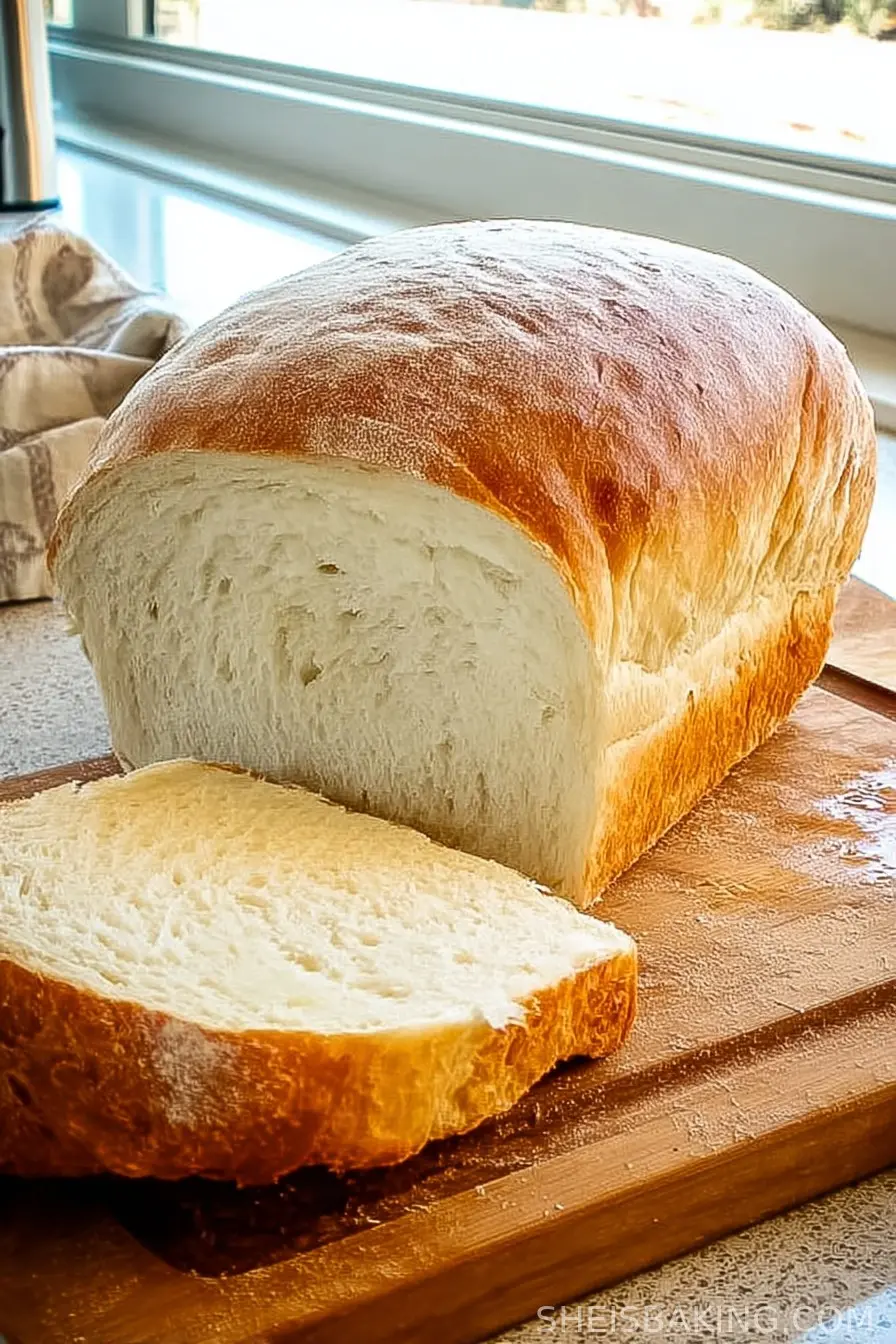
Originating from ancient Egypt, the process of fermenting flour and water with wild yeast creates an airy, flavorful loaf that became a staple in many cultures. Unlike standard sandwich bread made with commercial yeast, Sourdough relies on natural fermentation, giving it a more complex flavor profile.
Over the centuries, sourdough has been adapted to suit local tastes, evolving from rustic, crusty boules to the soft, sliceable loaves perfect for modern sandwiches.
People love this bread not just for its taste, but also for its health benefits, as the fermentation process aids in digestion and enhances nutrient availability. Today, making Sourdough Sandwich Bread at home is both a rewarding and delicious endeavor.
It allows you to control every ingredient, avoid unnecessary additives, and experiment with different flavors. Whether you are a seasoned sourdough enthusiast or a newcomer eager to bake a healthier, more flavorful alternative to store-bought bread, this recipe will guide you through every step.
The versatility of Sourdough Sandwich Bread makes it perfect for everything from hearty breakfast toast to gourmet lunchtime sandwiches. In this comprehensive guide, you'll discover all the tips, tricks, and information you need to master Sourdough Sandwich Bread in your own kitchen.
Ingredients
- 500g (about 4 cups) bread flour
- 325g (about 1 ⅓ cups plus 1 tablespoon) water, at room temperature
- 100g (about ½ cup) active sourdough starter (at 100% hydration)
- 35g (about 2 ½ tablespoons) unsalted butter, softened
- 25g (about 2 tablespoons) granulated sugar or honey
- 10g (about 1 ¾ teaspoons) fine sea salt
- Additional butter or oil for greasing the pan
Instructions
- In a large mixing bowl, combine the bread flour and water. Mix by hand until fully combined and shaggy. Cover and let it rest for 30 minutes at room temperature for the autolyse.
- Add the active sourdough starter, softened butter, and sugar (or honey) to the dough. Mix thoroughly until the ingredients are evenly distributed.
- Sprinkle the salt over the dough. Knead the dough by hand or with a stand mixer for about 5-8 minutes, or until it becomes smooth and slightly elastic.
- Transfer the dough to a lightly oiled bowl. Cover and let it rise at room temperature for 3-4 hours, performing 3 sets of gentle stretch and folds every 45 minutes to build structure.
- After the bulk fermentation, the dough should have risen by about 50%. Transfer it onto a lightly floured surface.
- Gently shape the dough into a rectangle, then roll it into a log, pinching the seam shut. Place the shaped dough seam side down into a lightly greased 9x5-inch loaf pan.
- Cover the loaf pan with a damp towel or plastic wrap. Allow the dough to proof at room temperature for 2-4 hours, or until it has risen well above the rim of the pan. For an overnight proof, refrigerate for 8-12 hours and bake directly from cold.
- Preheat your oven to 375°F (190°C) about 30 minutes before baking.
- Once proofed, optionally brush the top with melted butter for extra softness.
- Bake the loaf for 35-40 minutes, or until the top is deeply golden and the loaf sounds hollow when tapped.
- Remove the bread from the oven and let it cool in the pan for 10 minutes before turning it out onto a wire rack to cool completely.
- Slice when fully cooled and enjoy your homemade Sourdough Sandwich Bread.
Nutritional Information
Sourdough Sandwich Bread stands out not only for its taste and texture but also for its impressive nutritional profile. A single slice (typically about 45g) provides approximately 120-140 calories, with around 3g of protein, 1-2g of fat, and 25g of carbohydrates.
Much of the caloric content comes from complex carbohydrates, making it a slow and steady source of energy. Thanks to the sourdough fermentation process, this bread contains more readily available nutrients compared to conventional breads.
The natural leavening breaks down phytic acid, allowing for better absorption of minerals such as iron, magnesium, and zinc. Sourdough fermentation also produces B vitamins, particularly folate and niacin, which are vital for energy metabolism and cell health.
The presence of lactic acid from sourdough fermentation gives this bread a lower glycemic index, making it gentler on blood sugar levels. Furthermore, the small amount of butter adds flavor and tenderness without overloading the loaf with saturated fat.
However, it is still wise to enjoy Sourdough Sandwich Bread as part of a balanced diet. Those with gluten sensitivity should note that while sourdough fermentation partially breaks down gluten, it does not eliminate it.
Nevertheless, the inclusion of a live, active sourdough starter can add probiotics, contributing to gut health. When topped with wholesome ingredients such as avocado, lean proteins, or nut butters, Sourdough Sandwich Bread can be a nutrient-rich foundation for a variety of meals.
Wine and Beverage Pairings
The tangy, mildly sweet flavor of Sourdough Sandwich Bread pairs beautifully with a range of beverages. For breakfast, a freshly brewed cup of medium-roast coffee or a robust black tea offers a classic combination with buttery toast.
If you enjoy wine, a light, crisp white wine such as Sauvignon Blanc or Pinot Grigio matches the bread's subtle acidity, making it ideal for sandwich lunches with poultry or mild cheeses.
For heartier sandwiches, like those with roast beef or aged cheese, a soft, fruit-forward red such as Pinot Noir works particularly well. Sourdough Sandwich Bread also complements sparkling beverages; try a glass of seltzer with a twist of lemon for a refreshing midday meal.
For a non-alcoholic treat, pair the bread with a glass of homemade lemonade, classic iced tea, or even a creamy hot chocolate for a cozy snack.
Cooking Tips and Variations
To achieve the ideal Sourdough Sandwich Bread, a few important tips can elevate your baking. Firstly, ensure your sourdough starter is active and bubbly before adding it to the dough; this guarantees a well-risen, flavorful loaf.
If your kitchen environment is too cold (<68°F/20°C), allow extra time for fermentation, or proof your dough in a switched-off oven with a bowl of warm water.
For those seeking even more softness, incorporate a bit of milk (replace 25% of the water with whole milk) or increase the butter by a tablespoon. For a slightly sweet flavor, honey works beautifully as a sugar substitute and contributes to a tender crumb.
Don't underestimate the power of gentle stretch and folds during bulk fermentation; they help develop the gluten network without overworking the dough. You can adjust the hydration of your dough (increase water by 10-15g) for a more open crumb if you prefer airier bread.
During shaping, handle the dough with care, avoid over-flouring your work surface to prevent drying the dough, and always allow full proofing; under-proofed bread will be dense.
For variations, mix in seeds (like flax, sunflower, or sesame) or swap 15% of the flour for whole wheat to add interest and nutrition. Dust the loaf with flour before baking for a rustic look, or brush with melted butter after baking for extra softness.
Each adjustment can give your Sourdough Sandwich Bread a unique twist to suit your preferences.

Serving Suggestions
Sourdough Sandwich Bread's versatility makes it perfect for any meal. For breakfast, toast thick slices and spread with butter, jam, or creamy nut butter for a simple and satisfying start to the day.
It's especially delicious as the base for avocado toast, topped with slices of ripe avocado, a sprinkle of salt, and a dash of chili flakes.
At lunchtime, this bread shines as a foundation for sandwiches - from classic ham and cheese or turkey and tomato, to gourmet creations with roasted vegetables and hummus. For grilled sandwiches, Sourdough Sandwich Bread browns beautifully and retains a soft interior when pan-fried with a little butter or olive oil.
When serving groups, cut your loaf into neat squares for tea sandwiches or use for hearty picnic fare. Pair it with a soup or salad at dinner for a wholesome, balanced meal. For special occasions, create bread baskets with slices of Sourdough Sandwich Bread, sourdough boules, and crackers for variety.
The bread also freezes well; slice before freezing for convenient, individual servings perfect for busy mornings or packed lunches. Whether you enjoy it fresh, toasted, or grilled, Sourdough Sandwich Bread enhances any dish with its distinctive flavor and satisfying texture, making it a staple you'll return to again and again.
Health Benefits
Sourdough Sandwich Bread offers several significant health benefits, making it a favored choice among bread lovers seeking more than just great taste. The fermentation process inherent in sourdough creates beneficial lactic acid bacteria, which may help balance your gut microbiome and support overall digestive health.
The bacteria and wild yeasts in sourdough pre-digest some of the flour, reducing the presence of phytic acid and increasing the bioavailability of minerals like magnesium, iron, and zinc.
Compared to typical white sandwich bread, Sourdough Sandwich Bread has a lower glycemic index, meaning it results in a slower, more stable rise in blood sugar. This makes it a smart option for those aiming to manage energy levels and reduce sugar spikes.
Additionally, the natural sourdough starter can produce short-chain fatty acids, which are linked to improved immune function and decreased inflammation. While sourdough does not eliminate gluten, it can make it easier to digest for some people, but it is not suitable for those with celiac disease.
Using just a handful of wholesome ingredients, Sourdough Sandwich Bread avoids the preservatives and artificial additives often found in commercial breads. Ultimately, this bread provides dietary fiber, vitamins, and minerals in a form that many find both tasty and gentle on the stomach.
Frequently Asked Questions
Your sourdough starter is ready when it is bubbly, has doubled in size within 4-6 hours of feeding, and passes the float test (a small spoonful dropped in water floats). Using an active starter ensures your Sourdough Sandwich Bread will rise properly and develop great flavor.
Yes, you can replace up to 25% of the bread flour with whole wheat flour for added flavor and nutrition. Keep in mind that whole wheat will absorb more water, so increase hydration slightly if needed, and expect a slightly denser crumb.
A dense loaf could be the result of under-proofing, an inactive starter, or too little kneading. Make sure to proof until the dough is puffy and domed above the pan rim, use active starter, and knead until smooth for a lighter, softer crumb.
Once fully cooled, store your bread in a paper or cloth bag for 2-3 days at room temperature. For longer storage, slice and freeze in a sealed bag. Always avoid refrigerating fresh bread-it causes staleness.
Traditional Sourdough Sandwich Bread made with wheat flour is not gluten-free. While fermentation reduces some gluten, it is still present. Use a certified gluten-free sourdough recipe if you require a gluten-free diet.
Sourdough Sandwich Bread is a rewarding blend of tradition and practicality, merging the unique flavor and digestive benefits of sourdough with the soft, sliceable appeal of classic sandwich bread. Mastering this recipe allows you to enjoy fresh, homemade bread with every meal, customize it to your liking, and nourish your body at the same time. From its rich history to its versatility on your table, Sourdough Sandwich Bread is a must-try for any home baker. With the guidance provided above, you can confidently create a loaf that is fragrant, tender, and truly delicious-ideal for toasting, sandwiches, or simple snacks. Each slice connects you with centuries of baking tradition, and every sandwich you craft with this bread is a testament to the joys of baking at home.
Ingredients
- 500g bread flour (about 4 cups)
- 120g active sourdough starter (about ½ cup)
- 300g lukewarm water (about 1 ¼ cups)
- 40g unsalted butter, softened (about 3 tbsp)
- 30g granulated sugar (about 2 tbsp)
- 10g fine sea salt (about 2 tsp)
- Milk, for brushing (optional)
Instructions
-
1In a large bowl, combine bread flour, sugar, and salt. Mix well.
-
2Add the sourdough starter and lukewarm water. Stir until a shaggy dough forms. Add the softened butter and knead until the dough is smooth and elastic, about 10-12 minutes.
-
3Cover the bowl and let the dough rise at room temperature for 8-10 hours, or overnight, until doubled in size.
-
4Turn the dough out onto a lightly floured surface and shape it into a loaf. Place the dough into a greased 9x5-inch loaf pan. Cover and let rise for 1-2 hours, until the dough has risen above the edge of the pan.
-
5Preheat the oven to 375°F (190°C). Brush the top of the loaf with milk for a soft crust, if desired, and bake for 30-35 minutes until golden brown and the loaf sounds hollow when tapped.
-
6Remove from the pan and cool completely on a wire rack before slicing.
Approximate Information for One Serving
Nutrition Disclaimers
Number of total servings shown is approximate. Actual number of servings will depend on your preferred portion sizes.
Nutritional values shown are general guidelines and reflect information for 1 serving using the ingredients listed, not including any optional ingredients. Actual macros may vary slightly depending on specific brands and types of ingredients used.
To determine the weight of one serving, prepare the recipe as instructed. Weigh the finished recipe, then divide the weight of the finished recipe (not including the weight of the container the food is in) by the desired number of servings. Result will be the weight of one serving.
Did you make this recipe?
Please consider Pinning it!!




Leave a Reply