
Yogurt Cake is quickly becoming a favorite comfort dessert that combines lightness, moist texture, and a subtle tang. Often associated with French and Mediterranean baking traditions, this Cake offers both simplicity and delightful flavor, making it perfect for both novice and experienced bakers.
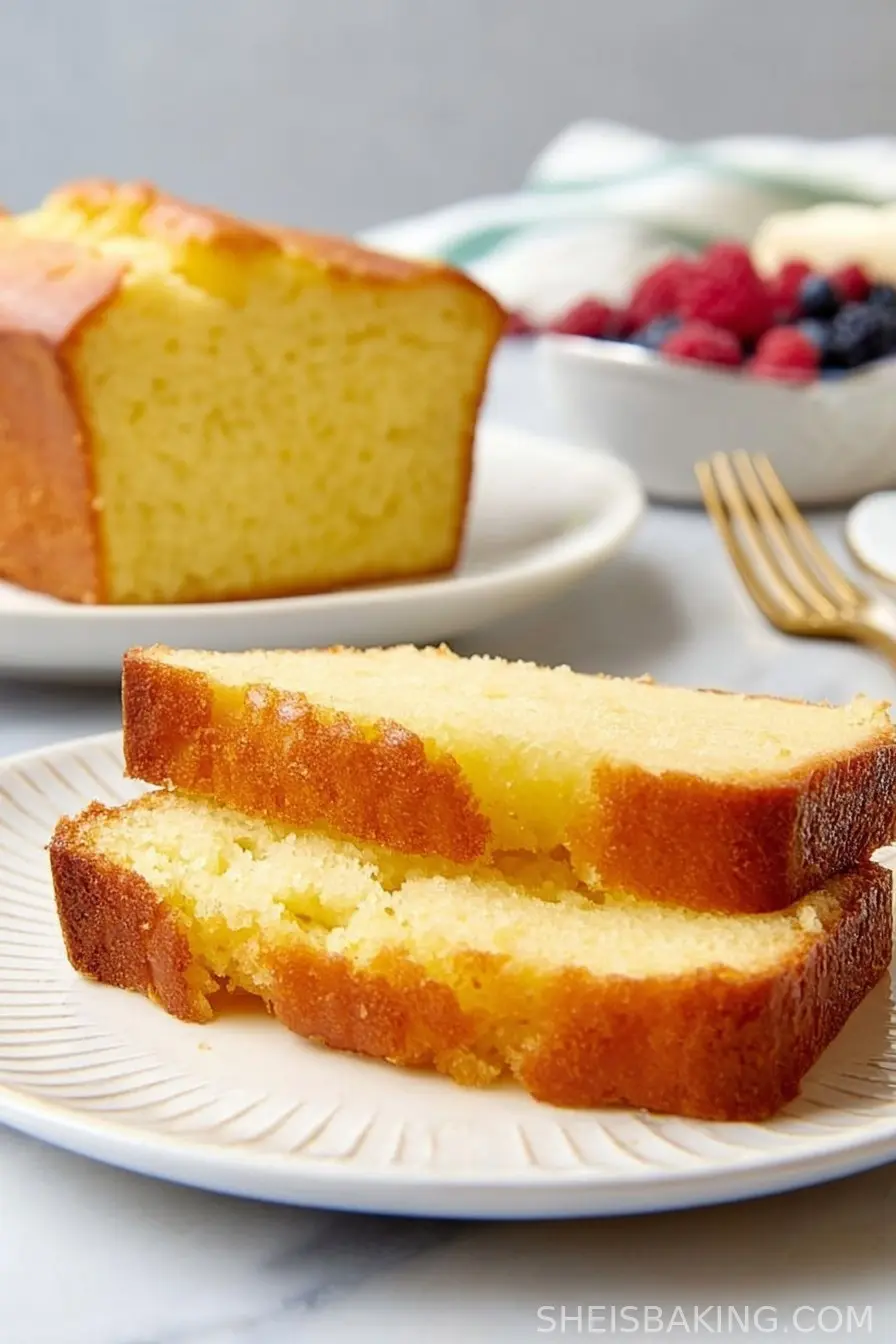
Its roots date back to home kitchens where yogurt was used as a staple ingredient, providing moisture and a touch of acidity for wonderfully tender crumb.
The beauty of Yogurt Cake lies in its versatility-it can be enjoyed plain, dusted with powdered sugar, or taken to the next level with fresh fruit, syrups, or glazes.
Packing a subtle tang from yogurt, this cake is known for being balanced in sweetness and easy on the palate, all while being incredibly easy to prepare.
Today, Yogurt Cake is a go-to recipe for families around the world, finding a special place at breakfast tables, lunchboxes, picnics, and celebratory events. As more people opt for homemade desserts with wholesome ingredients, Yogurt Cake stands out for its minimal prep, forgiving batter, and endless customization.
Whether you're looking to bake a quick weeknight treat or impress guests without fuss, Yogurt Cake is a time-tested, beloved option-the perfect blend of tradition and convenience.
Ingredients
- 1 and ½ cups (190g) all-purpose flour
- 1 cup (200g) granulated sugar
- ½ cup (120ml) plain whole-milk yogurt
- ½ cup (120ml) vegetable oil or melted unsalted butter
- 3 large eggs
- 2 teaspoons baking powder
- ½ teaspoon baking soda
- ¼ teaspoon salt
- 2 teaspoons pure vanilla extract
- Finely grated zest of 1 lemon (optional)
- Powdered sugar, for dusting (optional)
Instructions
- Preheat your oven to 350°F (175°C). Grease a 9-inch round cake pan and line the bottom with parchment paper for easy removal.
- In a medium bowl, whisk together the flour, baking powder, baking soda, and salt. Set this dry mixture aside.
- In a large mixing bowl, whisk together the yogurt, sugar, and eggs until the mixture is light and smooth.
- Add the oil (or melted butter) and vanilla extract to the wet mixture. Whisk again until fully incorporated.
- Slowly fold the dry ingredients into the wet mixture, mixing gently with a spatula until just combined. Avoid overmixing to keep the cake tender.
- If using, fold in the lemon zest to add a hint of citrus flavor.
- Pour the batter evenly into the prepared cake pan, smoothing the top with a spatula.
- Bake for 30-35 minutes, or until a toothpick inserted into the center comes out clean or with just a few moist crumbs attached.
- Remove the cake from the oven and allow it to cool in the pan for 10 minutes. Then, turn out onto a wire rack to cool completely.
- Once cooled, dust the top with powdered sugar if desired, and slice to serve.
Nutritional Information
Yogurt Cake is a relatively light dessert compared to many traditional cakes, making it a popular choice for health-conscious bakers. A standard slice (1/10 of a 9-inch cake) contains about 220-250 calories, depending on whether you use oil or butter.
Each serving typically provides 5-7 grams of fat, 4-5 grams of protein, and about 35 grams of carbohydrates, which includes the naturally occurring sugars from yogurt and any added syrup or fruit toppings. The yogurt itself is a source of high-quality protein and calcium, contributing essential nutrients to each bite.
Moreover, using yogurt in baking can cut down on the amount of fat needed, thanks to its creaminess and moisture-retaining properties. The cake is naturally lower in saturated fat if you choose vegetable oil and use low-fat yogurt.
With no frosting, Yogurt Cake tends to contain less added sugar than frosted desserts. Since it doesn't rely on heavy creams, butters, or excessive sugar, Yogurt Cake is suitable for those who prefer lighter, less rich desserts without sacrificing flavor or indulgence.

Wine and Beverage Pairings
Yogurt Cake's light, moist, and slightly tangy flavor profile pairs wonderfully with a wide array of beverages. For a classic-serve with a cup of hot Earl Grey or chamomile tea, both emphasizing the cake's subtle citrus notes.
For a celebratory occasion, a glass of sparkling Prosecco or a light, fruity Moscato d'Asti complements the gentle tang of the cake. Coffee lovers can enjoy Yogurt Cake alongside a cappuccino or cold brew, balancing the cake's sweetness with roasted, slightly bitter tones.
For younger guests or non-alcoholic pairings, a homemade lemonade or a tart berry iced tea brings out the yogurt's tang and offers a refreshing contrast.
Cooking Tips and Variations
To ensure your Yogurt Cake turns out perfectly every time, always bring eggs and yogurt to room temperature before mixing. This small step helps achieve a smooth batter and even baking.
If you're looking to make the cake extra moist, opt for whole-milk yogurt or even Greek yogurt for an added protein boost and extra richness. For dairy-free diets, substitute plain coconut, almond, or soy yogurt and use a neutral plant-based oil.
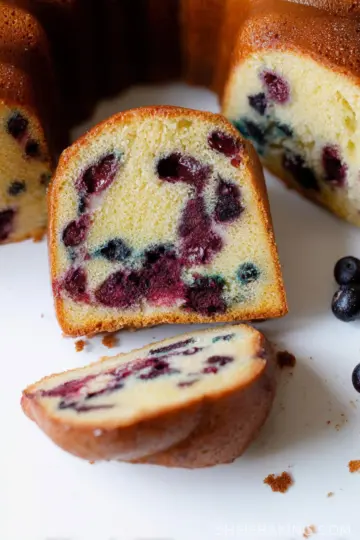
You can play with flavors by folding in a cup of berries, diced apples, or even a swirl of jam before baking. Citrus zest, especially lemon or orange, can transform the cake, making it vibrant and aromatic. For a gluten-free version, replace all-purpose flour with a 1:1 gluten-free blend.
To prevent a dense texture, avoid overmixing your batter after adding the dry ingredients. Test doneness by gently pressing the cake's center-it should spring back.
This Yogurt Cake recipe is friendly to personal touches-add spices like cinnamon or cardamom for a unique twist, or top with sliced almonds before baking for texture.

Serving Suggestions
Yogurt Cake shines as an all-occasion treat, perfect for casual breakfast, elegant brunches, or after-dinner dessert. Slice and serve plain for a snack with afternoon tea or coffee-it's moist enough on its own.
For a more sophisticated approach, dust the top lightly with powdered sugar, or dollop with fresh whipped cream. During the spring and summer, top slices with seasonal berries such as strawberries, raspberries, or blueberries, adding color and a burst of fresh flavor.
A drizzle of honey or berry compote elevates the presentation and complements the cake's mild tang. When serving at gatherings, cut the cake into small squares or fingers for easy sharing. For festive occasions, stack two layers with a thin spread of lemon curd or yogurt frosting.
Yogurt Cake is easy to pack for picnics or lunchboxes-simply wrap slices in parchment paper. Because of its sturdy crumb, it holds up well when stored and remains moist for days. Serve chilled for a refreshing summer treat or lightly warmed for cozy winter afternoons.
Health Benefits
Yogurt Cake offers several health benefits compared to traditional cakes. Yogurt is a fermented dairy product rich in probiotics, which contribute to gut health and support digestion. It is also a source of calcium, vital for bone strength, and includes high-quality protein.
Using yogurt in cake decreases the need for added fats, thus lowering overall calorie and saturated fat content while maintaining moistness and flavor. Plain yogurt has less sugar than many processed cake fillings or frostings, keeping the cake lighter in sugar.
If you opt for Greek yogurt, you benefit from higher protein, which can be more satiating and balance blood sugar. The absence of heavy creams or rich frostings ensures this dessert is easier to digest and often more suitable for those sensitive to rich desserts.
The inclusion of lemon zest or fruit increases the vitamin C content and adds antioxidants. For those who prefer low-cholesterol or lactose-friendly bakes, it's simple to substitute with plant-based yogurt and oils, making this a flexible recipe for various dietary needs.
Frequently Asked Questions
Yes, you can use low-fat or non-fat yogurt, but whole-milk yogurt provides the best moisture and flavor. If using low-fat versions, the cake may be a bit less rich but will still bake up soft and tender.
Store Yogurt Cake in an airtight container at room temperature for up to 3 days. For longer storage, refrigerate it for up to 5 days or freeze wrapped slices for up to 2 months.
Absolutely! Substitute the all-purpose flour with a 1:1 gluten-free baking flour. The cake remains moist and delicious when made gluten-free.
Plain, unsweetened whole-milk yogurt is ideal for balanced flavor and moisture. Greek yogurt results in a slightly denser, protein-rich cake, while plant-based yogurts work for dairy-free needs.
Yes! Fold in fresh berries, dried fruit, citrus zest, or chocolate chips for different variations. Just keep mix-ins to 1 cup to avoid weighing down the batter.
Yogurt Cake is the embodiment of uncomplicated, satisfying home baking. Its rich history, easy preparation, and adaptable recipe make it a top choice for any occasion, whether you're serving a crowd or looking for a quiet treat at home. The light tang of yogurt combined with a tender crumb delivers comfort and flavor in every bite, while the health perks ensure it suits almost every diet. Whether enjoyed alone or dressed up with your favorite toppings, Yogurt Cake is versatile and delicious-destined to be a repeat in your home baking repertoire. Try this classic recipe and see how quickly it becomes a household favorite.
Ingredients
- 1 cup plain yogurt
- 1 cup granulated sugar
- ½ cup vegetable oil
- 3 large eggs
- 1 ½ cups all-purpose flour
- 2 teaspoons baking powder
- 1 teaspoon vanilla extract
- ¼ teaspoon salt
- Zest of 1 lemon (optional)
Instructions
-
1Preheat the oven to 350°F (175°C). Grease and flour a 9-inch round cake pan.
-
2In a large bowl, whisk together the yogurt, sugar, and eggs until smooth and well combined.
-
3Add the vegetable oil and vanilla extract, and whisk until fully incorporated.
-
4In a separate bowl, sift together the flour, baking powder, salt, and lemon zest if using.
-
5Gradually fold the dry ingredients into the wet mixture until just combined. Do not overmix.
-
6Pour the batter into the prepared pan and bake for 35 minutes, or until a toothpick inserted in the center comes out clean. Allow to cool before serving.
Approximate Information for One Serving
Nutrition Disclaimers
Number of total servings shown is approximate. Actual number of servings will depend on your preferred portion sizes.
Nutritional values shown are general guidelines and reflect information for 1 serving using the ingredients listed, not including any optional ingredients. Actual macros may vary slightly depending on specific brands and types of ingredients used.
To determine the weight of one serving, prepare the recipe as instructed. Weigh the finished recipe, then divide the weight of the finished recipe (not including the weight of the container the food is in) by the desired number of servings. Result will be the weight of one serving.
Did you make this recipe?
Please consider Pinning it!!
Leave a Reply