
The sourdough bread recipe is a beloved staple for bread enthusiasts and home bakers alike. sourdough has roots that stretch back thousands of years, making it one of the oldest known forms of grain fermentation.
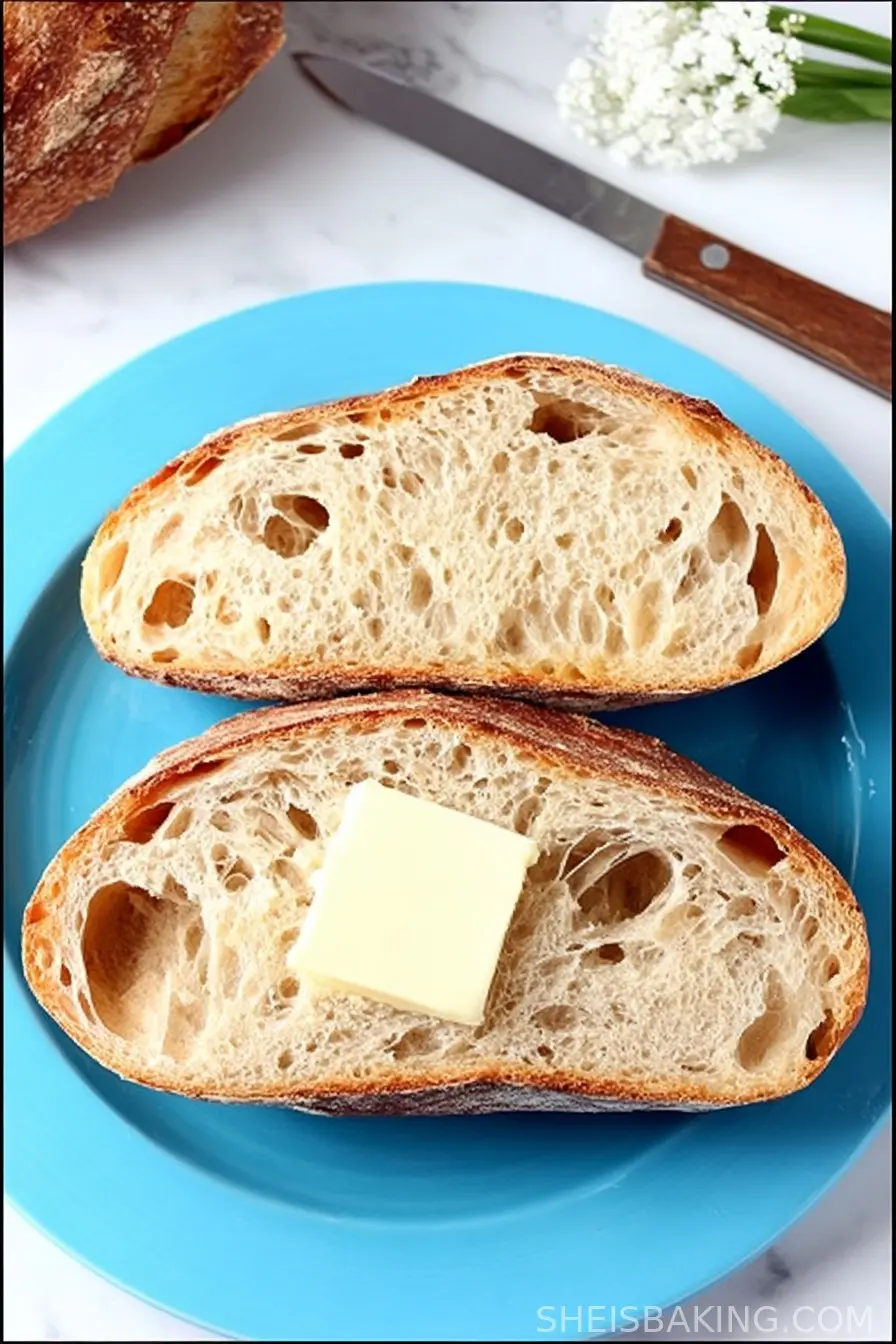
Its unique flavor, crusty exterior, and chewy crumb have made it a timeless classic in kitchens worldwide. Unlike typical commercial breads that rely on packaged yeast, sourdough bread is leavened by wild yeast and lactic acid bacteria which are naturally present in the environment.
This lends a complex tang and depth of flavor that sets it apart from other breads. Making sourdough bread is as much an art as a science.
From nurturing your starter to the slow fermentation, each step in the sourdough bread recipe plays a vital role in its final taste and texture. During worldwide lockdowns and beyond, many people discovered the therapeutic nature of homemade sourdough, embracing the deliberate pace and rewards of this process.
Whether served on its own, toasted with butter, or as the base for gourmet sandwiches, sourdough bread remains a testament to the magic of patience in baking. This in-depth sourdough bread recipe will guide you through every step, ensuring delicious, bakery-worthy results even at home.
Ingredients
- 500g (about 4 cups) bread flour, plus more for dusting
- 350g (about 1 ½ cups) water, lukewarm
- 100g active sourdough starter (at 100% hydration)
- 10g (about 2 teaspoons) fine sea salt
- Rice flour for dusting (optional)
Instructions
- Feed your sourdough starter the night before baking so that it is active and bubbly in the morning. Ensure it passes the float test by dropping a small amount in water - it should float.
- In a large mixing bowl, combine 500g bread flour and 350g lukewarm water. Mix until no dry flour remains. Let the mixture rest, covered, for about 1 hour. This process, called autolysis, helps hydrate the flour.
- Add 100g active sourdough starter to the rested dough. Incorporate the starter thoroughly by gently folding and pinching the dough until evenly mixed.
- Sprinkle 10g sea salt over the dough and mix well, using the pinch and fold technique until the salt is fully dissolved.
- Cover the bowl with a damp towel and allow the dough to rest for 30 minutes at room temperature.
- Over the next two hours, perform four sets of stretch and folds every 30 minutes. To do this, grab one edge of the dough, stretch it upward, and fold it back over the center. Rotate the bowl and repeat three more times. This process helps develop gluten structure.
- After the final fold, let the dough bulk ferment, covered, at room temperature until it has risen by about 50%. This typically takes 4-6 hours, depending on ambient temperature.
- Lightly flour your work surface and gently turn the dough out. Shape it into a round or oval loaf by folding the edges toward the center, then flip it over and gently shape into a tight ball.
- Prepare a proofing basket or bowl lined with a floured kitchen towel. Dust with flour or rice flour to prevent sticking. Place the shaped dough seam-side up into the basket.
- Cover and allow the dough to proof for 1-2 hours at room temperature, or cover and refrigerate overnight for a slower, cold fermentation that develops additional flavor.
- Preheat your oven to 500°F (260°C) with a Dutch oven or heavy covered pot inside for at least 30 minutes.
- When ready to bake, gently invert the dough onto a sheet of parchment paper. Score the top with a sharp blade to allow for controlled expansion in the oven.
- Carefully transfer the scored dough into the preheated Dutch oven. Cover and bake for 20 minutes. Remove the lid and bake for another 20-25 minutes until deep golden brown and crusty.
- Transfer the baked sourdough bread to a wire rack to cool completely before slicing for best texture and flavor.
Nutritional Information
A classic sourdough bread recipe offers more than just wonderful taste and texture; it also provides balanced nutrition that makes it a wholesome choice in your diet.
A typical slice of homemade sourdough bread contains around 90-100 calories, with about 2-3g of protein, 20g carbohydrates, negligible fats, and roughly 1g of fiber. Due to its fermentation process, sourdough bread has a lower glycemic index than standard white breads, making it gentler on blood sugar levels.
The longer fermentation allows for greater breakdown of gluten and phytates, which can improve mineral absorption. Sodium is relatively low per slice, especially if you bake with moderate salt.
Sourdough bread contains B vitamins, a small amount of iron, calcium, and magnesium, an outcome of whole grain variants or enriched flours. The acidity from lactic acid bacteria also acts as a natural preservative, prolonging the bread's shelf life without artificial additives.
Remember, toppings and serving options can change the nutritional profile, so pairings such as olive oil or nut butters will add healthy fats while jams will increase sugar content. Overall, this sourdough bread recipe delivers taste and nutrition in perfect harmony.
Wine and Beverage Pairings
Sourdough bread's robust flavor and slightly tangy aroma pairs beautifully with a range of beverages. For a wine pairing, try a crisp Sauvignon Blanc or a light Chardonnay to complement the bread's acidity.
If you enjoy red wine, a Pinot Noir offers subtle enough notes to not overpower the sourdough's character. Beer lovers will appreciate an artisanal wheat ale or a Belgian-style Saison, as these styles echo the bread's yeastiness and mild tartness.
For non-alcoholic options, cultured buttermilk, a kombucha, or a spritz of sparkling mineral water with lemon are excellent choices that accentuate the bread's natural flavors while refreshing the palate.
Cooking Tips and Variations
For sourdough beginners, patience is key. Tracking temperature throughout the process, especially during fermentation, can yield more predictable results. If your dough feels too wet and sticky, try using slightly less water or increasing the amount of stretch and folds to develop gluten.
For different flavor profiles, consider mixing in whole wheat, rye, or spelt flour in place of part of the bread flour. Adding mix-ins like roasted garlic, olives, herbs, or seeds can make the sourdough bread recipe truly your own.
Don't rush any step, from proofing to baking - letting the dough ferment overnight in the fridge will deepen its tanginess and texture. If you don't have a Dutch oven, use a heavy baking sheet with a metal bowl inverted over the dough to trap steam.
A kitchen scale ensures accuracy, but you can still succeed using measuring cups if needed. Always score the bread confidently for better oven spring, and use parchment for an easy transfer. Mastering sourdough takes time, but each bake brings you closer to your ideal loaf.

Serving Suggestions
Sourdough bread is incredibly versatile, making it suitable for almost any meal. For breakfast, toast thick slices and top them with butter and homemade jam, creamy avocado with a sprinkle of salt, or a poached egg for a nourishing start to your day.
At lunch, use slices of this sourdough bread recipe as the base for artisan-style sandwiches with your favorite meats, cheeses, and fresh greens. Transform it into an elegant accompaniment for soups, stews, or crisp salads during dinner.
Sourdough's sturdy crumb holds up well for bruschetta, crostini, or as an essential element of a classic charcuterie board. When entertaining, present warm slices with flavored olive oils, dips, or a selection of soft cheeses to impress guests.
If you have leftovers, sourdough bread is excellent for making French toast, croutons, or hearty bread pudding. For best texture and flavor, always allow the bread to cool completely before slicing. Store your loaf in a paper bag or bread box to maintain its crisp crust and chew.
The sourdough bread recipe truly shines in its adaptability, bringing elevated flavor to every meal.
Health Benefits
Sourdough bread offers several health benefits that set it apart from conventional yeasted breads.
The natural fermentation process enables wild yeast and beneficial lactic acid bacteria to break down gluten and antinutrients, which may make this bread easier to digest, especially for those with mild gluten sensitivities (though it is not suitable for those with celiac disease).
The same bacteria can reduce the bread's glycemic index, helping maintain steadier blood sugar levels after eating. Sourdough bread tends to promote good gut health because of the presence of prebiotics and slight amounts of probiotics, which contribute to a healthier digestive system.
The fermentation process also unlocks minerals such as magnesium, zinc, and iron that are otherwise less bioavailable in grains, making this sourdough bread recipe not just delicious but also nourishing. Additionally, sourdough's rich flavor profile and satisfying texture can help you feel full longer, potentially supporting better appetite regulation.
As always, moderation is key: enjoy sourdough as part of a balanced diet for optimal health.
Frequently Asked Questions
Dense sourdough bread is often the result of under-proofing, insufficient gluten development, or using an inactive starter. Ensure your starter is bubbly and passes the float test, and allow adequate fermentation and proofing time.
Yes, you can use all-purpose flour for this sourdough bread recipe, but bread flour provides better gluten development and a chewier crumb. If using all-purpose flour, you may notice a slightly softer texture.
The bread is done when the crust is deep golden brown and the loaf sounds hollow when tapped on the bottom. An internal temperature of 208-210°F (97-99°C) is a reliable indicator of doneness.
Absolutely. Once fully cooled, slice and wrap your sourdough bread tightly in plastic wrap or foil, then store in a freezer-safe bag. Thaw slices as desired for maximum freshness.
While a Dutch oven helps trap steam for a crisp crust, you can bake your sourdough bread recipe on a baking stone with a tray of hot water below to create steam.
The sourdough bread recipe offers much more than just a loaf of bread-it provides an immersive experience in traditional baking, rich flavors, and nutritional benefits. Whether you're new to bread-making or a seasoned pro, mastering sourdough unlocks a world of possibilities. With just a few basic ingredients and attentive care, you can bake an artisan-quality loaf in your own kitchen. Sourdough's enduring popularity comes from its complex taste, health advantages, and the satisfaction of crafting something beautiful by hand. As you refine your technique with each bake, your confidence and enjoyment will only grow. Share your sourdough, experiment with flavors, and bask in the joy of true homemade bread.
Ingredients
- 500g (about 4 cups) bread flour, plus more for dusting
- 350g (about 1 ½ cups) water, lukewarm
- 100g active sourdough starter (at 100% hydration)
- 10g (about 2 teaspoons) fine sea salt
- Rice flour for dusting (optional)
Instructions
-
1Feed your sourdough starter the night before baking so that it is active and bubbly in the morning. Ensure it passes the float test by dropping a small amount in water - it should float.
-
2In a large mixing bowl, combine 500g bread flour and 350g lukewarm water. Mix until no dry flour remains. Let the mixture rest, covered, for about 1 hour. This process, called autolysis, helps hydrate the flour.
-
3Add 100g active sourdough starter to the rested dough. Incorporate the starter thoroughly by gently folding and pinching the dough until evenly mixed.
-
4Sprinkle 10g sea salt over the dough and mix well, using the pinch and fold technique until the salt is fully dissolved.
-
5Cover the bowl with a damp towel and allow the dough to rest for 30 minutes at room temperature.
-
6Over the next two hours, perform four sets of stretch and folds every 30 minutes. To do this, grab one edge of the dough, stretch it upward, and fold it back over the center. Rotate the bowl and repeat three more times. This process helps develop gluten structure.
-
7After the final fold, let the dough bulk ferment, covered, at room temperature until it has risen by about 50%. This typically takes 4-6 hours, depending on ambient temperature.
-
8Lightly flour your work surface and gently turn the dough out. Shape it into a round or oval loaf by folding the edges toward the center, then flip it over and gently shape into a tight ball.
-
9Prepare a proofing basket or bowl lined with a floured kitchen towel. Dust with flour or rice flour to prevent sticking. Place the shaped dough seam-side up into the basket.
-
10Cover and allow the dough to proof for 1-2 hours at room temperature, or cover and refrigerate overnight for a slower, cold fermentation that develops additional flavor.
-
11Preheat your oven to 500°F (260°C) with a Dutch oven or heavy covered pot inside for at least 30 minutes.
-
12When ready to bake, gently invert the dough onto a sheet of parchment paper. Score the top with a sharp blade to allow for controlled expansion in the oven.
-
13Carefully transfer the scored dough into the preheated Dutch oven. Cover and bake for 20 minutes. Remove the lid and bake for another 20-25 minutes until deep golden brown and crusty.
-
14Transfer the baked sourdough bread to a wire rack to cool completely before slicing for best texture and flavor.
Approximate Information for One Serving
Nutrition Disclaimers
Number of total servings shown is approximate. Actual number of servings will depend on your preferred portion sizes.
Nutritional values shown are general guidelines and reflect information for 1 serving using the ingredients listed, not including any optional ingredients. Actual macros may vary slightly depending on specific brands and types of ingredients used.
To determine the weight of one serving, prepare the recipe as instructed. Weigh the finished recipe, then divide the weight of the finished recipe (not including the weight of the container the food is in) by the desired number of servings. Result will be the weight of one serving.
Did you make this recipe?
Please consider Pinning it!




Leave a Reply