
Almond Flour Bagels with Cottage Cheese are transforming the world of homemade bagels, offering a nutritious spin on a classic favorite. This gluten-free bagel recipe blends the natural nutty flavor of almond flour with the creamy, protein-packed goodness of cottage cheese, resulting in chewy, satisfying bagels perfect for any meal.
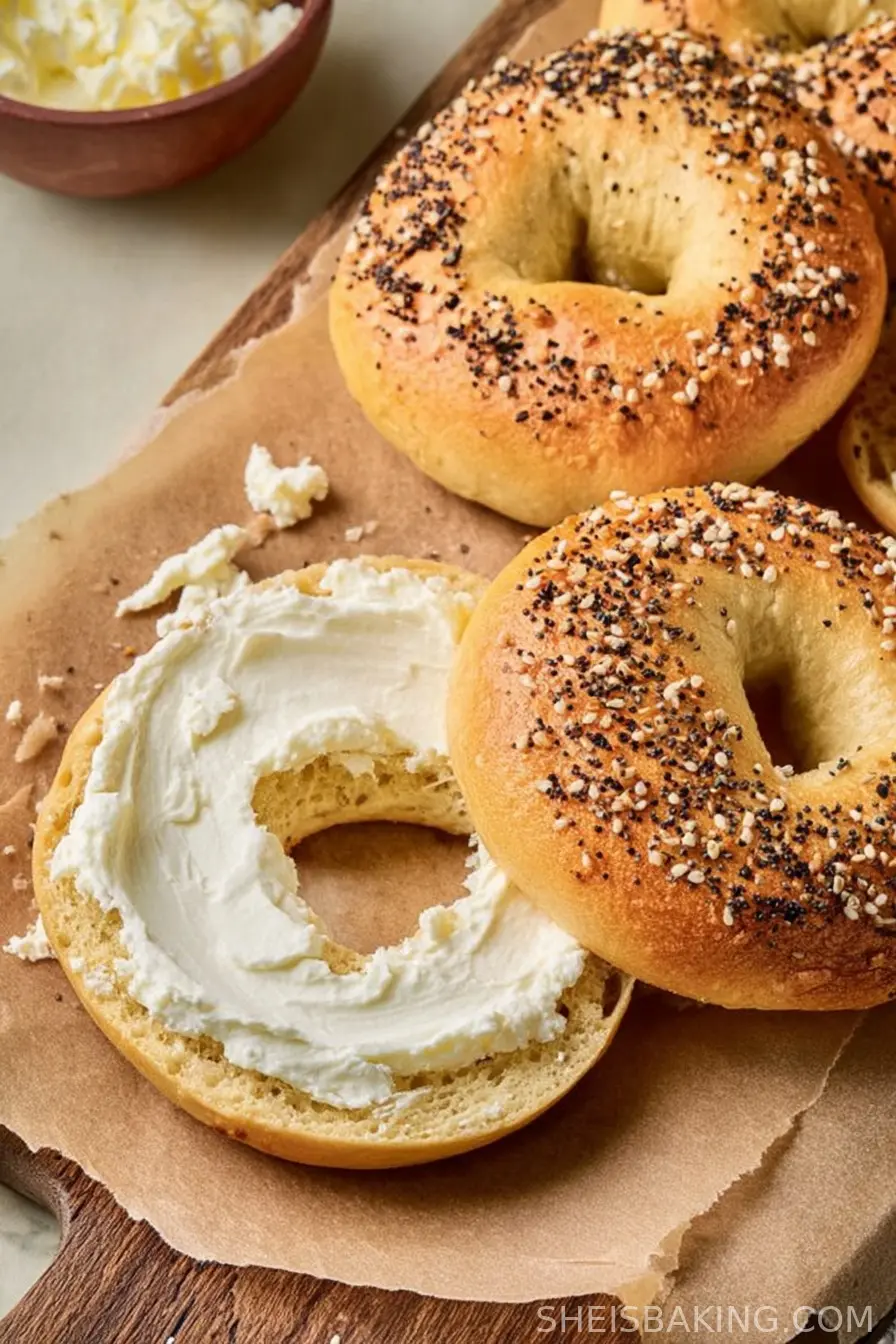
Traditionally, bagels originated in Central and Eastern Europe and became popular in American bakeries for their dense texture and glossy crust. For many, however, the classic wheat-based bagel isn't a fit due to gluten sensitivities or dietary preferences.
Enter almond flour, a remarkable low-carb, high-nutrient alternative that brings new life to this iconic bread. Almond Flour Bagels with Cottage Cheese are ideal not only for gluten-free diets but also for those seeking extra protein, fewer carbohydrates, and a deliciously rich flavor.
Whether you are exploring low-carb baking for health reasons or just want a unique twist on a beloved bakery treat, these bagels deliver. Enjoy their aroma as they bake and savor the perfect pairing of almond and cottage cheese in every bite.
With straightforward steps, accessible ingredients, and endless topping and serving options, Almond Flour Bagels with Cottage Cheese will quickly become a favorite in your kitchen, satisfying both your craving for comfort food and your commitment to healthy eating.
Ingredients
- 2 cups almond flour (finely ground)
- 1 cup cottage cheese (full-fat recommended for best texture)
- 2 large eggs (room temperature)
- 2 tablespoons psyllium husk powder (for structure and chewiness)
- 1 tablespoon baking powder (gluten-free, aluminum-free preferred)
- ½ teaspoon sea salt
- 1 tablespoon honey or maple syrup (optional, for mildly sweet flavor)
- 1 teaspoon apple cider vinegar
- Sesame seeds, poppy seeds, or everything bagel seasoning for topping
- Nonstick cooking spray or parchment paper
Instructions
- Preheat your oven to 375°F (190°C). Line a baking sheet with parchment paper or lightly spray it with nonstick cooking spray to prevent sticking.
- In a medium mixing bowl, combine the almond flour, psyllium husk powder, baking powder, and sea salt. Stir until the dry ingredients are evenly mixed.
- In a separate bowl, whisk together the eggs, cottage cheese, honey or maple syrup, and apple cider vinegar until smooth and well integrated.
- Add the wet mixture to the dry ingredients. Stir until a thick but cohesive dough forms. Let the dough rest for 2-3 minutes; this allows the psyllium husk to absorb moisture and create a bagel-like texture.
- Divide the dough into 6 equal portions. With moistened hands (to prevent sticking), shape each portion into a ball, then flatten slightly and use your finger to create a hole in the center, forming a bagel shape.
- Place each shaped bagel on the prepared baking sheet, spacing them about 2 inches apart. If desired, brush the tops with a little water or egg wash and sprinkle with your choice of toppings such as sesame seeds, poppy seeds, or everything bagel seasoning.
- Bake in the preheated oven for 23-28 minutes or until the bagels are golden brown on top and set in the center.
- Remove from the oven and allow the bagels to cool on the sheet for 5 minutes before transferring to a wire rack. Cool completely before slicing to avoid a gummy texture.
- Store any leftovers in an airtight container in the refrigerator for up to 4 days, or freeze for up to 2 months. Toast before serving for best flavor and texture.
Nutritional Information
Almond Flour Bagels with Cottage Cheese are not only delicious but also offer a smart and wholesome alternative to traditional bagels. Each serving, assuming the recipe makes six bagels, has an estimated nutritional value of approximately 200 to 220 calories.
This is significantly lower than a conventional wheat bagel and comes with the added benefit of being gluten-free, making it suitable for those with celiac disease or gluten intolerance.
The almond flour base ensures each bagel is rich in healthy monounsaturated fats, contributing about 15g of fat per serving, most of which are heart-healthy rather than saturated.
You'll also benefit from 8-10g of protein per bagel, thanks largely to the inclusion of cottage cheese and eggs, making these bagels more satiating and aligned with high-protein dietary goals.
Additionally, almond flour is a great source of vitamin E, magnesium, and fiber, while psyllium husk increases dietary fiber for improved digestive health. Carbohydrates are kept to around 5-7g net per serving, catering perfectly to low-carb and keto diets.
Sodium remains balanced, provided you opt for low-salt cottage cheese and mindful seasoning. These bagels are also lower in sugar content, especially when omitting added honey or sweetener, and contain a moderate amount of calcium, phosphorus, and B-vitamins, supporting overall wellness.
This nutritional profile makes Almond Flour Bagels with Cottage Cheese a standout choice for anyone prioritizing nutrient density, blood sugar management, and balanced energy throughout the day.
Wine and Beverage Pairings
The best beverages to pair with Almond Flour Bagels with Cottage Cheese depend on your serving style and meal occasion. For a classic breakfast, a cup of robust coffee or a creamy cappuccino enhances the nutty flavors of the almond flour.
Herbal teas such as chamomile or lemon-ginger provide soothing, caffeine-free alternatives ideal for a mid-morning snack. For a special brunch, a sparkling mimosa or glass of fresh orange juice adds a refreshing citrus note that balances the rich, savory taste of the bagels.
If planning a lunch or light dinner with these bagels, a chilled, crisp white wine such as Sauvignon Blanc or Pinot Grigio pairs beautifully, cutting through the creaminess of the cottage cheese and highlighting the almond undertones.
For non-alcoholic choices, almond milk, kefir, or even a green smoothie offer nutritious, complementary sips that make any meal with these bagels feel complete.
Cooking Tips and Variations
Achieving perfect Almond Flour Bagels with Cottage Cheese involves a few essential tips for both beginners and seasoned bakers. First, always use finely ground almond flour rather than almond meal; this produces a lighter and less gritty crumb.
If possible, let the eggs and cottage cheese reach room temperature before mixing-this ensures better blending and even baking. To avoid dense bagels, measure ingredients especially the almond flour and psyllium husk, with care. Psyllium husk is key for providing structure and that classic chew, so don't skip this ingredient.
For those who prefer a sweeter style bagel, try adding a touch more honey or a sprinkle of cinnamon. If you are dairy-sensitive, lactose-free cottage cheese can be substituted in equal amounts.
Try different toppings before baking: everything bagel seasoning, dried herbs, seeds, or even a sprinkle of shredded parmesan for a cheesy crust. To make mini bagels, simply divide the dough into 8-10 pieces and reduce baking time by 5 minutes.
For a vegan version, use vegan cottage cheese and a flax egg substitute (mix 2 tablespoons ground flaxseed with 5 tablespoons water for two eggs). Finally, always allow bagels to cool completely before slicing to ensure a chewy, non-gummy texture.
Experiment with filling the bagel holes for stuffed bagels, adding sautéed onions, or integrating chopped chives for extra flavor.

Serving Suggestions
There are endless ways to serve Almond Flour Bagels with Cottage Cheese, making them a versatile addition to your meal repertoire. For a nutritious breakfast, slice a bagel in half and toast lightly before layering with avocado slices, tomato, and a sprinkle of black pepper for a fresh, energizing start.
These bagels also stand up well as a base for classic bagel sandwiches-try smoked salmon, cucumber ribbons, and red onion for a gluten-free take on a lox and bagel platter, or fill with turkey and leafy greens for a protein-packed lunch.
At brunch buffets, cut the bagels into halves or quarters and arrange with a variety of spreads such as whipped cream cheese, hummus, or nut butter to please every palate. For a sweet twist, top with almond butter, honey, or berry compote.
When serving to guests, offer a topping station with options like crumbled feta, chopped herbs, or roasted peppers for a DIY bagel bar. These bagels also freeze well, so you can keep a stash ready for busy weekdays or spontaneous get-togethers.
Simply thaw or toast before serving and enjoy the fresh flavor as if they were just baked. Their sturdy texture also makes them an excellent alternative for mini sandwich sliders at parties or as a grab-and-go snack.
However you serve them, Almond Flour Bagels with Cottage Cheese invite creativity and satisfaction to your table.
Health Benefits
Almond Flour Bagels with Cottage Cheese offer substantial health benefits that make them a smarter choice for modern diets. Their base of almond flour is rich in vitamin E, an antioxidant that protects cells, and contains magnesium, which plays a role in muscle and nerve function.
Compared to wheat flour, almond flour is notably lower in carbohydrates and higher in fiber and protein, supporting better blood sugar balance and aiding in satiety and weight management.
Cottage cheese supplies a generous dose of protein and calcium, promoting muscle repair and bone health, especially important for active individuals and aging adults. This combination of protein and healthy fats slows digestion, preventing sharp spikes in blood glucose-a particular advantage for people managing diabetes or insulin resistance.
Additionally, the psyllium husk in the recipe adds soluble fiber, credited with lowering cholesterol and improving digestive health. With minimal sugar and the absence of artificial additives or preservatives, these bagels align perfectly with clean eating principles.
They also fit many dietary needs, including gluten-free, low-carb, and high-protein eating styles, and are naturally more satiating compared to traditional bagels. For those tracking macronutrients or pursuing balanced nutrition, Almond Flour Bagels with Cottage Cheese offer a delicious, nourishing foundation without sacrificing flavor or indulgence.
Frequently Asked Questions
Yes, you can use low-fat or even lactose-free cottage cheese, though full-fat cottage cheese will yield the richest texture and flavor.
While Almond Flour Bagels with Cottage Cheese have a nutty, subtly sweet flavor and chewy texture similar to bagels, they are distinct due to the almond flour and cottage cheese base.
Store cooled bagels in an airtight container in the refrigerator for up to four days. For longer storage, freeze and toast before serving.
Absolutely. Replace cottage cheese with a vegan alternative and use flax eggs (2 tablespoons ground flaxseed with 5 tablespoons water) in place of regular eggs.
Psyllium husk provides the structure and chewiness usually achieved with gluten, making the bagels hold their shape and feel more like traditional bagels.
Almond Flour Bagels with Cottage Cheese bring together the hearty satisfaction of classic bagels with the benefits of modern, health-conscious ingredients. Their combination of almond flour, cottage cheese, and psyllium creates a naturally gluten-free baked good that doesn't compromise on taste, texture, or versatility. Whether you seek a nourishing breakfast, a protein-rich snack, or a flavorful addition to brunch, these bagels deliver every time. Easy to make and endlessly adaptable, they allow you to get creative with toppings, fillings, and serving styles. Healthful, delicious, and simple, Almond Flour Bagels with Cottage Cheese are sure to become a staple in kitchens looking for comfort and nutrition in every bite.
Ingredients
- 2 cups almond flour (finely ground)
- 1 cup cottage cheese (full-fat recommended for best texture)
- 2 large eggs (room temperature)
- 2 tablespoons psyllium husk powder (for structure and chewiness)
- 1 tablespoon baking powder (gluten-free, aluminum-free preferred)
- ½ teaspoon sea salt
- 1 tablespoon honey or maple syrup (optional, for mildly sweet flavor)
- 1 teaspoon apple cider vinegar
- Sesame seeds, poppy seeds, or everything bagel seasoning for topping
- Nonstick cooking spray or parchment paper
Instructions
-
1Preheat your oven to 375°F (190°C). Line a baking sheet with parchment paper or lightly spray it with nonstick cooking spray to prevent sticking.
-
2In a medium mixing bowl, combine the almond flour, psyllium husk powder, baking powder, and sea salt. Stir until the dry ingredients are evenly mixed.
-
3In a separate bowl, whisk together the eggs, cottage cheese, honey or maple syrup, and apple cider vinegar until smooth and well integrated.
-
4Add the wet mixture to the dry ingredients. Stir until a thick but cohesive dough forms. Let the dough rest for 2-3 minutes; this allows the psyllium husk to absorb moisture and create a bagel-like texture.
-
5Divide the dough into 6 equal portions. With moistened hands (to prevent sticking), shape each portion into a ball, then flatten slightly and use your finger to create a hole in the center, forming a bagel shape.
-
6Place each shaped bagel on the prepared baking sheet, spacing them about 2 inches apart. If desired, brush the tops with a little water or egg wash and sprinkle with your choice of toppings such as sesame seeds, poppy seeds, or everything bagel seasoning.
-
7Bake in the preheated oven for 23-28 minutes or until the bagels are golden brown on top and set in the center.
-
8Remove from the oven and allow the bagels to cool on the sheet for 5 minutes before transferring to a wire rack. Cool completely before slicing to avoid a gummy texture.
-
9Store any leftovers in an airtight container in the refrigerator for up to 4 days, or freeze for up to 2 months. Toast before serving for best flavor and texture.
Approximate Information for One Serving
Nutrition Disclaimers
Number of total servings shown is approximate. Actual number of servings will depend on your preferred portion sizes.
Nutritional values shown are general guidelines and reflect information for 1 serving using the ingredients listed, not including any optional ingredients. Actual macros may vary slightly depending on specific brands and types of ingredients used.
To determine the weight of one serving, prepare the recipe as instructed. Weigh the finished recipe, then divide the weight of the finished recipe (not including the weight of the container the food is in) by the desired number of servings. Result will be the weight of one serving.
Did you make this recipe?
Please consider Pinning it!


Leave a Reply