
Homemade Greek Pita Bread Recipe is the cornerstone of many Mediterranean dishes and offers a soft, pillowy texture that cannot be matched by store-bought versions. This staple bread has roots tracing back thousands of years in Greece and neighboring regions, symbolizing unity, hospitality, and culinary tradition.
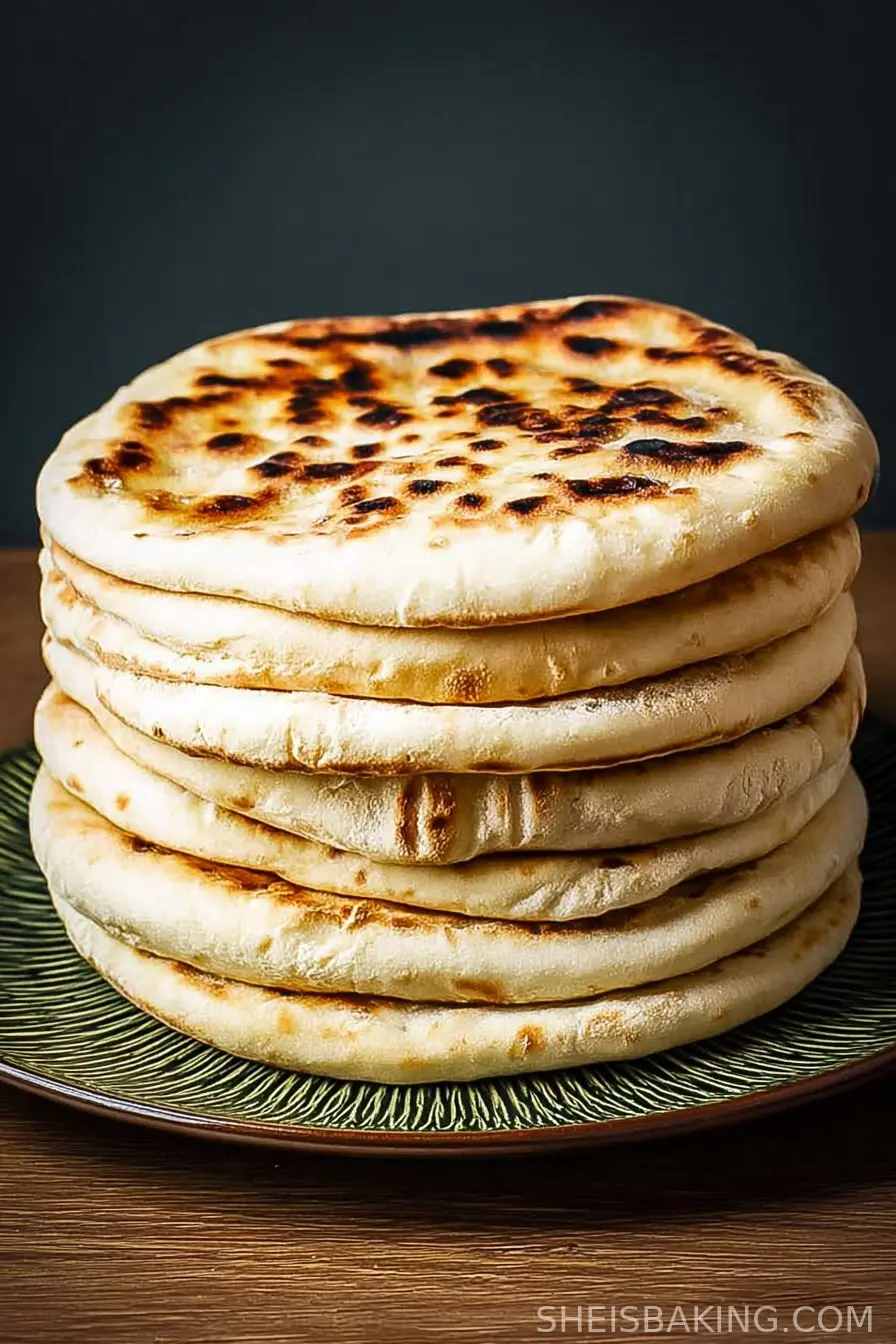
Pita bread, or "pita" as it's known in Greece, is much more than an accompaniment; it is a vital component in dishes such as gyros, souvlaki, and appetizers like dips and spreads.
Whether torn and dipped into creamy tzatziki or wrapped around juicy grilled meat, its airy pockets and chewy yet soft bite elevate any meal.
Utilizing basic ingredients such as flour, yeast, water, olive oil, salt, and a touch of sugar, the magic lies in the method-kneading, resting, and baking at high heat to achieve those signature pockets.
Making your own Greek Pita Bread at home lets you control the texture and flavor, ensuring freshness and authenticity. This Homemade Greek Pita Bread Recipe is designed for both beginners and bread enthusiasts.
It offers an approachable way to master the art of pita bread, resulting in flatbreads that are soft, flexible, and perfect for all your Mediterranean favorites. Elevate your homemade meals and experience the genuine taste and aroma of Greek cuisine right from your own kitchen.
Ingredients
- 3 ½ cups all-purpose flour (plus more for dusting)
- 1 cup warm water (about 110°F/43°C)
- 2 tablespoons extra virgin olive oil
- 1 packet (2 ¼ teaspoons) active dry yeast
- 1 teaspoon granulated sugar
- 1 teaspoon sea salt
Instructions
- In a large bowl, dissolve the sugar in the warm water. Sprinkle the yeast over the top and allow it to sit for 5-10 minutes until foamy.
- Stir in the olive oil and salt. Gradually add the flour, one cup at a time, mixing with a wooden spoon or your hands until a sticky dough forms.
- Transfer the dough to a floured surface. Knead thoroughly for 8-10 minutes, adding flour as needed, until the dough is smooth and elastic.
- Place the dough in a lightly greased bowl, cover with a clean cloth or plastic wrap, and let it rise in a warm, draft-free area for 1 to 1.5 hours or until doubled in size.
- Punch down the dough to release air. Turn it onto a floured surface and divide it into 8 even portions.
- Roll each piece into a ball, then use a rolling pin to flatten each ball into a round disc about ¼-inch thick.
- Cover the rounds with a dry towel and let them rest while you preheat a heavy skillet, cast iron pan, or oven to 475°F (245°C).
- Place each round into the preheated skillet or on a baking stone/tray. Cook or bake for 2-3 minutes per side, or until puffed and lightly golden.
- Remove the pita bread and wrap in a clean towel to keep warm and soft.
- Repeat with all portions. Serve warm with your favorite dips or fillings.
Nutritional Information
Homemade Greek Pita Bread is a healthy alternative to heavily processed store-bought bread. Each pita contains roughly 160-180 calories, depending on size and specific ingredients. The majority of calories come from complex carbohydrates, offering a steady source of energy.
With only a modest amount of olive oil, each serving has approximately 2.5-3 grams of fat, much of which is heart-healthy monounsaturated fat. Protein content, largely from the flour, ranges from 4-5 grams per pita, supporting muscle repair and satiety.
Sodium levels are moderate, customizable to individual dietary needs by adjusting the salt in the recipe. Unlike commercial versions, this recipe uses no preservatives or additives, making it a cleaner option for daily enjoyment.
By using whole wheat flour instead of all-purpose, you can add fiber and additional micronutrients, further boosting the bread's nutritional profile. Pita is naturally dairy-free and can be made vegan as well.
Enjoying Homemade Greek Pita Bread as part of a balanced diet provides energy, essential nutrients, and satisfies your bread cravings in a wholesome way.
Wine and Beverage Pairings
Homemade Greek Pita Bread pairs wonderfully with light, refreshing beverages. Enjoy it with a crisp white wine such as Assyrtiko or Sauvignon Blanc, which complement its mild flavor and Mediterranean vibe. For non-alcoholic options, try sparkling water infused with lemon and mint, or a chilled herbal iced tea.
Greek ouzo or light beer can also accompany a mezze platter featuring pita bread. These drinks enhance the overall dining experience and harmonize with the bread's light, yet satisfying, character.
Cooking Tips and Variations
For the fluffiest Homemade Greek Pita Bread, ensure your yeast is fresh and your water is warm, but not hot, to activate the yeast without killing it. Give your dough enough time to rise in a draft-free area - patience leads to better texture.
When rolling out the dough, keep each disc evenly thick so they puff up uniformly. If you enjoy whole grain flavors or a more robust nutritional profile, replace half of the all-purpose flour with whole wheat flour.
Brushing the pitas with a touch of olive oil before cooking adds flavor and helps prevent sticking. If you like a slightly crisp edge, bake your pita a little longer but keep a close eye to prevent over-browning.
For those without a cast iron pan or baking stone, a hot baking tray works well. You can also add herbs like oregano or thyme to the dough for a fragrant twist or sprinkle sesame seeds on top before baking.
Store leftovers in a clean kitchen towel to maintain softness, or freeze them in an airtight bag for up to two months. Thaw and reheat as needed, ensuring you always have soft, fresh Greek Pita Bread ready to enjoy.

Serving Suggestions
Homemade Greek Pita Bread is incredibly versatile and truly shines as part of a Mediterranean spread. Serve warm pitas alongside a selection of dips such as tzatziki, hummus, melitzanosalata, and skordalia for an appetizer or mezze board guests will savor.
The soft pockets easily cradle fillings, making pita the perfect vessel for gyros, souvlaki, falafel, or grilled vegetables. For a fresh spin, fill with crisp lettuce, ripe tomatoes, thinly sliced onions, and your favorite proteins for a healthy wrap.
Tear into pieces to scoop up stews, salads, or creamy spreads at family meals. At picnics, pitas offer a portable solution, keeping snacks and sandwiches simple yet delicious.
When serving at dinner parties, arrange warm pita triangles in a bread basket and sprinkle with fresh herbs or a drizzle of olive oil for added appeal.
No matter how you use it, homemade Greek Pita Bread brings warmth, flavor, and a touch of Mediterranean hospitality to any table, turning even a simple meal into something memorable.
Health Benefits
Making Homemade Greek Pita Bread comes with numerous health benefits. Unlike commercial bread, which often contains preservatives, artificial flavors, and unnecessary sugars, this homemade version is made with simple, wholesome ingredients. Using extra virgin olive oil introduces heart-healthy fats that support cardiovascular health.
The dough primarily features complex carbohydrates, providing long-lasting energy without the blood sugar spikes associated with processed bread. For those looking to boost the bread's fiber content, swapping in whole wheat flour supports digestive health and increases satiation.
The absence of dairy and eggs makes this recipe suitable for vegan diets. Additionally, the modest sodium and absence of trans fats make this pita a better choice for blood pressure and overall health.
Incorporating more homemade foods like Greek pita bread can reduce your reliance on highly processed options and increase your intake of vital nutrients and minerals. When paired with lean proteins and plenty of vegetables, Homemade Greek Pita Bread becomes part of a balanced, heart-healthy Mediterranean diet.
Frequently Asked Questions
To create those signature air pockets, ensure your dough is rolled to an even ¼-inch thickness, and the oven or pan is preheated to a high temperature. Rapid baking in a hot environment causes the dough to puff up and separate in the center, forming the perfect pocket.
Yeast is essential for the characteristic texture and rise of traditional Greek pita bread. However, for a yeast-free option, you can try baking soda or baking powder, but the texture will resemble a flatbread rather than have true pockets.
Wrap cooled pita breads in a clean kitchen towel and place them in an airtight container or bag. Store at room temperature for up to two days, or freeze for longer storage. Thaw and reheat briefly before serving to restore their softness.
Yes, you can substitute up to half or even all the all-purpose flour with whole wheat flour. This increases fiber content and adds a nutty flavor. For the softest results, start with a 50/50 blend before adjusting to taste.
There are a few reasons pita bread may not puff up: dough that's too thick, insufficient oven/pan heat, or under-kneading. Ensure your dough is rolled evenly, your oven or skillet is fully preheated, and the dough is adequately kneaded and rested to develop the necessary gluten structure.
Mastering a Homemade Greek Pita Bread Recipe brings the authentic flavors and warmth of the Mediterranean into your home. Soft and tender, yet sturdy enough to hold savory fillings or dips, these pitas are perfect for any occasion. By making pita bread from scratch, you enjoy better taste, texture, and nutrition than most store-bought options. This versatile bread invites creativity, whether enjoyed traditional-style with dips and meats, or in modern wraps and sandwiches. With a few simple ingredients and some love, you can transform your table and elevate your homemade Mediterranean meals. Try this recipe today, and discover the joy of real Greek pita bread made fresh in your own kitchen.
Ingredients
- 3 ½ cups all-purpose flour (plus more for dusting)
- 1 cup warm water (about 110°F/43°C)
- 2 tablespoons extra virgin olive oil
- 1 packet (2 ¼ teaspoons) active dry yeast
- 1 teaspoon granulated sugar
- 1 teaspoon sea salt
Instructions
-
1In a large bowl, dissolve the sugar in the warm water. Sprinkle the yeast over the top and allow it to sit for 5-10 minutes until foamy.
-
2Stir in the olive oil and salt. Gradually add the flour, one cup at a time, mixing with a wooden spoon or your hands until a sticky dough forms.
-
3Transfer the dough to a floured surface. Knead thoroughly for 8-10 minutes, adding flour as needed, until the dough is smooth and elastic.
-
4Place the dough in a lightly greased bowl, cover with a clean cloth or plastic wrap, and let it rise in a warm, draft-free area for 1 to 1.5 hours or until doubled in size.
-
5Punch down the dough to release air. Turn it onto a floured surface and divide it into 8 even portions.
-
6Roll each piece into a ball, then use a rolling pin to flatten each ball into a round disc about ¼-inch thick.
-
7Cover the rounds with a dry towel and let them rest while you preheat a heavy skillet, cast iron pan, or oven to 475°F (245°C).
-
8Place each round into the preheated skillet or on a baking stone/tray. Cook or bake for 2-3 minutes per side, or until puffed and lightly golden.
-
9Remove the pita bread and wrap in a clean towel to keep warm and soft.
-
10Repeat with all portions. Serve warm with your favorite dips or fillings.
Approximate Information for One Serving
Nutrition Disclaimers
Number of total servings shown is approximate. Actual number of servings will depend on your preferred portion sizes.
Nutritional values shown are general guidelines and reflect information for 1 serving using the ingredients listed, not including any optional ingredients. Actual macros may vary slightly depending on specific brands and types of ingredients used.
To determine the weight of one serving, prepare the recipe as instructed. Weigh the finished recipe, then divide the weight of the finished recipe (not including the weight of the container the food is in) by the desired number of servings. Result will be the weight of one serving.
Did you make this recipe?
Please consider Pinning it!


Leave a Reply