
Nothing encapsulates the essence of New York quite like its iconic bagels. With their shiny, crisp golden crust and wonderfully chewy interiors, New York style bagels have earned the adoration of both locals and visitors.
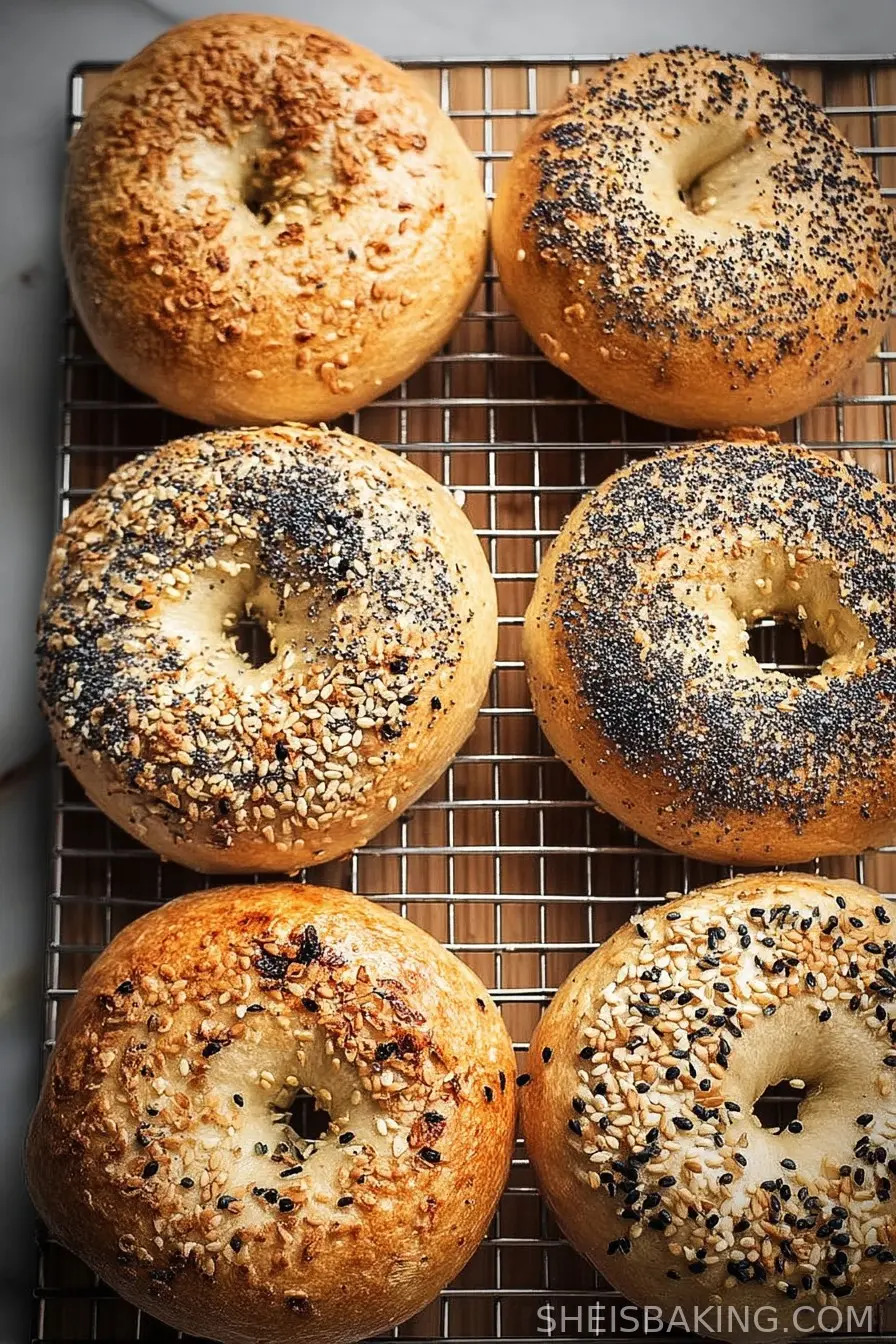
These bagels trace their heritage to Jewish immigrants in the late 19th and early 20th centuries who brought their bagel-making traditions to the city. Over time, New York perfected the formula-resulting in what many believe to be the world's best bagel.
The secret lies in their unique texture, achieved by boiling the dough before baking, thereby creating the signature chew and glossy finish. Whether enjoyed plain, topped with a generous smear of cream cheese, or stacked with smoked salmon and capers, a fresh bagel is a culinary pleasure.
Crafting homemade bagels may seem daunting, but with this comprehensive New York Style Bagel Recipe, you'll transform your kitchen into an artisanal bakery. This recipe provides an authentic method, from proper kneading to optimal rising, and includes details such as boiling with optional barley malt syrup for that unrivaled flavor.
Join the tradition and learn how to create this classic breakfast staple with step-by-step precision, ensuring every bite transports you to the bustling streets of Manhattan.
Ingredients
- 1⅓ cups room temperature water (320 grams)
- 2¼ teaspoons instant yeast (7 grams or 1 packet)
- 1 tablespoon sugar (12 grams)
- 3½ cups bread flour (520 grams)
- 2 teaspoons kosher salt (10 grams)
- 4-6 cups water for the boiling water bath (enough to fill a wide pan halfway)
- 2 tablespoons barley malt syrup, honey, or brown sugar (optional, for boiling water)
- 1 egg (beaten)
- 3 tablespoons sesame seeds
- 3 tablespoons everything bagel seasoning
- 3 tablespoons poppy seeds
Instructions
- To begin, pour the room temperature water, instant yeast, and sugar into the bowl of a stand mixer. Gently stir these ingredients to dissolve the yeast and sugar, setting the stage for activation. This step ensures that the yeast starts fermenting, promoting a good rise and flavor in your bagels.
- Next, add the bread flour and kosher salt to the mixture. Using your stand mixer equipped with a dough hook, mix on medium-low speed until a dough forms and pulls away from the sides of the bowl. If mixing by hand, turn the combined ingredients onto a clean surface and knead sinewously for at least 8 to 10 minutes. Thorough kneading is essential to develop gluten, giving your bagels their renowned chewiness and structure.
- Once the dough becomes smooth, elastic, and slightly tacky, shape it into a ball. Place it into a large, lightly oiled bowl to prevent sticking. Cover the bowl with a damp cloth or plastic wrap and let the dough rise in a warm, draft-free place for about 1 to 1.5 hours. During this time, the dough should double in volume, as the yeast generates air bubbles crucial for bagel texture.
- After the dough has risen, punch it down gently to release excess gas. Tip it onto your work surface and divide it into 6 equal portions for larger bagels, or 9 pieces for smaller ones. Shape each portion into a taut ball by rolling it under your palm, then let the balls rest for 10 minutes. This rest allows the gluten to relax, making shaping the next step easier.
- To form each bagel, poke your index finger through the center of each dough ball to create a hole. Gently use both index fingers to enlarge the hole, stretching each ball into a ring shape. Aim for an evenly sized hole of about 1.5 inches, so the bagels maintain shape while baking.
- Preheat your oven to 425°F (220°C). Line a large baking sheet with parchment paper and sprinkle some of your selected toppings, such as sesame seeds, everything bagel seasoning, or poppy seeds, over the surface. This will help form a flavorful crust on the undersides of your bagels during baking.
- While the oven preheats, fill a wide, deep saucepan with 4-6 cups of water, ensuring it is about halfway full. Bring the water to a gentle boil, then stir in the optional barley malt syrup, honey, or brown sugar, which gives a subtle sweetness and that iconic bagel flavor. Working in batches, carefully lower the shaped bagels into the boiling water. Boil each side for 1 to 2 minutes-less time results in a lighter crumb, while longer boiling makes for a chewier interior. Use a slotted spoon to flip and remove the boiled bagels, placing them directly onto the prepared baking sheet on top of your chosen crust-forming toppings.
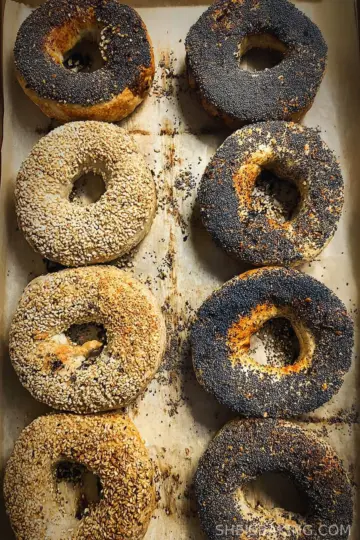
- As soon as the boiled bagels are arranged on the baking sheet and still moist from boiling, brush each one with the beaten egg. This egg wash promotes a glossy crust and acts as an adhesive for the toppings. Generously sprinkle more sesame seeds, everything bagel seasoning, or poppy seeds on top according to your taste.
- Transfer the baking sheet to the preheated oven. Bake for 20 to 25 minutes, rotating once halfway through for even browning. You'll know the bagels are done when they turn a deep golden brown and sound hollow when lightly tapped. Allow them to cool on a wire rack for several minutes before serving, savoring their irresistible aroma and crackling crust.
Nutritional Information
New York style bagels are a robust source of energy, primarily due to their complex carbohydrates from bread flour. A single homemade bagel made with this recipe typically contains around 250 to 300 calories, predominantly from carbohydrates and a modest amount from protein and fat.
Bread flour is rich in gluten, which not only creates the signature chewy texture but also adds a protein boost to your daily intake. With each bagel, you also benefit from minerals such as iron and B vitamins, thanks to the unbleached, enriched flour commonly used.
Using an egg wash increases vitamin B12 and adds trace amounts of healthy fats. Incorporating toppings like sesame and poppy seeds introduces healthy fats and fiber, while everything bagel seasoning can supply antioxidant-rich herbs and seeds.
Since homemade bagels allow you to control the amount of sugar and sodium, they're a healthier alternative to many store-bought options, which may contain preservatives. For those watching sodium, using kosher salt instead of table salt helps regulate sodium content.
Finally, boiling the bagels briefly in water produces a lower-fat product than those baked with added fats or oils, making homemade New York style bagels a well-balanced, hearty treat.

Wine and Beverage Pairings
Classic beverage pairings for New York style bagels include freshly brewed black coffee or a rich café latte, both of which complement the bagel's chewy, hearty nature. For a traditional New York breakfast, pair a warm bagel with freshly squeezed orange juice, balancing the savory and slightly sweet notes.
If serving bagels with smoked salmon and cream cheese, a light, bright sparkling wine such as Prosecco or a crisp Sauvignon Blanc can elevate the brunch experience.
For tea lovers, a cup of robust English breakfast tea or even a delicate green tea pairs beautifully, especially with bagels topped with lighter spreads. For a kid-friendly option, serve with chocolate milk or a fruit smoothie for a wholesome treat.
Cooking Tips and Variations
To ensure your bagels achieve their authentic New York style character, always use bread flour; its higher protein content contributes to a dense, chewy crumb. Kneading cannot be rushed-take the full 8 to 10 minutes so the gluten network forms appropriately.
When boiling, add barley malt syrup if possible, as it infuses the dough with a signature hint of sweetness and helps create that beautiful golden sheen. If you don't have barley malt syrup, honey or brown sugar are good substitutes for flavor and color.
Be mindful not to overcrowd your pot while boiling-the bagels need space to expand and cook evenly. For variations, experiment with different toppings such as dried onion flakes, coarse sea salt, or shredded cheese for a twist on tradition.
If you prefer whole wheat bagels, swap up to half the bread flour for whole wheat flour, noting this will yield a slightly denser product. You can even stuff bagels before boiling with ingredients like softened cream cheese or roasted garlic for a gourmet touch.
Always allow the shaped bagels a brief rest before boiling; this helps them hold their structure. Finally, for a softer crust, slightly reduce the boiling time, though traditionalists may prefer the chewier bite produced by boiling for the full two minutes per side.

Serving Suggestions
Serving your homemade New York style bagels opens up a world of culinary creativity. Start by enjoying them fresh out of the oven, with a slather of plain or flavored cream cheese-a classic approach adored by bagel enthusiasts everywhere.
For a savory breakfast, slice your bagel horizontally and add smoked salmon, red onions, capers, and a squeeze of lemon for a quintessential New York deli experience.
Alternatively, create a hearty bagel sandwich by choosing fillings such as scrambled eggs, bacon, and cheddar or layer avocado, sliced tomatoes, and sprouts for a veggie delight. Bagels are also perfect as the base for pizza: simply toast, top with marinara sauce, cheese, and desired toppings, then broil briefly.
Sweet lovers can enjoy them toasted with butter and fruit preserves or a touch of cinnamon and honey. For gatherings, serve a bagel platter with an array of spreads, cheeses, and toppings so guests can customize their own.
Always slice bagels safely using a serrated knife and store leftovers in a paper bag for a crisp crust or in a plastic bag for a softer texture. If you can't finish them in a day or two, freeze sliced bagels for convenient toasting later on.
No matter your preference, presenting freshly baked New York style bagels is sure to impress family and friends alike.
Health Benefits
Homemade New York style bagels offer several health benefits, especially compared to mass-produced alternatives. By using bread flour and controlling the ingredients, you can ensure your bagels are free from additives and unnecessary preservatives. The complex carbohydrates found in these bagels provide lasting energy throughout your morning or midday meal.
Including toppings such as sesame and poppy seeds introduces healthy unsaturated fats, fiber, and trace minerals like calcium, magnesium, and zinc. Eggs in the wash contribute a modest amount of high-quality protein and vitamins.
When prepared at home, bagels can be tailored to dietary needs-reducing sugar or salt as desired or swapping in whole grain flours for extra fiber. Serving with healthy toppings like lean proteins, fresh vegetables, or low-fat cheese increases the nutritional balance of your meal.
While bagels are considered an indulgence by some due to their carb content, pairing them with nutrient-dense sides turns them into a wholesome, satisfying choice.
Frequently Asked Questions
Boiling bagels gelatinizes the starches on their surface, creating a shiny, chewy crust. This process also helps maintain the bagels' signature dense texture during baking.
While all-purpose flour can be used in a pinch, bread flour is preferred for higher gluten content, which gives New York style bagels their unique chewiness and structure.
Barley malt syrup adds subtle sweetness and helps achieve the classic color and flavor of traditional New York bagels. Honey or brown sugar can also be used as alternatives.
Store bagels in a paper bag to preserve their crust, or in a plastic bag for a softer texture. For longer storage, slice and freeze bagels, reheating in the toaster as needed.
Yes, you can refrigerate the shaped bagel dough overnight before boiling and baking. This slow fermentation enhances flavor and convenience for fresh bagels in the morning.
Making authentic New York style bagels at home is a rewarding culinary experience, blending tradition, flavor, and hands-on craftsmanship. By following this detailed New York Style Bagel Recipe, you achieve the iconic chewy texture and crackling crust that have made these bagels world-famous. Whether you serve them with classic cream cheese, indulgent fillings, or simply toasted with a pat of butter, each bagel carries a bit of New York's vibrant food culture to your table. Experiment with toppings, shapes, and fillings to customize your creation and enjoy freshly baked bagels that surpass any store-bought alternative. There's truly nothing like the aroma and taste of homemade bagels, made with care and shared with friends and family.
Ingredients
- 1⅓ cups room temperature water (320 grams)
- 2¼ teaspoons instant yeast (7 grams or 1 packet)
- 1 tablespoon sugar (12 grams)
- 3½ cups bread flour (520 grams)
- 2 teaspoons kosher salt (10 grams)
- 4-6 cups water for the boiling water bath (enough to fill a wide pan halfway)
- 2 tablespoons barley malt syrup, honey, or brown sugar (optional, for boiling water)
- 1 egg (beaten)
- 3 tablespoons sesame seeds
- 3 tablespoons everything bagel seasoning
- 3 tablespoons poppy seeds
Instructions
-
1To begin, pour the room temperature water, instant yeast, and sugar into the bowl of a stand mixer. Gently stir these ingredients to dissolve the yeast and sugar, setting the stage for activation. This step ensures that the yeast starts fermenting, promoting a good rise and flavor in your bagels.
-
2Next, add the bread flour and kosher salt to the mixture. Using your stand mixer equipped with a dough hook, mix on medium-low speed until a dough forms and pulls away from the sides of the bowl. If mixing by hand, turn the combined ingredients onto a clean surface and knead sinewously for at least 8 to 10 minutes. Thorough kneading is essential to develop gluten, giving your bagels their renowned chewiness and structure.
-
3Once the dough becomes smooth, elastic, and slightly tacky, shape it into a ball. Place it into a large, lightly oiled bowl to prevent sticking. Cover the bowl with a damp cloth or plastic wrap and let the dough rise in a warm, draft-free place for about 1 to 1.5 hours. During this time, the dough should double in volume, as the yeast generates air bubbles crucial for bagel texture.
-
4After the dough has risen, punch it down gently to release excess gas. Tip it onto your work surface and divide it into 6 equal portions for larger bagels, or 9 pieces for smaller ones. Shape each portion into a taut ball by rolling it under your palm, then let the balls rest for 10 minutes. This rest allows the gluten to relax, making shaping the next step easier.
-
5To form each bagel, poke your index finger through the center of each dough ball to create a hole. Gently use both index fingers to enlarge the hole, stretching each ball into a ring shape. Aim for an evenly sized hole of about 1.5 inches, so the bagels maintain shape while baking.
-
6Preheat your oven to 425°F (220°C). Line a large baking sheet with parchment paper and sprinkle some of your selected toppings, such as sesame seeds, everything bagel seasoning, or poppy seeds, over the surface. This will help form a flavorful crust on the undersides of your bagels during baking.
-
7While the oven preheats, fill a wide, deep saucepan with 4-6 cups of water, ensuring it is about halfway full. Bring the water to a gentle boil, then stir in the optional barley malt syrup, honey, or brown sugar, which gives a subtle sweetness and that iconic bagel flavor. Working in batches, carefully lower the shaped bagels into the boiling water. Boil each side for 1 to 2 minutes-less time results in a lighter crumb, while longer boiling makes for a chewier interior. Use a slotted spoon to flip and remove the boiled bagels, placing them directly onto the prepared baking sheet on top of your chosen crust-forming toppings.
-
8As soon as the boiled bagels are arranged on the baking sheet and still moist from boiling, brush each one with the beaten egg. This egg wash promotes a glossy crust and acts as an adhesive for the toppings. Generously sprinkle more sesame seeds, everything bagel seasoning, or poppy seeds on top according to your taste.
-
9Transfer the baking sheet to the preheated oven. Bake for 20 to 25 minutes, rotating once halfway through for even browning. You'll know the bagels are done when they turn a deep golden brown and sound hollow when lightly tapped. Allow them to cool on a wire rack for several minutes before serving, savoring their irresistible aroma and crackling crust.
Approximate Information for One Serving
Nutrition Disclaimers
Number of total servings shown is approximate. Actual number of servings will depend on your preferred portion sizes.
Nutritional values shown are general guidelines and reflect information for 1 serving using the ingredients listed, not including any optional ingredients. Actual macros may vary slightly depending on specific brands and types of ingredients used.
To determine the weight of one serving, prepare the recipe as instructed. Weigh the finished recipe, then divide the weight of the finished recipe (not including the weight of the container the food is in) by the desired number of servings. Result will be the weight of one serving.
Did you make this recipe?
Please consider Pinning it!
Leave a Reply