
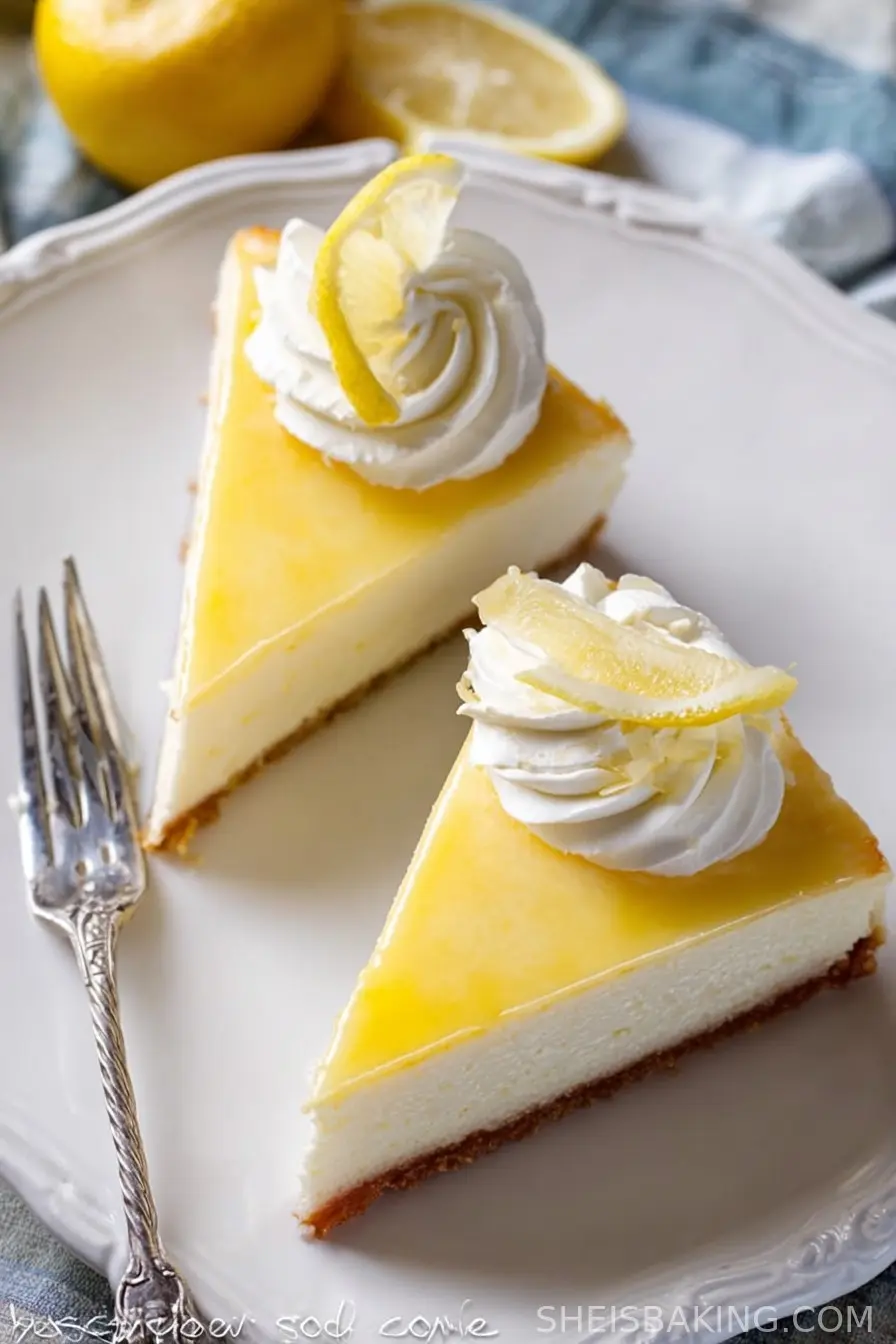
Nothing captures the essence of fresh, bright flavors quite like a classic Lemon Cheesecake Recipe. This dessert delivers a delightful balance of tangy lemon, luscious cream cheese, and a satisfyingly crisp cookie crust.
Cheesecake itself is believed to have origins in ancient Greece, where athletes enjoyed a version of this treat before competing. Over centuries, cheesecake recipes spread across Europe, eventually landing in America, where the addition of cream cheese revolutionized the dessert world.
This Lemon Cheesecake Recipe builds upon that timeless tradition, infusing invigorating citrus flavors into silky cheesecake filling for a dessert that's as eye-catching as it is crave-worthy.
The popularity of lemon cheesecakes soared in the twentieth century, especially when home bakers discovered how simple it was to incorporate lemon zest and juice. Today, the Lemon Cheesecake Recipe is cherished for its irresistible harmony of sweet, tart, and creamy notes.
Ideal for birthdays, holidays, or casual get-togethers, this dessert always stands out whether it's topped with lemon curd, fresh berries, or enjoyed in its pure, zesty glory. If you're searching for the perfect Lemon Cheesecake Recipe that's both elegant and easy to make, you're in the right place.
This guide will walk you through every step, offer expert tips, and ensure your lemon cheesecake emerges from the oven as the star of your table.
Ingredients
- 1 and ½ cups graham cracker crumbs
- ¼ cup granulated sugar (for crust)
- ⅓ cup unsalted butter, melted
- 3 (8 ounce) packages cream cheese, softened
- 1 cup granulated sugar (for filling)
- 3 large eggs, room temperature
- 2 teaspoons pure vanilla extract
- ½ cup sour cream
- 1 tablespoon finely grated lemon zest
- ½ cup freshly squeezed lemon juice
- 2 tablespoons all-purpose flour
- ¼ teaspoon salt
- For the lemon curd topping (optional):
- 2 large eggs
- ½ cup granulated sugar
- ¼ cup freshly squeezed lemon juice
- 2 tablespoons unsalted butter
- 1 teaspoon lemon zest
Instructions
- Preheat your oven to 325°F (163°C). Lightly grease a 9-inch springform pan and line the bottom with parchment paper.
- Prepare the crust by combining the graham cracker crumbs, ¼ cup granulated sugar, and melted butter in a bowl. Mix until the crumbs are moistened.
- Press the graham cracker mixture firmly into the bottom of the prepared pan. Bake for 10 minutes, then set aside to cool slightly.
- For the cheesecake filling, beat the softened cream cheese in a large bowl until smooth and creamy, about 2-3 minutes.
- Gradually add 1 cup granulated sugar, beating until fully combined and no lumps remain.
- Add the eggs one at a time, beating on low speed after each addition until just blended. Avoid overmixing to prevent cracks in the cheesecake.
- Mix in the vanilla extract, sour cream, lemon zest, lemon juice, flour, and salt, blending on low speed until the batter is smooth.
- Pour the filling over the cooled crust and smooth the top with a spatula.
- Tap the pan gently on the countertop to release air bubbles, then bake for 55-65 minutes, or until the center is only slightly jiggly.
- Turn off the oven, crack the oven door, and allow the cheesecake to cool inside for 1 hour to prevent cracking.
- Remove from the oven and run a thin knife around the edge to loosen the cheesecake. Let it cool to room temperature, then refrigerate for at least 4 hours, preferably overnight.
- For the optional lemon curd topping: In a saucepan over medium heat, whisk together 2 eggs, ½ cup sugar, ¼ cup lemon juice, and 1 teaspoon zest. Cook, stirring constantly, until thickened, about 5-7 minutes.
- Remove from heat, add 2 tablespoons butter, and stir until melted and smooth. Let the curd cool before spreading it over the chilled cheesecake.
- When ready to serve, release the springform pan, cut into slices, and garnish with whipped cream, lemon slices, or fresh berries if desired.
Nutritional Information
Lemon cheesecake is a rich yet rewarding dessert, making it important to understand its nutritional profile. A typical slice (1/12th of the cheesecake, without toppings) contains approximately 370-420 calories, primarily from fats and carbohydrates.
Each serving provides 6-8g of protein due to the cream cheese and eggs, which also contribute calcium and vitamin A. The crust introduces some simple carbohydrates and a small amount of dietary fiber, while the lemon juice and zest add vitamin C and antioxidants that can support immune health.
While the cheesecake does contain sugars and saturated fats, enjoying it in moderation allows you to savor the indulgent flavor while still fitting into a balanced diet.
The use of fresh lemon juice and zest not only imparts vibrant flavor but also enhances the nutritional value with trace amounts of vitamins and phytonutrients.
Swapping out some ingredients, such as using low-fat cream cheese or Greek yogurt, can reduce calorie and fat content if you prefer a lighter treat, though this may slightly change the texture.
Overall, a slice of this Lemon Cheesecake Recipe is suitable for special occasions or as a mindful sweet treat, especially when shared among guests.

Wine and Beverage Pairings
The tangy brightness of a Lemon Cheesecake Recipe pairs exceptionally well with certain beverages. A classic dessert wine such as Moscato d'Asti or a late-harvest Riesling beautifully balances the cheesecake's tartness with gentle sweetness and delicate fizz.
For a non-alcoholic option, consider a sparkling lemon-infused mineral water or an herbal tea like chamomile or mint, which refresh the palate and accentuate the cake's citrus notes.
If coffee is your preferred choice, opt for a light-bodied roast served with a hint of cream to complement the rich, creamy filling without overpowering the lemon flavor.
For celebratory occasions, a chilled glass of Prosecco or Champagne offers delightful contrast to the creamy texture and enhances the dessert's festive character.
Cooking Tips and Variations
Perfecting your Lemon Cheesecake Recipe is easier when you follow a few expert tips. Always use room-temperature ingredients for a smooth, lump-free batter; this ensures even mixing and a uniform texture.
When preparing the crust, press it firmly but evenly into the pan and bake briefly for a solid foundation that doesn't fall apart after slicing. For the creamiest filling, avoid over-mixing, as too much air can cause cracks while baking.
Baking the cheesecake in a water bath (placing the springform pan inside a larger pan filled with hot water) creates a moist environment, further reducing the risk of cracks and ensuring even cooking.
If you want to intensify the lemon flavor, double the amount of lemon zest or swirl in lemon curd before baking. As a variation, try substituting half the lemon juice with lime or orange juice for a citrus medley.
You can also create a gluten-free crust using almond or oat flour in place of graham crackers. For an eye-catching finish, decorate the top with candied lemon slices, piped whipped cream, or a layer of fresh berries.
Star bakers always allow their cheesecake to chill thoroughly-overnight is best-for a stable, flavorful dessert that slices beautifully.

Serving Suggestions
Serving a Lemon Cheesecake Recipe is as much about presentation as taste, and with a few creative touches, you can elevate this dessert to an unforgettable finale. Start by ensuring the cheesecake is well-chilled and thoroughly set before slicing.
Use a sharp, thin-bladed knife warmed under hot water and wiped clean between slices for the neatest presentation. Arrange each piece on simple white plates to highlight the sunny yellow hues.
If you've prepared the optional lemon curd topping, a glossy layer over the cheesecake amplifies its zesty appeal and provides a luxurious finish. Garnish each slice with fresh lemon twists, edible flowers, or berries such as blueberries and raspberries for a burst of color and freshness.
For a festive touch, add small dollops of whipped cream or a sprinkling of crushed pistachios. When serving for a crowd, consider cutting the cheesecake into smaller, bite-sized bars. This allows guests to savor a taste without overindulgence.
Pair the dessert with your chosen beverage and serve after a light meal to let the lemon flavors shine. Whether at a summer garden party, bridal shower, or elegant dinner, presenting this Lemon Cheesecake Recipe with thoughtful garnishes and accompaniments ensures it remains the highlight of your menu.
Health Benefits
While indulgent, lemon cheesecake can be enjoyed as part of a balanced diet, especially when prepared with whole ingredients. The main component, cream cheese, offers protein and calcium, supporting muscle and bone health.
Eggs in the batter contribute not only additional protein but also essential nutrients such as vitamin D and choline. Lemon juice and zest supply antioxidants, vitamin C, and citric acid, which can aid immune function and digestion.
Because this dessert is rich in fats and sugars, it's best to enjoy moderate portions, ideally paired with fruit-rich toppings that increase fiber content. For those seeking a lighter version, substituting reduced-fat cream cheese or plain Greek yogurt decreases saturated fat and adds probiotics, which promote gut health.
Even the crust can be adjusted with nuts or whole-grain flours for added minerals and fiber. Enjoying this Lemon Cheesecake Recipe occasionally provides not only sensory delight but also small doses of beneficial nutrients, especially when part of an overall healthy lifestyle.
Frequently Asked Questions
Absolutely! Lemon cheesecake actually benefits from being made in advance as the flavors develop and the texture stabilizes during chilling. It's recommended to prepare it at least one day ahead and keep refrigerated until ready to serve.
To avoid cracks, ensure all ingredients are at room temperature, do not over-mix the batter, and cool the cheesecake gradually. Baking in a water bath and allowing the cake to cool slowly in the oven with the door ajar are also effective techniques.
Yes, you can freeze cheesecake by wrapping slices tightly in plastic wrap and foil, then storing them in an airtight container. Thaw in the refrigerator overnight before serving for best texture.
The lemon curd topping is optional. The cheesecake is delicious on its own, but the curd adds an extra layer of tartness and a glossy finish that many love.
Certainly. Try substituting with digestive biscuits, vanilla wafer cookies, or a gluten-free alternative like almond meal to suit personal preferences or dietary needs.
The Lemon Cheesecake Recipe is a testament to the power of simple, fresh ingredients coming together for a show-stopping dessert. Whether you are a novice baker or an experienced pastry chef, this recipe guarantees a creamy texture, vibrant lemon flavor, and crowd-pleasing results every time. By following the detailed instructions, tips, and serving suggestions, your lemon cheesecake will shine at any gathering or special occasion. With endless variations and customization options, it offers both flexibility and reliability. Delighting guests and loved ones with its perfect balance of sweetness and tang, the Lemon Cheesecake Recipe truly deserves a spot in your collection of favorite desserts. Indulge responsibly, savor every bite, and continue the tradition of sharing beautiful, homemade food with your family and friends.
Ingredients
- 1 and ½ cups graham cracker crumbs
- ¼ cup granulated sugar (for crust)
- ⅓ cup unsalted butter, melted
- 3 (8 ounce) packages cream cheese, softened
- 1 cup granulated sugar (for filling)
- 3 large eggs, room temperature
- 2 teaspoons pure vanilla extract
- ½ cup sour cream
- 1 tablespoon finely grated lemon zest
- ½ cup freshly squeezed lemon juice
- 2 tablespoons all-purpose flour
- ¼ teaspoon salt
- For the lemon curd topping (optional):
- 2 large eggs
- ½ cup granulated sugar
- ¼ cup freshly squeezed lemon juice
- 2 tablespoons unsalted butter
- 1 teaspoon lemon zest
Instructions
-
1Preheat your oven to 325°F (163°C). Lightly grease a 9-inch springform pan and line the bottom with parchment paper.
-
2Prepare the crust by combining the graham cracker crumbs, ¼ cup granulated sugar, and melted butter in a bowl. Mix until the crumbs are moistened.
-
3Press the graham cracker mixture firmly into the bottom of the prepared pan. Bake for 10 minutes, then set aside to cool slightly.
-
4For the cheesecake filling, beat the softened cream cheese in a large bowl until smooth and creamy, about 2-3 minutes.
-
5Gradually add 1 cup granulated sugar, beating until fully combined and no lumps remain.
-
6Add the eggs one at a time, beating on low speed after each addition until just blended. Avoid overmixing to prevent cracks in the cheesecake.
-
7Mix in the vanilla extract, sour cream, lemon zest, lemon juice, flour, and salt, blending on low speed until the batter is smooth.
-
8Pour the filling over the cooled crust and smooth the top with a spatula.
-
9Tap the pan gently on the countertop to release air bubbles, then bake for 55-65 minutes, or until the center is only slightly jiggly.
-
10Turn off the oven, crack the oven door, and allow the cheesecake to cool inside for 1 hour to prevent cracking.
-
11Remove from the oven and run a thin knife around the edge to loosen the cheesecake. Let it cool to room temperature, then refrigerate for at least 4 hours, preferably overnight.
-
12For the optional lemon curd topping: In a saucepan over medium heat, whisk together 2 eggs, ½ cup sugar, ¼ cup lemon juice, and 1 teaspoon zest. Cook, stirring constantly, until thickened, about 5-7 minutes.
-
13Remove from heat, add 2 tablespoons butter, and stir until melted and smooth. Let the curd cool before spreading it over the chilled cheesecake.
-
14When ready to serve, release the springform pan, cut into slices, and garnish with whipped cream, lemon slices, or fresh berries if desired.
Approximate Information for One Serving
Nutrition Disclaimers
Number of total servings shown is approximate. Actual number of servings will depend on your preferred portion sizes.
Nutritional values shown are general guidelines and reflect information for 1 serving using the ingredients listed, not including any optional ingredients. Actual macros may vary slightly depending on specific brands and types of ingredients used.
To determine the weight of one serving, prepare the recipe as instructed. Weigh the finished recipe, then divide the weight of the finished recipe (not including the weight of the container the food is in) by the desired number of servings. Result will be the weight of one serving.
Did you make this recipe?
Please consider Pinning it!
Leave a Reply