
Butterscotch Pie is a beloved dessert that brings warmth and nostalgia to every table. With its creamy, caramelized filling nestled in a buttery pie crust, this classic treat has delighted generations of dessert lovers.
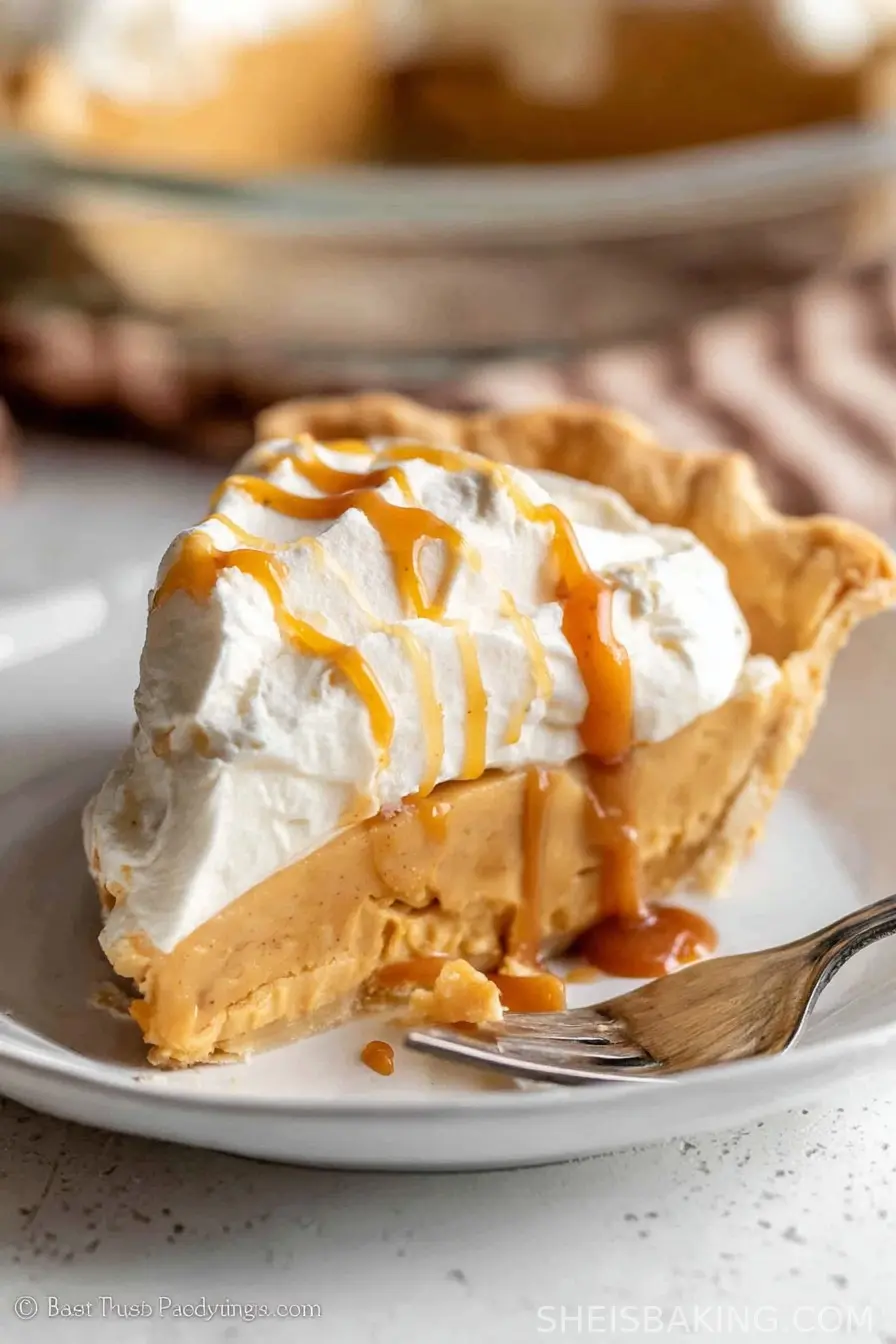
The rich, velvety butterscotch custard is both sweet and slightly salty, balancing the lush flavors in every bite. The origins of Butterscotch Pie trace back to the late 19th and early 20th centuries in American kitchens, when butterscotch-flavored puddings and candies were gaining popularity.
The combination of brown sugar and butter, melted down and thickened, became the delicious foundation for a wide variety of desserts. Soon, clever home bakers realized this mixture made the perfect pie filling, especially when topped with a pillowy meringue or freshly whipped cream.
Today, Butterscotch Pie remains a favorite at family gatherings, holiday dinners, and festive occasions throughout the year. The key to a wonderful Butterscotch Pie lies in its texture and flavor-rich, smooth, deeply caramelized, and layered with plenty of homey appeal.
Whether you're an experienced baker or preparing this pie for the first time, you'll discover just how simple it is to earn rave reviews with your Butterscotch Pie.
This recipe creates a melt-in-your-mouth experience and brings a classic, homemade touch that is sure to impress your guests and satisfy the sweetest cravings.
Ingredients
- 1 unbaked 9-inch pie crust (homemade or store-bought)
- 1 cup packed light brown sugar
- ½ cup granulated sugar
- ⅓ cup all-purpose flour
- ½ teaspoon salt
- 2 cups whole milk
- 4 large egg yolks (reserve whites if making meringue topping)
- ½ cup unsalted butter (1 stick)
- 2 teaspoons pure vanilla extract
- Optional: 1 tablespoon bourbon or dark rum (for extra depth of flavor)
- Whipped cream or meringue, for topping
Instructions
- Preheat your oven to 375°F (190°C). Line a 9-inch pie pan with the pie crust, trim and crimp the edges, then prick the base with a fork. Line the crust with parchment and fill with pie weights or beans. Bake for 15 minutes, remove weights and bake for 5 more minutes until lightly golden. Let cool.
- In a medium saucepan over medium heat, melt the butter. Stir in the brown sugar and granulated sugar, cooking until the mixture is smooth and bubbling, about 2-3 minutes.
- In a separate bowl, whisk together the flour and salt. Gradually blend in the milk until smooth, then add the egg yolks and whisk until fully combined.
- Slowly pour the milk and egg mixture into the saucepan with the hot sugar mixture, whisking constantly to avoid curdling.
- Continue to cook over medium heat, whisking frequently, until the mixture thickens and begins to bubble, about 7-10 minutes.
- Remove from heat and stir in the vanilla extract (and bourbon or rum, if using).
- Pour the butterscotch custard into the cooled, baked pie crust and smooth the top with a spatula.
- Allow the pie to cool to room temperature, then cover and chill in the refrigerator for at least 4 hours, or until fully set.
- Before serving, top with freshly whipped cream or a layer of toasted meringue, if desired.
- Slice and serve the Butterscotch Pie chilled for the best texture and flavor.
Nutritional Information
Butterscotch Pie is a rich dessert that provides both comfort and energy from its key ingredients. This pie is typically high in carbohydrates and sugars, primarily from the brown sugar, granulated sugar, and the pie crust itself.
Each serving (assuming an eight-slice pie) contains approximately 420-480 calories, with fat content averaging 22-26 grams per slice due to the use of butter, egg yolks, and whole milk. The protein content will be moderate, at about 4-6 grams per serving, courtesy of the eggs and milk.
There are trace vitamins and minerals provided by the eggs and milk, such as calcium, vitamin A, and a small amount of iron from the flour. Butterscotch Pie is low in dietary fiber, but the balance of fats and proteins helps provide a sense of fullness.
Sodium content is moderate, depending on the pie crust and the amount of added salt. While Butterscotch Pie is best enjoyed as an occasional treat due to its sugar content, it can be made slightly lighter by substituting lower-fat milk or using less sugar, if desired.
As a special-occasion dessert, Butterscotch Pie is a delicious indulgence that can be enjoyed in moderation as part of a balanced diet.

Wine and Beverage Pairings
Butterscotch Pie's rich, caramelized flavor pairs exceptionally well with beverages that provide contrast and balance. A glass of chilled late-harvest Riesling or Moscato d'Asti brings complementary sweetness, while a good-quality bourbon or dark rum enhances the pie's butterscotch undertones.
If you prefer non-alcoholic beverages, opt for a strong black coffee or English breakfast tea, which help cleanse the palate between bites. For a cozy winter dessert, serve with hot cocoa topped with a dollop of whipped cream.
Those who enjoy dessert wine might like to try a tawny port alongside the pie. The mingling of nutty, caramel notes from both the dessert and the wine can be truly delightful.
Cooking Tips and Variations
To craft the perfect Butterscotch Pie, start by properly browning the butter and sugar; let them caramelize gently for a richer butterscotch flavor. Be careful not to burn the mixture-stir constantly and watch closely. Sifting the flour before mixing ensures a smooth, silky custard.
If you want an extra decadent touch, consider adding a splash of dark rum or bourbon for complexity. For your crust, chilling it before baking helps prevent shrinkage and keeps the base flaky. For those seeking a lighter version, use 2% milk and reduce the sugar slightly without sacrificing taste.
Make sure the custard is thick before pouring it into the crust, as it will set further during refrigeration. If you prefer meringue over whipped cream, beat the reserved egg whites with sugar until stiff peaks form, then spread over the pie and bake until golden brown.
You can also add a sprinkle of sea salt or chopped toasted pecans on top for a modern twist. For a gluten-free version, use a gluten-free crust and cornstarch in place of flour. Don't rush the chilling step-allow the pie several hours to set for clean, beautiful slices.
Variations include using a graham cracker or chocolate cookie crust, or infusing the filling with a hint of espresso for depth.

Serving Suggestions
When it's time to serve your Butterscotch Pie, presentation counts just as much as flavor. For a classic finish, dollop or pipe freshly whipped cream in generous swirls over each slice, perhaps dusted lightly with grated nutmeg or chocolate shavings.
If you chose a meringue topping, make sure it's lightly browned for both texture and visual appeal. Use a sharp, thin-bladed knife wiped clean between slices to ensure neat servings. Butterscotch Pie is best served chilled, making it a perfect make-ahead dessert for gatherings and celebrations.
For added decadence, offer a warm caramel or butterscotch sauce on the side, letting guests drizzle to their liking. To create a beautiful dessert platter, surround the pie with fresh berries, chocolate curls, or candied nuts. If serving at a buffet, cut smaller slices for easy sharing.
Pair each portion with your chosen beverage, and, for a festive touch, garnish whipped cream-topped slices with a sprinkle of sea salt, mini toffee bits, or roasted pecans. This pie shines at holiday dinners, birthday parties, or casual Sunday suppers, turning any meal into a special occasion.
It stores well in the refrigerator for up to three days, allowing you to prepare it ahead and enjoy more time with family and friends.
Health Benefits
While Butterscotch Pie is an indulgent dessert, it also offers some comfort and nutrition thanks to its key ingredients. Eggs and milk provide high-quality protein and essential vitamins such as vitamin A, B12, and choline, which are beneficial for brain health and energy metabolism.
The use of whole milk brings calcium and phosphorus, important for strong bones and teeth. Homemade versions can be slightly healthier than store-bought alternatives, as you control the ingredient quality and sugar content.
For those looking to make Butterscotch Pie more health-conscious, consider using reduced-fat milk or a sugar substitute to lower calorie and carbohydrate counts. A gluten-free crust makes this dessert accessible to those with gluten sensitivities.
Enjoying Butterscotch Pie in moderation as part of a balanced diet means you can savor its sweet, nostalgic flavors while still maintaining overall health. Adding toppings like berries or toasted nuts can boost antioxidants and healthy fats, further enhancing the nutritional profile of your treat.
Frequently Asked Questions
Yes, Butterscotch Pie is an excellent make-ahead dessert. It needs several hours to chill and set in the refrigerator, making it convenient for preparing the day before your event.
Absolutely. A quality store-bought or frozen crust works perfectly for Butterscotch Pie, saving time without sacrificing flavor.
Yes, use a gluten-free pie crust and substitute cornstarch for the flour in the filling for a completely gluten-free version.
Either freshly whipped cream or toasted meringue are classic toppings. For added complexity, try a sprinkle of sea salt or chopped toasted nuts.
Store leftover Butterscotch Pie covered in the refrigerator. It will stay fresh for up to three days, retaining its creamy texture and freshness.
Butterscotch Pie holds a special place in dessert tradition, promising luscious flavor and comfort in every slice. Whether shared at a holiday feast, family reunion, or weeknight dinner, its silky, caramelized filling and crisp crust delight all who taste it. The recipe above offers an easy, step-by-step approach for bakers at all levels, yielding a show-stopping pie that's sure to impress. The ability to prepare in advance, adapt to dietary needs, and pair with a range of toppings and beverages makes Butterscotch Pie a versatile dessert for any occasion. Treat yourself and your loved ones to this classic favorite-the perfect blend of history, nostalgia, and irresistible sweetness. Savor the creamy, rich, and unforgettable taste of homemade Butterscotch Pie.
Ingredients
- 1 pre-baked 9-inch pie crust
- 1 cup packed brown sugar
- ⅓ cup unsalted butter
- ¼ cup all-purpose flour
- 2 cups whole milk
- 3 large egg yolks
- ½ teaspoon vanilla extract
- ¼ teaspoon salt
- 1 cup whipped cream, for topping
Instructions
-
1In a medium saucepan over medium heat, melt the butter and stir in the brown sugar until smooth and bubbling.
-
2Whisk in the flour and cook for 1 minute, then slowly add the milk, whisking constantly until the mixture is smooth.
-
3In a separate bowl, beat the egg yolks. Gradually whisk a small amount of hot mixture into the yolks, then return the yolk mixture to the saucepan.
-
4Cook over medium heat, stirring constantly, until the custard thickens and bubbles, about 5 minutes. Remove from heat and stir in vanilla extract and salt.
-
5Pour the butterscotch filling into the pre-baked pie crust. Let cool to room temperature, then refrigerate until set, at least 3 hours.
-
6Top with whipped cream before serving.
Approximate Information for One Serving
Nutrition Disclaimers
Number of total servings shown is approximate. Actual number of servings will depend on your preferred portion sizes.
Nutritional values shown are general guidelines and reflect information for 1 serving using the ingredients listed, not including any optional ingredients. Actual macros may vary slightly depending on specific brands and types of ingredients used.
To determine the weight of one serving, prepare the recipe as instructed. Weigh the finished recipe, then divide the weight of the finished recipe (not including the weight of the container the food is in) by the desired number of servings. Result will be the weight of one serving.
Did you make this recipe?
Please consider Pinning it!!
Leave a Reply