
Keto Blueberry Muffins are a classic favorite reimagined for those following a ketogenic or low-carb lifestyle. Blueberry Muffins have long been a staple in American breakfasts and brunch tables, beloved for their moist texture, sweet flavor, and versatility.
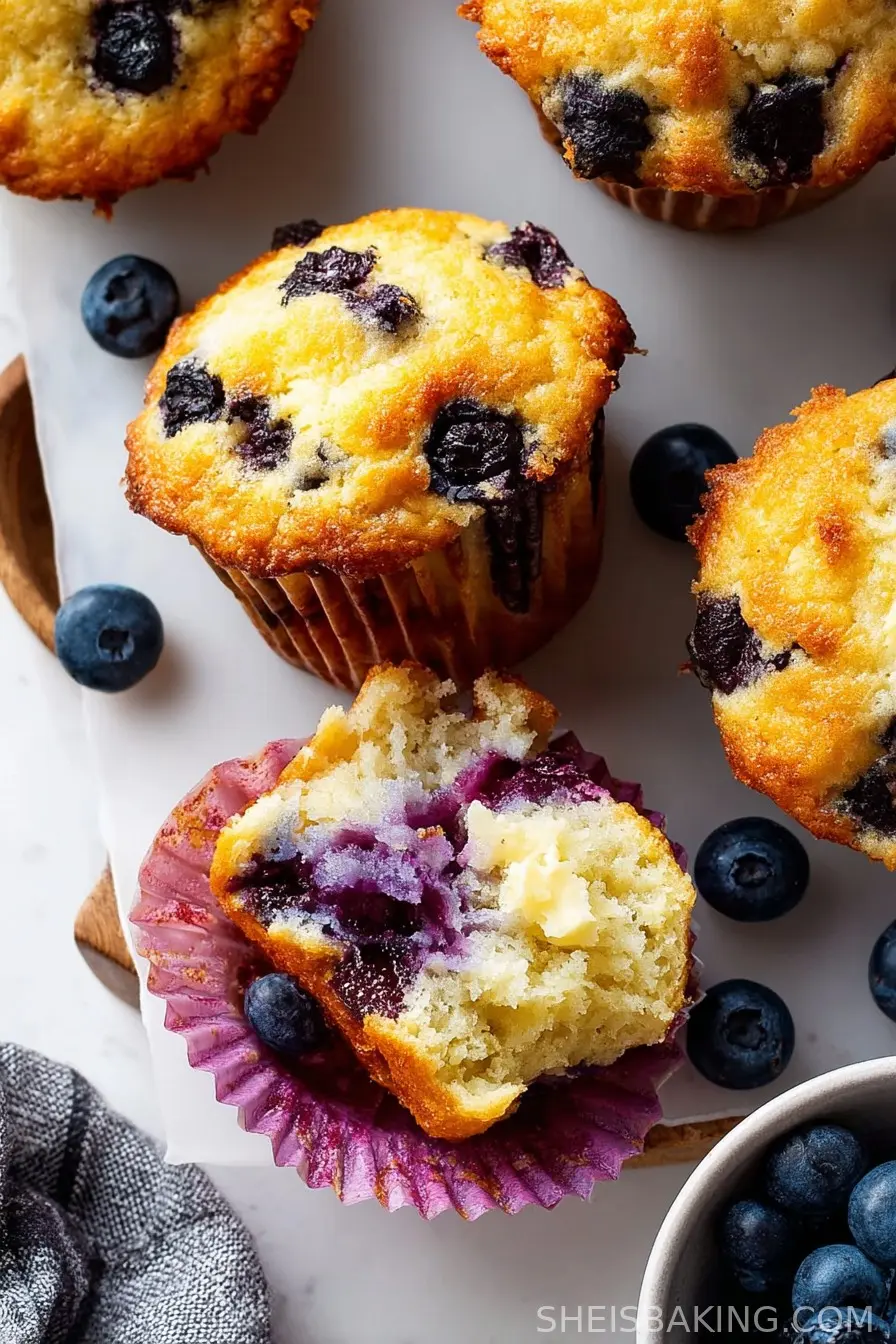
With growing interest in health-conscious and carb-restricted diets, many are seeking indulgent treats that fit their nutritional goals. The ketogenic diet, which focuses on low carbohydrate and high healthy fat intake, has influenced countless innovative recipes, including the development of Keto Blueberry Muffins.
These muffins swap out traditional wheat flour and refined sugar for nutrient-dense alternatives like almond flour, coconut flour, and natural, keto-approved sweeteners such as erythritol or stevia. By incorporating fresh blueberries, these muffins retain their classic burst of fruitiness while keeping the carb count minimal.
The recipe also reflects the evolving awareness of gluten sensitivities and the desire for more wholesome, minimally processed baked goods. By using whole ingredients, Keto Blueberry Muffins cater to a wider range of health requirements while offering the nostalgic taste and texture of the traditional treat.
Perfect for breakfast on-the-go, an afternoon snack, or even as a light dessert, these muffins are sure to please the whole family, even those not strictly following a keto diet.
Their ease of preparation and adaptability further enhance their appeal, making them a must-try for anyone looking to enjoy baked goods without overloading on carbs.
Ingredients
- 2 cups almond flour (finely blanched)
- ¼ cup coconut flour
- ⅔ cup erythritol, monk fruit sweetener, or other keto sweetener
- 2 teaspoons baking powder
- ¼ teaspoon salt
- ½ cup unsalted butter, melted and cooled
- ½ cup unsweetened almond milk (or other nut milk)
- 3 large eggs, room temperature
- 1 teaspoon vanilla extract
- 1 cup fresh blueberries (or frozen, do not thaw)
- Optional: zest of 1 lemon
Instructions
- Preheat your oven to 350°F (175°C) and line a 12-cup muffin tin with parchment or silicone liners.
- In a large bowl, whisk together the almond flour, coconut flour, keto sweetener, baking powder, and salt until evenly combined.
- In a separate bowl, whisk the melted butter, almond milk, eggs, and vanilla extract until smooth and well blended.
- Add the wet ingredients into the dry ingredients, stirring together gently until just combined. Do not overmix, as this can make the muffins dense.
- Gently fold in the blueberries and, if using, lemon zest. Make sure the berries are evenly distributed throughout the batter.
- Divide the batter evenly among the prepared muffin cups, filling each about ¾ full. If desired, scatter a few extra blueberries on top for garnish.
- Bake in the preheated oven for 22-28 minutes, or until the tops are lightly golden and a toothpick inserted into the center comes out clean.
- Allow the muffins to cool in the tin for 10 minutes before transferring them to a wire rack to cool completely.
- Store any leftover Keto Blueberry Muffins in an airtight container in the refrigerator for up to 5 days, or freeze for up to 2 months.
Nutritional Information
Keto Blueberry Muffins are designed to support low-carb and ketogenic lifestyles while delivering satisfying flavor and toasty texture. Each muffin contains approximately 170-200 calories, with most of the energy coming from heart-healthy fats yielded by almond flour, eggs, and butter.
Carbohydrates per muffin are generally in the range of 4-6 net grams, thanks to the use of alternative flours and keto-approved sweeteners.
Almond and coconut flour not only lower the glycemic impact but also provide valuable fiber, further reducing the net carb count as fiber is not digested by the body and does not influence blood sugar spikes.
The muffins offer 5-6 grams of protein per serving, contributing to satiety and providing sustained energy. Blueberries, used sparingly, provide antioxidants, vitamins such as C and K, and a natural hint of sweetness without pushing carbs too high. Unsweetened almond milk keeps calories minimal while adding moisture.
By steering clear of wheat flour and cane sugar, these muffins are naturally gluten-free and suitable for those with sensitivities or celiac disease. The inclusion of healthy fats supports mental clarity, hormone balance, and satiety - elements crucial to the success of the ketogenic way of eating.
It is always recommended to calculate exact nutrition based on specific ingredient brands and portion sizes to ensure full compatibility with your dietary needs.
Wine and Beverage Pairings
For a warm and cozy pairing, serve Keto Blueberry Muffins alongside a cup of black coffee, cappuccino, or herbal tea, which complements the subtle sweetness and berry notes. If you prefer cold beverages, unsweetened almond milk or an iced matcha latte make refreshing, low-carb companions.
For a more celebratory brunch setting, a dry sparkling wine like brut Champagne or Prosecco balances the muffin's mild sweetness with crisp acidity. Those limiting alcohol can enjoy a sparkling water infused with lemon or fresh mint, creating a palate-cleansing effect that highlights the fresh blueberries.
No matter your choice, select a beverage that harmonizes with your flavor preferences and dietary needs, ensuring a pleasurable and balanced experience.
Cooking Tips and Variations
When making Keto Blueberry Muffins, several strategies can help you achieve bakery-quality results and adapt the base recipe to your own tastes. First, use finely blanched almond flour rather than almond meal to attain a fluffier crumb and lightmouth feel.
If you prefer muffins slightly denser or more bready, you can increase the coconut flour by an extra tablespoon, but compensate by adding a extra splash of almond milk to maintain moisture.
Selecting fresh blueberries is ideal, but if you opt for frozen, do not thaw them before folding into the batter, as they can bleed and tint the mixture purple. To prevent berries from sinking, toss them lightly in a bit of almond flour before incorporating.
Experiment with adding other low-carb flavor enhancers, such as lemon zest or a touch of cinnamon for a flavor twist. Feel free to substitute the butter with coconut oil if you need a dairy-free variety.
For extra richness, incorporate a few tablespoons of sour cream or full-fat Greek yogurt into the mix, adjusting other liquids as necessary. If you enjoy a nutty crunch, a sprinkle of slivered almonds on top before baking works beautifully. Remember not to overmix, as this can result in tougher muffins.
Lastly, this batter is very forgiving - so play around with additions such as chia seeds or even chopped walnuts for added nutrition and texture.

Serving Suggestions
Keto Blueberry Muffins are versatile, making them suitable for a variety of serving occasions. For breakfast, present warm muffins fresh from the oven paired with softened grass-fed butter or a dollop of keto-friendly cream cheese.
Their slightly sweet profile makes them an inviting addition to brunch boards alongside boiled eggs, avocado slices, smoked salmon, and nutty cheeses. For gatherings or afternoon tea, arrange them on a tiered tray with fresh berries, cucumber slices, and low-carb bites for an elegant touch.
If packing for an on-the-go snack, wrap individual muffins in parchment and tuck them into lunch boxes-they hold up well and maintain freshness even at room temperature for several hours.
For a dessert option, serve the muffins gently warmed with a side of whipped coconut cream or a drizzle of sugar-free chocolate sauce. These muffins can also be lightly toasted under the broiler or in an air fryer for a crispy exterior.
Personalize each serving by adding a sprinkle of crushed nuts or a dusting of powdered erythritol, catering to guests or family members of all ages. Their portion-friendly size and delightful flavor make them a go-to treat for holidays, family breakfasts, or meal prep routines.
Health Benefits
The health profile of Keto Blueberry Muffins makes them an attractive choice for those following reduced-carb diets or seeking to minimize sugar intake. Utilizing almond and coconut flours reduces gluten and digestive stress, while also delivering protein, fiber, and healthy fats that promote satiety and steady energy.
Eggs provide quality amino acids, vitamins, and minerals vital to cellular function and metabolism. Blueberries, though moderately restricted on strict keto plans, contribute valuable antioxidants such as anthocyanins, vitamin C, and polyphenols shown to support vascular health and immune function.
The omission of refined sugar helps regulate blood glucose response and can aid weight management efforts. Replacing cow's milk with unsweetened plant-based alternatives further reduces calories and lactose, making the muffins suitable for lactose intolerant individuals.
The recipe's inherent flexibility allows for customizing based on additional dietary needs such as dairy-free or nut-free alternatives. Altogether, these muffins exemplify a nourishing approach to baked goods, marrying traditional flavors with wellness-oriented ingredients suited for keto, low-carb, diabetic, or gluten-free lifestyles.
Frequently Asked Questions
Yes, you can use frozen blueberries. Add them straight from the freezer without thawing to prevent bleeding into the batter. This keeps the muffins looking and tasting fresh.
Store muffins in an airtight container in the refrigerator for up to 5 days. For longer storage, individually wrap and freeze them for up to 2 months. Thaw at room temperature or gently reheat before serving.
The base recipe uses butter, but you can easily substitute coconut oil or another plant-based fat for a dairy-free version without compromising texture or taste.
Each Keto Blueberry Muffin contains approximately 4-6 grams of net carbs, making them suitable for most low-carb and keto diets. Exact amounts may vary based on ingredient brands.
Absolutely! Lemon zest, cinnamon, chopped nuts, or even a handful of sugar-free chocolate chips can be added to personalize your muffins without raising the carb count significantly.
Keto Blueberry Muffins bring together the timeless appeal of traditional baking with the nutritional advantages of keto-friendly ingredients. They satisfy sweet cravings without compromising health, making them perfect for breakfast, snacking, or dessert. Easy to prepare and adaptable for various dietary needs, these muffins prove that you don't have to give up indulgent treats to maintain a low-carb lifestyle. Their invigorating blueberry flavor, tender crumb, and customizable options ensure they will become a household favorite. Embrace the simple pleasure of home-baked muffins while staying aligned with your wellness goals by enjoying this delightful, low-carb twist on a classic.
Ingredients
- 1 ½ cups almond flour
- ⅓ cup granulated erythritol
- 1 teaspoon baking powder
- ¼ teaspoon salt
- 3 large eggs
- ⅓ cup unsweetened almond milk
- ¼ cup melted coconut oil
- 1 teaspoon vanilla extract
- ¾ cup fresh blueberries
Instructions
-
1Preheat the oven to 350°F (175°C) and line a muffin tin with 8 paper liners.
-
2In a large bowl, whisk together almond flour, erythritol, baking powder, and salt.
-
3In a separate bowl, whisk the eggs, almond milk, melted coconut oil, and vanilla extract until well combined.
-
4Add the wet ingredients to the dry ingredients and stir until blended. Gently fold in the blueberries.
-
5Divide the batter evenly among the muffin liners. Bake for 22-25 minutes, or until a toothpick inserted into the center comes out clean.
-
6Let the muffins cool in the pan for 10 minutes, then transfer to a wire rack to cool completely.
Approximate Information for One Serving
Nutrition Disclaimers
Number of total servings shown is approximate. Actual number of servings will depend on your preferred portion sizes.
Nutritional values shown are general guidelines and reflect information for 1 serving using the ingredients listed, not including any optional ingredients. Actual macros may vary slightly depending on specific brands and types of ingredients used.
To determine the weight of one serving, prepare the recipe as instructed. Weigh the finished recipe, then divide the weight of the finished recipe (not including the weight of the container the food is in) by the desired number of servings. Result will be the weight of one serving.
Did you make this recipe?
Please consider Pinning it!!

Leave a Reply