
Bavarian Cream Donuts have become a beloved treat in bakeries around the world, offering a delightful combination of fluffy fried dough and a silky, luscious cream filling.
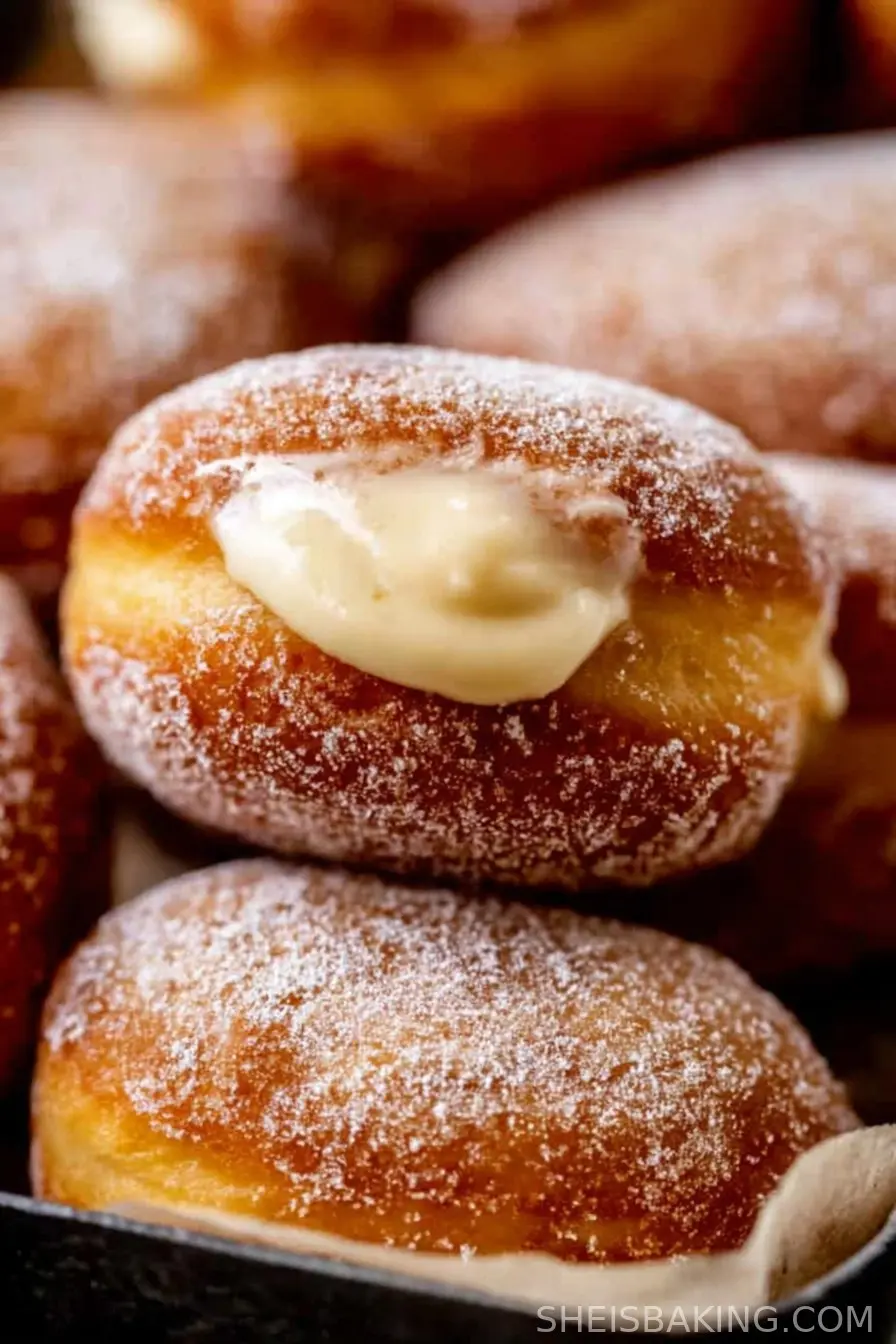
Originating from the European tradition of filled pastries, Bavarian Cream Donuts are inspired by the famous Bavarian cream-a classic custard-based filling first created in 19th-century Bavaria, Germany. Its velvety smooth texture and mild vanilla flavor pair perfectly with the tender, light-as-air donut dough, creating a memorable bite in every piece.
Over time, these pastries have traveled far beyond their origins, finding a place in American donut shops and homemade kitchens alike. Keywords such as Bavarian Cream Donuts, filled donuts, cream donuts, and homemade donuts often trend highly in searches as more home bakers aim to recreate this classic indulgence.
The process involves crafting a yeast-raised dough, frying to golden perfection, then piping each donut with a generous helping of homemade Bavarian cream.
This recipe not only walks you through every step but also provides essential tips, serving suggestions, and beverage pairings to help you master the art of making Bavarian Cream Donuts at home.
By leveraging time-honored baking techniques and straightforward instructions, you can easily delight family and friends with these bakery-style treats right from your own kitchen.
Ingredients
- For the Donut Dough:
- 2 ½ cups all-purpose flour
- ¼ cup granulated sugar
- 2 ¼ teaspoons active dry yeast
- ½ teaspoon salt
- ⅔ cup whole milk, lukewarm
- 2 tablespoons unsalted butter, melted
- 2 large eggs
- 1 teaspoon vanilla extract
- Vegetable oil, for frying
- For the Bavarian Cream Filling:
- 1 ½ cups whole milk
- ½ cup heavy cream
- ½ cup granulated sugar
- 3 large egg yolks
- 1 tablespoon cornstarch
- 1 tablespoon all-purpose flour
- 1 teaspoon pure vanilla extract
- 1 tablespoon unsalted butter
- For Finishing:
- Powdered sugar for dusting
Instructions
- In a large bowl, combine lukewarm milk, sugar, and active dry yeast. Let sit for 5-10 minutes until frothy.
- Add melted butter, eggs, and vanilla extract. Stir to combine.
- Gradually add flour and salt, mixing until a soft, sticky dough forms.
- Knead the dough on a lightly floured surface for about 6-8 minutes until smooth and elastic. Alternatively, use a stand mixer with a dough hook.
- Place the dough in a greased bowl, cover, and let rise in a warm place for 1-2 hours or until doubled in size.
- While the dough rises, prepare the Bavarian cream: In a medium saucepan, heat the milk and heavy cream over medium heat until steaming, not boiling.
- In a separate bowl, whisk egg yolks, sugar, cornstarch, and flour until pale and thick.
- Slowly pour the hot milk mixture into the egg yolk mixture, whisking constantly. Return everything to the saucepan.
- Cook over medium heat, whisking continuously, until the mixture thickens, about 3-5 minutes. Remove from heat.
- Stir in the vanilla extract and butter; mix until smooth. Cover with plastic wrap touching the surface to prevent a skin from forming. Chill in the refrigerator.
- Once the dough has risen, punch it down and roll out on a floured surface to about ½-inch thickness.
- Use a 3-inch round cutter to cut out donuts. Place on parchment-lined trays, cover, and let rise for 30-40 minutes.
- Heat vegetable oil in a deep fryer or large pot to 350°F (175°C). Fry donuts in batches for 1-2 minutes each side until golden brown.
- Transfer donuts to a paper towel-lined tray to drain and cool completely.
- Fill a piping bag fitted with a round tip with the chilled Bavarian cream. Poke a hole in the side of each donut and pipe in the cream filling generously.
- Dust filled donuts with powdered sugar before serving.
Nutritional Information
Bavarian Cream Donuts are a decadent treat, loved for their combination of fluffy, fried dough and smooth, rich Bavarian cream filling. Each donut typically contains around 250 to 350 calories, depending on size and the amount of filling.
Carbohydrates from flour and sugar provide quick energy, while the addition of eggs and milk in both dough and cream offers quality protein and essential nutrients like vitamin B12, calcium, and vitamin D.
The heavy cream enriches the filling with fats that lend a satisfying, creamy mouthfeel-though it does increase the overall saturated fat content. Consuming these donuts in moderation ensures you can enjoy their delicious taste within a balanced diet.
Fiber content is relatively low due to the use of white flour, but there are trace minerals like potassium and iron present. If you're monitoring sugar intake, it can be helpful to reduce the amount of sugar in the dough or filling slightly or use a sugar alternative.
While Bavarian Cream Donuts are undeniably indulgent, savoring them as an occasional treat alongside plenty of fruits, vegetables, and lean proteins can be part of a well-rounded dietary pattern.
It's also possible to bake rather than fry the donuts to reduce calorie and fat content, though this may alter their traditional texture.

Wine and Beverage Pairings
Pairing Bavarian Cream Donuts with the right beverage elevates the tasting experience. For a classic choice, a robust cup of freshly brewed coffee balances the sweetness and creaminess of the donut, providing a rich, contrasting flavor. Espresso or cappuccino also complement the vanilla nuances in the Bavarian cream.
If you prefer tea, opt for a strong black tea such as Earl Grey or Assam; the tannins will cut through the rich filling.
For a special brunch or dessert, a lightly sparkling Moscato d'Asti or Prosecco adds celebratory flair, while a glass of milk is always a timeless option-especially for children. For non-alcoholic choices, consider chilled vanilla almond milk or an iced matcha latte for a modern twist.
Cooking Tips and Variations
Perfecting Bavarian Cream Donuts is all about attention to detail in both technique and timing. Firstly, ensure your dough rises in a warm, draft-free environment for optimum fluffiness, and do not overwork the dough, as this can make it dense.
When frying, keep the oil temperature constant at 350°F; using a thermometer is highly recommended, as oil that's too hot will brown the donuts too quickly and leave them raw inside, while oil that's too cool will result in greasy donuts.
Make sure both donuts and the Bavarian cream filling are completely cooled before filling, to prevent the cream from melting and leaking.
Variations include adding a splash of liqueur such as Grand Marnier or coffee-flavored liqueur to the cream for an adult twist, or flavoring the dough with citrus zest for a brighter flavor profile.
For a chocolate version, substitute a portion of the flour with cocoa powder or glaze the finished donuts with chocolate ganache. You can also experiment with fillings-pastry cream, fruit compote, or jam all work beautifully in the soft donut shell if you're seeking diversity.
If you want a lighter alternative, consider air-frying or baking the donuts, yet expect a subtly different texture. Lastly, dust with powdered sugar or cinnamon sugar, or dip in chocolate for a festive look.

Serving Suggestions
Bavarian Cream Donuts serve as a showstopping centerpiece for breakfasts, brunches, parties, or afternoon teas. For the best experience, serve them the day they're made for optimal freshness, as the fried dough is at its lightest and the cream filling maintains its silky texture.
Arrange the donuts on a beautiful platter, generously dusted with powdered sugar just before serving to add an inviting visual contrast. For gatherings, set out the donuts with a variety of dippable glazes-such as chocolate, caramel, or fruit sauces-to allow guests to customize their treat.
Bavarian Cream Donuts pair wonderfully with fresh berries and mint sprigs for a colorful plate presentation. The donuts also work as a unique celebration dessert; simply pile them in a pyramid, add sparklers or decorative picks, and let everyone savor pulling apart and biting into the creamy center.
When serving at brunch, consider providing small plates and forks to make it easy to enjoy this slightly messy, cream-filled pastry.
If you have leftovers, store the donuts in a covered container in the refrigerator and allow them to return to room temperature or lightly warm them before serving to preserve their softness.
Offering them alongside a beverage such as coffee, hot chocolate, or sparkling wine underscores their luxurious nature and ensures a memorable treat for everyone at the table.
Health Benefits
While Bavarian Cream Donuts are certainly a treat for special occasions rather than a daily snack, they do provide some nutritional benefits. The eggs and dairy products used in the dough and cream offer high-quality protein, essential amino acids, and important micronutrients such as calcium, vitamin D, and B vitamins.
These help support bone health, immune function, and energy metabolism. The carbohydrates provide quick energy, making these donuts an ideal option for a celebratory morning or as a pick-me-up treat.
Additionally, making Bavarian Cream Donuts at home allows you to control the ingredients, reducing additives and managing sugar or fat content as desired. Small adjustments-such as using part-skim milk, lowering the sugar, or baking instead of frying-can make them lighter.
Enjoying homemade versions in moderation supports mindful indulgence and can be part of a balanced diet. However, because they are high in calories and saturated fats, it's best to savor these donuts occasionally, complemented by a nutritious, wholesome daily diet rich in fruits, vegetables, and whole grains.
Frequently Asked Questions
Yes, you can prepare the dough and Bavarian cream filling a day before. Store the risen dough in the refrigerator and the cream filling covered in the fridge. On baking day, bring the dough to room temperature before shaping and frying, then fill with the cream once cooled.
While traditional Bavarian Cream Donuts are fried, you can bake them at 375°F for about 10-12 minutes for a lighter version. They may not have the same rich texture but will still be delicious when filled with Bavarian cream.
Ensure both the donuts and the Bavarian cream filling are completely cool before filling. Fill slowly, and do not overfill to prevent splitting or leaking.
Bavarian Cream Donuts are best served fresh for optimal texture. However, they can be stored refrigerated in an airtight container for up to 2 days. Dust with powdered sugar just before serving to maintain freshness.
Few pastries capture the imagination and satisfy the sweet tooth quite like Bavarian Cream Donuts. Their fluffy exterior and rich, creamy filling create a harmonious dessert perfect for any occasion-from a special breakfast or brunch to a memorable dessert at a gathering. With simple ingredients and step-by-step instructions, you can recreate this beloved bakery treat at home, impressing family and friends with fresh, homemade donuts. Experiment with flavors, fillings, and finishing touches to make the recipe truly your own. Whether you're new to baking or a seasoned pro, mastering Bavarian Cream Donuts will become a cherished skill in your culinary repertoire. So, gather your ingredients, set aside a little time, and enjoy the delicious results of your homemade Bavarian Cream Donuts-one creamy bite at a time.
Ingredients
- For the Donut Dough:
- 2 ½ cups all-purpose flour
- ¼ cup granulated sugar
- 2 ¼ teaspoons active dry yeast
- ½ teaspoon salt
- ⅔ cup whole milk, lukewarm
- 2 tablespoons unsalted butter, melted
- 2 large eggs
- 1 teaspoon vanilla extract
- Vegetable oil, for frying
- For the Bavarian Cream Filling:
- 1 ½ cups whole milk
- ½ cup heavy cream
- ½ cup granulated sugar
- 3 large egg yolks
- 1 tablespoon cornstarch
- 1 tablespoon all-purpose flour
- 1 teaspoon pure vanilla extract
- 1 tablespoon unsalted butter
- For Finishing:
- Powdered sugar for dusting
Instructions
-
1In a large bowl, combine lukewarm milk, sugar, and active dry yeast. Let sit for 5-10 minutes until frothy.
-
2Add melted butter, eggs, and vanilla extract. Stir to combine.
-
3Gradually add flour and salt, mixing until a soft, sticky dough forms.
-
4Knead the dough on a lightly floured surface for about 6-8 minutes until smooth and elastic. Alternatively, use a stand mixer with a dough hook.
-
5Place the dough in a greased bowl, cover, and let rise in a warm place for 1-2 hours or until doubled in size.
-
6While the dough rises, prepare the Bavarian cream: In a medium saucepan, heat the milk and heavy cream over medium heat until steaming, not boiling.
-
7In a separate bowl, whisk egg yolks, sugar, cornstarch, and flour until pale and thick.
-
8Slowly pour the hot milk mixture into the egg yolk mixture, whisking constantly. Return everything to the saucepan.
-
9Cook over medium heat, whisking continuously, until the mixture thickens, about 3-5 minutes. Remove from heat.
-
10Stir in the vanilla extract and butter; mix until smooth. Cover with plastic wrap touching the surface to prevent a skin from forming. Chill in the refrigerator.
-
11Once the dough has risen, punch it down and roll out on a floured surface to about ½-inch thickness.
-
12Use a 3-inch round cutter to cut out donuts. Place on parchment-lined trays, cover, and let rise for 30-40 minutes.
-
13Heat vegetable oil in a deep fryer or large pot to 350°F (175°C). Fry donuts in batches for 1-2 minutes each side until golden brown.
-
14Transfer donuts to a paper towel-lined tray to drain and cool completely.
-
15Fill a piping bag fitted with a round tip with the chilled Bavarian cream. Poke a hole in the side of each donut and pipe in the cream filling generously.
-
16Dust filled donuts with powdered sugar before serving.
Approximate Information for One Serving
Nutrition Disclaimers
Number of total servings shown is approximate. Actual number of servings will depend on your preferred portion sizes.
Nutritional values shown are general guidelines and reflect information for 1 serving using the ingredients listed, not including any optional ingredients. Actual macros may vary slightly depending on specific brands and types of ingredients used.
To determine the weight of one serving, prepare the recipe as instructed. Weigh the finished recipe, then divide the weight of the finished recipe (not including the weight of the container the food is in) by the desired number of servings. Result will be the weight of one serving.
Did you make this recipe?
Please consider Pinning it!
Leave a Reply