
Homemade Vanilla Cake has long been cherished as a symbol of celebration, comfort, and timeless elegance. This beloved dessert, known for its delicate crumb and rich flavor, has found its place at birthdays, weddings, anniversaries, and countless other special occasions.
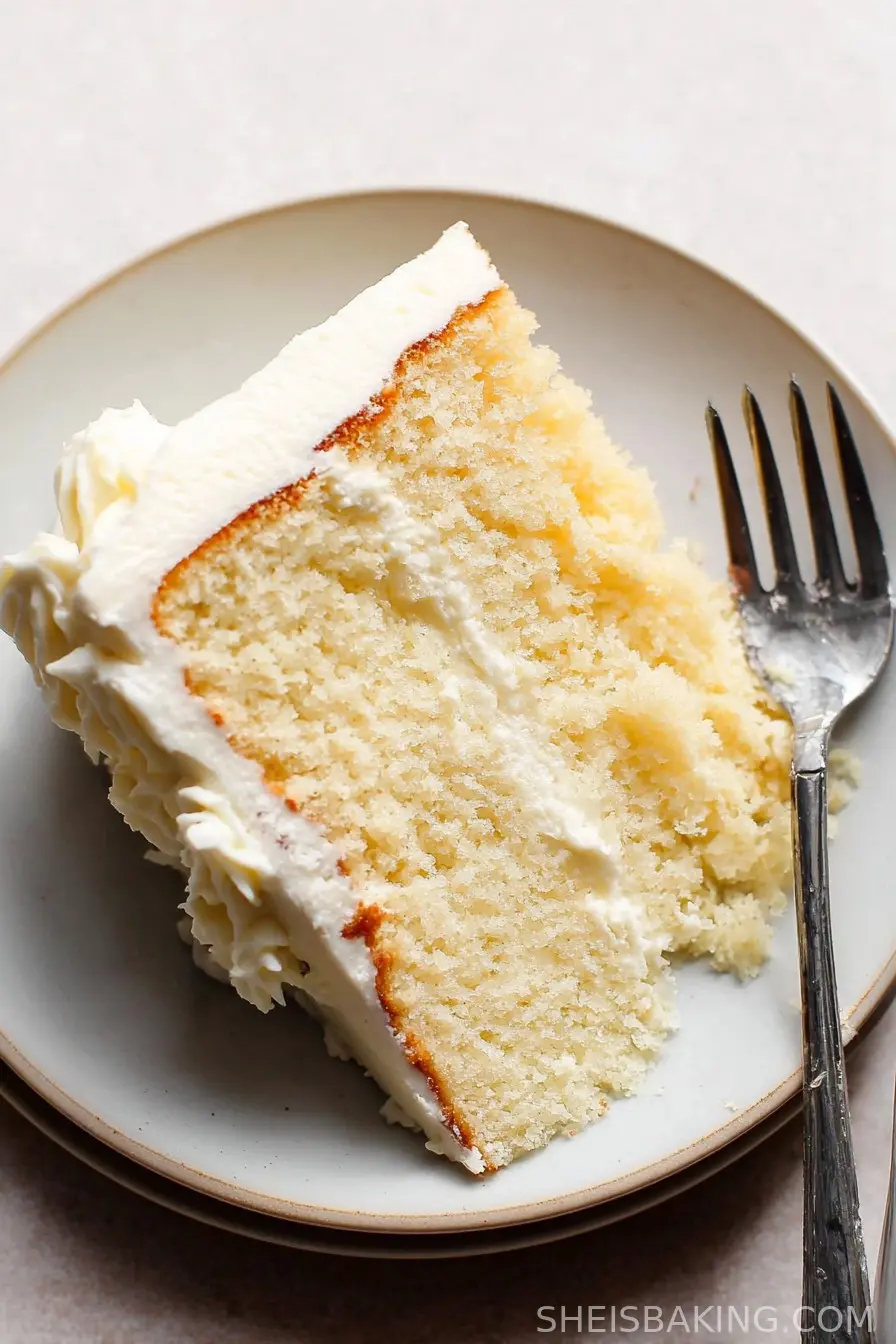
The allure of vanilla Cake lies in its subtle sweetness and velvety texture, making it the perfect canvas for a wide variety of frostings or simply enjoyed on its own.
Vanilla, derived from tropical orchids, was first used by the ancient Totonac people of Mexico before being introduced to European cuisine. Over centuries, vanilla cake recipes have evolved, but the basic principles of baking a perfectly moist and tender cake remain unchanged.
Homemade Vanilla Cake is often favored over store-bought varieties for its freshness, customization possibilities, and the unmistakable satisfaction that comes from baking something from scratch. The combination of quality ingredients such as real butter, pure vanilla extract, and fresh eggs showcases the beauty of simple flavors executed well.
Whether you are new to baking or a seasoned home chef, mastering a classic Homemade Vanilla Cake recipe is an essential culinary achievement. This recipe focuses on balance, simplicity, and flawless results, turning even the most novice baker into a dessert hero.
With its universal appeal, Homemade Vanilla Cake continues to be a favorite for all ages, serving as a delicious foundation for creativity and tradition.
Ingredients
- 2 and ½ cups (310g) all-purpose flour
- 2 and ½ teaspoons baking powder
- ½ teaspoon salt
- 1 cup (226g) unsalted butter, softened
- 2 cups (400g) granulated sugar
- 4 large eggs, room temperature
- 1 tablespoon pure vanilla extract
- 1 cup (240ml) whole milk, room temperature
Instructions
- Preheat your oven to 350°F (175°C). Grease and flour two 9-inch round cake pans or line with parchment paper.
- In a medium bowl, whisk together the all-purpose flour, baking powder, and salt. Set aside.
- In a large mixing bowl, beat the softened butter with an electric mixer for 1-2 minutes until creamy.
- Add the granulated sugar gradually and beat for another 3-4 minutes until light and fluffy.
- Beat in the eggs one at a time, making sure each egg is fully incorporated before adding the next. Mix in the vanilla extract.
- Gradually add the flour mixture to the butter mixture in three batches, alternating with the milk. Begin and end with the dry ingredients. Mix just until combined; do not overmix.
- Divide the batter evenly between the two prepared cake pans and smooth the tops with a spatula.
- Bake in the preheated oven for 25-30 minutes or until a toothpick inserted in the center comes out clean.
- Remove from oven and cool in pans for 10 minutes, then turn out onto wire racks to cool completely.
- Once cooled, frost as desired or enjoy plain for a simple treat.
Nutritional Information
A single serving of Homemade Vanilla Cake (1/12 of the entire cake, unfrosted) contains approximately 320-350 calories. This classic dessert provides about 14 grams of fat, primarily from the butter, which contributes to the cake's moist and tender crumb.
Carbohydrates are the primary macronutrient, with around 47 grams per slice, accounted for by both the flour and the sugar. Protein content is typically around 5 grams per serving, deriving mainly from the eggs and milk.
Homemade Vanilla Cake contains minimal fiber but is a good source of quick energy due to its accessible simple carbohydrates. When frosted with buttercream or other icings, the calorie and fat counts will naturally increase, so keep this in mind as you customize your finished cake.
Compared to many commercial cakes, baking at home allows you to control the sugar content and avoid artificial flavors, preservatives, or hydrogenated fats.
For those with dietary restrictions, substitutions such as gluten-free flour blends, plant-based milk, or sugar alternatives can reduce the intake of allergens and lower calories, but these swaps may alter the texture of the final product.
Overall, Homemade Vanilla Cake, when enjoyed in moderation as part of a balanced diet, can be a delightful treat that delivers satisfaction without an overwhelming caloric load. Remember that appropriate portion sizes are important, especially when serving the cake as part of a celebration spread.

Wine and Beverage Pairings
Homemade Vanilla Cake pairs exceptionally well with a variety of beverages, making it easy to adapt for any occasion. For a classic and comforting pair, serve slices alongside hot coffee or rich black tea. These beverages enhance the cake's subtle vanilla notes and offer a delightful balance of flavors.
For a special celebration, consider a glass of sparkling wine or Champagne, whose lively bubbles and acidity cut through the cake's sweetness. If you prefer an alcohol-free option, vanilla or almond milk, chai, or herbal teas like chamomile and rooibos complement the cake's gentle flavor profile.
For those who enjoy dessert wines, a Moscato d'Asti or late-harvest Riesling is delicate enough not to overpower the Homemade Vanilla Cake, adding an elegant touch to any gathering.
Ultimately, the right beverage can elevate the enjoyment of this classic dessert, so feel free to experiment to find your perfect pairing.
Cooking Tips and Variations
Achieving the perfect Homemade Vanilla Cake is all about technique and ingredient quality. To ensure a moist and tender crumb, always bring your butter, eggs, and milk to room temperature before starting. This promotes better incorporation of ingredients and a smoother batter consistency.
When measuring flour, spoon it gently into the measuring cup and level off with a straight edge to prevent adding too much, which can result in a dense cake.
Don't overmix once you combine the wet and dry ingredients; just mix until no streaks remain to avoid developing too much gluten, which can make the cake tough. Consider sifting the dry ingredients before whisking for an even lighter crumb.
For added flavor, try using vanilla bean paste or scraping seeds from a real vanilla pod into the batter for an extra-rich aroma. Homemade Vanilla Cake is highly adaptable-stir in citrus zest, almond extract, or even fold in fresh berries or chocolate chips for additional flair.
Customize the icing to your preferences: classic vanilla buttercream, cream cheese frosting, or a simple dusting of powdered sugar all pair beautifully. For a lower-calorie option, use Greek yogurt in place of some butter. If baking at high altitude, increase the oven temperature slightly and decrease the sugar.
Don't forget to rotate your pans halfway through baking for even results. With these tips and a willingness to experiment, your Homemade Vanilla Cake will become a signature dessert in your kitchen.

Serving Suggestions
Homemade Vanilla Cake can be served in various creative ways, making it a versatile dessert suitable for any event. For formal occasions, layer the cake with vanilla or chocolate buttercream and decorate with piped designs, fresh berries, or edible flowers for a stunning centerpiece.
When serving at birthday parties or casual gatherings, offer frosted slices with a small scoop of vanilla bean or strawberry ice cream. The gentle sweetness of the cake also makes it an excellent base for layered trifles with whipped cream and fruit.
To create mini desserts, use a round cutter to make individual cake rounds and top each with a dollop of whipped cream and fruit compote. For a rustic touch, serve Homemade Vanilla Cake unfrosted or with a simple glaze, allowing the vanilla flavor to shine.
At picnics or potlucks, slice the cake into neat squares or wedges for easy sharing. If you want to elevate the dessert further, drizzle warm chocolate sauce or caramel over each serving. Consider pairing with seasonal fruit such as peaches or raspberries for a fresh and colorful presentation.
Beautifully presented on a cake stand, Homemade Vanilla Cake adds an elegant and inviting focal point to any dessert table. No matter how you serve it, this cake's timeless appeal is sure to delight guests and family members alike.
Health Benefits
While Homemade Vanilla Cake is an indulgence, it does offer some health advantages over store-bought alternatives. One of the primary benefits of making your own cake is control over the ingredients.
Selecting high-quality, wholesome components-such as real butter, fresh eggs, and pure vanilla extract-ensures a cleaner recipe without unnecessary additives or preservatives often found in packaged desserts. Homemade recipes also allow for moderation in sugar content, which can contribute to a healthier lifestyle by reducing excess simple sugars.
For those with dietary needs, substitutions for milk, flour, or sugar can make the cake suitable for gluten-intolerant, dairy-free, or lower-sugar diets. By using organic or local ingredients, you can further enhance the nutritional value and environmental impact.
Additionally, baking from scratch can be a mindful activity that supports emotional wellbeing, offering the satisfaction and pride that comes from creating something by hand. When consumed in sensible portions and as part of a balanced diet, Homemade Vanilla Cake can fit into a healthy lifestyle.
However, because it is a dessert high in sugar and fat, moderation is key. Pairing with fresh fruits or nuts can boost the nutritional profile and add important fiber and vitamins. Above all, homemade baking encourages connection, tradition, and the joy of sharing-a vital part of holistic health.
Frequently Asked Questions
Yes, you can bake Homemade Vanilla Cake layers a day in advance. Wrap cooled cake layers tightly in plastic wrap and store at room temperature. Frost just before serving for best results.
Absolutely. Allow the cake to cool completely, then wrap the unfrosted layers in plastic wrap and aluminum foil. Freeze for up to 2 months. Thaw at room temperature before decorating or serving.
Use room-temperature ingredients to create an even batter, do not overmix, and avoid overbaking. Check doneness early by inserting a toothpick into the center-moist crumbs are ideal.
Yes, Homemade Vanilla Cake batter works wonderfully for cupcakes. Fill lined muffin tins about two-thirds full and bake at 350°F (175°C) for 18-22 minutes or until a toothpick comes out clean.
You can substitute whole milk with an equal amount of 2% milk, buttermilk for extra tenderness, or a non-dairy milk such as almond or soy. Each will slightly affect the flavor and texture.
Homemade Vanilla Cake stands as an enduring favorite, offering both simplicity and sophistication in every bite. Its gentle vanilla flavor and light, fluffy texture make it an ideal dessert for all occasions, from family gatherings to grand celebrations. Versatile and easy to customize, this classic cake allows bakers of all skill levels to explore their creativity, whether through unique fillings, frostings, or decorative touches. The joy of preparing and sharing a homemade dessert like this cannot be overstated; it fosters connection and offers a timeless treat that is always welcome at the table. With this easy-to-follow recipe, thoughtful tips, and serving ideas, you'll find yourself returning to Homemade Vanilla Cake time and again. Indulge in tradition, savor the simplicity, and create sweet memories with every slice of this much-loved cake.
Ingredients
- 2 ½ cups all-purpose flour
- 1 ½ cups granulated sugar
- 1 cup unsalted butter, softened
- 4 large eggs, room temperature
- 1 cup whole milk
- 2 ½ teaspoons baking powder
- ½ teaspoon salt
- 1 tablespoon pure vanilla extract
Instructions
-
1Preheat your oven to 350°F (175°C). Grease and flour two 8-inch round cake pans.
-
2In a medium bowl, whisk together flour, baking powder, and salt. Set aside.
-
3In a large mixing bowl, beat the butter and sugar together until light and fluffy. Add eggs one at a time, mixing well after each addition. Stir in the vanilla extract.
-
4Alternately add the dry ingredients and milk to the butter mixture, beginning and ending with the dry ingredients. Mix until just combined.
-
5Divide the batter evenly between the prepared cake pans. Bake for 30 minutes, or until a toothpick inserted in the center comes out clean.
-
6Let cakes cool in pans for 10 minutes, then remove from pans and transfer to a wire rack to cool completely before frosting.
Approximate Information for One Serving
Nutrition Disclaimers
Number of total servings shown is approximate. Actual number of servings will depend on your preferred portion sizes.
Nutritional values shown are general guidelines and reflect information for 1 serving using the ingredients listed, not including any optional ingredients. Actual macros may vary slightly depending on specific brands and types of ingredients used.
To determine the weight of one serving, prepare the recipe as instructed. Weigh the finished recipe, then divide the weight of the finished recipe (not including the weight of the container the food is in) by the desired number of servings. Result will be the weight of one serving.
Did you make this recipe?
Please consider Pinning it!!
Leave a Reply