
Japanese Cake Roll is a delightful and elegant dessert that embodies the delicate artistry of Japanese baking. Light as air, soft, and moist, this airy Swiss roll is famous for its fluffy, melt-in-your-mouth texture, which is achieved using unique techniques and ingredients typical of Japanese patisserie.
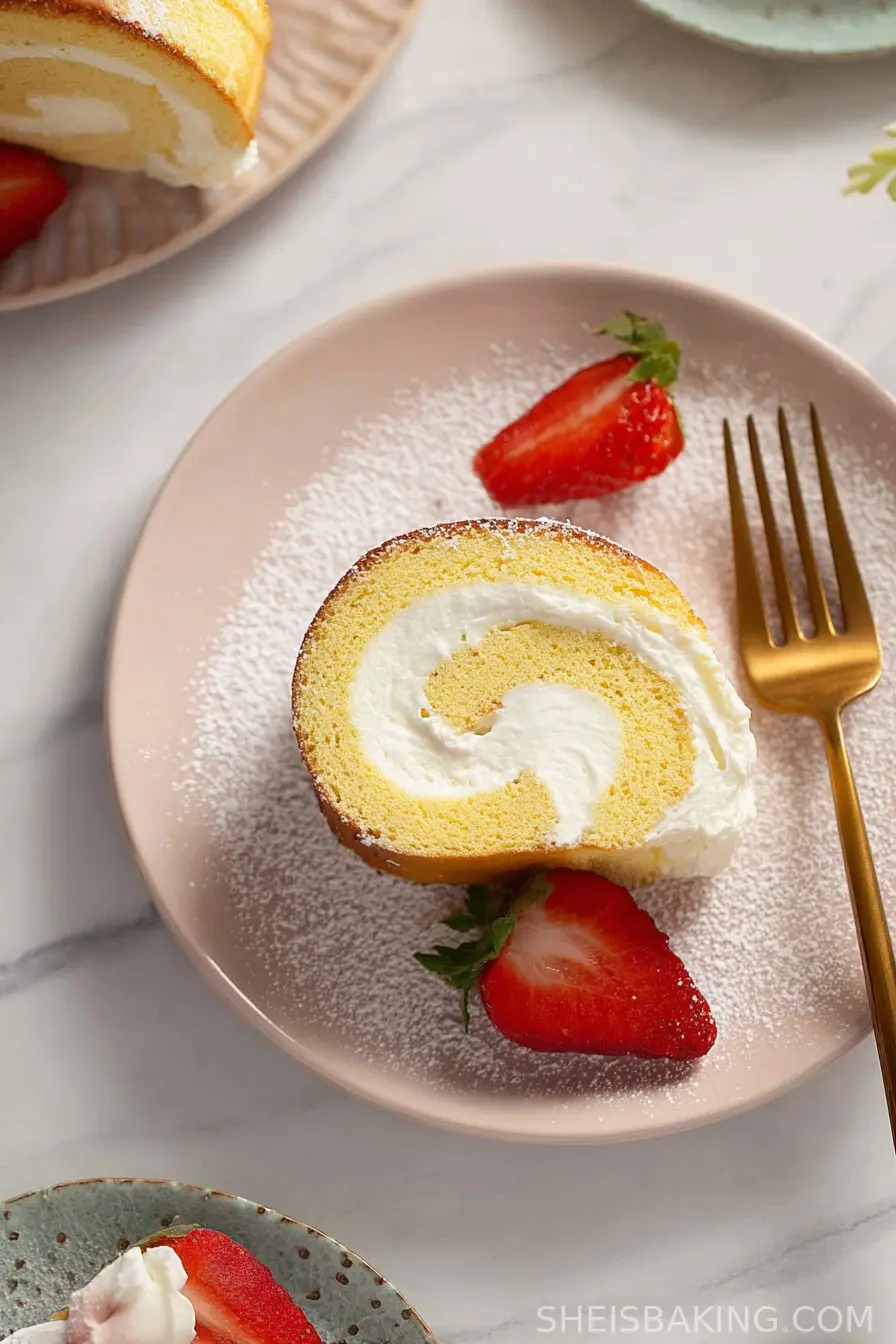
Perfect as an afternoon treat, a special birthday dessert, or an addition to high tea, the Japanese Cake Roll is loved for its balance of subtle sweetness and pillowy structure.
While Swiss rolls are popular worldwide, the Japanese Cake Roll is distinct, focusing on utmost lightness, minimal sugar, and a cloud-like consistency that stands apart from heavier Western versions.
Originating in Japan during the 20th century, this dessert draws inspiration from French and European baking traditions but adapts them with Japanese techniques like folding, whisking, and steaming.
Renowned pastry chefs brought an emphasis on precision and restraint, resulting in cakes that are not only beautiful but also more health-conscious and less rich than many butter-laden Western counterparts.
Ideal for those who appreciate desserts that satisfy cravings without heavy sweetness, the Japanese Cake Roll is often filled with whipped cream, fresh fruit, or matcha-flavored fillings.
Its aesthetically pleasing presentation-often elegantly rolled and sliced-is as important as its taste, making it a favorite for gatherings, celebrations, and afternoon snack times across Japan and now around the world.
With this comprehensive recipe, you'll master the techniques of making the perfect Japanese Cake Roll at home, whether you're a beginner baker or looking to add authentic Japanese bakes to your repertoire.
Ingredients
- 4 large eggs (separated into whites and yolks)
- 70g (½ cup plus 1 tbsp) cake flour, sifted
- 60g (¼ cup plus 1 tbsp) granulated sugar (divided)
- 40ml (about 3 tbsp) whole milk
- 40ml (about 3 tbsp) vegetable oil (neutral, like canola or sunflower)
- 1 teaspoon vanilla extract
- 1 teaspoon lemon juice or white vinegar
- ¼ teaspoon cream of tartar (optional, for stabilizing egg whites)
- A pinch of salt
- 150ml (about ⅔ cup) heavy whipping cream (for filling)
- 2 tablespoon powdered sugar (for whipped cream)
- Fresh fruit such as strawberries or mango (optional, for filling)
- Powdered sugar (for dusting, optional)
Instructions
- Preheat your oven to 170°C (340°F). Line a 10x12-inch (25x30 cm) jelly roll pan or Swiss roll tin with parchment paper, ensuring it reaches up the sides to enable easy release.
- Separate the eggs, placing the yolks in one bowl and the whites in another. Ensure no yolk gets into the whites for optimum meringue.
- Whisk together the egg yolks with half of the granulated sugar (30g), vanilla extract, and a pinch of salt until thick, creamy, and pale in color.
- Incorporate the vegetable oil into the yolk mixture, whisking until well combined. Then add the milk, continuing to whisk until uniform.
- Sift the cake flour over the yolk mixture and gently fold in using a spatula, being careful not to overmix to keep the batter airy.
- In a clean, grease-free bowl, beat the egg whites with cream of tartar and lemon juice or vinegar on medium speed until foamy.
- Gradually add the remaining granulated sugar (30g) to the whites and continue whisking on high until stiff, glossy peaks form.
- Add one-third of the whipped egg whites into the yolk mixture, folding gently to lighten the batter. Add the remaining whites in two more additions, folding gently to maintain volume.
- Pour the combined batter into the prepared pan, spreading it evenly with a spatula and gently tapping the pan to remove any air bubbles.
- Bake in the preheated oven for 15-18 minutes, or until the cake springs back when lightly pressed and a toothpick inserted comes out clean.
- Remove the cake from the oven and immediately run a thin knife along the edges. Lay a sheet of parchment or a clean kitchen towel on a flat surface, and invert the cake onto it. Carefully peel off the baking paper.
- While the cake is still warm, roll it up lightly (using the towel or parchment to guide it) starting from the shorter edge. Leave to cool completely in this rolled shape to set the memory of the roll.
- Whip the 150ml of heavy cream with the powdered sugar until stiff peaks form. Unroll the cooled cake gently. Spread the whipped cream evenly over the cake and add fresh fruit if desired.
- Gently re-roll the cake, peeling away the towel or parchment as you go. Wrap the roll in plastic wrap and refrigerate for at least one hour to set.
- Before serving, trim both edges for a neat appearance and dust with powdered sugar or decorate with additional fruit. Slice and serve chilled.
Nutritional Information
A typical slice of Japanese Cake Roll offers a delightful treat with moderate calorie content, making it a lighter alternative to many Western-style cakes. Each serving (approx.
1/10th of a roll made from the above recipe) contains about 150-180 calories, though this can vary based on the amount of whipped cream and fillings used. The primary source of calories is from the eggs, small amount of vegetable oil, and cream.
The cake is relatively low in saturated fats due to the use of neutral oils instead of butter. Protein content comes mainly from the egg whites, providing a modest 4 to 5 grams per serving.
Sugar content is kept lower than classic cakes, with the sweetness being subtle and controlled by the delicate balance of cream and fruit. The cake also provides a small amount of calcium from the milk and some vitamin A and D from the eggs.
If you use fruits such as strawberries or mango as filling, the overall cake roll can offer dietary fiber, vitamin C, and antioxidants. The use of cake flour keeps the carbs light and tender, but for those monitoring gluten intake, note that this traditional recipe is not gluten-free.
Overall, the nutritional profile of Japanese Cake Roll makes it a satisfying yet wiser choice for a sweet treat, especially when compared to denser, high-butter alternatives.
Portion control is easy thanks to the roll's structure, and the cake can be adjusted with light cream or alternative sugar options to reduce calories and fat further.
Wine and Beverage Pairings
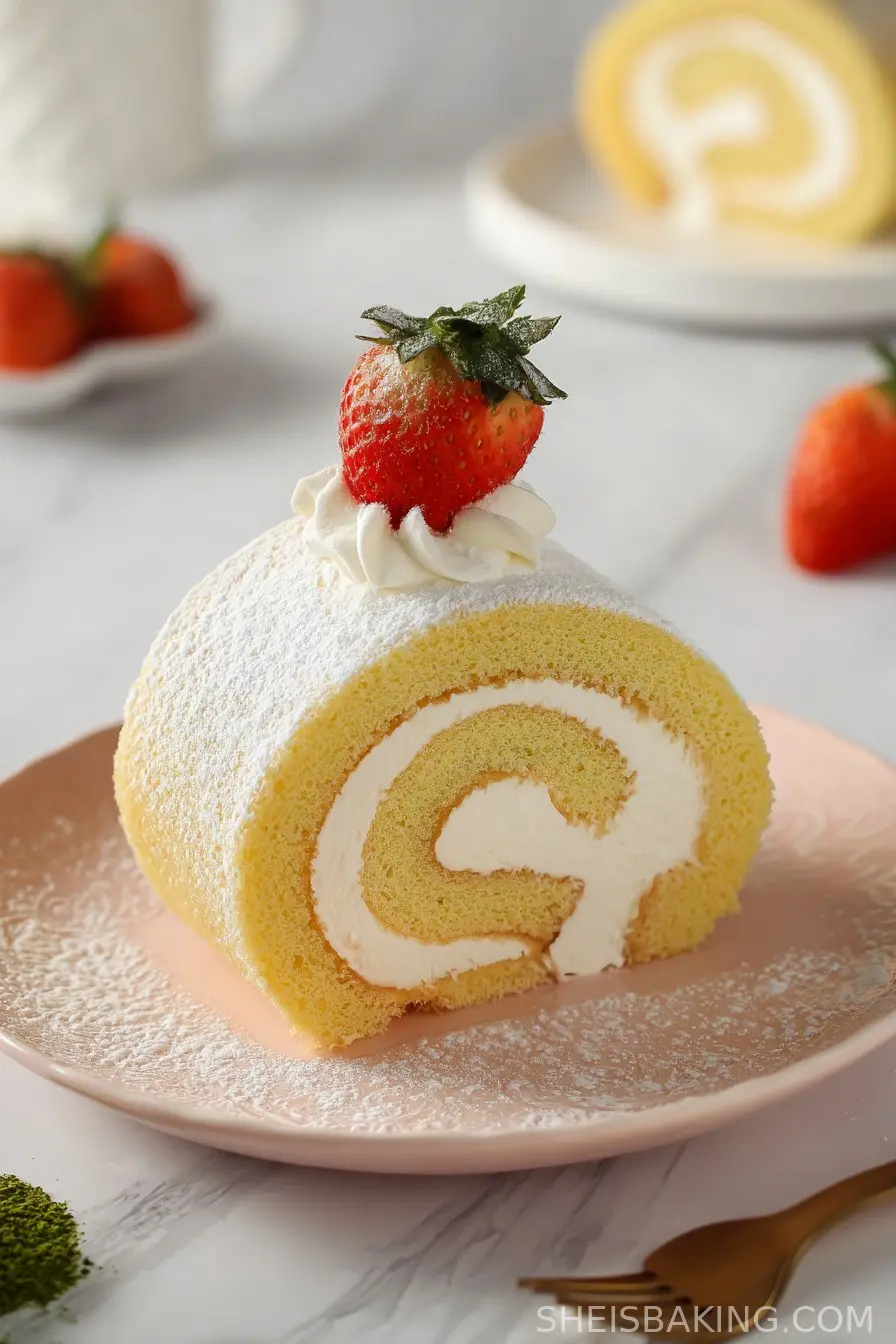
A Japanese Cake Roll pairs beautifully with a range of beverages. For a traditional touch, serve it with freshly brewed green tea (sencha or matcha), which complements the cake's subtle sweetness and airy texture. The slightly bitter notes of green tea create a balanced flavor profile.
For a more Western pairing, light-bodied white wines such as Moscato d'Asti, German Riesling, or Prosecco offer a refreshing piquancy that highlights the cake's delicate taste. Coffee, especially a lightly-roasted brew or a café au lait, provides a comforting bitterness and contrast.
If serving the cake on a warm afternoon, pair with iced jasmine tea or fruit-forward sparkling water for an elegant touch. For a playful twist, try a yuzu or lemon soda, which brings out citrus notes and keeps the experience refreshing.
Cooking Tips and Variations
To achieve the signature lightness and softness of a Japanese Cake Roll, focus on careful handling of the eggs. Separate the eggs while still cold to prevent the yolks from breaking, but allow them to reach room temperature before whisking to maximize their volume.
When whisking egg whites, ensure all bowls and utensils are completely clean and grease-free to allow optimal foaming. Folding in the flour and egg whites should be done gently with a spatula, using a 'cut and fold' motion to retain as much air as possible.
Overmixing the batter can result in a dense roll, so be patient and careful. For additional flavor, consider adding matcha powder to the dry ingredients for a Japanese matcha cake roll variant, or swap the vanilla for almond or citrus extract.
For the filling, whipped cream is a classic choice, but you can lighten it with mascarpone or roll in fruit compote for a more festive appearance. Ensure the cake is rolled while warm to set the rolling shape, then unroll and fill once cooled.
If you underbake, the cake may stick and crack; overbaking will make it dry and difficult to roll. Experiment with fillings like chocolate ganache, chestnut cream, or even a light jam. For a neat finish, trim cake edges before serving.
If you're looking to make a gluten-free or dairy-free version, there are substitutions available, such as using gluten-free flour blends or coconut cream in place of dairy.
Serving Suggestions
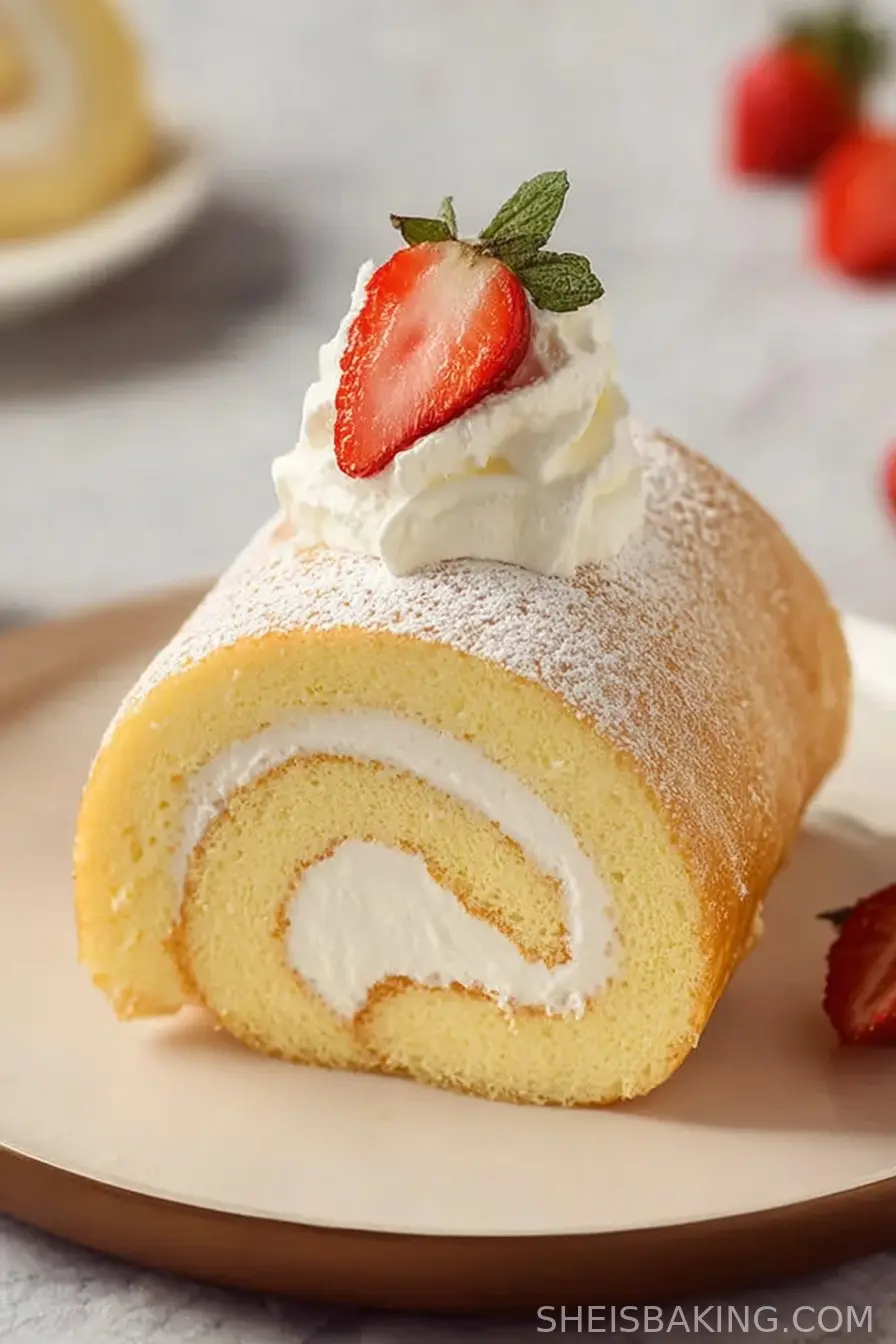
Japanese Cake Roll is a versatile dessert that lends itself well to both casual and formal occasions.
For an elegant display, slice the roll into even rounds about one inch thick and arrange them on a decorative cake platter, dusting lightly with powdered sugar or garnishing with fresh fruit and mint leaves.
If serving at a tea gathering, accompany each slice with a small cup of matcha or sencha, allowing guests to enjoy the interplay of flavors. The cake's light texture means it's perfect as an afternoon snack, paired with a light beverage and fresh seasonal fruit on the side.
For larger gatherings, you can prepare multiple rolls with varying fillings-such as matcha cream, chocolate, or fruit compote-and offer a tasting platter. If you're preparing ahead of time, the cake roll can be tightly wrapped and refrigerated for up to 2 days; simply slice and serve when ready.
For special occasions like birthdays or celebrations, decorate the top with piped cream, edible flowers, or chocolate curls for an extra festive appearance.
Japanese Cake Roll can even be enjoyed frozen in summer months-slice it while frozen for an ice-cream cake roll experience, allowing the delicate flavors to come through as it gently thaws.
Health Benefits
Japanese Cake Roll offers several health-conscious advantages when compared to many traditional Western cakes. Its low butter and reduced sugar composition make it a lighter choice that doesn't compromise on flavor or satisfaction.
Since the cake is leavened mainly by whipped egg whites, the result is a dessert lower in saturated fat and cholesterol, forgoing heavy creams or large quantities of butter commonly found in other cakes.
By using whipped cream and fresh fruits as filling, you introduce healthy fats, protein, and nutrients while keeping overall calories in check. The portion-controlled slices aid in preventing overindulgence, which supports healthy eating habits.
For those with dietary restrictions, this recipe can be further adapted-substitute dairy-free cream for the filling or use gluten-free cake flour blends. The moderate use of sugar means the cake has a softer glycemic impact, especially when paired with fiber-rich fruits.
Japanese Cake Roll is generally more digestible because of its lightness and low-fat profile, making it suitable even for those who prefer to indulge without feeling weighed down.
The inclusion of antioxidants from fresh berries or matcha (if chosen as a filling) can further enhance the health benefits, so feel free to adapt the filling based on your nutritional goals.
Frequently Asked Questions
Cracking can occur if the cake is overbaked or if it cools too much before rolling. Rolling the cake while it's still warm and pliable helps set the shape and prevents cracks. Consider covering the cake with a damp towel after baking to retain moisture.
Yes, you can prepare the cake roll a day ahead. After assembling, wrap tightly in plastic and refrigerate. The flavors meld beautifully, and the cream filling thickens slightly, making for easier slicing.
Classic whipped cream and fresh fruits are most common, but you can use matcha-flavored cream, chocolate mousse, chestnut paste, or fruit jams for different flavors. Keep the fillings light to preserve the cake's structure.
With modifications, yes. Substitute the cake flour with a gluten-free blend and choose a dairy-free whipped topping or coconut cream in place of dairy cream. Adjust baking times if needed based on the substitution.
Accurate measurement of ingredients, gentle folding, and not overbaking are key. Also, avoid leaving the baked cake exposed, as it can dry out quickly. Roll it promptly and store tightly wrapped.
Mastering the art of baking a Japanese Cake Roll brings a piece of Japanese elegance and culinary tradition to your kitchen. With its signature fluffy texture and versatile options for fillings and flavors, this dessert is perfect for any occasion, from intimate teas to festive gatherings. By following the precise steps and expert tips provided, you can confidently create a roll that looks and tastes like it came from a high-end patisserie. The lighter nutritional profile and adaptability for dietary needs make it a smart, satisfying treat. Whether you keep things classic with whipped cream and fruit, or get creative with matcha or chocolate, you'll find endless enjoyment in both the process and the results. Serve, savor, and watch as the delicate, cloud-like slices delight everyone at your table. Experience the joy of Japanese baking with this timeless Japanese Cake Roll recipe.
Ingredients
- 4 large eggs, separated
- 90 g granulated sugar, divided
- 60 ml milk
- 50 ml vegetable oil
- 70 g cake flour
- ¼ teaspoon cream of tartar
- 150 ml heavy cream
- 1 tablespoon powdered sugar
- ¼ teaspoon vanilla extract
Instructions
-
1Preheat oven to 350°F (175°C). Line a 10x15 inch baking pan with parchment paper.
-
2In a large bowl, whisk together egg yolks and 45 g of sugar until pale and thick, then stir in vegetable oil and milk.
-
3Sift cake flour into the egg yolk mixture and gently fold until just combined.
-
4In another bowl, beat egg whites with cream of tartar until foamy, then gradually add remaining 45 g sugar and beat to stiff peaks.
-
5Gently fold the meringue into the yolk batter in three parts. Pour batter into prepared pan and smooth the top. Bake for 15 minutes or until the cake springs back when lightly touched.
-
6Let cake cool slightly, then invert onto parchment paper. Whip heavy cream with powdered sugar and vanilla until stiff. Spread cream over cooled cake and carefully roll up. Chill before serving.
Approximate Information for One Serving
Nutrition Disclaimers
Number of total servings shown is approximate. Actual number of servings will depend on your preferred portion sizes.
Nutritional values shown are general guidelines and reflect information for 1 serving using the ingredients listed, not including any optional ingredients. Actual macros may vary slightly depending on specific brands and types of ingredients used.
To determine the weight of one serving, prepare the recipe as instructed. Weigh the finished recipe, then divide the weight of the finished recipe (not including the weight of the container the food is in) by the desired number of servings. Result will be the weight of one serving.
Did you make this recipe?
Please consider Pinning it!!
Leave a Reply