
Mango Sorbet is a cherished dessert in many parts of the world, known for its vibrant color, refreshing taste, and the sweet, tangy essence of ripe mangoes.
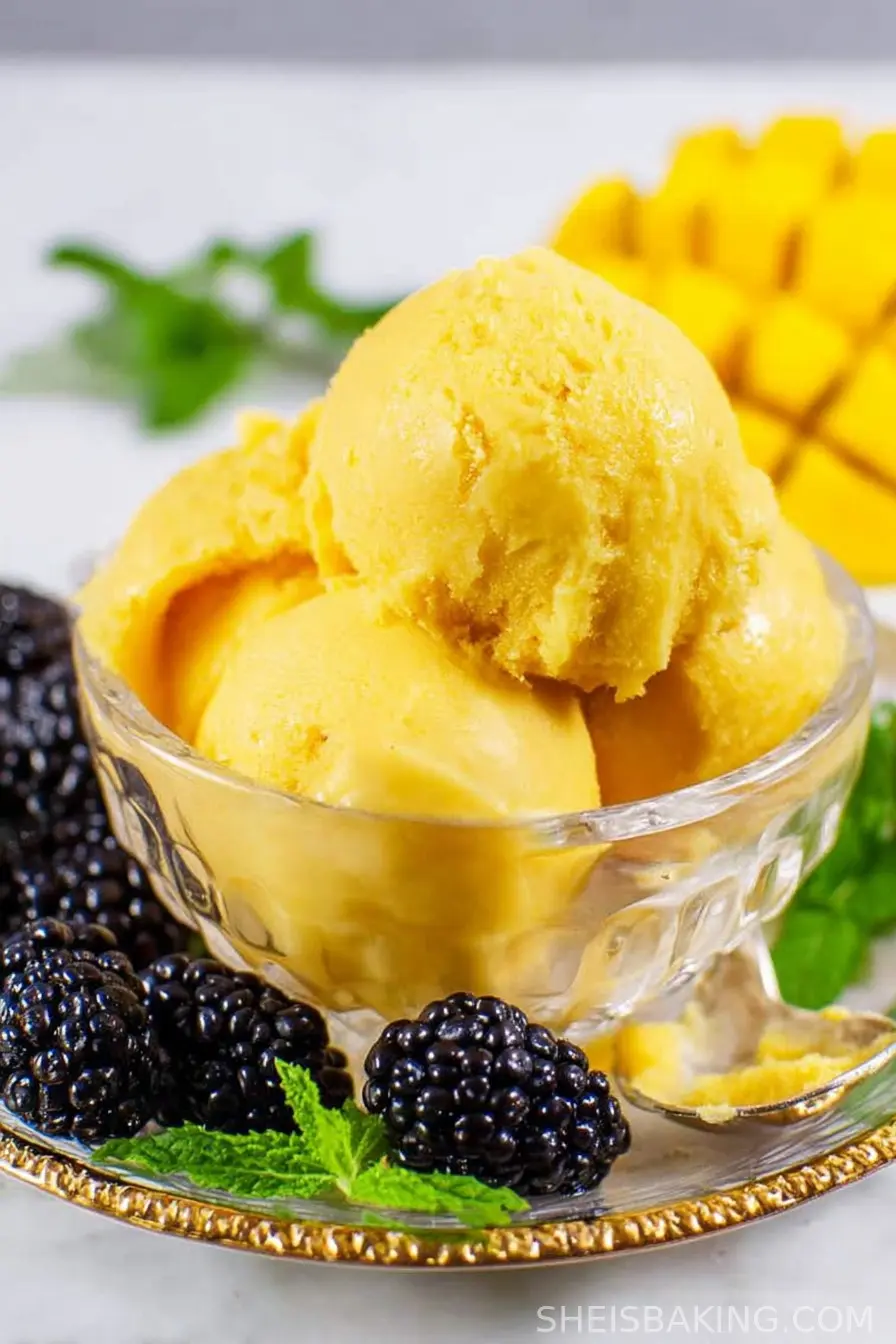
This tropical treat is beloved not just for its natural, fruity flavor but also for its simple preparation and versatility as a palate cleanser or a cooling finish to any meal.
Originating as a close cousin to traditional Italian sorbetto, mango Sorbet has evolved into a favorite among ice cream and frozen dessert aficionados globally. The key to an excellent mango Sorbet lies in selecting perfectly ripe mangoes that exude a fragrant aroma and burst with flavor.
Incorporating only a handful of clean, fresh ingredients, this dessert is free from dairy, gluten, and artificial additives, making it suitable for various dietary preferences. Its icy-granita-like texture cools the heat of summer days or acts as a delightful complement to spicy or robustly flavored main courses.
With the surge in popularity of plant-based and fruit-forward desserts, Mango Sorbet stands out as an easy, make-at-home masterpiece requiring minimal effort and equipment.
In this guide, you'll learn not just how to prepare Mango Sorbet but also about its history, nutritional value, serving suggestions, and creative variations to inspire your own kitchen adventures.
Ingredients
- 4 large ripe mangoes (about 3 cups mango flesh, diced)
- ⅔ cup granulated sugar (adjust to sweetness preference)
- ½ cup water
- 2 tablespoons fresh lime juice
- ¼ teaspoon salt
Instructions
- Peel and dice the ripe mangoes, discarding the pits. You should have approximately 3 cups of mango flesh.
- In a small saucepan, combine sugar and water. Heat over medium flame, stirring occasionally, until the sugar completely dissolves. Remove from heat and cool to room temperature to create a simple syrup.
- Place the diced mango, simple syrup, fresh lime juice, and salt into a high-powered blender or food processor.
- Blend the mixture on high speed until completely smooth and no lumps remain. Taste the puree and adjust sweetness or acidity as needed by adding more sugar or lime juice.
- Pour the mango puree into a shallow metal baking dish or a freezer-safe container. Smooth the top with a spatula.
- Cover the container tightly and freeze for 4-6 hours, stirring with a fork every 60-90 minutes to break up any large ice crystals for a smoother texture.
- If using an ice cream maker, pour the mango mixture into the chilled bowl and churn according to the manufacturer's instructions, typically for 20-25 minutes until thick and creamy. Transfer to a freezer-safe container and freeze until firm.
- Before serving, let the Mango Sorbet sit at room temperature for 5-10 minutes to soften slightly, making scooping easier.
- Scoop into bowls or cones, garnish with fresh mint or lime zest, and serve immediately.
Nutritional Information
Mango Sorbet is not only delicious but also brings a refreshing nutritional profile to the table. A standard serving (about ½ cup) of Mango Sorbet contains approximately 110-130 calories, making it a lighter alternative to many cream-based ice creams.
The primary ingredient-ripe mango-is a rich source of vitamins A and C, both powerful antioxidants that support immune health and skin rejuvenation. Additionally, mangoes offer dietary fiber for digestive health and trace minerals such as potassium and magnesium.
Unlike many commercial frozen desserts that contain dairy, preservatives, or unhealthy fats, homemade Mango Sorbet is vegan-friendly and naturally cholesterol-free. With controlled sugar content, you have the flexibility to adjust the level of sweetness based on the ripeness of your mangoes, further enhancing the health-conscious aspect of this recipe.
There is minimal fat and zero saturated fat in Mango Sorbet, and it's virtually sodium-free except for the small pinch of salt that intensifies flavor. If desired, natural sweeteners like agave syrup can replace granulated sugar for those seeking a lower glycemic index.
Overall, Mango Sorbet offers a guilt-free treat with high water content, clean carbohydrates, and an impressive micronutrient profile that supports overall well-being.

Wine and Beverage Pairings
Mango Sorbet pairs exceptionally well with light and refreshing beverages. For an idyllic summer pairing, serve with a glass of Moscato d'Asti, which enhances the fruity notes without overpowering the palate. A crisp and slightly sweet Riesling also complements the mango's tropical essence beautifully.
For a non-alcoholic option, a sparkling limeade or coconut water with a splash of pineapple juice makes a delightful and hydrating match. Herbal teas, such as mint or lemongrass iced tea, offer subtle aromatic qualities that elevate the simple elegance of Mango Sorbet.
If you're serving sorbet as a dessert following a spicy meal, an aromatic Gewürztraminer or a cold, lightly sweet green tea can help mellow lingering flavors and cleanse the palate.
Cooking Tips and Variations
Achieving the smoothest, most flavorful Mango Sorbet is easily within reach with a few expert tips and creative variations. Always opt for the ripest mangoes you can find; they should yield slightly under gentle pressure and emit a strong, sweet fragrance.
Ataulfo or Alphonso varieties are particularly prized for sorbet due to their smooth, non-fibrous consistency and intense flavor. For a deeper taste, add a splash of coconut milk when blending the mangoes-a trick that also gives the sorbet a creamier texture.
If using frozen mango chunks, thaw slightly before blending to achieve a uniform puree. For an adults-only version, a tablespoon of vodka or rum added during blending will inhibit ice crystal formation, resulting in a silkier sorbet without any overwhelming alcohol taste. Looking to reduce sugar further?
Stevia or monk fruit sweeteners can substitute traditional sugar, just adjust for sweetness, as these alternatives are often much sweeter. For flavor twists, consider adding freshly grated ginger, a handful of passion fruit pulp, or even a pinch of chili for a spicy kick.
Garnish ideas include toasted coconut flakes, candied lime peel, or chopped pistachios for textural interest. Customizing your Mango Sorbet enables you to tailor the flavor profile to match seasonal fruits or your personal cravings.

Serving Suggestions
Mango Sorbet shines both as a simple standalone dessert and as a refined addition to multi-course menus. To showcase its vivid color and refreshing quality, serve it in chilled glass bowls or martini glasses garnished with sprigs of fresh mint or a fine zesting of lime.
For an extra elegant presentation, layer scoops of Mango Sorbet with fresh sliced mangoes and a dollop of coconut cream in a parfait glass. Hosting a summer party? Offer individual scoops in hollowed-out mango shells for an eco-friendly and fun serving idea.
If serving Mango Sorbet as a palate cleanser between courses, present in petite, clear cups with a palette of edible flower petals for visual impact. You can also assemble a tropical sundae by pairing the sorbet with other fruit sorbets such as passion fruit, pineapple, or lychee.
For special occasions, drizzle with a homemade berry coulis or sprinkle with toasted coconut flakes and chopped nuts to add both flavor and texture. Don't forget to let the Mango Sorbet sit for a short time at room temperature before serving to ensure an ideal scooping consistency.
This attention to presentation and texture transforms a simple dessert into a gourmet experience.
Health Benefits
Mango Sorbet is a nutritious alternative to traditional ice cream, offering several health benefits derived primarily from its star ingredient-mangoes. Packed with Vitamin C, mangoes help strengthen immune function and promote glowing skin by assisting collagen production. The high Vitamin A content supports eye health while providing antioxidant protection.
Mangoes are also a good source of dietary fiber, which aids in digestion and can help prevent constipation. Compared to dairy-based frozen desserts, Mango Sorbet is naturally free from cholesterol, saturated fat, and lactose, making it a suitable choice for those with dairy intolerances or seeking heart-healthy options.
By using modest amounts of natural sweeteners and controlling added sugars, this dessert can fit into most balanced diets. The hydrating nature of Mango Sorbet-due largely to its high water content-helps maintain optimal fluid balance, especially during the warmer months.
Additionally, lime juice contributes a dose of Vitamin C and aids in enhancing mineral absorption from the mangoes. With minimal ingredients and no artificial additives, Mango Sorbet aligns well with whole-food eating patterns, supporting both wellness and indulgence.
Frequently Asked Questions
Yes, Mango Sorbet can be made without an ice cream maker. Simply pour the blended mango mixture into a shallow, freezer-safe dish and freeze, stirring every hour with a fork to break up ice crystals for a smoother texture.
Mango Sorbet keeps well in an airtight container in the freezer for up to two weeks. After that, texture and flavor may begin to deteriorate.
Absolutely, store-bought frozen mango is a convenient alternative. Thaw the mango chunks before blending to ensure a smooth, creamy sorbet base.
Yes, this Mango Sorbet recipe is 100% dairy-free and vegan-friendly as it contains no animal products or lactose.
For a creamier Mango Sorbet, add a splash of coconut milk or a small amount of agave syrup when blending the mangoes. These additions enhance texture without compromising the refreshing fruit flavor.
Mango Sorbet captures the vibrant flavors and essence of fresh mangoes in an easy-to-make, refreshing dessert that appeals to all ages and dietary preferences. Its simplicity is matched only by its burst of tropical flavor and the multitude of creative serving and pairing options. Health-conscious dessert lovers will appreciate the wholesome ingredients and the flexibility to tailor sweetness and additives. Whether served as a bright finish to a festive meal, a cooling snack on a hot afternoon, or a palate refresher between courses, Mango Sorbet delivers on both flavor and nutrition. Embrace the endless possibilities of this classic treat and create your own variations to enjoy year-round. Homemade Mango Sorbet is sure to become a staple in your kitchen, delighting friends and family alike with every spoonful.
Ingredients
- 4 large ripe mangoes (about 3 cups mango flesh, diced)
- ⅔ cup granulated sugar (adjust to sweetness preference)
- ½ cup water
- 2 tablespoons fresh lime juice
- ¼ teaspoon salt
Instructions
-
1Peel and dice the ripe mangoes, discarding the pits. You should have approximately 3 cups of mango flesh.
-
2In a small saucepan, combine sugar and water. Heat over medium flame, stirring occasionally, until the sugar completely dissolves. Remove from heat and cool to room temperature to create a simple syrup.
-
3Place the diced mango, simple syrup, fresh lime juice, and salt into a high-powered blender or food processor.
-
4Blend the mixture on high speed until completely smooth and no lumps remain. Taste the puree and adjust sweetness or acidity as needed by adding more sugar or lime juice.
-
5Pour the mango puree into a shallow metal baking dish or a freezer-safe container. Smooth the top with a spatula.
-
6Cover the container tightly and freeze for 4-6 hours, stirring with a fork every 60-90 minutes to break up any large ice crystals for a smoother texture.
-
7If using an ice cream maker, pour the mango mixture into the chilled bowl and churn according to the manufacturer's instructions, typically for 20-25 minutes until thick and creamy. Transfer to a freezer-safe container and freeze until firm.
-
8Before serving, let the Mango Sorbet sit at room temperature for 5-10 minutes to soften slightly, making scooping easier.
-
9Scoop into bowls or cones, garnish with fresh mint or lime zest, and serve immediately.
Approximate Information for One Serving
Nutrition Disclaimers
Number of total servings shown is approximate. Actual number of servings will depend on your preferred portion sizes.
Nutritional values shown are general guidelines and reflect information for 1 serving using the ingredients listed, not including any optional ingredients. Actual macros may vary slightly depending on specific brands and types of ingredients used.
To determine the weight of one serving, prepare the recipe as instructed. Weigh the finished recipe, then divide the weight of the finished recipe (not including the weight of the container the food is in) by the desired number of servings. Result will be the weight of one serving.
Did you make this recipe?
Please consider Pinning it!
Leave a Reply