
Vegan Cheesecake (No Bake) is a delightful twist on the classic cheesecake, designed for those seeking a plant-based, dairy-free dessert option that doesn't compromise on flavor or texture.
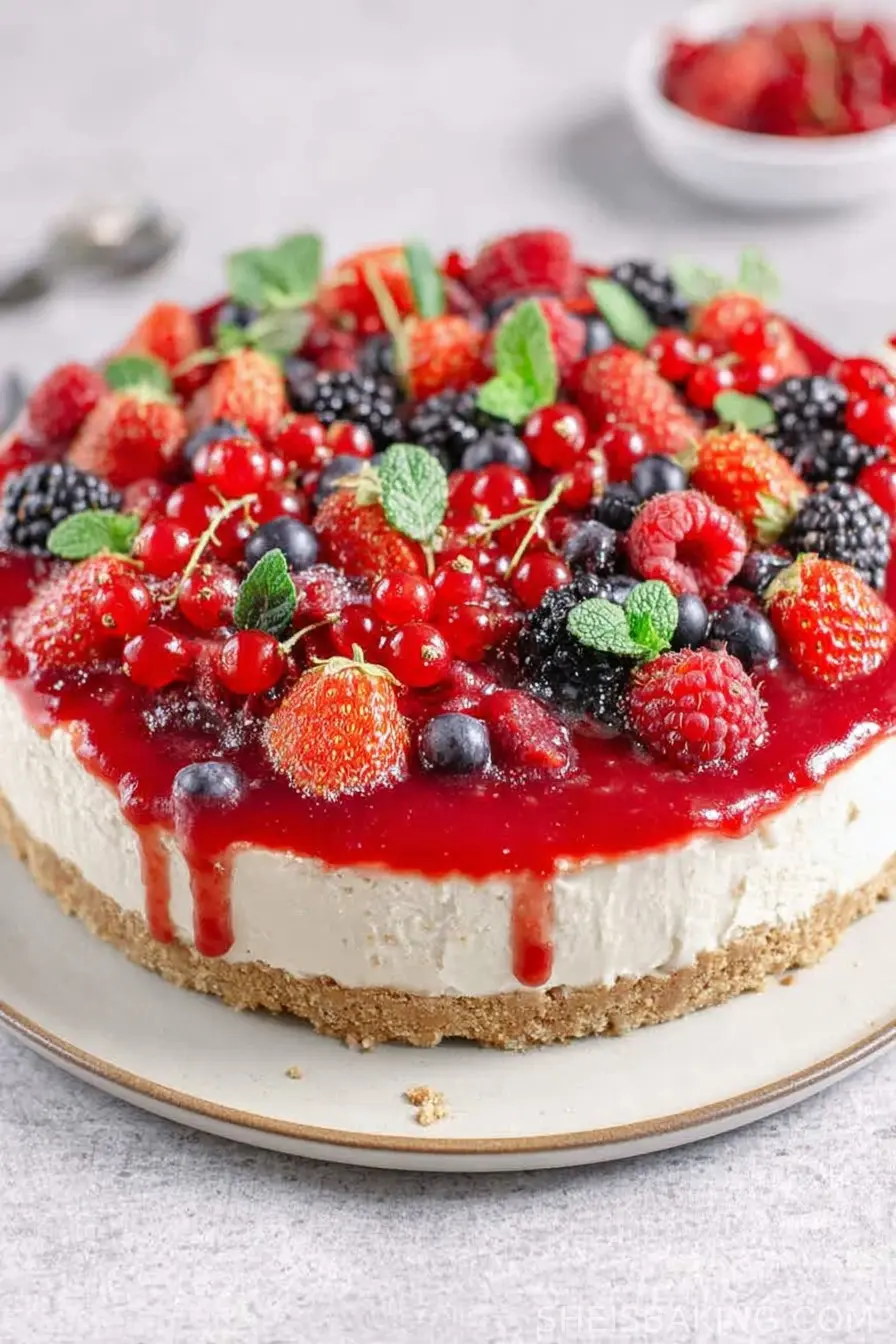
The rise of veganism and plant-based diets has led to innovative recipes like this one, which skillfully replaces traditional cream cheese and eggs with wholesome alternatives such as soaked cashews, coconut milk, and natural sweeteners.
Vegan no bake cheesecakes are the epitome of convenience and indulgence, offering a rich, creamy bite without requiring an oven, making them perfect for warm weather or any time you need a hassle-free dessert. Historically, cheesecake dates back to ancient Greece and has evolved through countless variations around the world.
Contemporary vegan cheesecakes use clever ingredient substitutions, yet they mirror the lusciousness and tangy depth of their dairy counterparts. This recipe provides everything you love about cheesecake-smooth filling, crunchy crust, and limitless ways to top and flavor-while remaining completely vegan and free from animal products.
Whether you are new to plant-based living, accommodating food allergies, or simply looking to try something new, Vegan Cheesecake (No Bake) is a dessert that anyone can enjoy.
It's perfect for celebrations, family gatherings, or as a special treat, and can be customized with fresh berries, fruit compotes, or chocolate swirls. Make this easy vegan cheesecake part of your go-to repertoire and impress your guests with its decadent taste and beautiful presentation.
Ingredients
- 1 ½ cups raw cashews (soaked in hot water for at least 4 hours or overnight)
- 1 cup coconut cream (scooped from the top of canned full-fat coconut milk, chilled overnight)
- ⅓ cup melted coconut oil
- ½ cup pure maple syrup or agave nectar
- ¼ cup fresh lemon juice
- 1 tablespoon vanilla extract
- ⅛ teaspoon sea salt
- 1 ½ cups vegan graham crackers or digestive biscuits (crushed)
- ⅓ cup melted coconut oil (for crust)
- 2 tablespoons coconut sugar or organic cane sugar (for crust)
- Fresh berries, fruit compote, or vegan chocolate sauce for topping (optional)
Instructions
- Prepare the crust by combining crushed vegan graham crackers, melted coconut oil, and coconut sugar in a medium bowl. Stir until the mixture resembles wet sand.
- Press the crust mixture firmly into the bottom of a 9-inch springform pan or a lined cake pan. Use the base of a glass or measuring cup to pack it down evenly. Place the crust in the freezer while you prepare the filling.
- Drain and rinse the soaked cashews thoroughly. Add the cashews, coconut cream, melted coconut oil, maple syrup, lemon juice, vanilla extract, and sea salt to a high-speed blender or food processor.
- Blend the filling mixture on high until completely smooth and creamy. Scrape down the sides as needed to ensure everything is incorporated and there are no lumps.
- Pour the creamy vegan cheesecake filling over the chilled crust, spreading it evenly with a spatula.
- Tap the pan gently on the counter to remove any air bubbles.
- Cover the cheesecake with plastic wrap or foil and refrigerate for at least 6 hours or overnight for best results. The cheesecake will firm up as it chills.
- Once set, remove the cheesecake from the pan. If using a springform pan, carefully run a knife along the edge before unlatching the sides.
- Top with your choice of fresh berries, fruit compote, or vegan chocolate sauce if desired.
- Slice, serve, and enjoy your delicious Vegan Cheesecake (No Bake)!
Nutritional Information
A typical slice of Vegan Cheesecake (No Bake), assuming around 10 slices per cake, comes in at approximately 320 calories per serving. The majority of these calories derive from healthy fats present in cashews and coconut products, offering a source of satiating mono- and polyunsaturated fats.
Each serving provides about 4 grams of protein, which is higher than many traditional cheesecakes due to the nut-based filling. Carbohydrates are moderate, thanks to the natural sweeteners and crust ingredients, with each slice containing roughly 24 grams of carbs and about 3 grams of dietary fiber.
Sugar content largely comes from pure maple syrup and a touch of sugar in the crust, but these can be adjusted to taste or preferred dietary needs. Sodium content remains low, with just a pinch of sea salt included in the filling.
Vegan Cheesecake (No Bake) is inherently cholesterol-free and contains no trans fats-a serendipitous benefit of using plant-based, whole-food ingredients. Additionally, this cheesecake offers micronutrients from cashews, such as magnesium, copper, and iron, and antioxidants from optional fruit toppings.
For those monitoring caloric intake, portion control is key, as this rich dessert is filling, allowing you to savor a small slice fully. Always remember that variations in portion size, ingredient brands, and added toppings will affect the final nutrition profile.
Nevertheless, you can enjoy Vegan Cheesecake (No Bake) as part of a balanced diet, indulging in its creamy goodness with the knowledge that it's nourishing and wholly plant-based.

Wine and Beverage Pairings
The delicate, creamy flavors of Vegan Cheesecake (No Bake) pair wonderfully with a variety of beverages. For a sophisticated pairing, try a chilled glass of vegan-friendly Moscato or sweet Riesling; their fruity notes harmonize with the cheesecake's tangy-sweet profile.
If you prefer non-alcoholic options, an herbal tea like chamomile or hibiscus complements the dessert's richness without overpowering it. For coffee lovers, a strong cold brew or an almond milk latte provides contrast to the cake's smooth consistency.
Sparkling water with a squeeze of lemon adds a refreshing, clean taste to cleanse the palate between bites. Whatever you choose, serving your vegan cheesecake alongside a thoughtful beverage elevates the overall dining experience.
Cooking Tips and Variations
To guarantee the creamiest Vegan Cheesecake (No Bake), always soak your cashews adequately-overnight is best, but if short on time, use very hot water for at least 4 hours. When blending, ensure your blender or food processor is high-powered to achieve an ultra-smooth, completely lump-free filling.
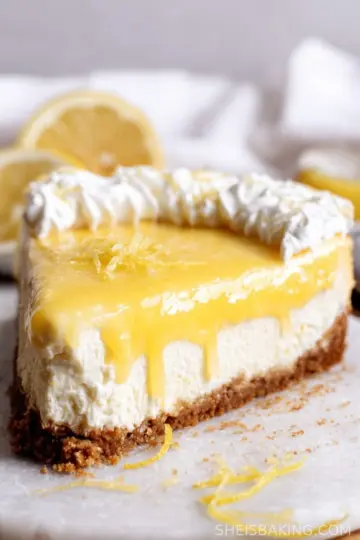
If you desire a zestier flavor, increase the lemon juice slightly or add a teaspoon of lemon zest. If you prefer a firmer cheesecake, add an extra tablespoon of melted coconut oil or a tablespoon of cocoa butter to the filling.
For those who like a chocolate variation, blend 2-3 tablespoons of cocoa powder into the filling or add a vegan chocolate ganache layer on top before refrigerating. Experiment with crusts by substituting dates and your favorite nuts for a naturally sweetened, gluten-free base.
You can also incorporate ground almonds, pecans, or oats for different textures. If you want to reduce the fat content, try replacing some of the coconut cream with thick plant-based yogurt for a tangier, lighter filling.
The cheesecake is very freezer-friendly; simply freeze slices individually and thaw in the fridge before serving. Spice it up seasonally with pumpkin puree and spices for a fall version, or swirl in passionfruit pulp for a tropical summer treat.
Remember to be creative with toppings-fresh berries, sliced stone fruit, mango, raw caramel, or toasted coconut all provide stunning presentation and extra bursts of flavor.

Serving Suggestions
Vegan Cheesecake (No Bake) is highly versatile when it comes to serving. For elegant dinner parties, present the cake on a decorative platter and garnish with vibrant, fresh berries, edible flowers, or a drizzle of berry coulis for a classic look.
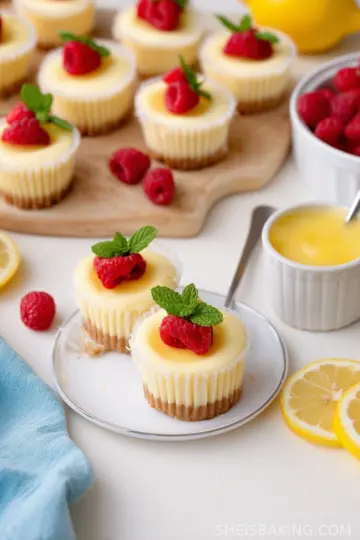
You can also create a deconstructed dessert by serving individual mini cheesecakes in glass jars, layered with fruit compote and a sprinkle of lemon zest-perfect for picnics or individual servings at events.
If you're enjoying a casual family meal, let everyone top their own slice with their favorite toppings from a spread of chopped nuts, coconut flakes, fruit sauces, or vegan whipped cream.
For special occasions such as birthdays or anniversaries, personalize the cheesecake with chocolate writing, decorative stencils, or even mix-ins like vegan chocolate chips or caramel swirl. The cake should be kept refrigerated until just before serving, as the coconut oil and coconut cream solidify when cold, maintaining the perfect texture.
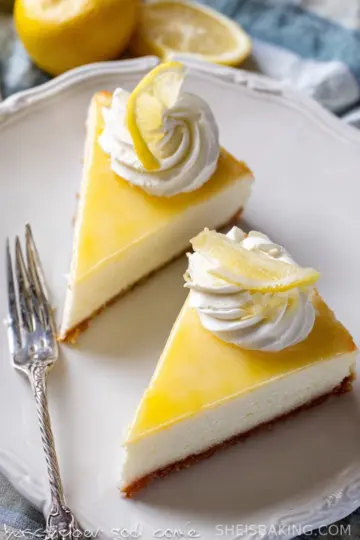
To achieve clean slices, dip a sharp knife in hot water and wipe clean between cuts. If you're making the cheesecake ahead of time, consider freezing it and moving it to the refrigerator several hours before serving for the best consistency.
No matter how you serve it, Vegan Cheesecake (No Bake) is always a hit, leaving a memorable impression with its creamy mouthfeel and vibrant presentation.
Health Benefits
Vegan Cheesecake (No Bake) offers several health benefits, especially when compared to its traditional dairy-based counterpart. Primarily, it is completely free from animal products, making it suitable for vegans, those with lactose intolerance, and individuals with dairy allergies.
The use of cashews in the filling provides healthy unsaturated fats, which are known to support heart health and contribute essential fatty acids for brain function. Cashews also offer plant-based protein, magnesium, iron, and zinc, which are vital for bodily energy and immune support.
Coconut cream and oil, while rich in fats, contain medium-chain triglycerides believed to be more readily metabolized by the body. The natural sweeteners like maple syrup or agave have a lower glycemic index than refined sugars, reducing sudden spikes in blood glucose.
Furthermore, this dessert is low in cholesterol and trans fats, which are key contributors to cardiovascular risk. Many vegan cheesecakes are also easier to digest, as they lack casein and lactose. For gluten-free or allergen-free needs, the crust can be modified with gluten-free oats, nuts, or seeds, broadening the inclusivity.
When topped with fresh fruits and berries, the dessert adds antioxidants, vitamins, and dietary fiber, supporting digestive and cellular health. Moderation is essential due to the calorie density of nuts and coconut, but with sensible portions, Vegan Cheesecake (No Bake) makes a delicious, nourishing treat for almost any dietary preference.
Frequently Asked Questions
Absolutely! Simply substitute gluten-free vegan cookies or oats for the crust, ensuring all other ingredients are certified gluten-free.
This cheesecake keeps well in the refrigerator for up to 5 days. For longer storage, freeze individual slices for up to 2 months.
Cashews provide the creamiest texture, but macadamia nuts or blanched almonds soaked and blended can be used as alternatives, though texture may vary.
Yes, you can swap part of the coconut cream for thick vegan yogurt and reduce the coconut oil slightly, but the filling may be less firm.
Certainly! Swirl in pureed berries or fruit compote before chilling for a fruity twist and extra color throughout your vegan cheesecake.
Vegan Cheesecake (No Bake) is a modern, compassionate dessert that proves plant-based eating can be as luscious and satisfying as traditional fare. Combining the purity of wholesome, natural ingredients with easy-to-follow steps, this cheesecake promises a creamy texture and vibrant taste experience-without any animal products or baking required. Whether served at special gatherings or as a personal treat, its versatility in flavors, crusts, and toppings means you can tailor it to every palate and occasion. Relish each mouthful, knowing you are indulging in a dessert that respects your health, the planet, and the animals. Bring the magic of Vegan Cheesecake (No Bake) to your next celebration and witness how this delightful treat captivates even the most skeptical dessert lovers.
Ingredients
- 1 ½ cups raw cashews (soaked in hot water for at least 4 hours or overnight)
- 1 cup coconut cream (scooped from the top of canned full-fat coconut milk, chilled overnight)
- ⅓ cup melted coconut oil
- ½ cup pure maple syrup or agave nectar
- ¼ cup fresh lemon juice
- 1 tablespoon vanilla extract
- ⅛ teaspoon sea salt
- 1 ½ cups vegan graham crackers or digestive biscuits (crushed)
- ⅓ cup melted coconut oil (for crust)
- 2 tablespoons coconut sugar or organic cane sugar (for crust)
- Fresh berries, fruit compote, or vegan chocolate sauce for topping (optional)
Instructions
-
1Prepare the crust by combining crushed vegan graham crackers, melted coconut oil, and coconut sugar in a medium bowl. Stir until the mixture resembles wet sand.
-
2Press the crust mixture firmly into the bottom of a 9-inch springform pan or a lined cake pan. Use the base of a glass or measuring cup to pack it down evenly. Place the crust in the freezer while you prepare the filling.
-
3Drain and rinse the soaked cashews thoroughly. Add the cashews, coconut cream, melted coconut oil, maple syrup, lemon juice, vanilla extract, and sea salt to a high-speed blender or food processor.
-
4Blend the filling mixture on high until completely smooth and creamy. Scrape down the sides as needed to ensure everything is incorporated and there are no lumps.
-
5Pour the creamy vegan cheesecake filling over the chilled crust, spreading it evenly with a spatula.
-
6Tap the pan gently on the counter to remove any air bubbles.
-
7Cover the cheesecake with plastic wrap or foil and refrigerate for at least 6 hours or overnight for best results. The cheesecake will firm up as it chills.
-
8Once set, remove the cheesecake from the pan. If using a springform pan, carefully run a knife along the edge before unlatching the sides.
-
9Top with your choice of fresh berries, fruit compote, or vegan chocolate sauce if desired.
-
10Slice, serve, and enjoy your delicious Vegan Cheesecake (No Bake)!
Approximate Information for One Serving
Nutrition Disclaimers
Number of total servings shown is approximate. Actual number of servings will depend on your preferred portion sizes.
Nutritional values shown are general guidelines and reflect information for 1 serving using the ingredients listed, not including any optional ingredients. Actual macros may vary slightly depending on specific brands and types of ingredients used.
To determine the weight of one serving, prepare the recipe as instructed. Weigh the finished recipe, then divide the weight of the finished recipe (not including the weight of the container the food is in) by the desired number of servings. Result will be the weight of one serving.
Did you make this recipe?
Please consider Pinning it!
Leave a Reply